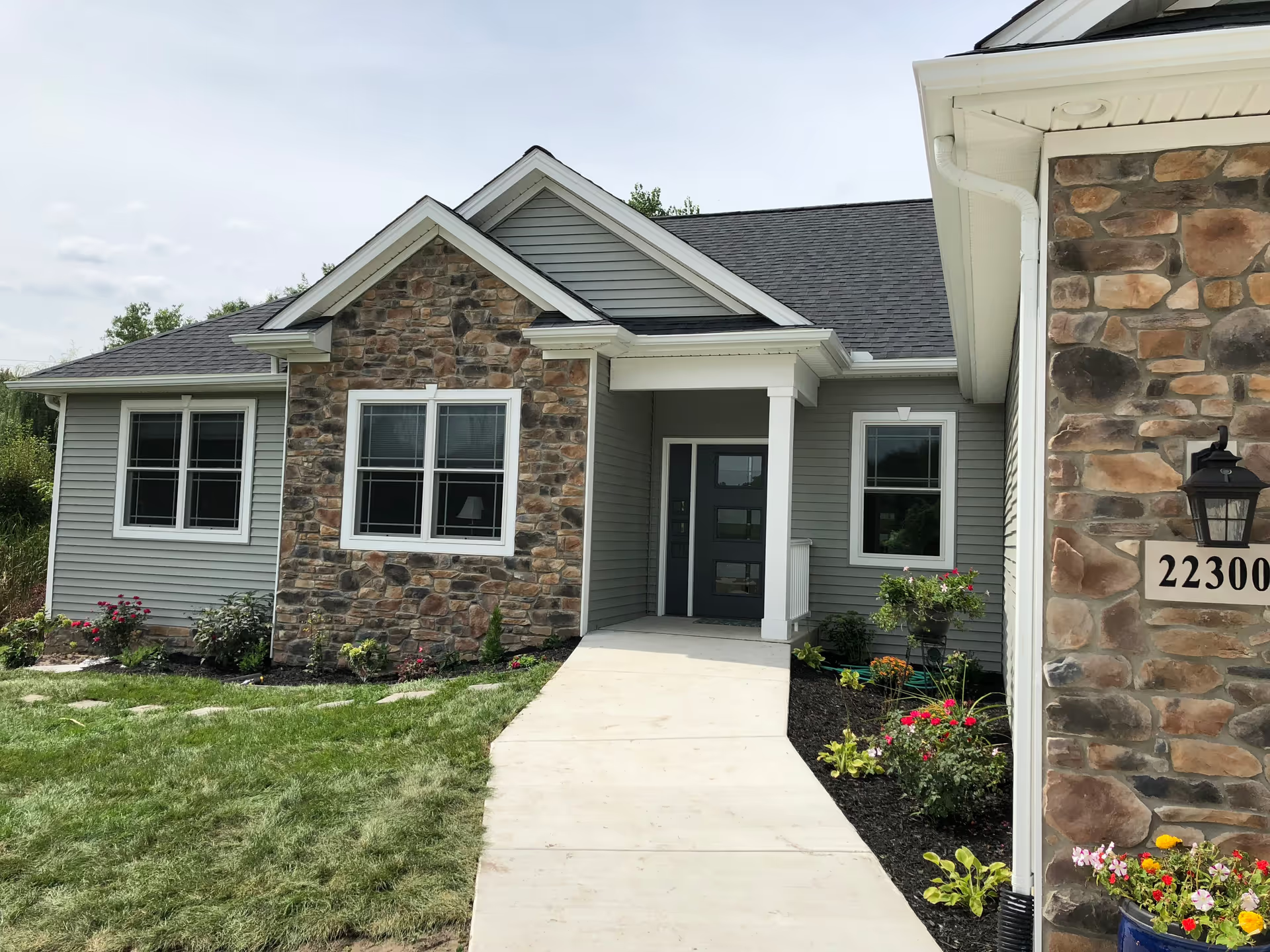
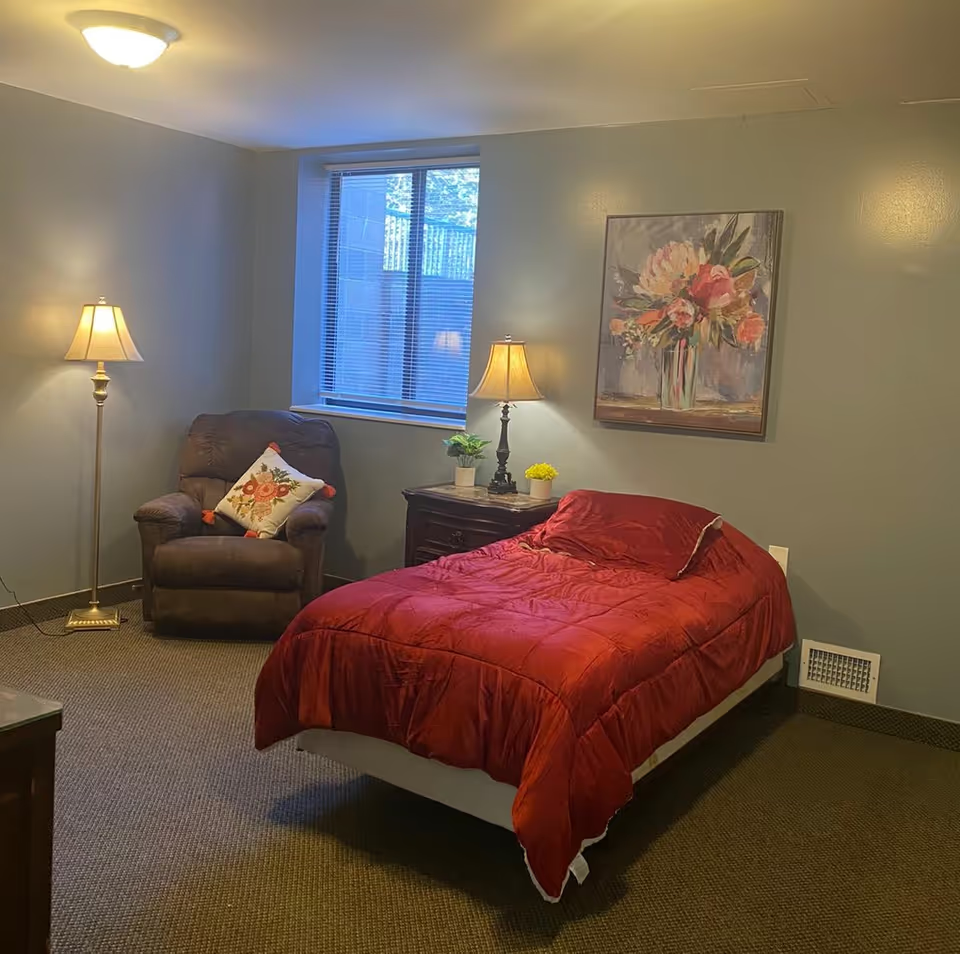
Aiello Adult Foster Care is presented consistently as a small, home‑converted group residence that emphasizes a domestic, family‑style experience. The physical environment is described as clean, bright, and well maintained, with common living spaces, a TV area, a secured outdoor patio and pleasant grounds. The facility’s small census is a defining feature: reviewers highlight that the limited number of residents supports close observation, individualized attention, and a consistent caregiver roster.
Care quality and staffing are central strengths in the reviews. Caregivers and leadership are characterized as attentive, compassionate, and hands‑on; many families describe staff as treating residents like family and taking extra steps to meet personal preferences. The owner’s dementia training and visible coordination with outside clinicians (nurses, physicians, and ordered physical therapy) are noted as assets for residents with cognitive impairment. Medication management, 24‑hour monitoring, and proactive communication — including photos and video calls — are cited as contributing to family confidence.
Dining and activities are frequent positive themes. The facility provides daily home‑cooked meals with a varied menu that includes both American and Filipino dishes, fresh produce, and baked items; reviewers repeatedly remark on meal aroma and enjoyability. Social and recreational programming appears regular and diverse: craft activities, movement sessions, bingo, puzzles, music, holiday celebrations and birthday observances are mentioned as routine parts of life at the home and as contributors to residents’ social engagement and morale.
While largely favorable, reviews point to a few operational limitations families should consider. The facility’s small size supports personalization but also constrains clinical capacity and bed availability; reviewers indicate it is not suited for higher‑acuity or rapidly escalating medical needs. Rooming arrangements include semi‑private spaces, which may limit privacy for some residents. A twice‑weekly bathing schedule was noted in one summary as an operational pattern that families may want to clarify with management. The presence of an on‑site cat was identified as a comfort/allergy concern by at least one family. Finally, the facility operates as a female‑only community in some instances, which may restrict placement options for male residents.
Overall, Aiello Adult Foster Care is portrayed as a budget‑friendly, tightly run small home that emphasizes cleanliness, home‑cooked dining, personalized attention, and strong family communication. Prospective residents and families seeking a domestic setting with dementia‑capable leadership and frequent social programming will likely find this model appealing; those requiring high‑level medical care, greater room privacy, or a pet‑free environment should discuss these specific needs with management before placement.