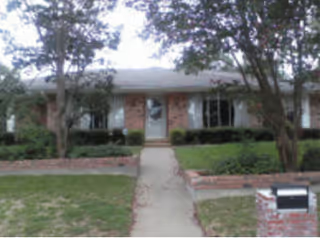
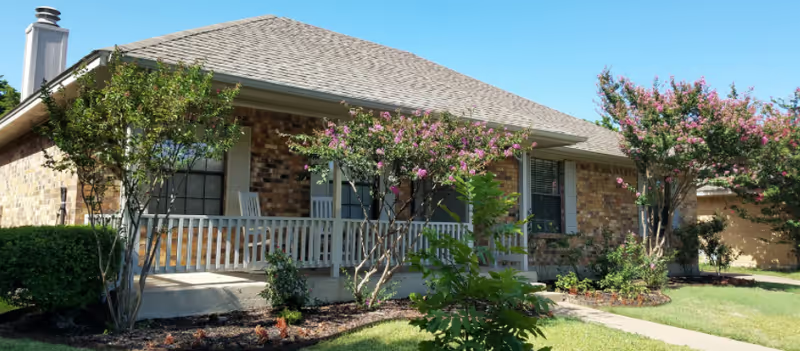
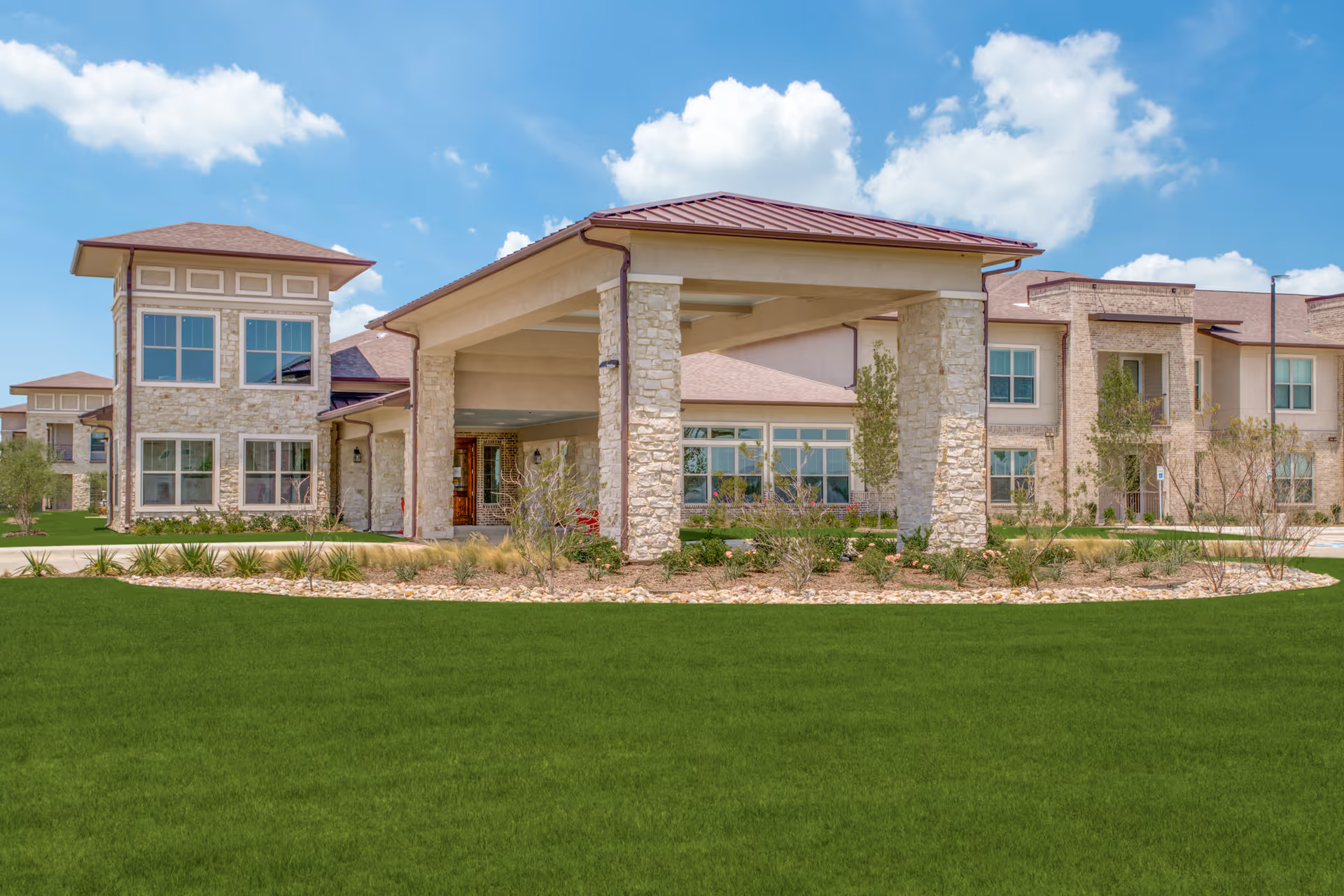
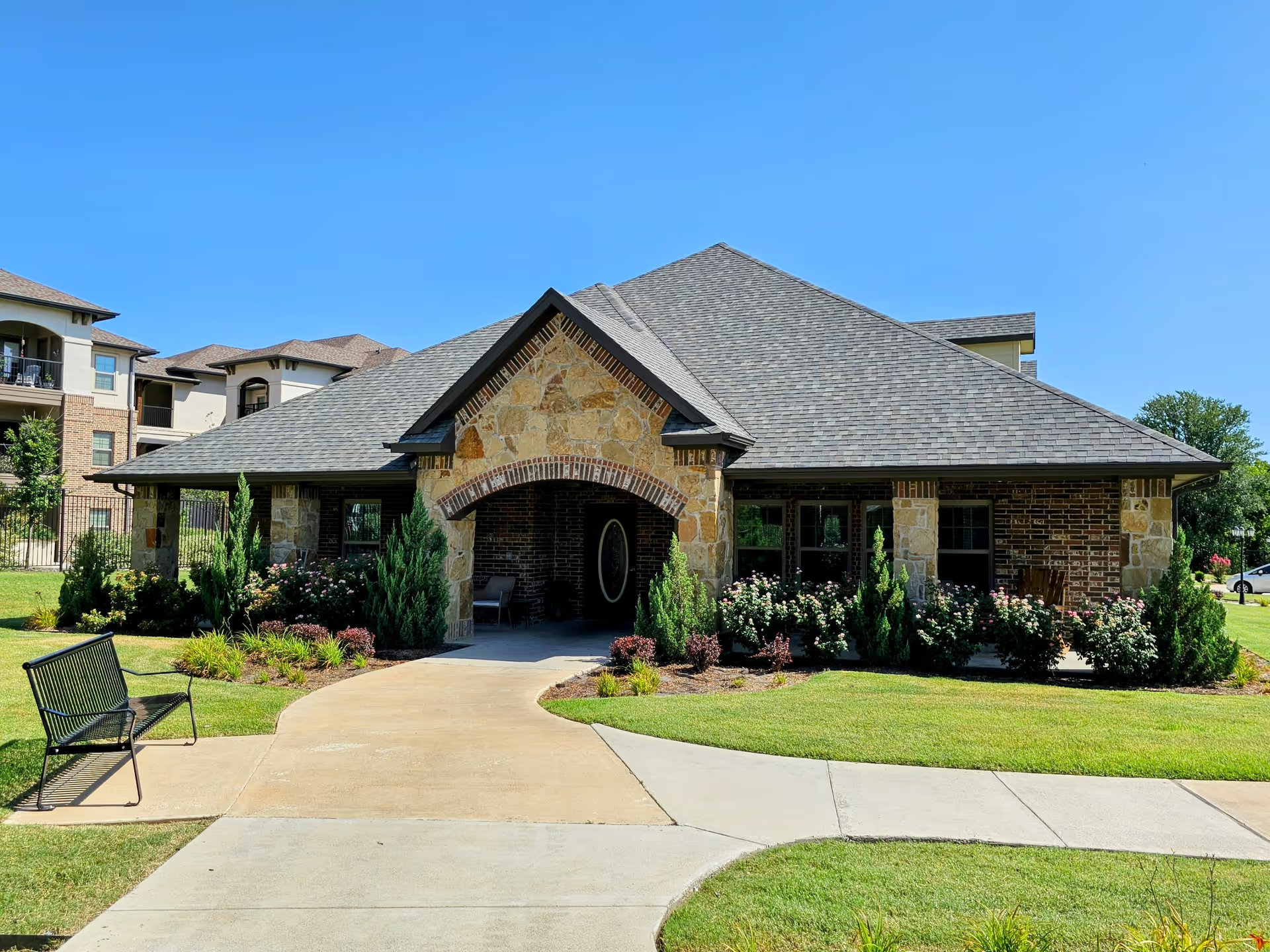
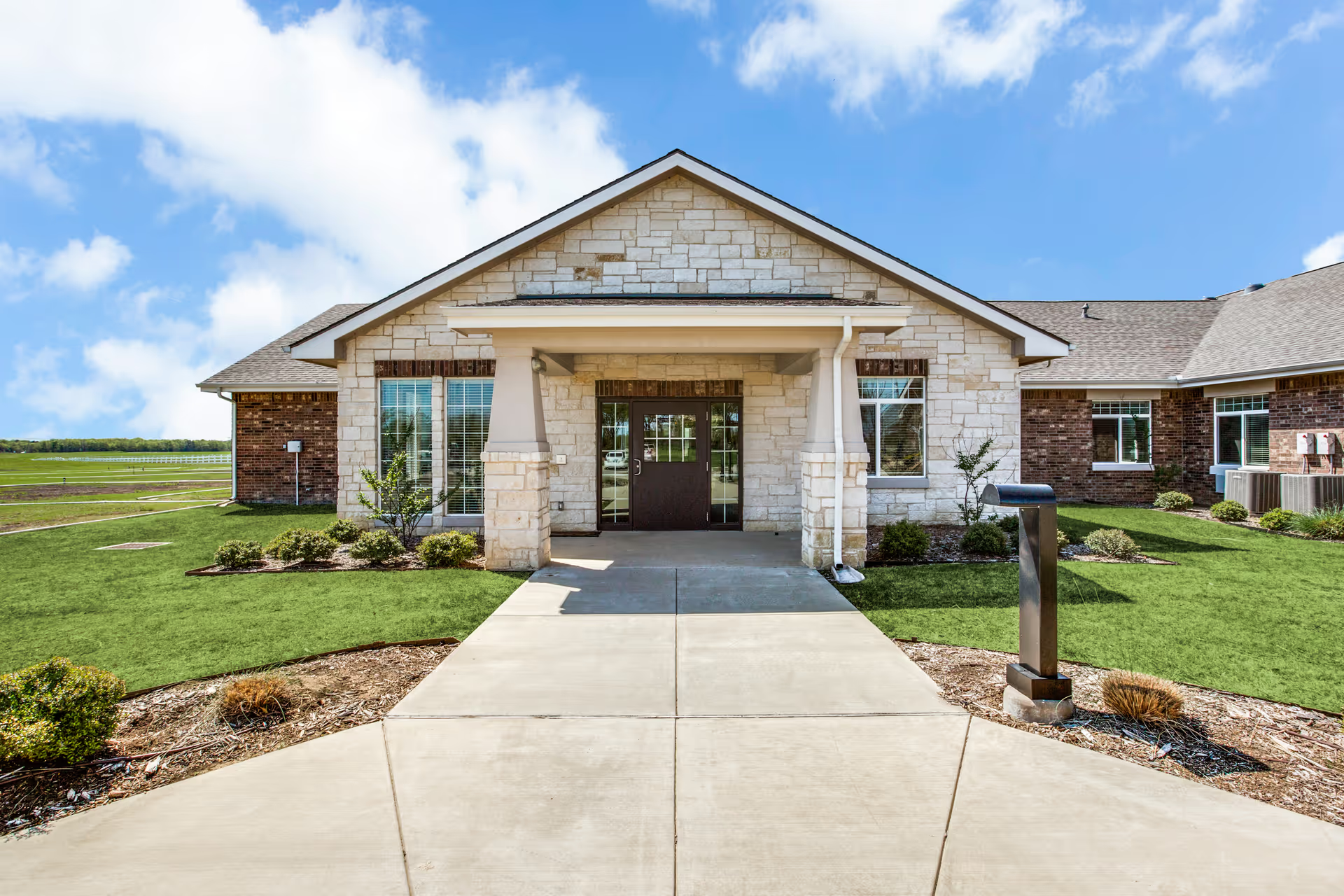
Overall impression Reviews portray A Compassionate Assisted Living as a small, home-like community with a strong emphasis on compassion and individualized attention. Families repeatedly describe staff as warm, engaged, and willing to go beyond expected duties; several comments highlight manager visibility and staff who know residents’ needs and personalities. The facility is characterized as clean and well-maintained, with inviting communal spaces and personalized resident rooms that contribute to a homelike atmosphere.
Care quality and staff Care delivery is framed as attentive and knowledgeable. Reviewers describe staff who understand cognitive impairment, provide one-on-one support, follow physician medication orders, and are prompt in recognizing acute changes in condition, including arranging hospital transfers when necessary. Positive notes include staff patience, clear communication with families, and examples of staff taking initiative to resolve issues. That said, there are recurring operational concerns about staffing levels: a limited number of caregivers per shift was mentioned, which reviewers linked to potential delays and variability in responsiveness and conduct. Prospective families should clarify current staffing ratios and contingency plans for peak needs.
Dining and activities The community offers regular on-site social programming (holiday celebrations, barbecues, movie nights, weekly pizza nights and similar gatherings) and opportunities for music, dancing, and group interaction. Religious programming (Bible study) appears prominent; however, some reviewers noted a lack of broader non-religious activity variety. Food quality and service receive mixed feedback: several reviewers praised cleanliness and specific meals, while others raised concerns about insufficient portions and limited menu variety. Those factors suggest asking for sample menus, portion guidelines, and how special diets or increased nutritional needs are handled.
Facilities, safety and management Physical facilities are described as clean and comfortable, with attention to safety measures and a general commitment to resident well-being. Positive remarks about sanitation and daily personal care are balanced by occasional mentions of odor or sanitation concerns in communal areas—indicating inconsistency rather than pervasive unsanitary conditions. Families praised the manager’s engagement and staff willingness to assist beyond routine duties; nonetheless, the operational limitations tied to staffing can affect perceived reliability. Reviewers also cited examples of rapid, compassionate end-of-life support in at least one instance, reflecting the staff’s capacity for short-term intensive care and family communication during those situations.
Notable patterns and recommendations for families The dominant patterns are strong interpersonal care, a homelike environment, and committed staff who frequently go above and beyond. Operational weaknesses center on staffing levels, meal quantity/variety, and limited non-religious activities; there are occasional sanitation/odor inconsistencies and variability in staff responsiveness. For prospective residents and families, recommended visitation and questions include confirming current staffing ratios and shift coverage, reviewing sample menus and portion policies, asking for an activities calendar that reflects varied offerings, inquiring about sanitation and infection-control procedures, and discussing emergency transfer protocols and communication practices. These checks will help align expectations with the facility’s strengths in personalized, compassionate care and identify whether operational limitations can be mitigated for an individual’s needs.