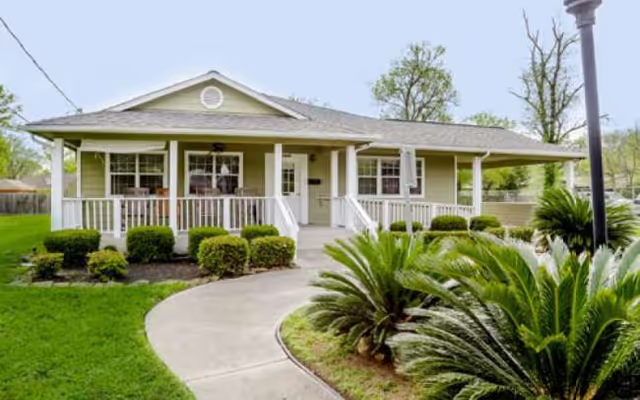
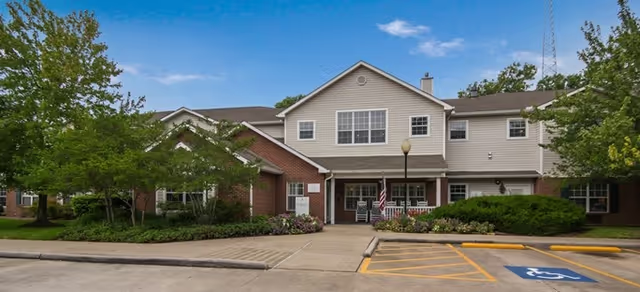
Overall impression: Tender Care Assisted Living 1 is consistently described as a small, clean, well-kept home with warm, attentive staff and an owner who is personable and involved. Many families characterized the environment as family-like and caring; residents were generally portrayed as comfortable and well cared for. Several accounts highlight responsiveness and flexibility from staff, and owners/staff are frequently described as accommodating and approachable.
Care and staff: Caregivers are repeatedly described as friendly, attentive, and joyful in their interactions. The owner-operated model appears to contribute to a hands-on management style and quick responsiveness to family needs. That said, there are consistent indications of low or inconsistent staffing levels; examples in reviews point to single-staff coverage at times and variability in caregiver presence. For prospective residents, this suggests confirming current staffing ratios and shift coverage during a visit. There are also indications that the home may have limited in-house resources or training specific to managing more complex dementia-related behaviors; families of residents with advanced cognitive impairment should inquire about behavioral-support protocols and staff training.
Dining and daily care routines: Reviewers did not focus on food quality in detail, and no systematic concerns about meals were raised. Multiple families expressed satisfaction with day-to-day responsiveness and basic care tasks. Nonetheless, because explicit comments about dining and therapeutic meal supports are sparse, visiting to observe meal service and dietary accommodations is advisable for those with specific nutritional or therapeutic needs.
Activities and social life: A recurring theme is that social programming is limited. The small, home-style setting is appreciated for its intimate feel, but several families noted insufficient organized activities and social interaction for residents. The facility’s scale appears to constrain the range and frequency of group programming; prospective residents who prioritize an active social calendar should ask for the activity schedule and observe engagement opportunities during a visit.
Management and admissions: The owner is frequently described as caring and involved, which families cited as a positive. Conversely, some families described aggressive or pressure-focused solicitation to schedule visits and expressed concerns about discrepancies in staffing information provided during outreach. Those discrepancies suggest asking direct questions about staffing levels, weekend coverage, and which staff credentials (CNA, LPN, RN) are on-site at different times.
Notable patterns and recommendations: Strengths are strongest in cleanliness, staff warmth, and a family-oriented environment that many families find good value for cost. Operational weaknesses to probe further include staffing consistency, dementia-behavior supports, and the breadth of activity programming. Recommended steps for an informed decision include a timed visit to observe staff-to-resident interactions, asking for current staffing rosters and typical shift coverage, reviewing training and behavioral-support protocols for dementia, and requesting an activity calendar. These checks will help determine whether the facility’s small, home-like benefits align with the prospective resident’s care and social needs.