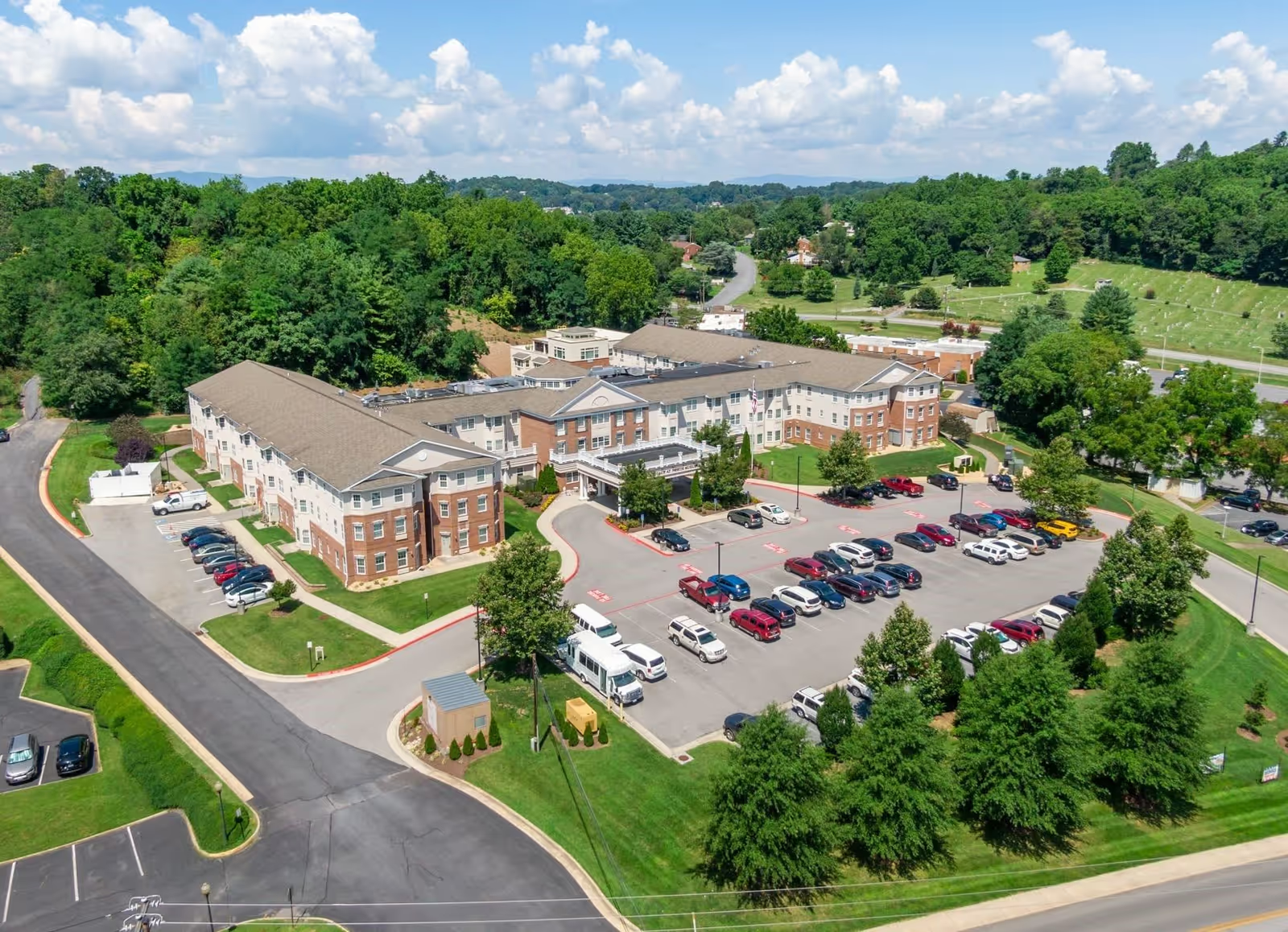
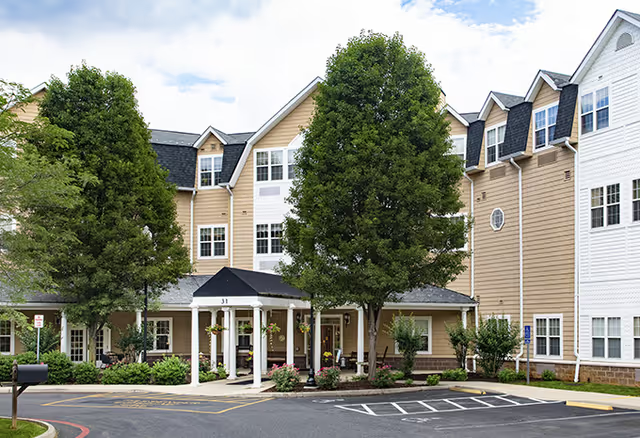
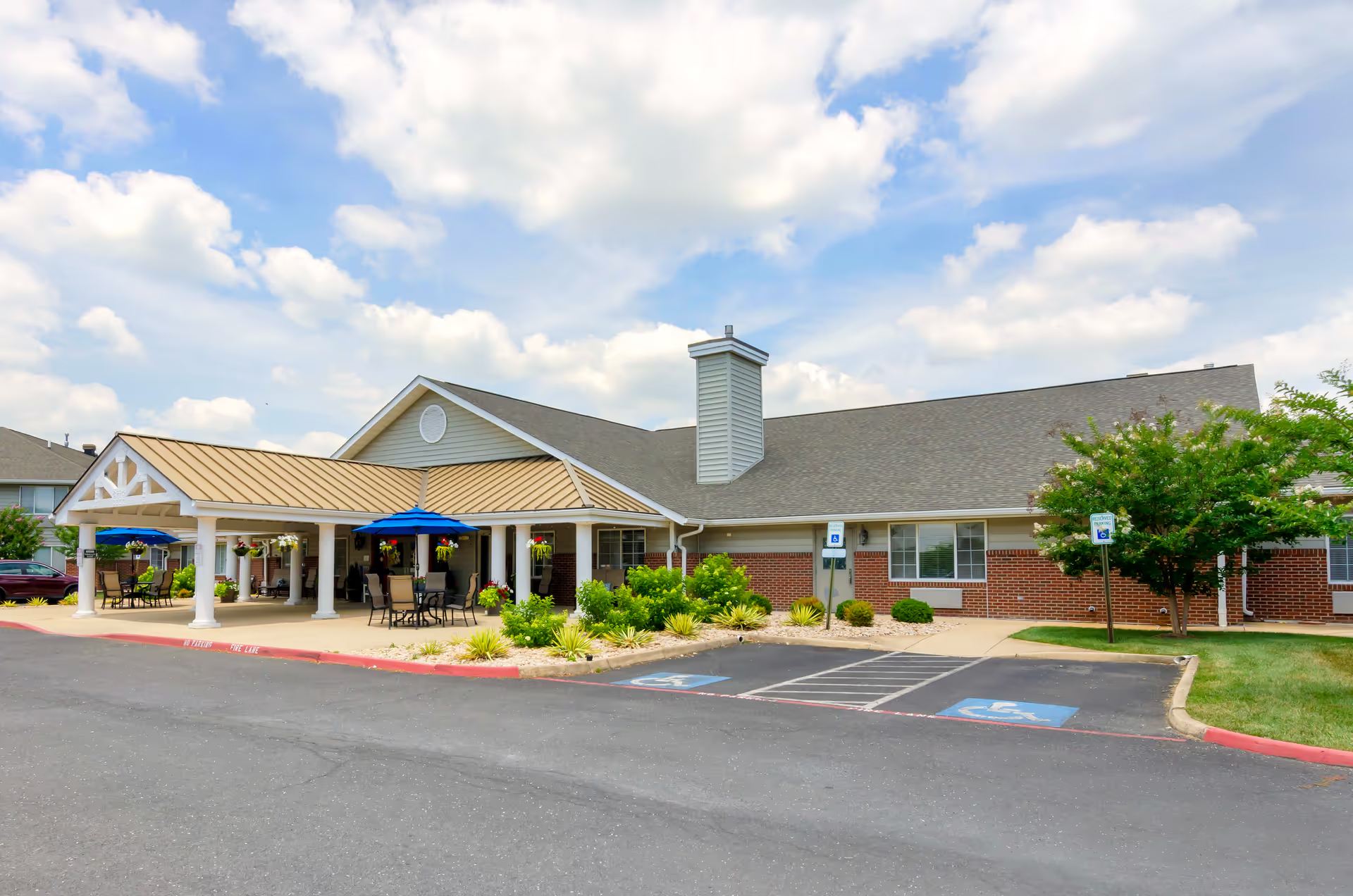
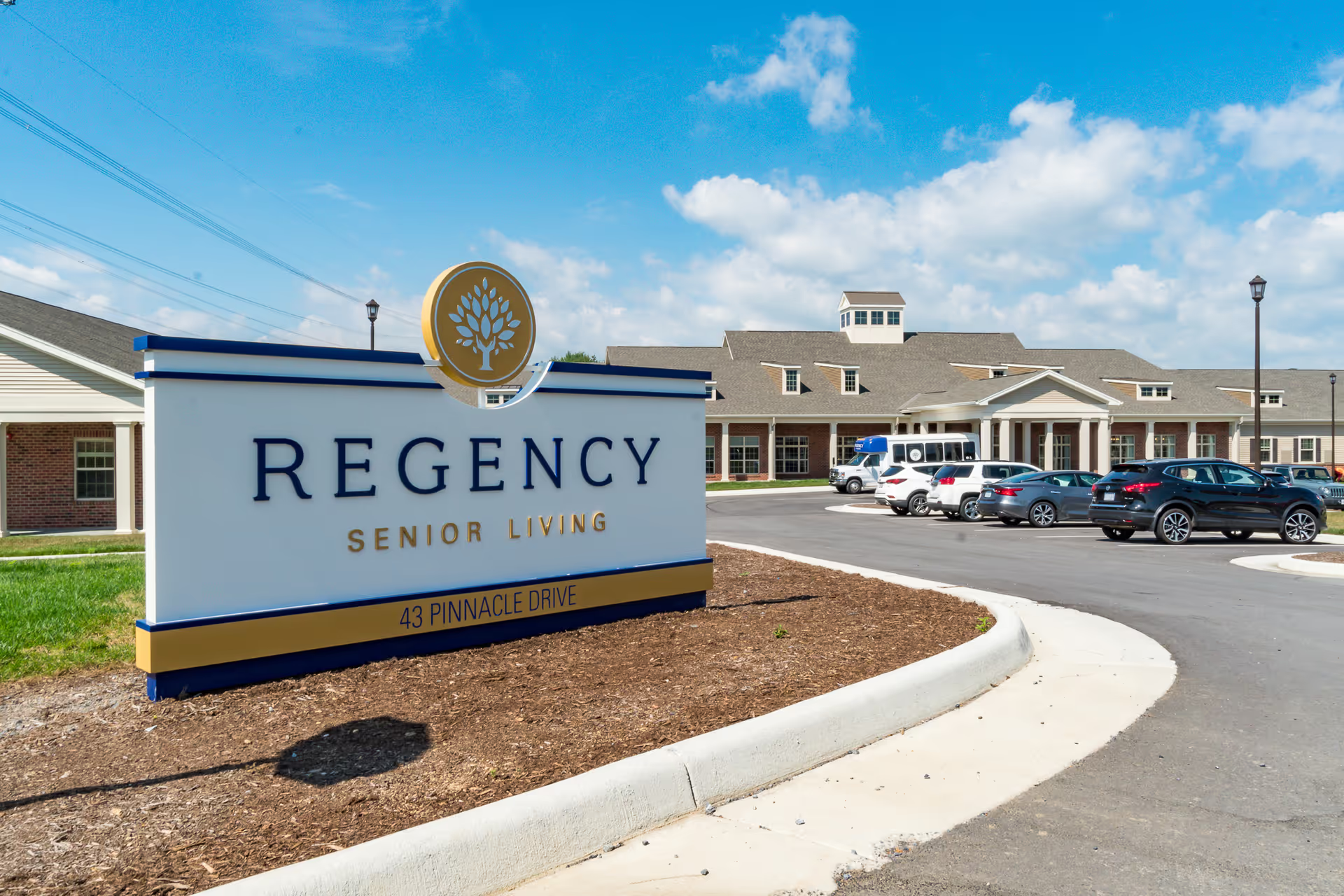
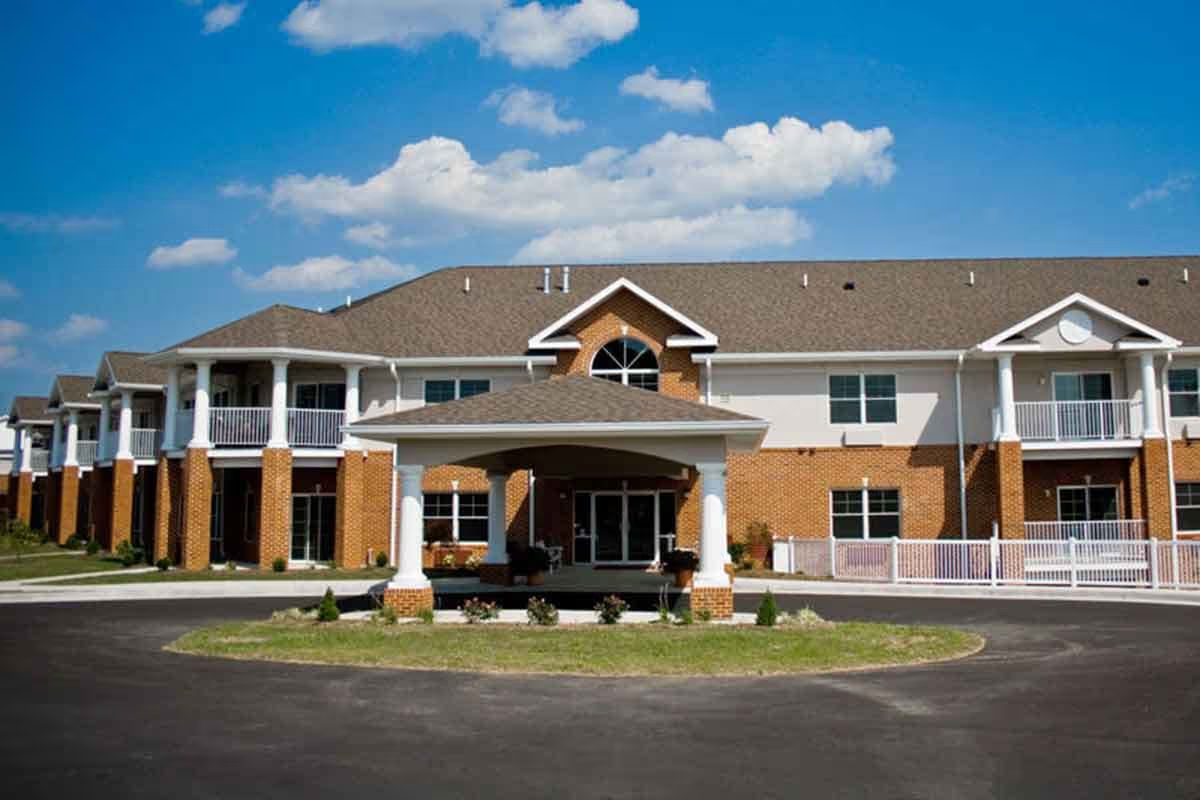
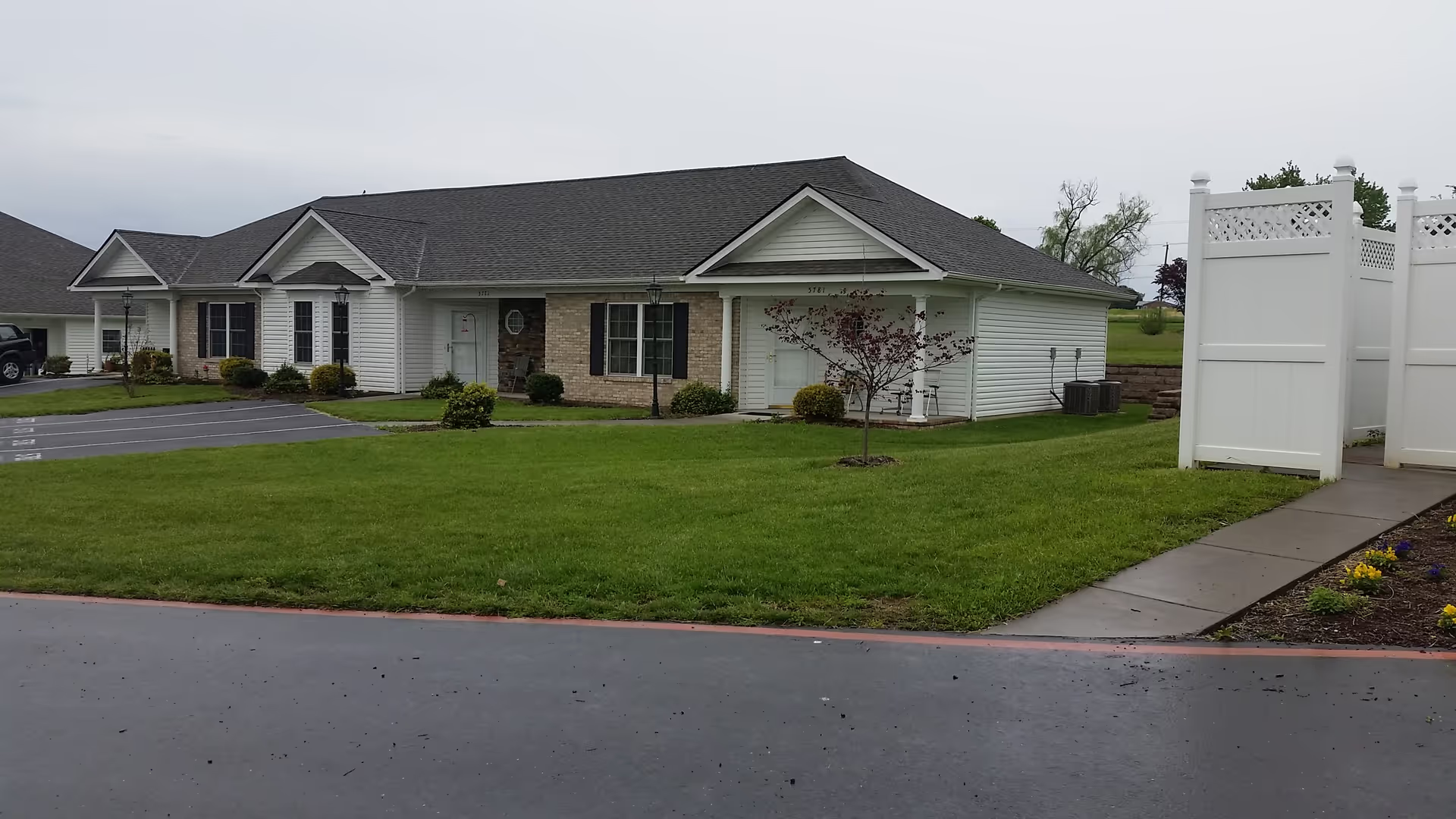
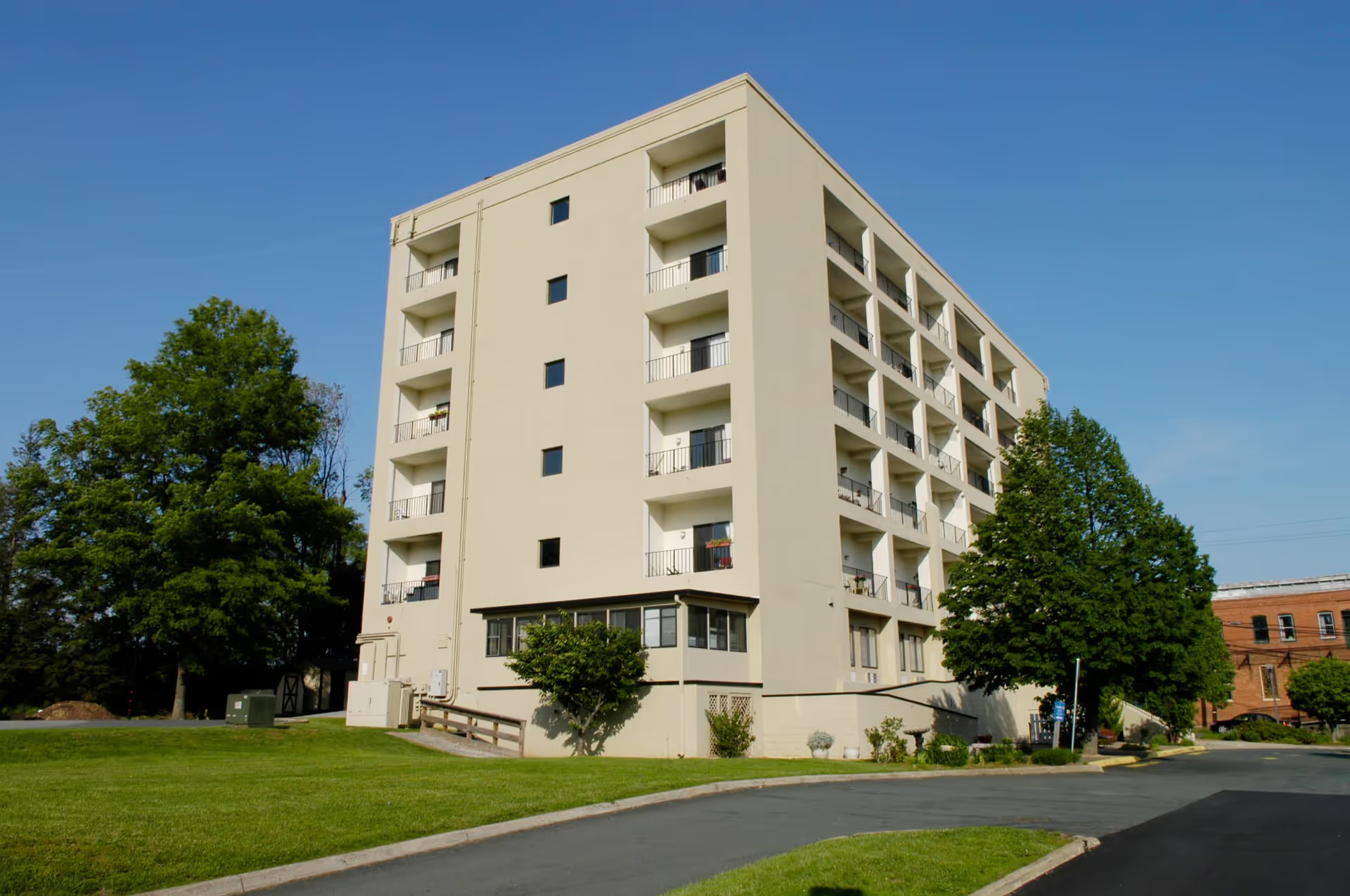
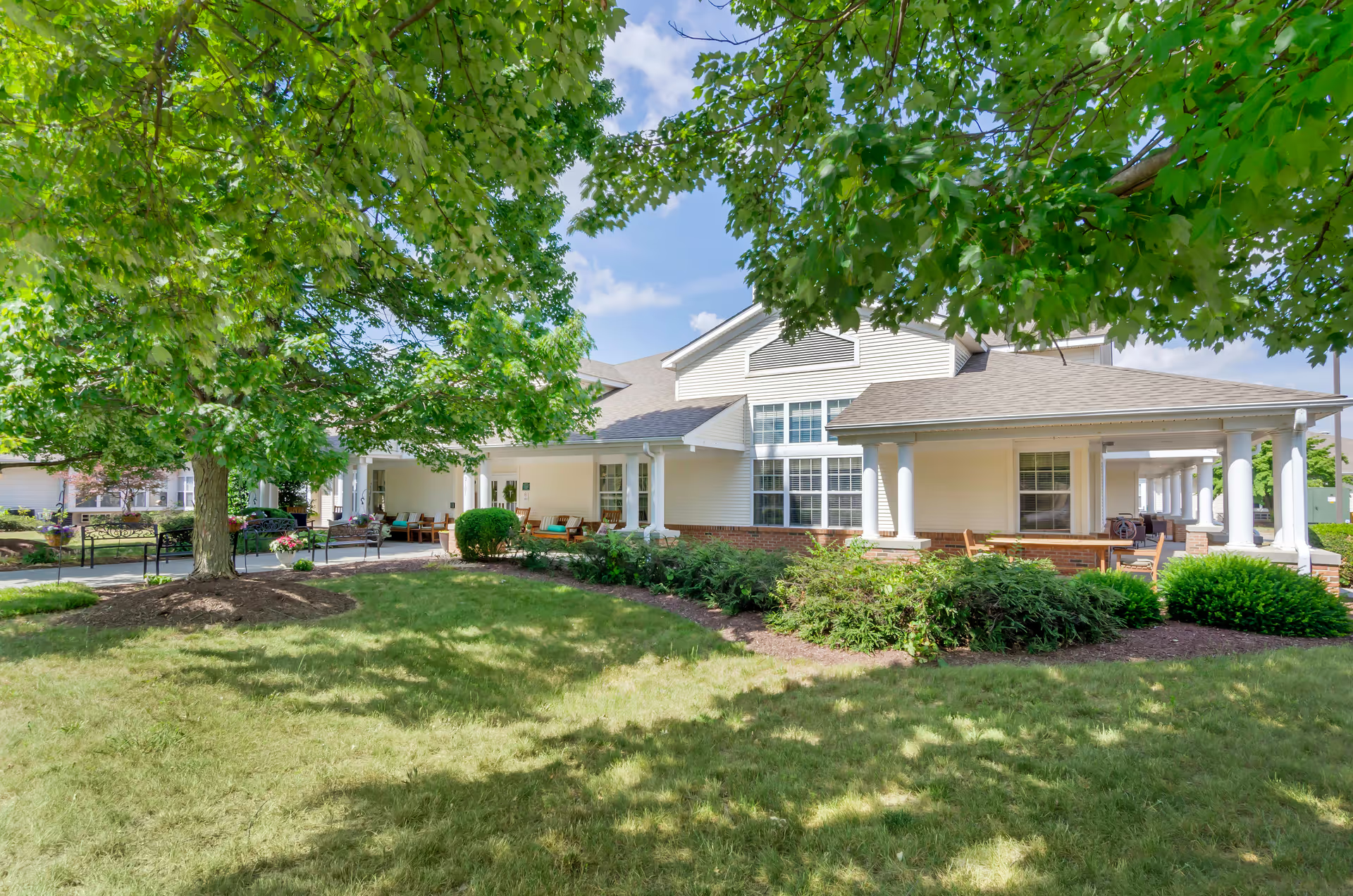
Gypsy Hill Place presents as an independent-living community in a reused historic building that attracts residents seeking social connection, affordability, and character. Positive comments center on the building’s bright apartments with high ceilings and attractive layouts (particularly front-facing units with views), well-kept grounds, an active small social center and gardening program, and a group of residents who are described as friendly. The property’s on-site dining and catering receive strong praise in many accounts, and the site is noted for good event/venue potential as well as bus service that stops at the door.
Care and staffing feedback is mixed. The community is apartments-only and does not offer assisted-living or higher-level clinical services; this makes it appropriate for people with independent-living needs but unsuitable for those who require regular personal care or clinical oversight. Several comments describe staff as attentive and willing to assist, while others note low staff visibility at times, an instance of unprofessional tour conduct, and an often-locked office. These observations point to variability in day-to-day staffing presence and communication practices rather than a single, uniform staffing model.
Dining is a relative strength for many residents: the culinary and catering staff receive specific praise for quality dishes and event service. At the same time, some reviewers perceive the meal program as not fully aligned with its price point, indicating variable satisfaction with value and menu consistency. Prospective residents should clarify what is included in meal plans and sample dining options during a visit.
Activities and social life revolve around the senior center, gardening, and community events. These offerings provide meaningful opportunities for socialization but appear limited in scope and frequency compared with larger campuses that provide a broader programmed calendar. The property’s event and catering capabilities are a plus for residents who value on-site gatherings.
Facility condition is a notable mixed area. Positive notes about cleanliness and exterior upkeep coexist with repeated observations of aging infrastructure: stair and railing concerns, windows that are sealed and cannot be opened in some units, small rear-facing apartments with less appealing views, and an interior in places described as dated. Unit size and in-unit laundry capacity are limitations for some residents; others value the historic character. These conditions imply ongoing maintenance needs and uneven renovation across the building, which has safety and comfort implications for prospective occupants.
Management and ownership are in transition following a sale to local owners about a year ago. Reviewers describe ongoing changes and some operational uncertainty. Given the mixture of praise and concern, potential residents and families should prioritize an in-person visit that includes inspecting specific units (window operability, laundry arrangements, closet and storage space), asking for current staffing levels and response protocols, clarifying what care and emergency supports are available, reviewing meal-plan details and sample menus, and inquiring about planned maintenance or renovation schedules. Overall, Gypsy Hill Place may be a good fit for independent seniors who prioritize community, affordability, and historic character; it is less appropriate for those needing assisted living or expecting consistently modernized, turnkey apartment conditions.