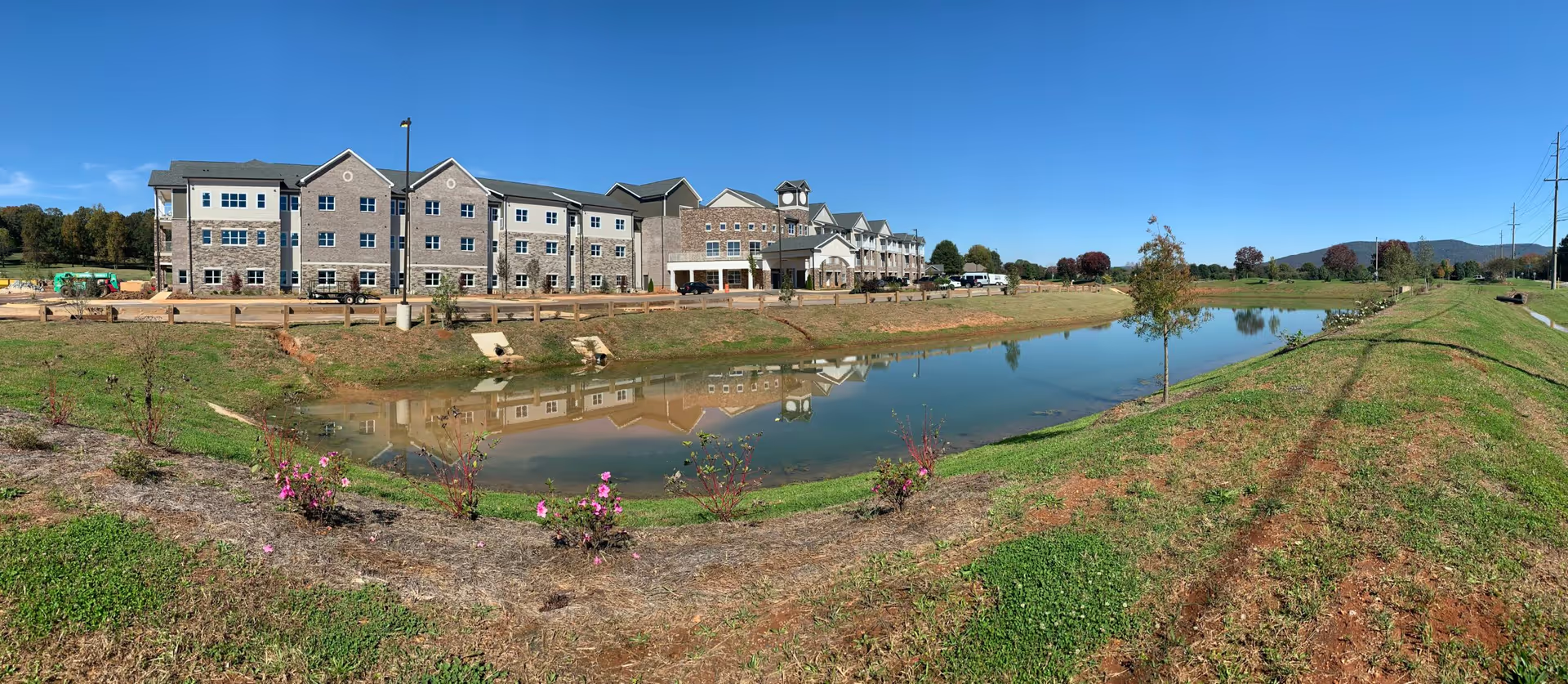
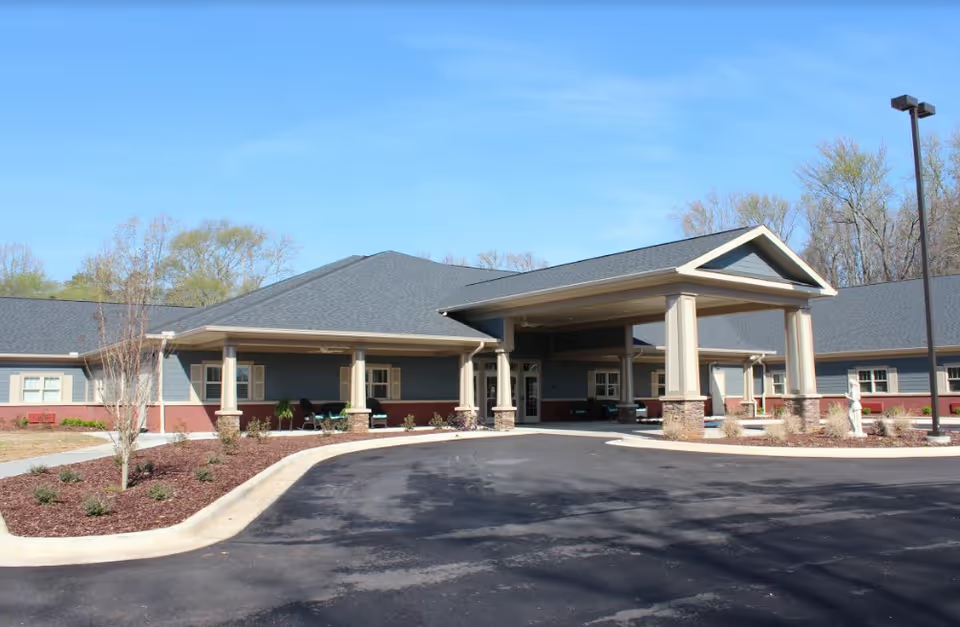
Presbyterian Apartments functions primarily as an independent-living community with a strong emphasis on social engagement and religious programming. Residents and families consistently describe a lively activity schedule that includes Bible study, regular church services, music and entertainment events, exercise programs, and use of common spaces such as an auditorium, library, and entertainment room. The building’s location near public transit and neighborhood shops, plus volunteer visitors and twice-monthly musical groups, contribute to an environment that supports socialization and community involvement.
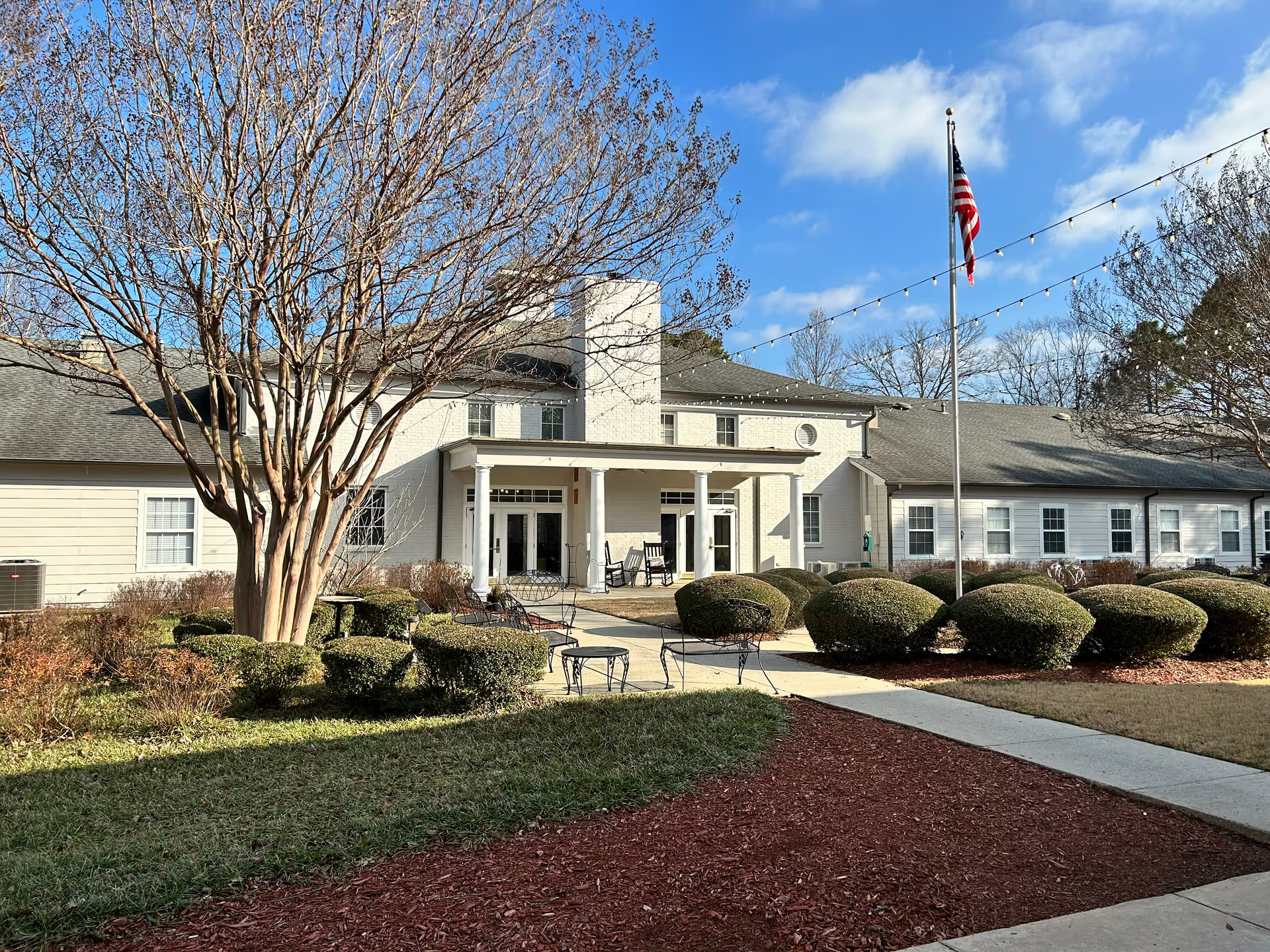
Staff interactions are described positively: caregivers are characterized as friendly, attentive, and accessible, with on-call coverage noted. The overall facility is described as clean and orderly, and many residents report improved wellbeing and successful social integration after moving in. Apartments are generally praised for being spacious and light-filled, often with kitchenettes and storage that support independent living. Shared outdoor areas and a well-kept courtyard/garden are recurring highlights and add to the property’s appeal.
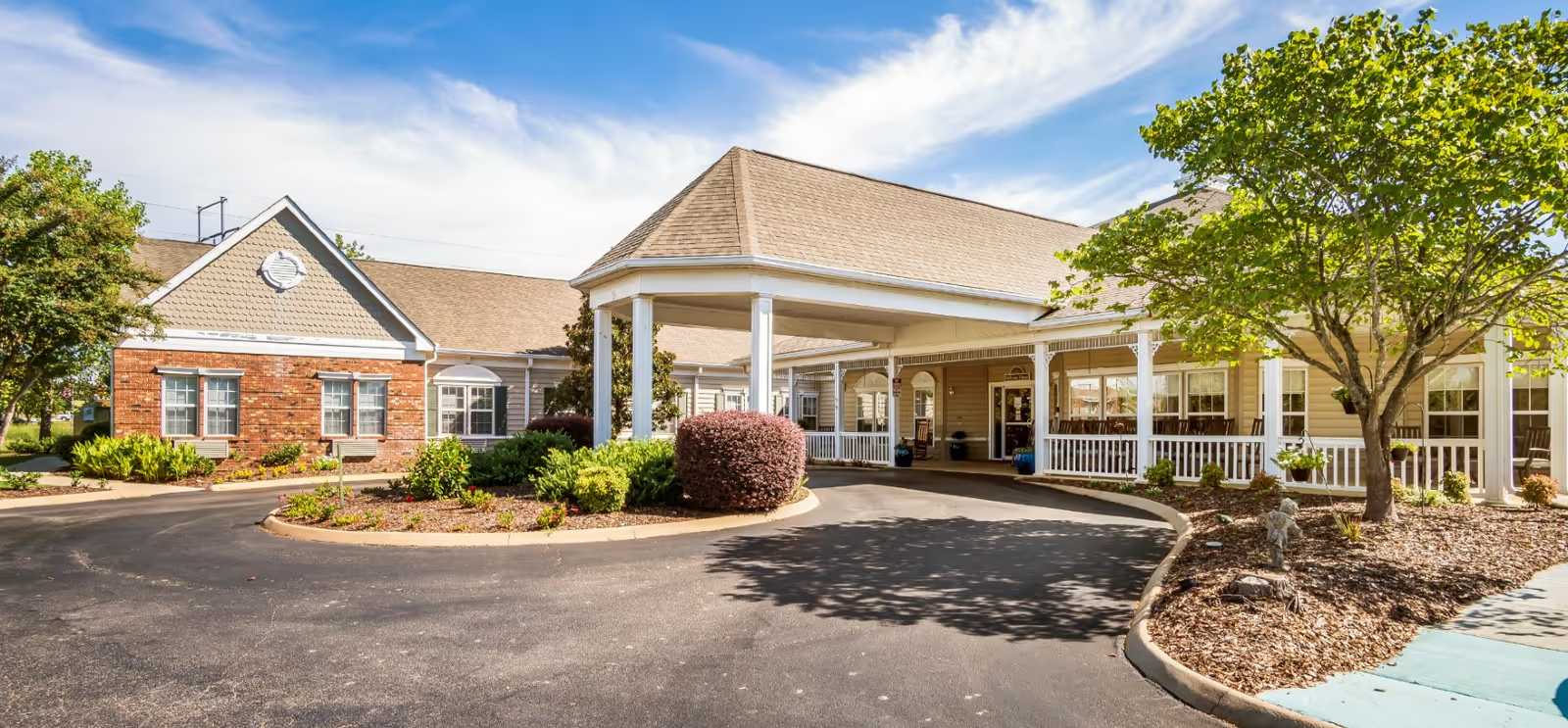
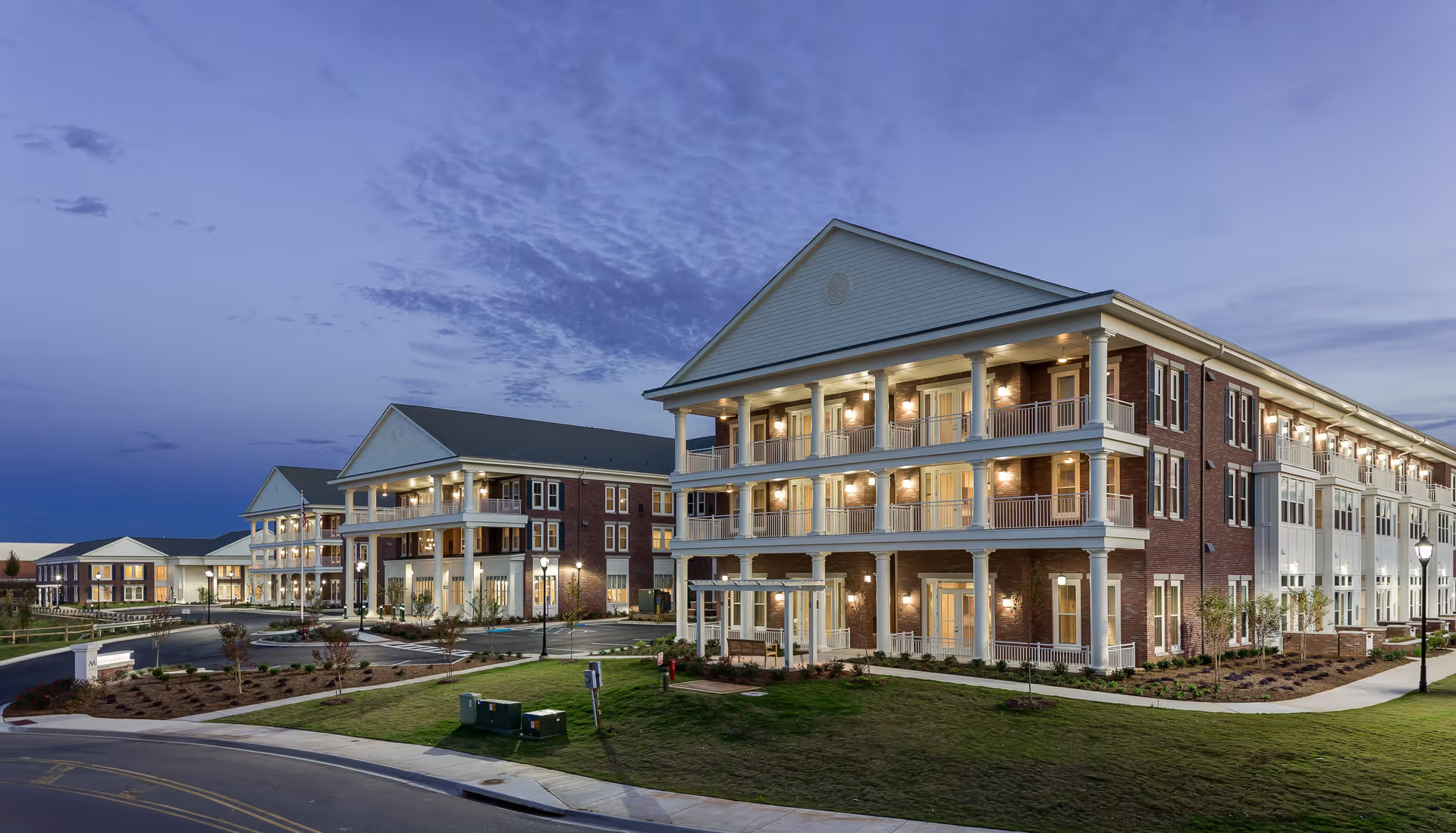
At the same time, reviewers identify several operational and physical limitations prospective residents should consider. The property’s units and common areas show signs of aging and would benefit from cosmetic updates; some reviewers noted a mismatch between marketing photos and current unit condition. The community is expressly configured for independent living and does not provide regular meal service or on-site clinical care, which makes it a less suitable choice for individuals who need daily assistance or medical supervision. Additionally, the building’s high‑rise layout raises accessibility and evacuation concerns for residents with significant mobility limitations.
In summary, Presbyterian Apartments appears well-suited to older adults seeking an active, faith-oriented independent-living setting with friendly staff, plentiful activities, and roomy apartments. It is less appropriate for people requiring assisted living services or extensive in‑unit care. Prospective residents and families should verify the current condition of specific units against marketing materials, confirm the availability of any required support services, and assess mobility/evacuation needs relative to the building’s high-rise design.