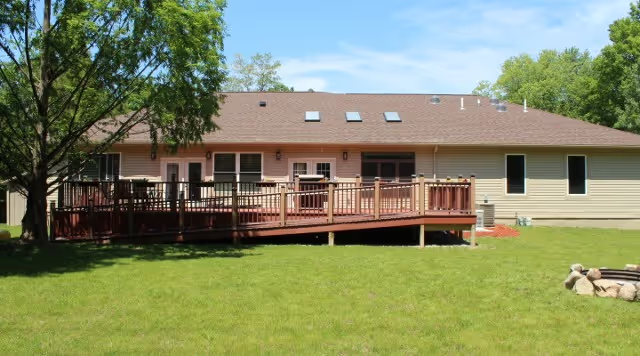
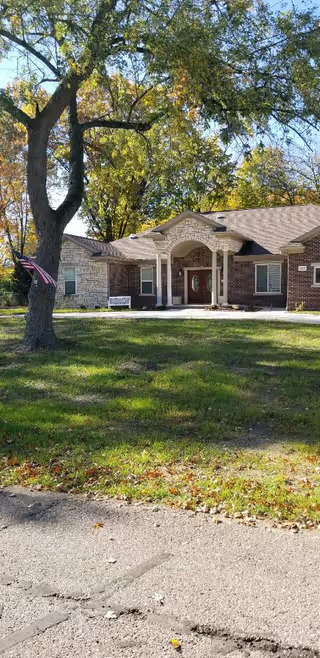
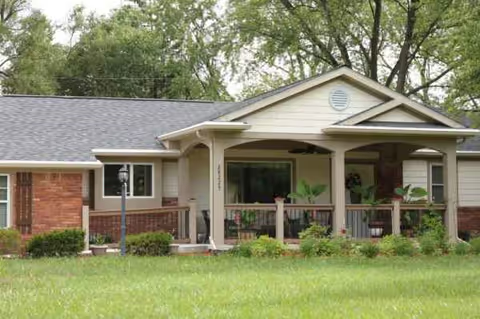
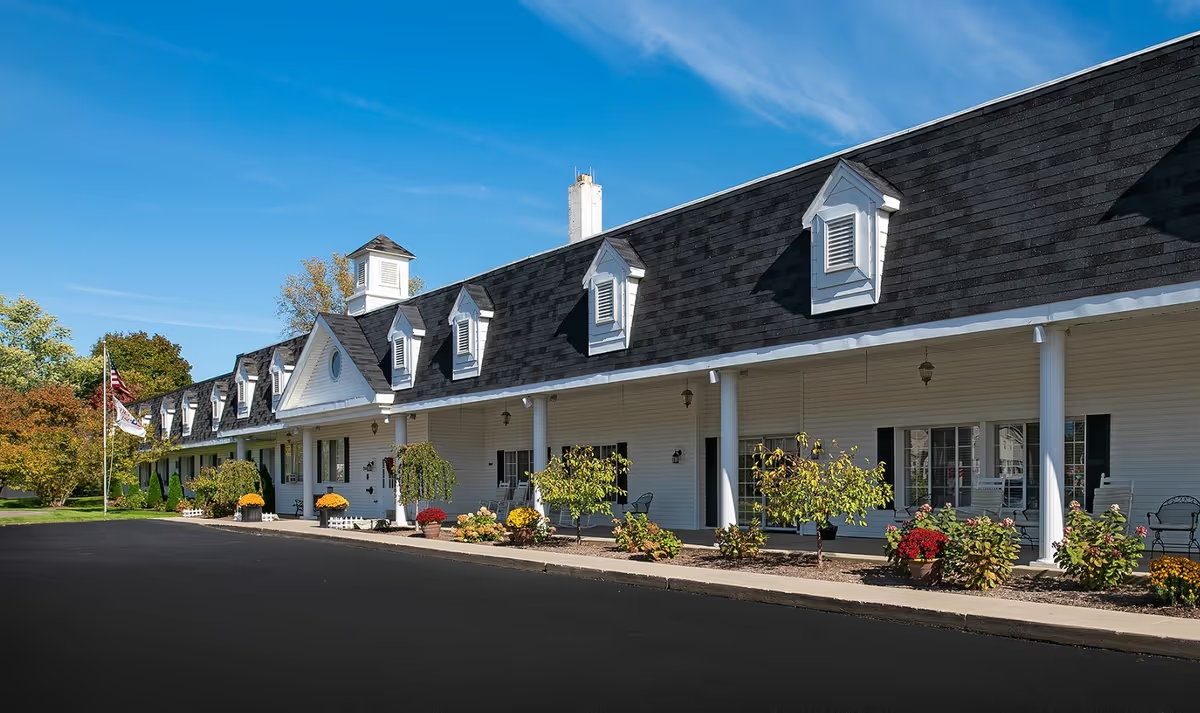
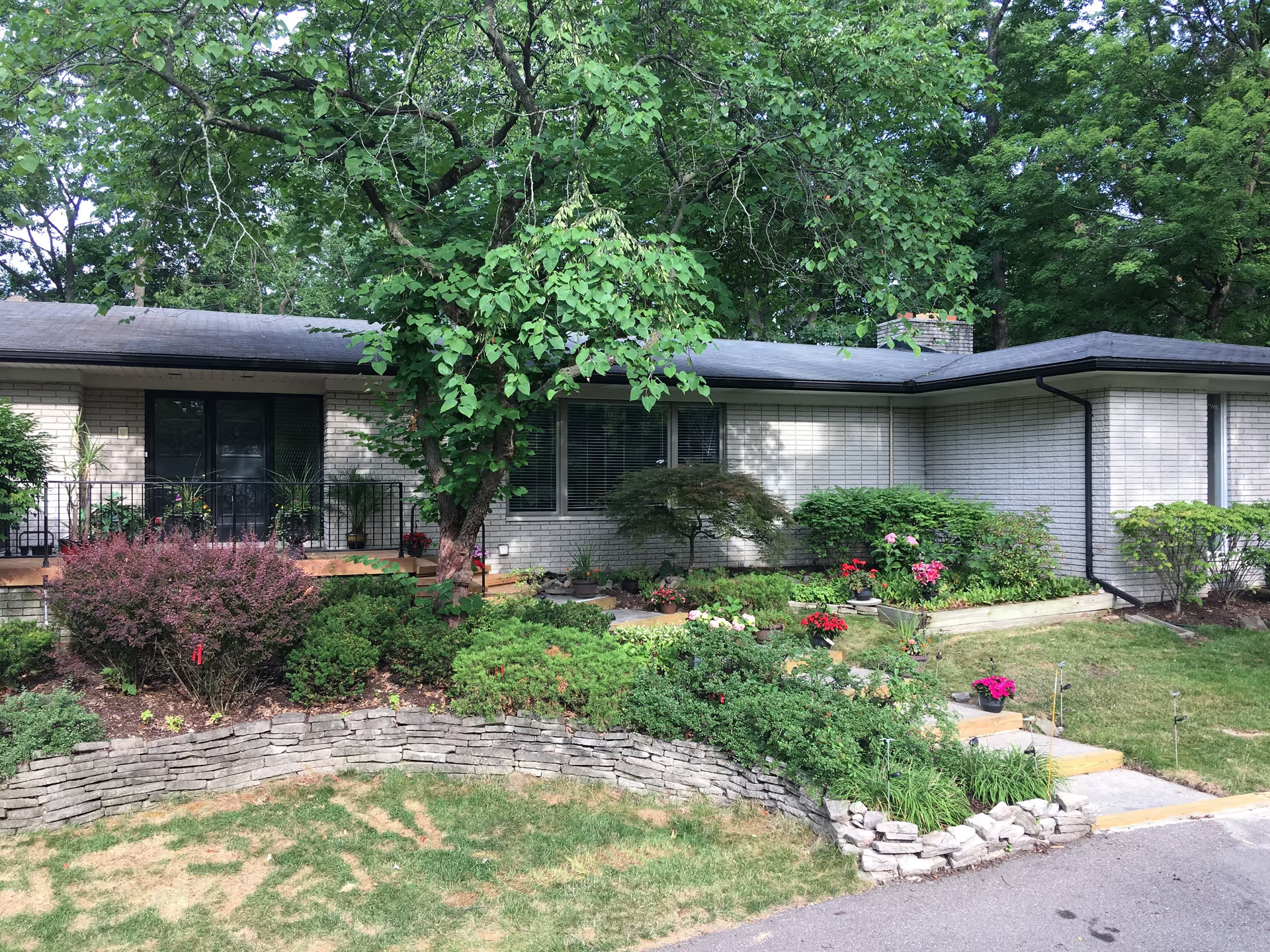
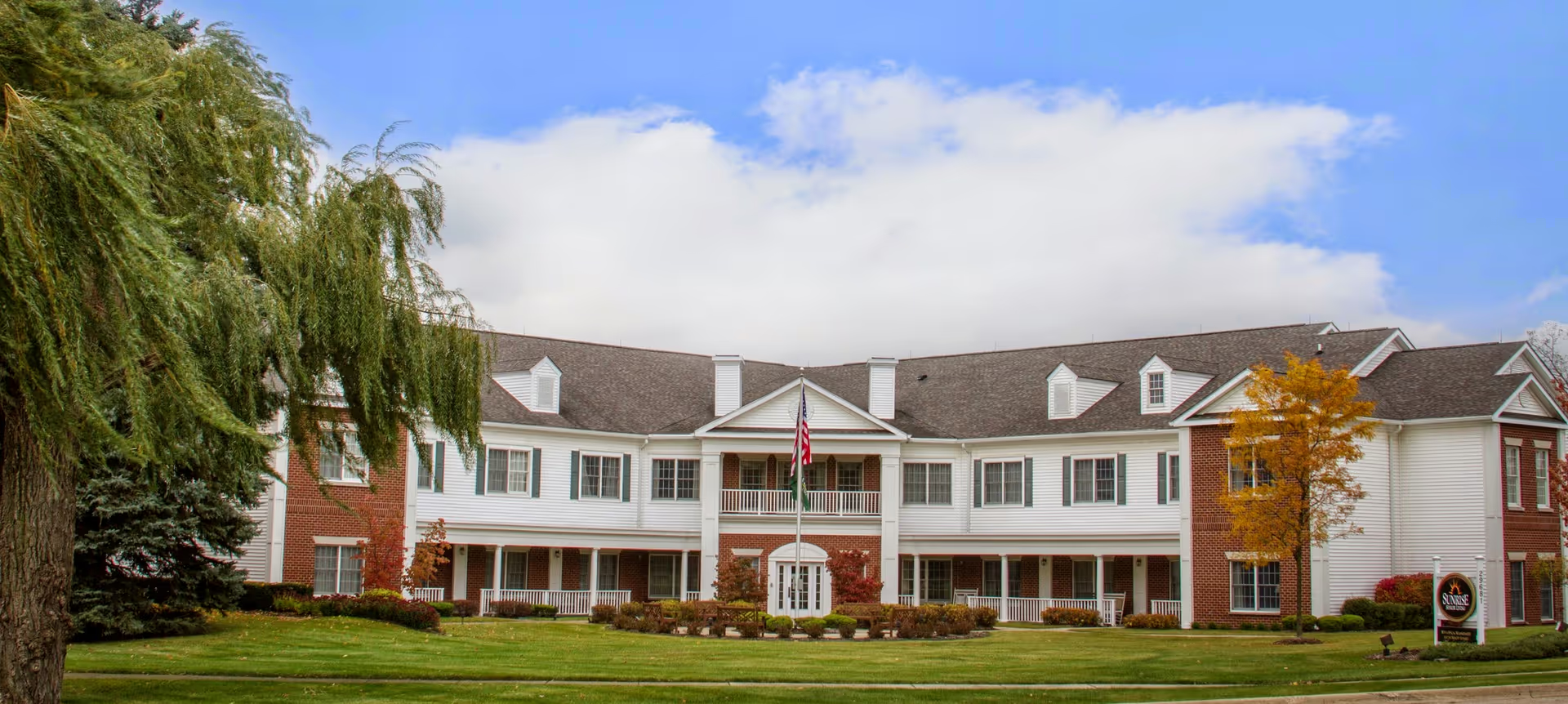
Park House Southfield II elicits a mixed set of impressions: many reviewers praise the community’s people‑focused qualities and physical environment, while others describe operational weaknesses that affect day‑to‑day reliability. The facility is frequently described as having spacious, updated apartments, pleasant grounds and an attractive setting. Admissions and tours — often noted as thorough and low‑pressure — are cited as a strong point, and families commonly highlight the welcoming atmosphere and personable staff interactions.
Care quality appears suited primarily to independent or lightly assisted seniors. Several reviewers described the community as appropriate for residents who value independence and social programming but not for those requiring more intensive clinical oversight or memory care. Accounts indicate that clinical supports can be limited to medication reminders and routine assistance rather than higher‑acuity nursing care; reviewers seeking assistance for cognitive decline or significant help with activities of daily living expressed concerns about adequacy of care.
Staff behavior and responsiveness are a prominent, mixed theme. Many reviews describe compassionate, patient, and professional staff — with specific praise for admissions personnel and certain long‑standing caregivers. At the same time, others noted delays in responsiveness, inconsistent follow‑through, and concerns about accountability. Reviewers also identified coordination issues among administration, the medical team and support departments that can complicate care delivery and service scheduling.
Dining and food service show variability. Some residents enjoy the meals and the dining‑room experience, while others reported inconsistent menu availability, unappetizing selections at times, missing components, and limited meal‑plan choices that can feel costly or inflexible. Prospective residents should clarify current meal‑plan options, pricing, and whether alternative selections are offered.
Activities and community life are frequently mentioned as strengths. The community offers a varied activities calendar, social events, and transportation to outings — elements that reviewers found helpful for social engagement and a smooth transition from home living. These offerings are a clear draw for independent seniors looking for an active lifestyle.
Facility condition and maintenance show uneven performance. Positive comments reference well‑kept common areas and effective maintenance staff for some repairs. However, others described slow responses to repair requests, unresolved issues (including exterior patio deterioration and interior drywall concerns), intermittent elevator problems, and pest‑control gaps. These items suggest variability in housekeeping, preventive maintenance, and facilities management.
Management and operational oversight are areas of concern for some reviewers. Examples include inconsistent record‑keeping, misbooked or double‑booked services, fee or package billing that felt obligatory, and the effects of ownership transition on service levels. These themes point to systemic process and communication shortcomings rather than single isolated incidents.
Notable pattern: experiences are polarized. Some residents and families describe a highly satisfactory environment with attentive staff, good activities, and comfortable apartments; others describe operational decline, cleanliness and maintenance shortcomings, and insufficient clinical support for more dependent residents. Prospective residents and families would benefit from targeted due diligence: verify current staffing and clinical capabilities, review sample meal plans and contract terms, inspect units and common areas for maintenance and pest‑control status, and ask for written turnaround times for maintenance and housekeeping requests. This will help determine whether the community’s strengths align with an individual’s care needs and expectations.