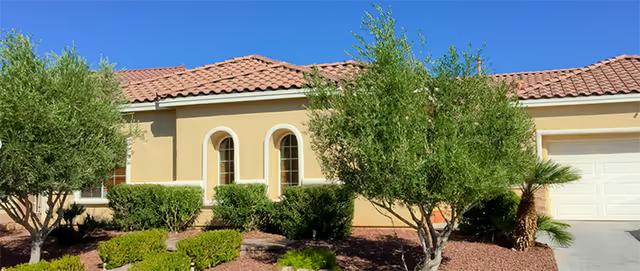
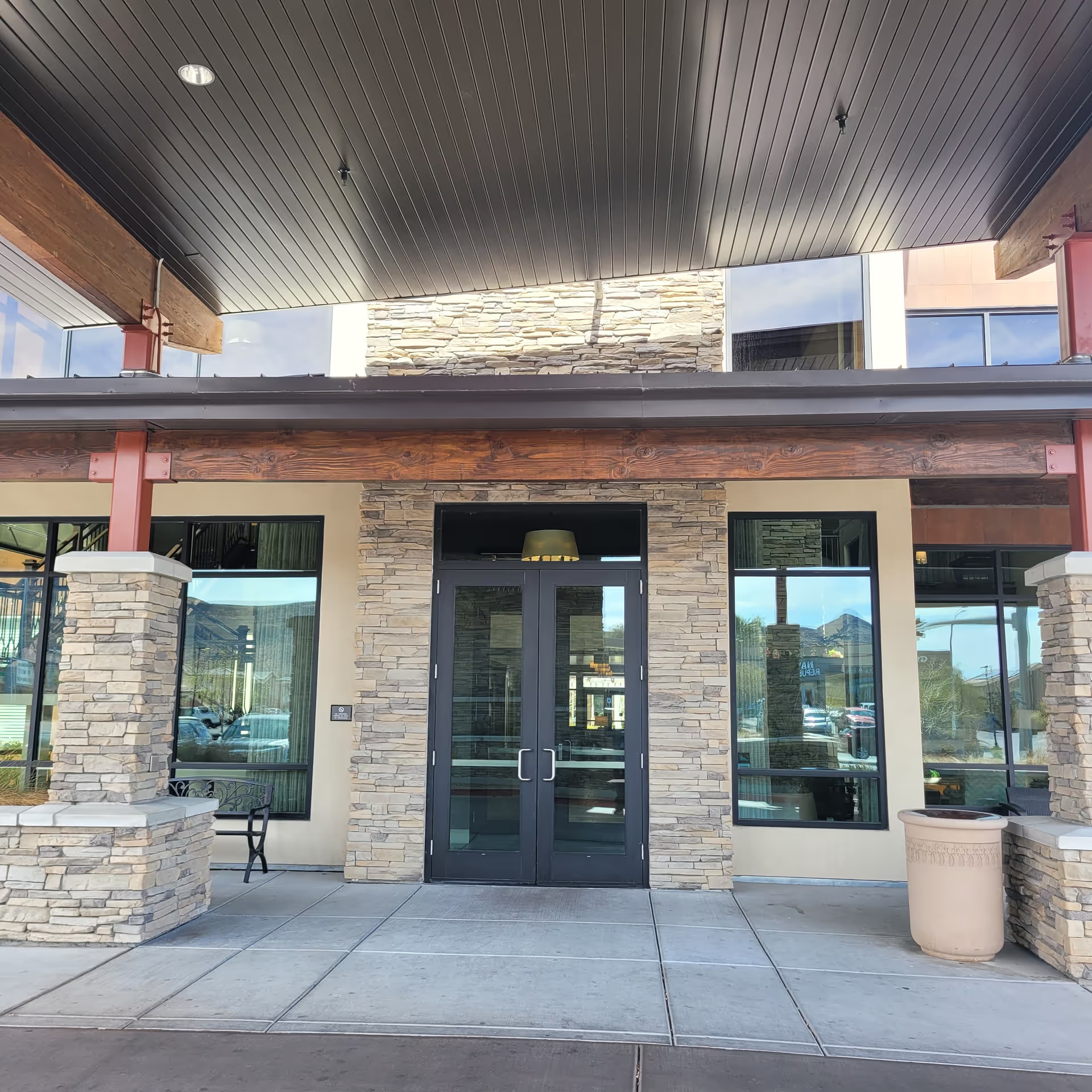
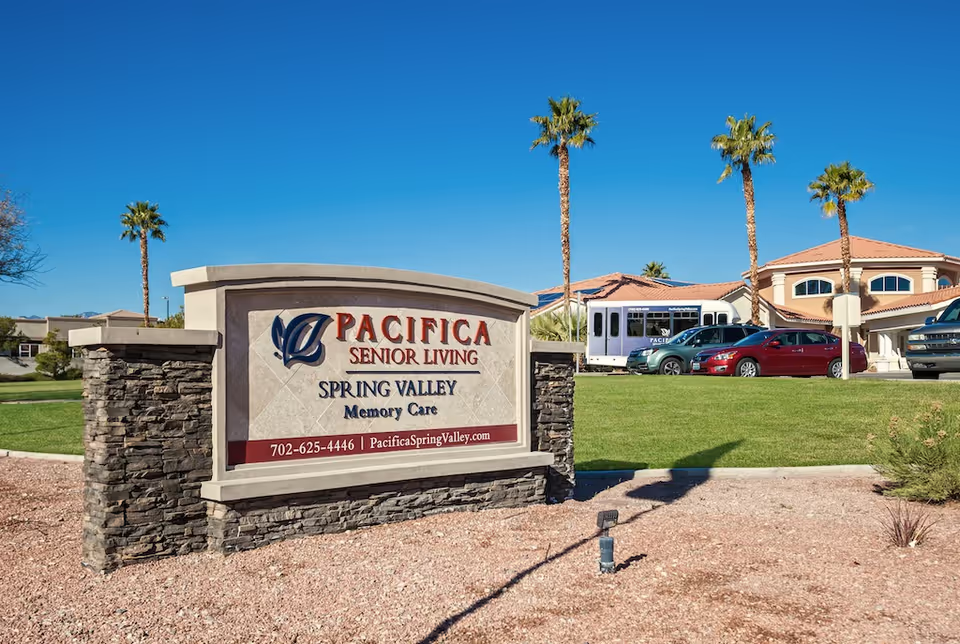
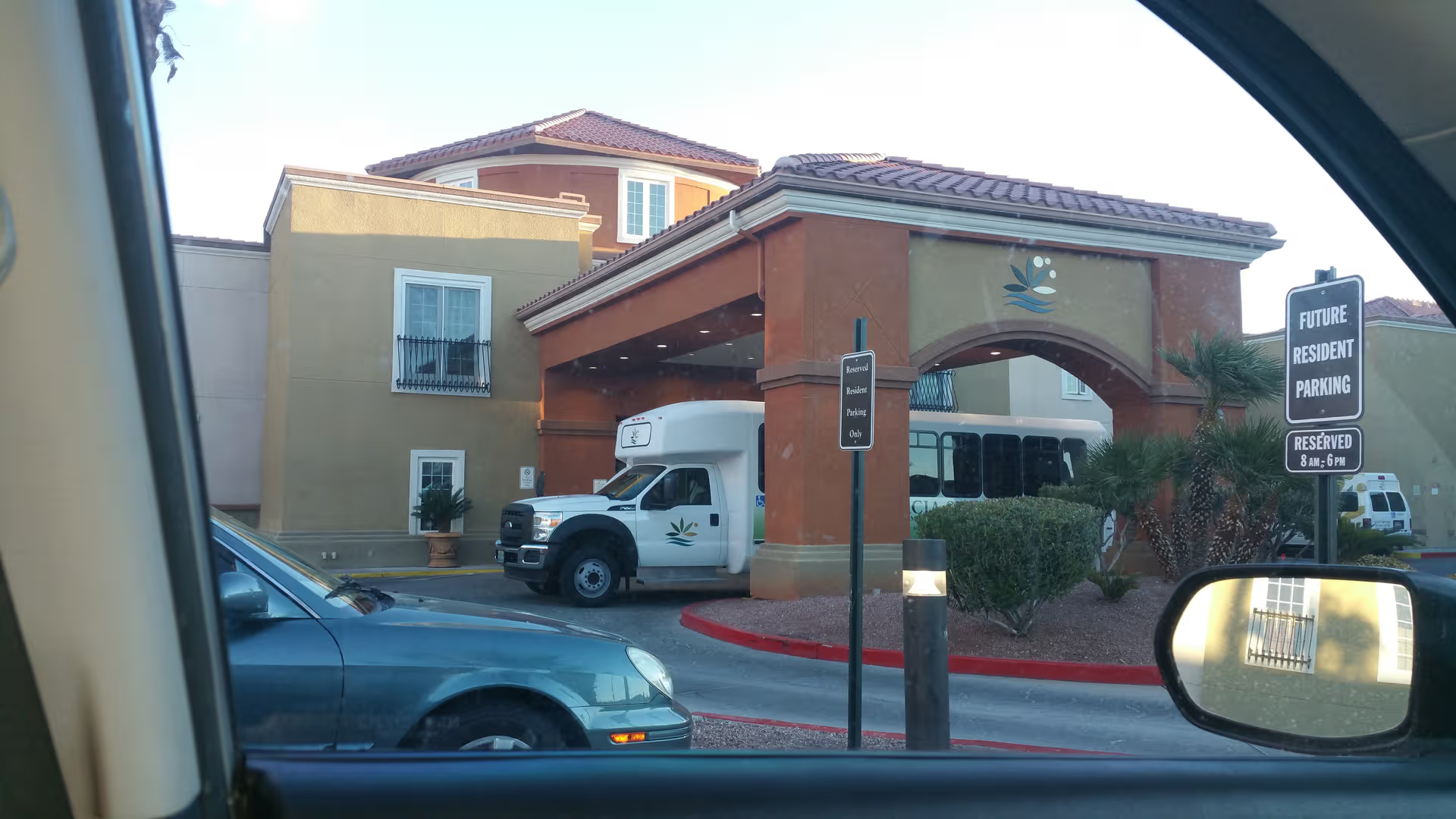
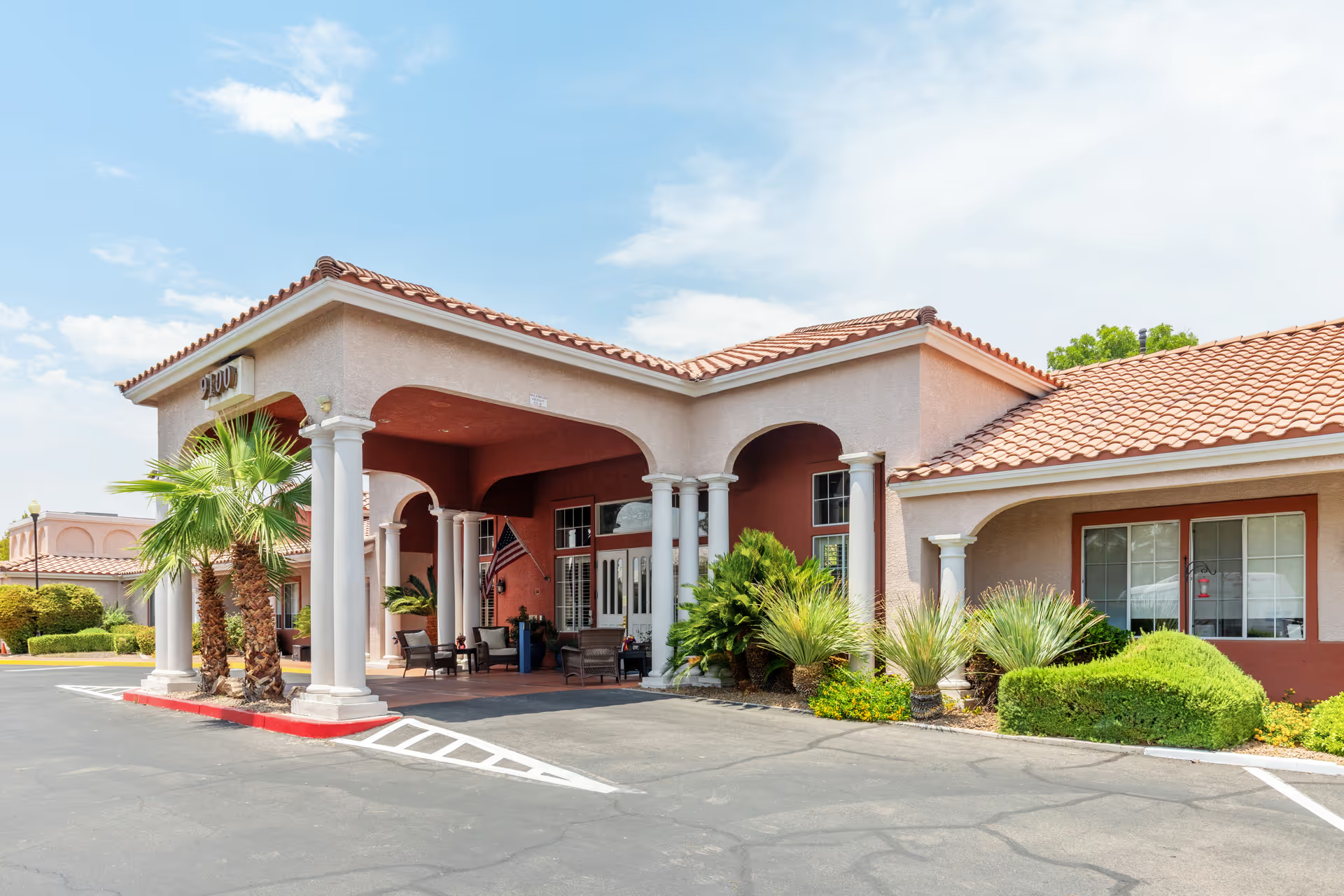
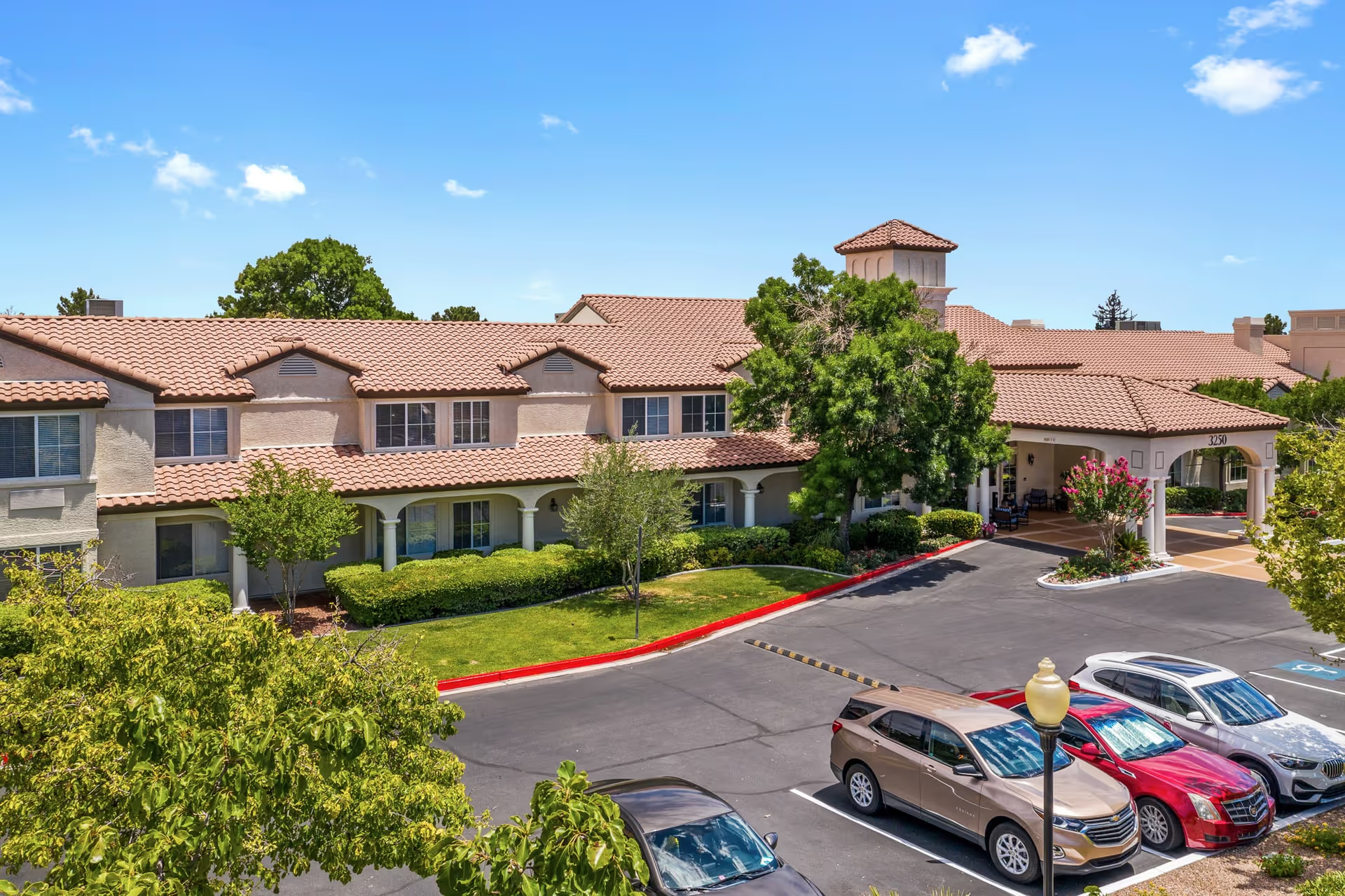
This community presents a largely active, social environment with strengths in resident engagement and basic independent-living supports. Residents and families describe a warm, welcoming culture with frequent activities and multiple resident clubs; social opportunities and neighbor-to-neighbor interactions are consistently highlighted. The community offers a range of amenities — gym, library, game room, community room, and a daytime pool — and newer units include in-unit washer/dryer and full kitchens. External clinical supports such as in-home nursing visits and in-apartment physical therapy are available through outside providers, but the campus does not provide on-site skilled nursing or regular prepared meals.
Staffing and day-to-day assistance elicit mixed but generally positive impressions. Many accounts emphasize courteous, knowledgeable, and accommodating staff and an engaged resident coordinator who facilitates social programming and move-in logistics. There are also reports of helpful maintenance responses and one-time concessions (for example, a complimentary visit room) that eased transitions. At the same time, there are recurrent notes about inconsistent maintenance responsiveness and periods when staff were less available after hours, which can affect perceived reliability for time-sensitive issues.
Operationally, the facility shows several recurring weaknesses that prospective residents should weigh. Accessibility for residents with mobility limitations is uneven: the pool lacks a functioning chair lift, pool ramps require manual transfer and are difficult to exit, some lockers are out of reach from wheelchairs, and older-building elevators have had reliability problems. Dining options are limited — the community relies on potlucks and resident-organized meals rather than a regular on-site meal service — which may be appropriate for independent residents but is a constraint for those seeking meal provisioning. Trash-disposal rules and limited pickup logistics have been called cumbersome. Additionally, there are instances indicating gaps in move-in coordination and access-control procedures; these suggest a need to confirm unit assignments and emergency-access processes during touring and contracting.
Programming and amenities are generally a strength but not without caveats. Activity frequency is high (several times per week, often six days), and many residents find the schedule and social opportunities beneficial, including specific therapeutic benefits mentioned for conditions such as Parkinson’s when coupled with external therapy. Some events are scheduled at times that do not suit all residents, and a portion of social programming revolves around alcohol, which may not align with every household’s preferences. Pool hours are daytime-only and the absence of a Jacuzzi, combined with equipment and access limitations, has led some residents to question value relative to monthly cost, especially for larger units priced above market expectations.
In summary, the facility offers a socially active, secure independent-living environment with attractive amenities and generally helpful staff, making it a good fit for independent seniors who prioritize community life and available external clinical services. Prospective residents with mobility impairments, those requiring regular meal services or on-site skilled care, and those who need highly reliable after-hours support should evaluate accessibility features, maintenance responsiveness, and emergency-access procedures in person and discuss expectations with management before deciding.