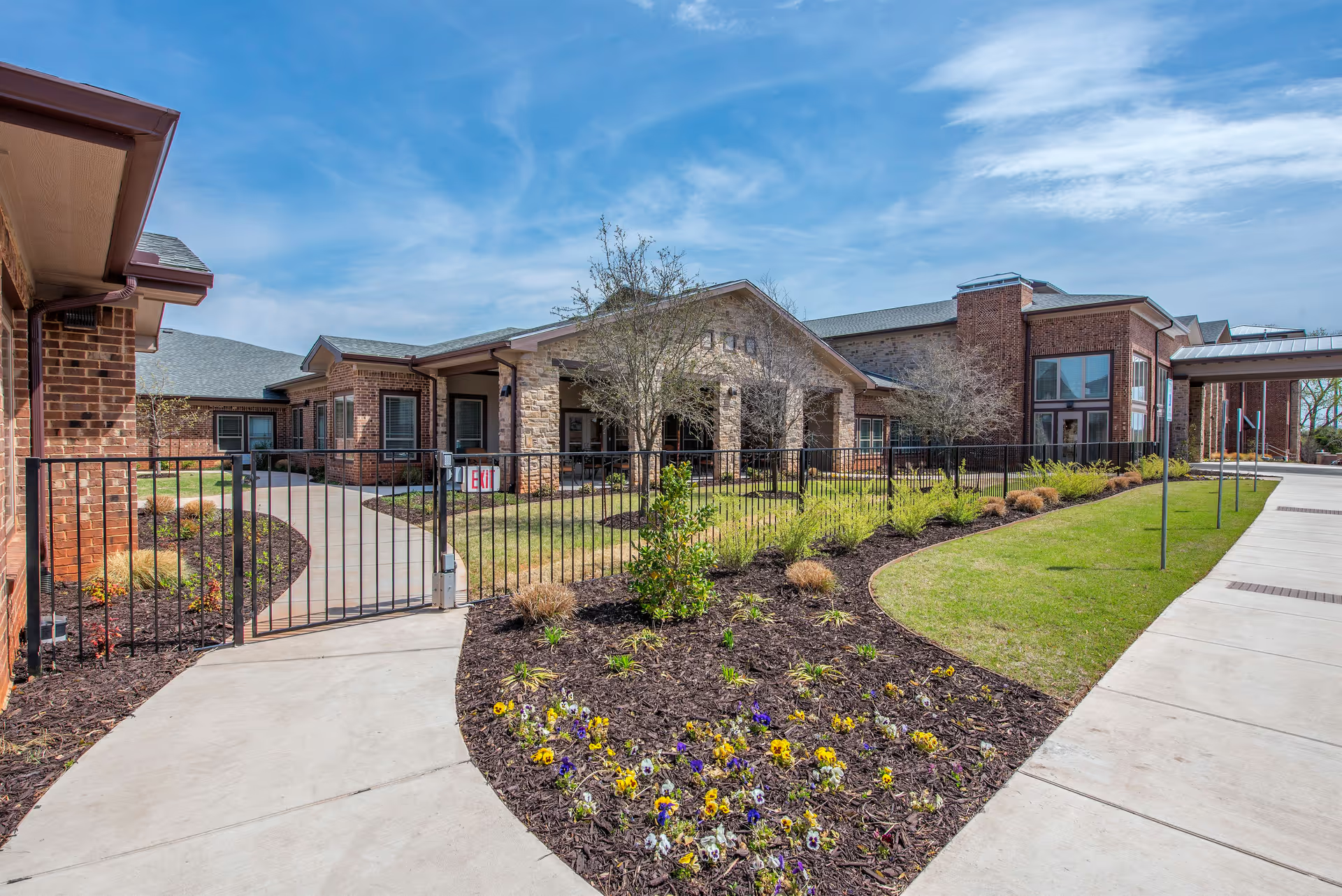
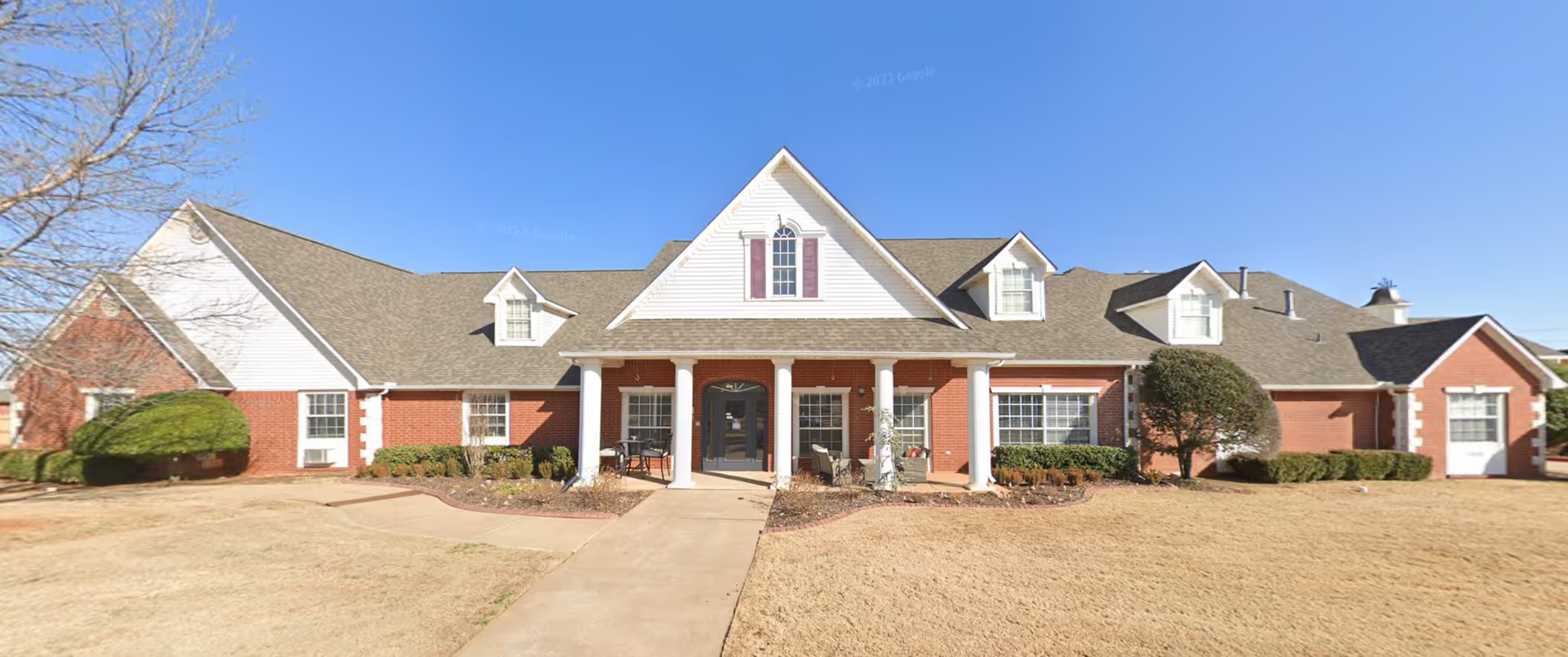
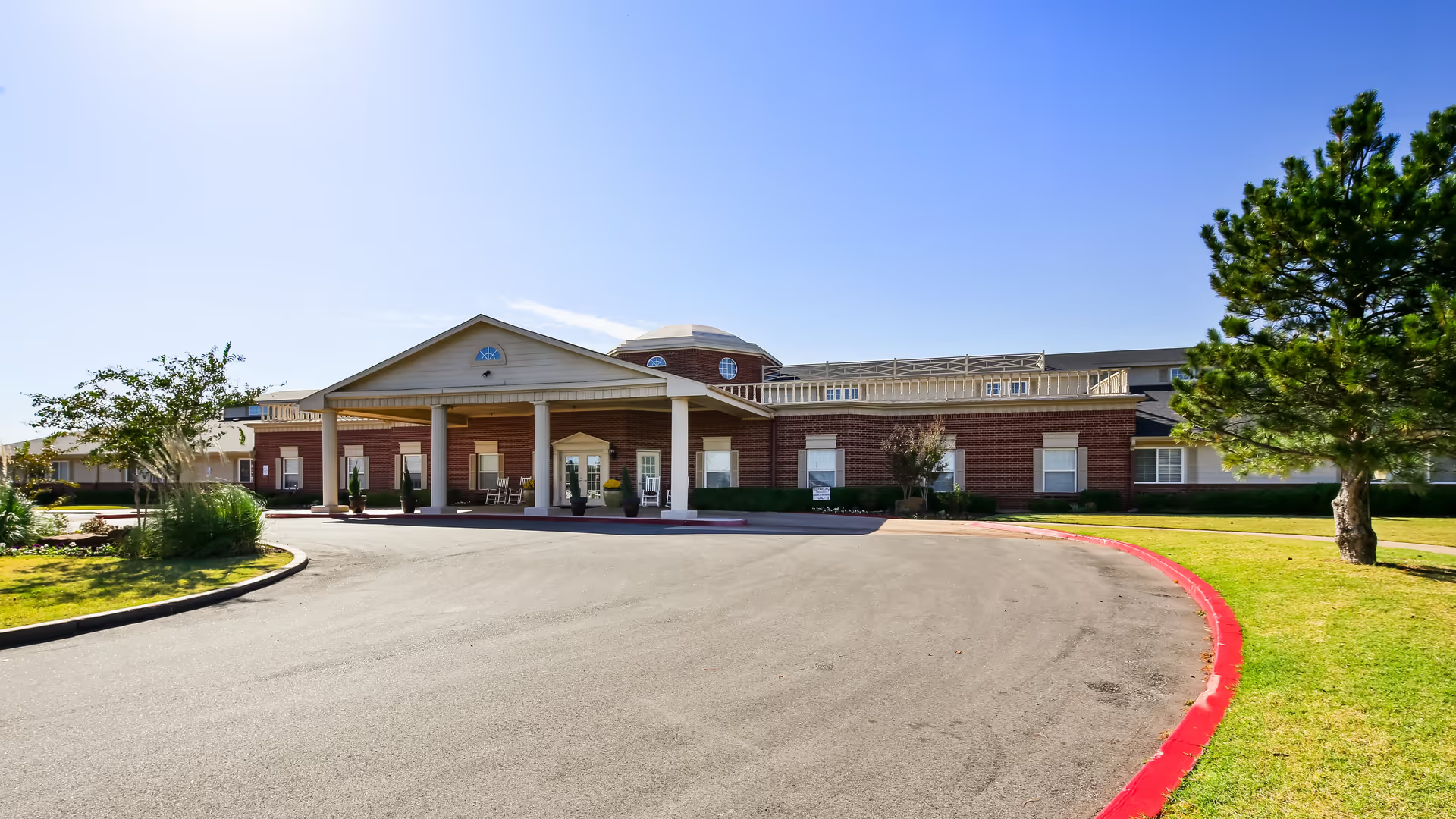
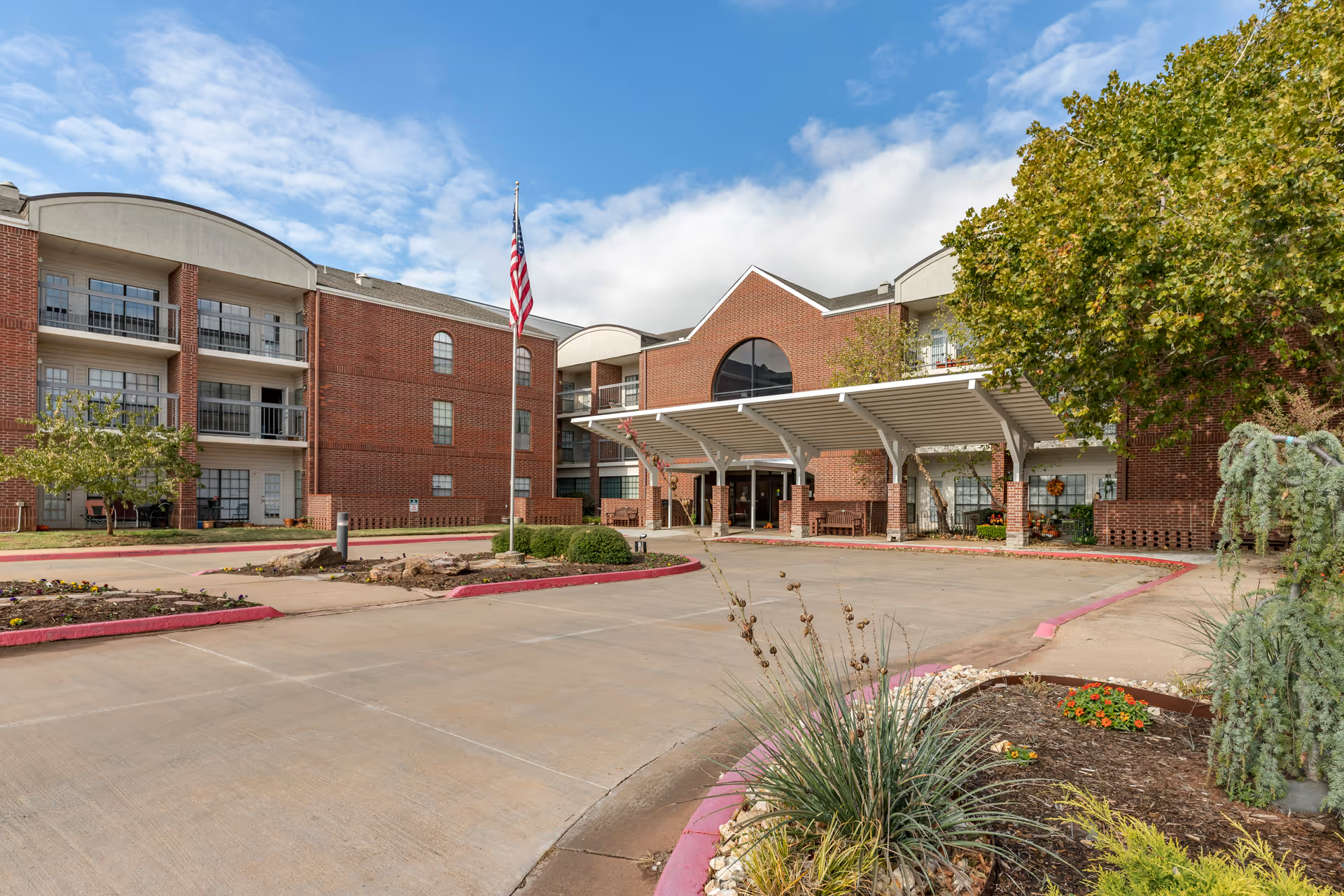
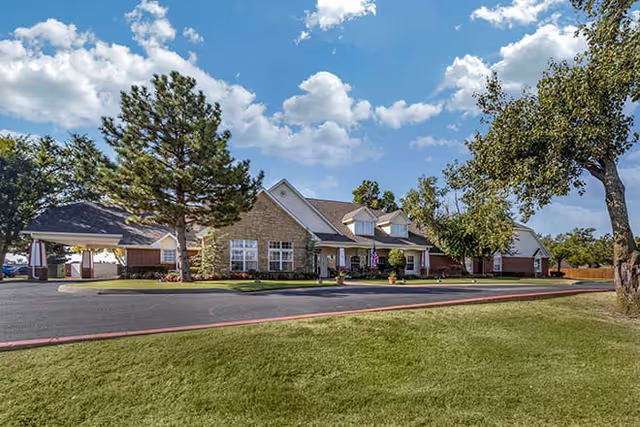
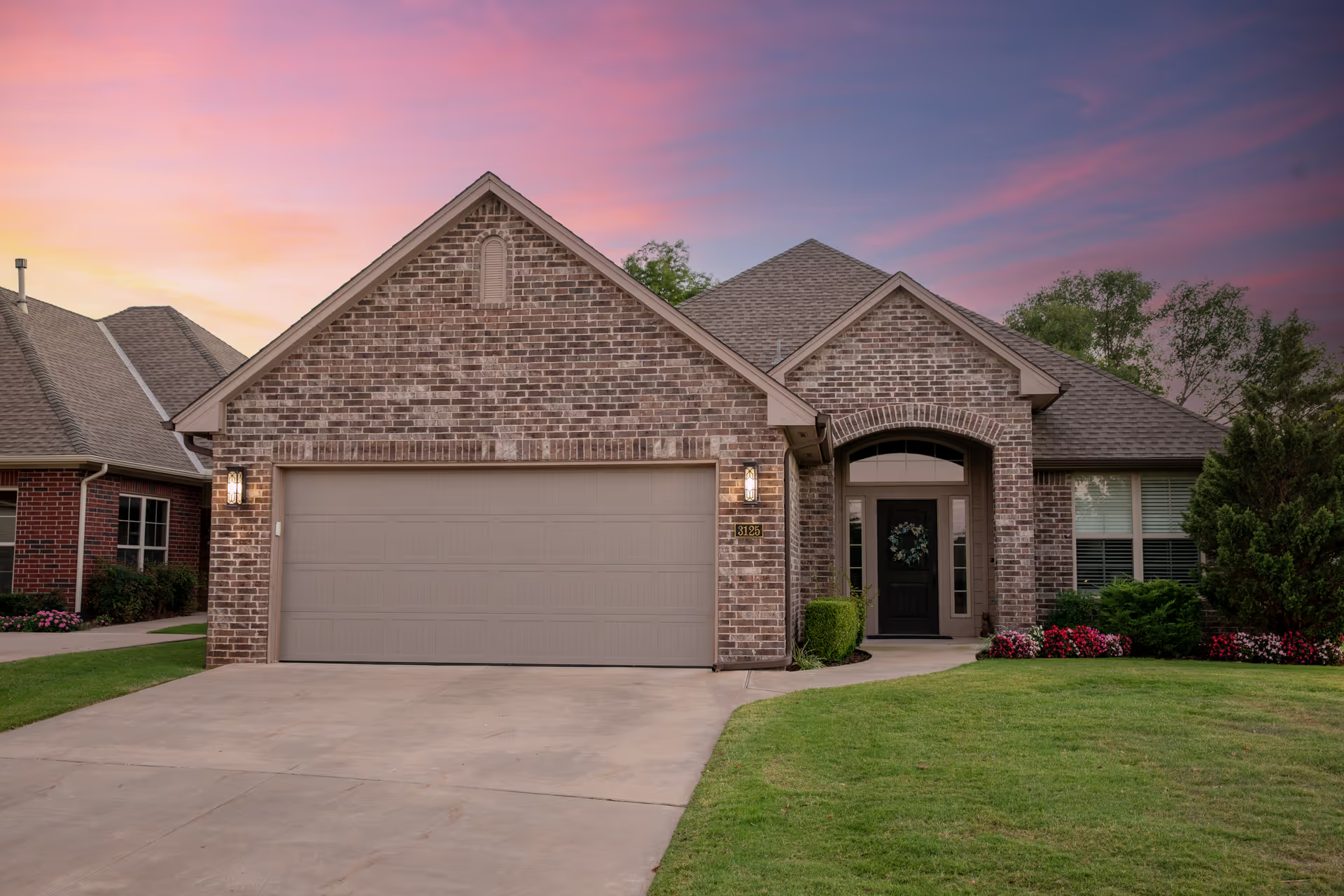
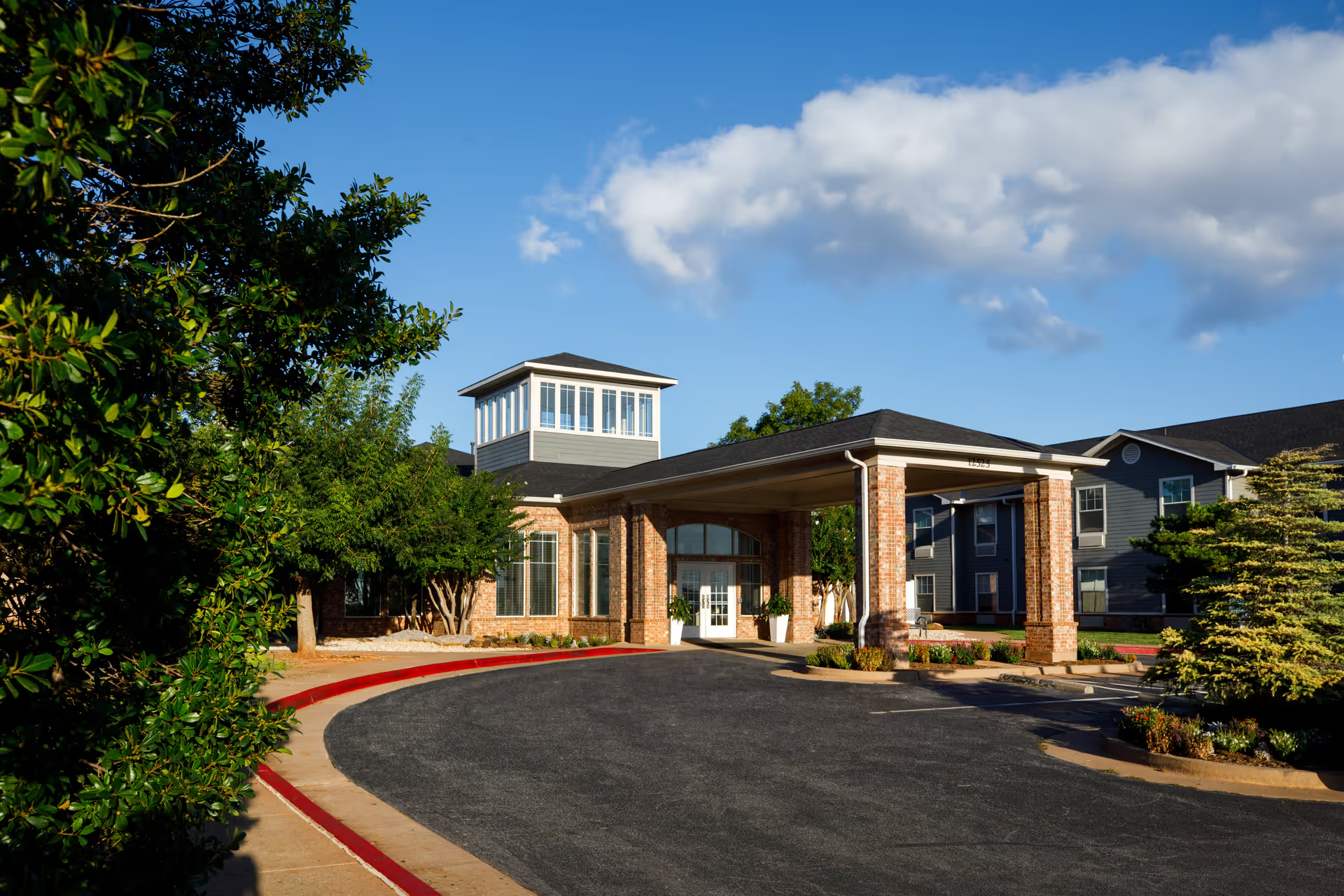
Overall impression: Silver Elm Estates elicits strongly mixed but thematically consistent impressions. Many reviewers emphasize the facility's physical strengths — spacious, well-appointed apartments with full kitchens, in-unit laundry, accessible ground-floor entries and private patios — and praise the attractive, modern common areas and well-kept grounds. Staff are frequently described as friendly, caring, and engaged; families and residents often single out individual employees and drivers as contributors to a positive daily experience. The community layout (one-level design, dual-entry apartments) and on-site amenities (large activity room, exercise equipment, transportation) support independence and social engagement for many residents.
Care and staffing: Care-related feedback is generally positive regarding staff demeanor and personal attentiveness. However, there are consistent operational concerns about clinical services: some families note limited on-site medication management and the absence of routine clinical checks (for example, blood-pressure monitoring). Staffing stability appears uneven — reviewers mention turnover and role changes — which can affect continuity of care and point-of-contact reliability. Prospective residents should confirm the current staffing model and clinical-service scope with administration prior to move-in.
Dining: Dining receives polarized feedback. Several reviewers describe varied, tasty meals and three-meal coverage, while others cite inconsistent food quality, incorrect meal orders, poor preparation or delivery, and interruptions tied to outsourced meal providers. Meal timing and pickup procedures have also been a source of dissatisfaction for some families. This pattern suggests the facility's dining experience can vary depending on the current food-service arrangement; verifying the dining provider, sample menus, and service protocols is advisable.
Activities and social life: Activity programming is frequently praised for its breadth — music, games, exercise classes, movies, and social tables are noted as regular offerings that foster engagement. At the same time, some accounts describe periods with limited activity options, implying variability in programming consistency. The large activity room and on-site resources generally support a robust schedule, but the day-to-day delivery may depend on staffing and program coordination.
Facilities and maintenance: Physical facilities receive strong positive comments for cleanliness, modern appearance, and apartment features (washer/dryer, walk-in closets, large bathrooms). Conversely, there are recurring operational concerns about maintenance responsiveness and repair timeliness: delayed responses to plumbing and other urgent repairs are described, and some reviewers reported slow follow-up on water and mechanical issues. These are presented as process and responsiveness issues rather than pervasive sanitation failures; nonetheless, confirm maintenance response expectations and escalation procedures when evaluating residency.
Management and notable patterns: A clear pattern across feedback is divergence between interpersonal staff performance (often praised) and higher-level operational management (criticized). Reviewers reference management communication gaps, perceived absenteeism during incidents, recent ownership or leadership transitions, and rent increases that were not favorably received. Service outsourcing (kitchen, housekeeping) appears to be a driver of variability in dining quality and housekeeping frequency. Taken together, the evidence suggests a facility with strong frontline caregiving and appealing physical attributes, coupled with inconsistently executed operational systems. Families considering Silver Elm Estates should verify service-level agreements (housekeeping frequency, clinical services, dining provider), inquire about recent leadership changes and staffing stability, and ask for documentation of maintenance response times to ensure expectations align with current practice.