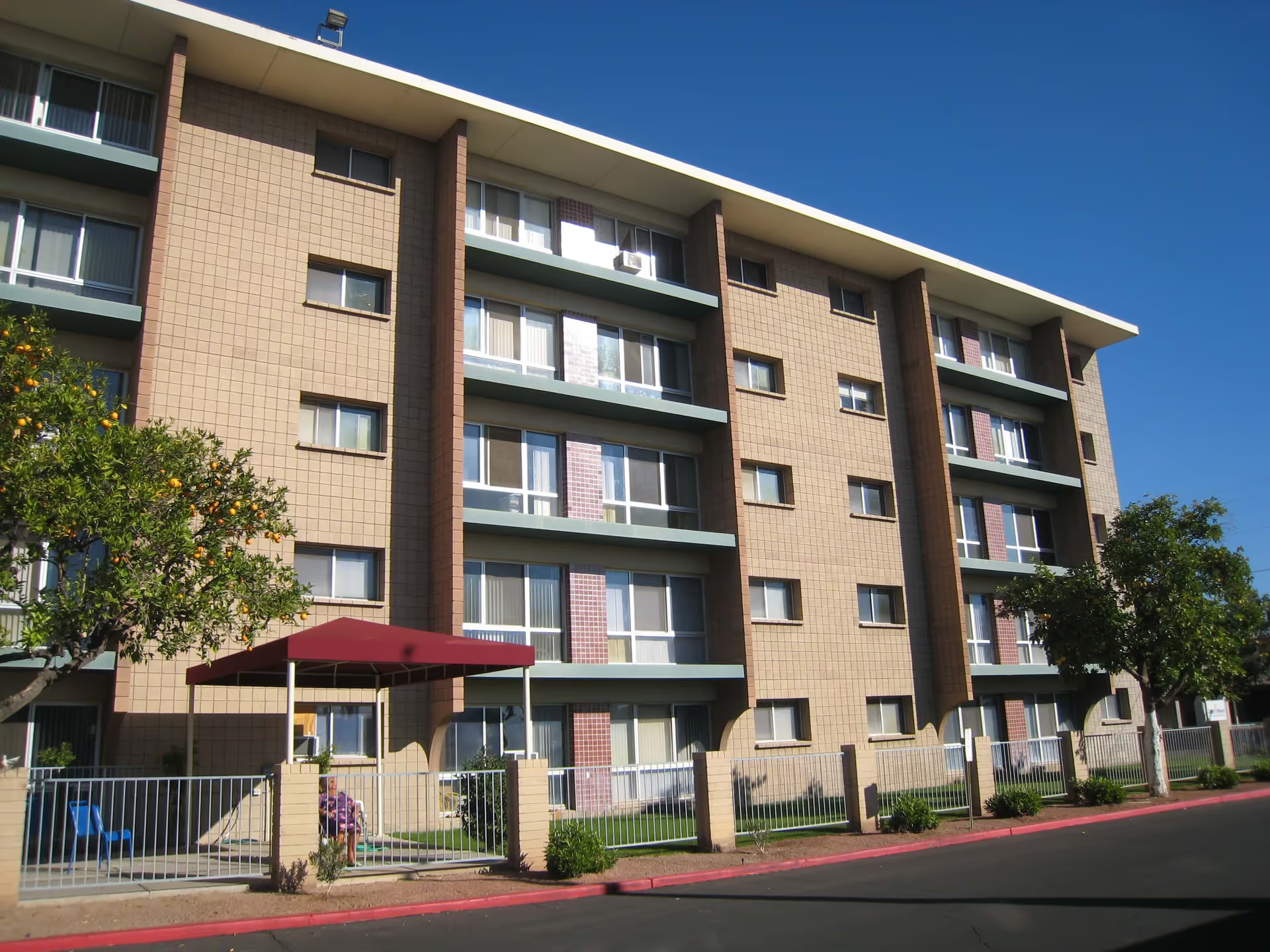
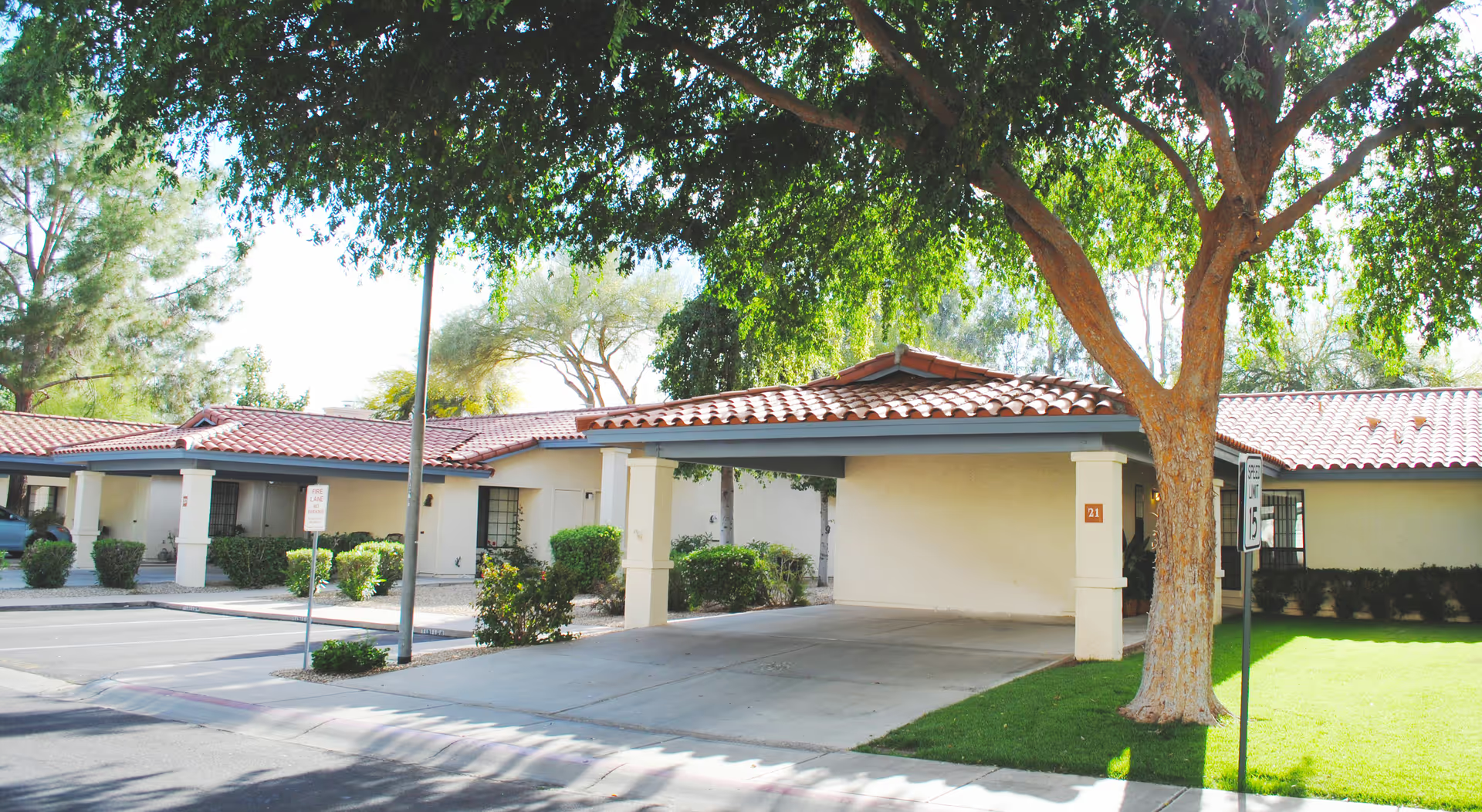
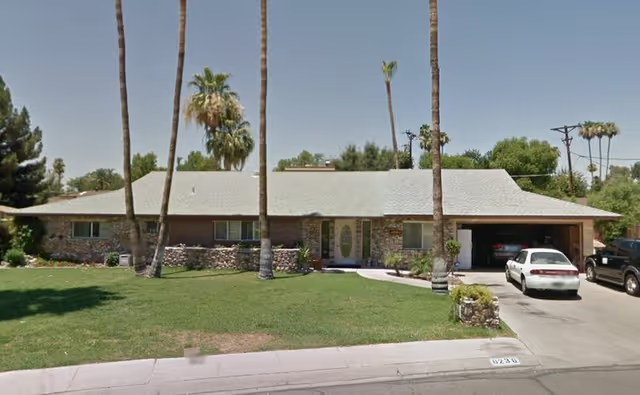
Huger Mercy Living Center receives frequent praise for its dementia-focused model and for staff who provide individualized attention. Multiple families highlighted certified, engaged caregivers, a low staff-to-resident ratio (6:1), and an emphasis on matching living arrangements and programming to residents' cognitive levels. Cottage-style accommodations, an enclosed landscaped campus with walking paths, and peer-grouping by cognitive ability are commonly described as strengths that support calmer daily routines and targeted care plans.
Care quality is characterized as attentive and personalized by a number of families, particularly for residents with Alzheimer’s disease or other dementias. Reviewers point to a culture of daily interaction, music-centered activities, and purposeful engagement that many residents and families find beneficial. Dining and organized activities are generally described positively, with several families noting satisfactory meals and a range of social opportunities.
However, reviews also surface operational concerns that prospective families should consider. There are recurring descriptions of inconsistent care quality and intermittent understaffing that can affect supervision at certain times. Concerns about staff conduct and professionalism are raised alongside praise for caring employees, suggesting variability in staff performance and interactions. A restrictive room-door policy was specifically noted as a source of dissatisfaction for some families because it can limit resident autonomy and comfort.
The facility’s physical condition is another mixed area. The campus and cottages are appreciated for their layout and outdoor features, but portions of the physical plant are described as aging and in need of maintenance. Reviewers expressed concerns about building-level safety features and overall emergency-preparedness, and some families perceive a mismatch between fees charged and the current state of the infrastructure.
Management and family communication receive generally favorable comments from relatives who felt welcomed and informed, yet there are also comments implying uneven responsiveness when operational or safety concerns arise. Neighborhood safety for residents with cognitive impairment was cited as a worry by some families; this is an environmental consideration separate from on-site supervision.
In summary, Huger Mercy Living Center appears to offer specialized dementia care with compassionate, certified staff and programming that many families value. At the same time, the facility exhibits variability in day-to-day care consistency, staff conduct, staffing levels, and building maintenance. Prospective residents and families should weigh the strong dementia-focused programming, cottage living model, and low staff ratio against the noted operational and facility-level shortcomings, and pursue a direct tour and specific questions about maintenance plans, staffing patterns, safety protocols, and policies that affect resident autonomy before making a placement decision.