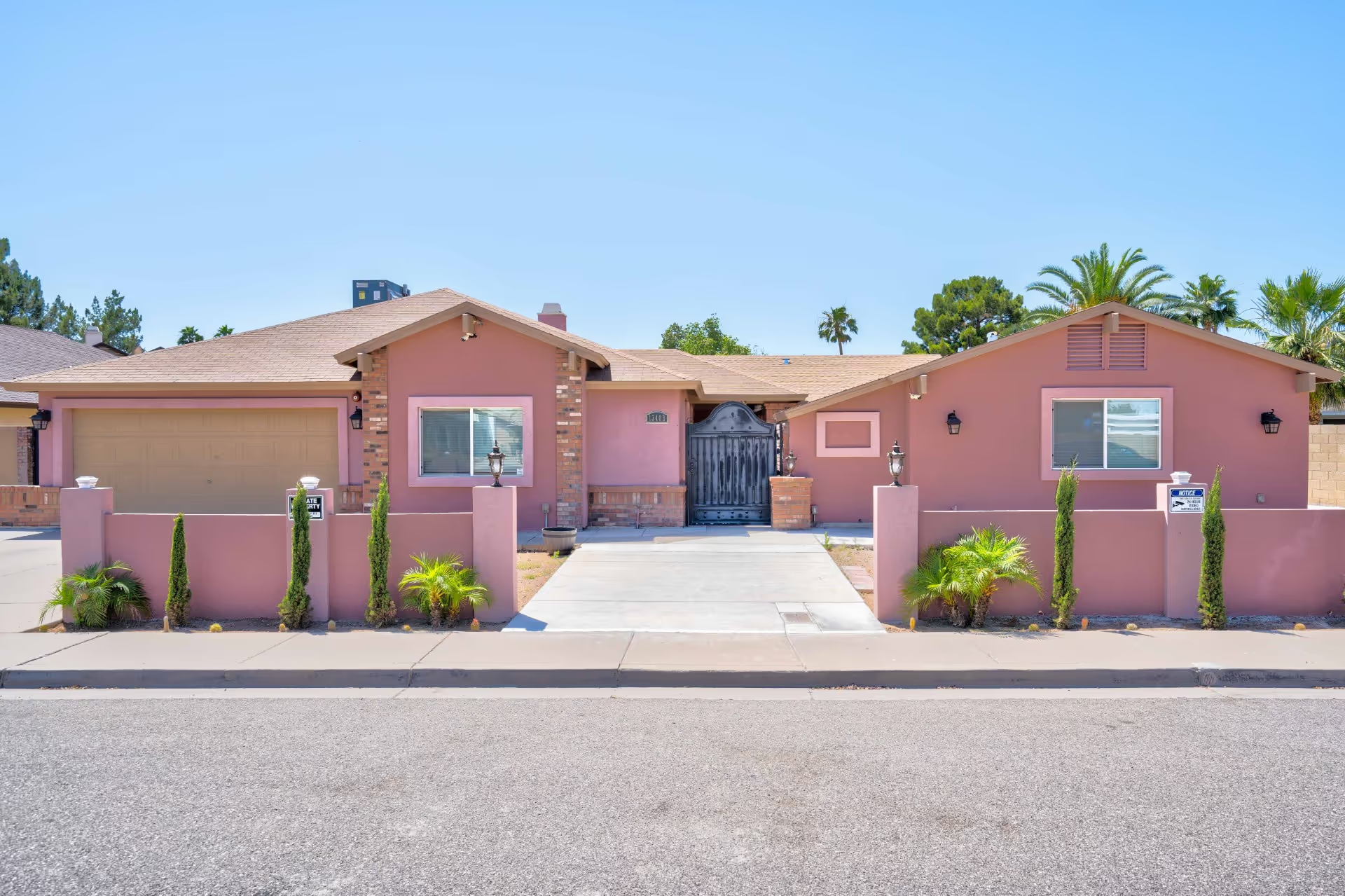
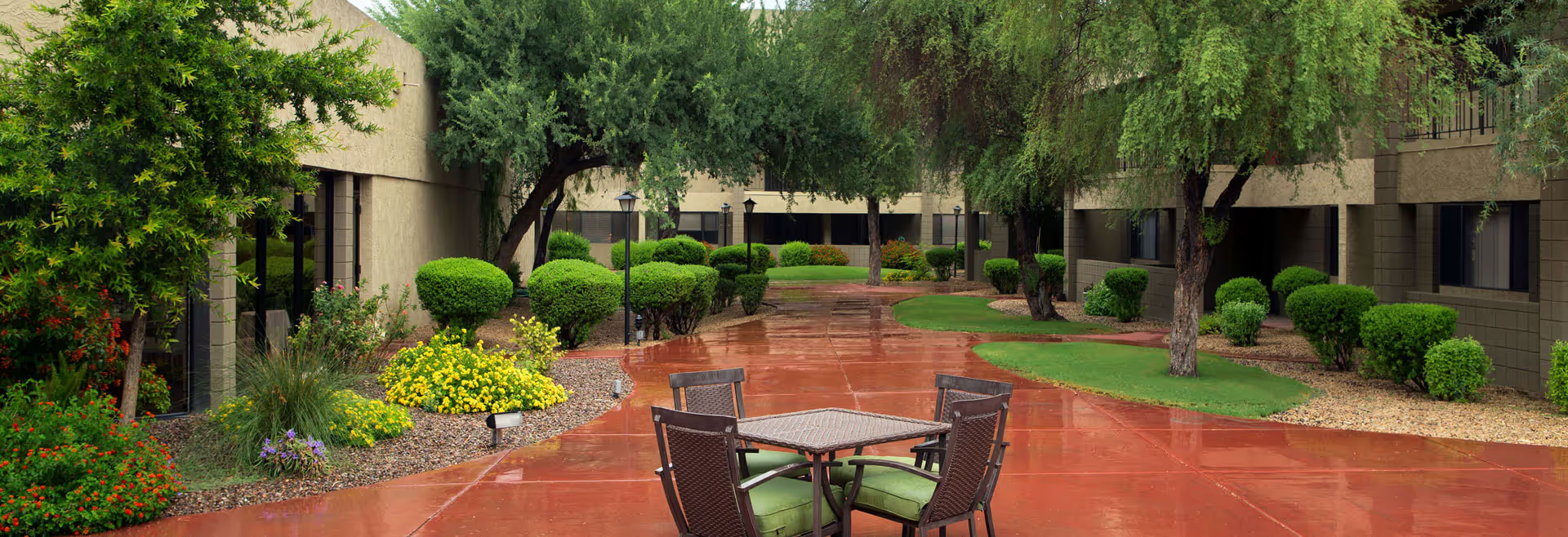
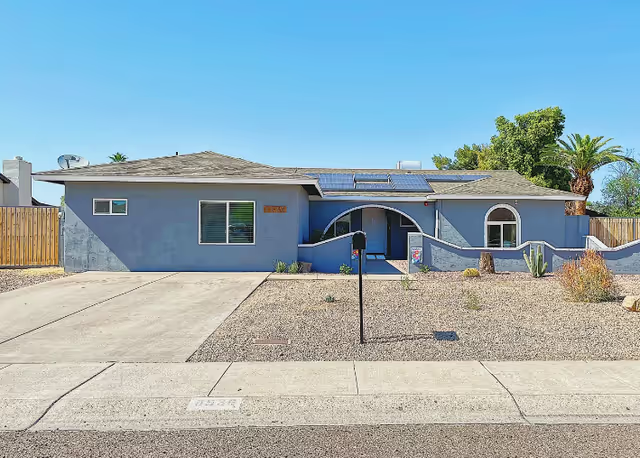
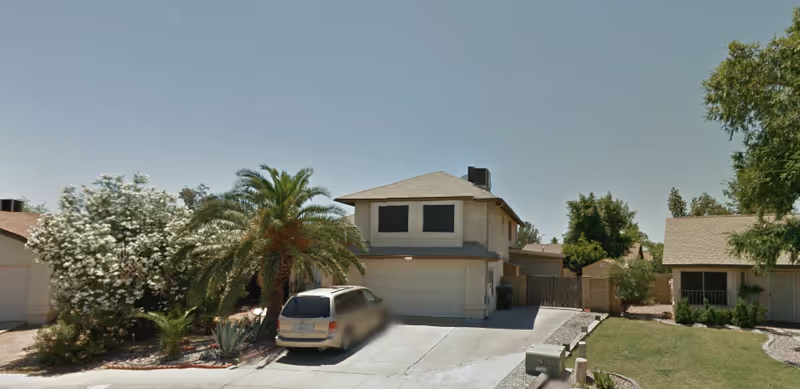
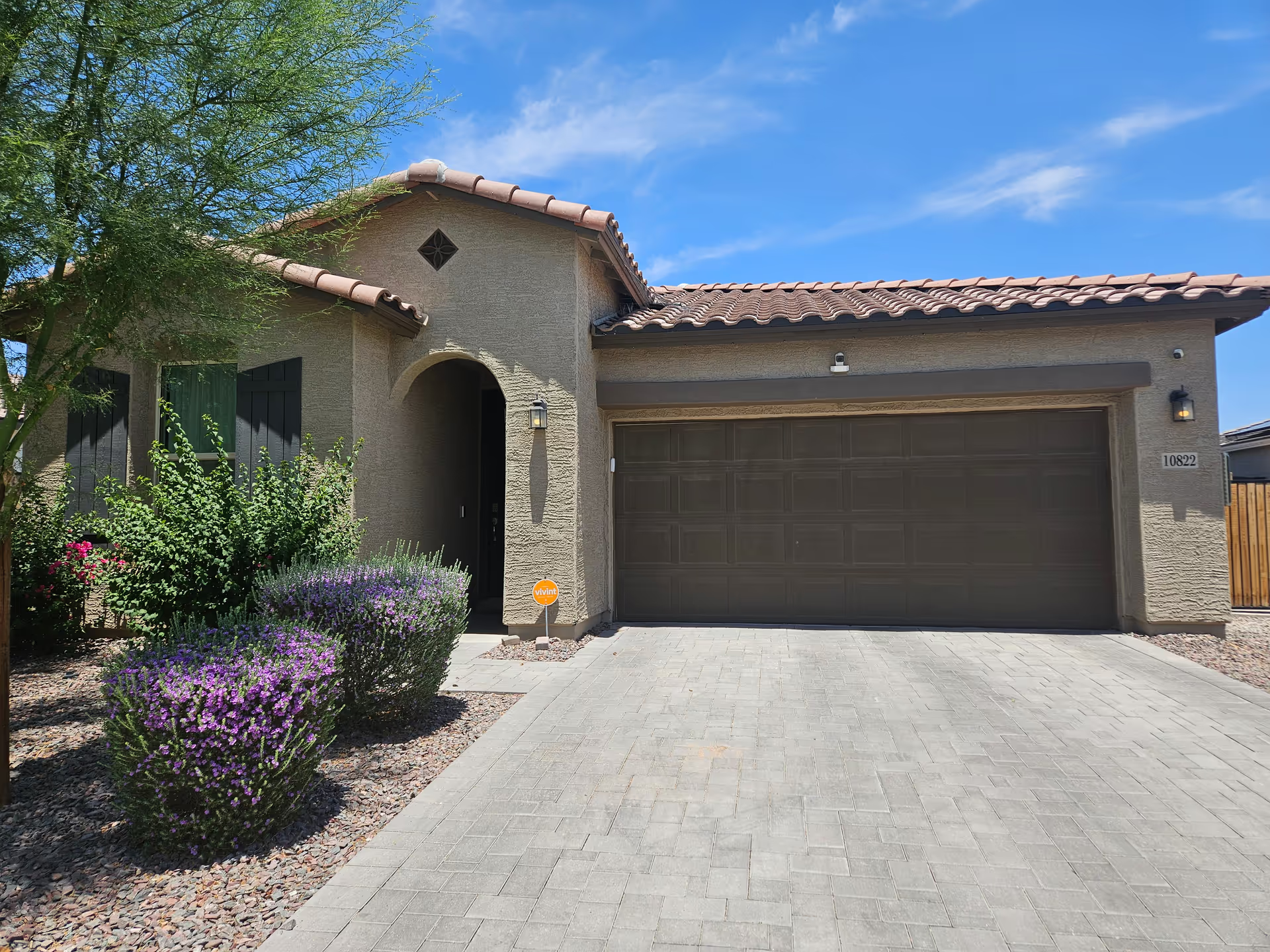
Overall impression: Valley Oasis Adult Care Home is described across reviews as a small, owner-operated residential setting with a strong emphasis on home-like atmosphere, cleanliness, and personalized daily care. Families frequently note well-maintained interior and grounds, accessible accommodations, and an environment that feels domestic rather than institutional. Many reviews highlight the hands-on presence of owners and certified caregivers and praise the facility’s regular clinical supports, including a monthly house physician and on-call nursing, plus hospice and social-work availability.
Care and staff: Numerous families describe compassionate, individualized attention from caregiving staff and owners, including efforts to support nutrition, medication coordination, and medical appointments. Reviewers praised staff for responsiveness, dignity in resident interactions, and going beyond routine tasks during transitions. At the same time, there is a pattern of operational concerns: reviewers cited high staff turnover and inconsistent staffing levels, supply-management lapses, and variability in management visibility. There are isolated but serious allegations involving staff conduct and the facility’s response to complaints; these remarks raise questions about complaint escalation and oversight processes that prospective families should clarify.
Dining and medical support: Dining is consistently highlighted as a strength. Meals are described as home-cooked, nutrition-focused, varied, and served three times daily with snacks. Several families emphasized careful attention to diet and pleasant food quality. Medical coordination receives positive mentions as well—staff are noted to coordinate with outside physicians, and the presence of an on-call nurse and monthly physician visits provides added clinical support.
Activities and social engagement: The facility provides in-house activities and a calm, peaceful energy commonly appreciated by residents and families. However, off-site outings appear limited—either by resident capability or program emphasis—and a few families felt their loved ones lacked sufficient social interaction or more stimulating activity options. The home may suit higher-functioning residents better than those needing extensive cognitive or behavioral programming; prospective families should ask about activity schedules and individualized engagement plans.
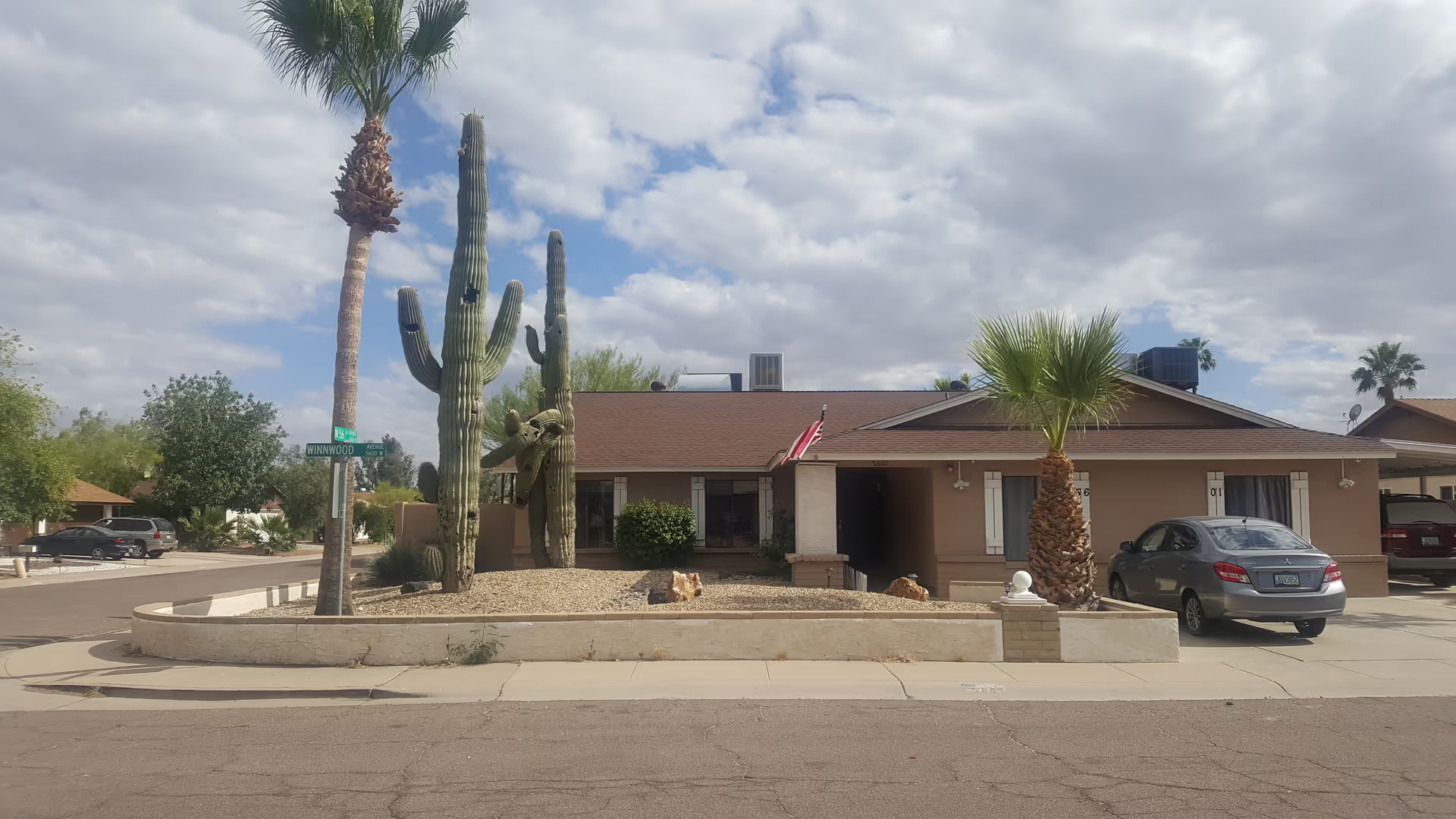
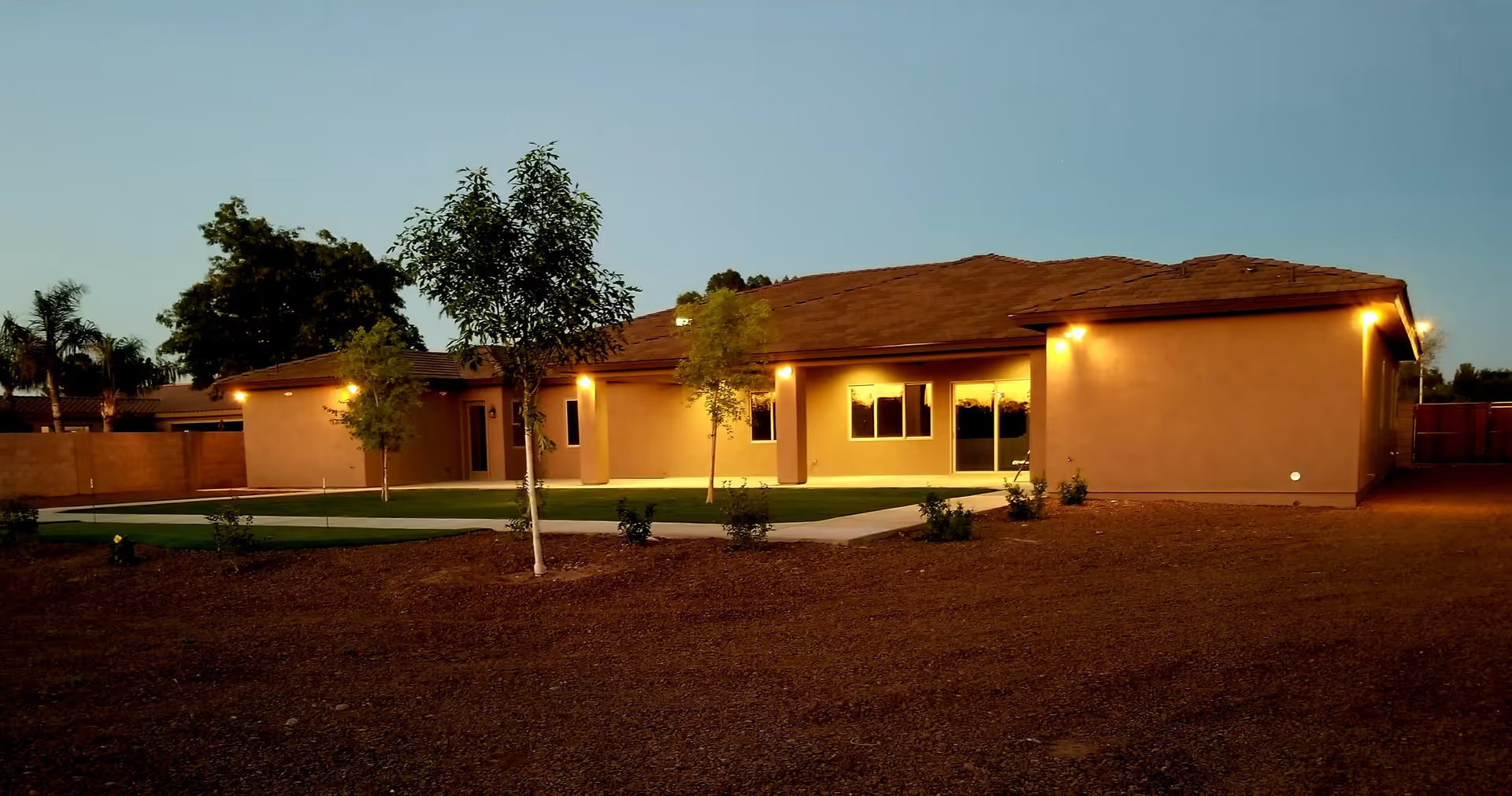
Facilities and logistics: Physical spaces are reported as clean, organized, and handicap-equipped, with a mix of private and semi-private rooms. Capacity is small, which supports a family-style setting but also produces limitations: private rooms may be scarce, some bedrooms are compact, and space constraints could make double occupancy challenging. A few reviewers raised concerns about the surrounding neighborhood’s suitability and cautioned that location may matter depending on visitor needs.
Management and policies: The owner-run model is often cited as a positive—many families named managers who were supportive during transitions. Yet other comments indicate inconsistent management presence and responsiveness, occasional supply shortages, and unclear visitation policies. There is also a note about admission/payment practices that require private payment before public-benefit placement (e.g., ALTCS), which may affect placement planning.
Notable patterns and guidance: The dominant pattern is of a small, clean, personable home with strong meal service and attentive medical links, balanced against operational weaknesses in staffing stability, supply provisioning, and occasional concerns about conduct oversight. Prospective residents and families should tour in person, observe mealtimes and activities, and ask direct questions about staff turnover rates, sustained staffing levels, incident and complaint escalation procedures, supply-restocking protocols, private-room availability, payer/placement policies, and details of the activity program. Doing so will help determine whether the facility’s strengths align with a given resident’s clinical and social needs.