The reviews present a consistent picture of a campus focused on dementia-specific care, with particular emphasis on education and family support. Families repeatedly highlight the facility’s dementia program, dementia-education resources, and an identifiable educator presence that provides structured materials (handbooks, sessions) and community programs such as a Memory Cafe. These programmatic elements suggest the campus prioritizes both resident-centered care and caregiver education as part of its service model.
Care quality is described in strongly favorable terms. Numerous accounts praise staff as compassionate, professional, and accessible; reviewers singled out individual team members for dementia expertise and sustained family guidance. Medication routines and emergency planning are noted as being systematized, and outreach services — including home-care coordination and a day program — are reported as effectively linking families to care resources. The presence of hospice support and active end-of-life attention is mentioned as an integrated aspect of care for residents who need it.
Activities and engagement appear to be a core strength. The campus is credited with offering intergenerational interaction opportunities, free caregiver training sessions, educational meetings, and ongoing community events. These offerings, together with an active Memory Cafe and educational programming, indicate a deliberate approach to social stimulation and caregiver empowerment for people with cognitive impairment.
Dining, physical activity, and wellness are described positively. Reviewers mention enjoyable meals, walking and exercise opportunities, and overall attention to daily routines that contribute to resident comfort and occasional ‘‘healing moments.’' The combination of on-campus activities and supportive mealtime experiences is consistent with a person-centered dementia care approach.
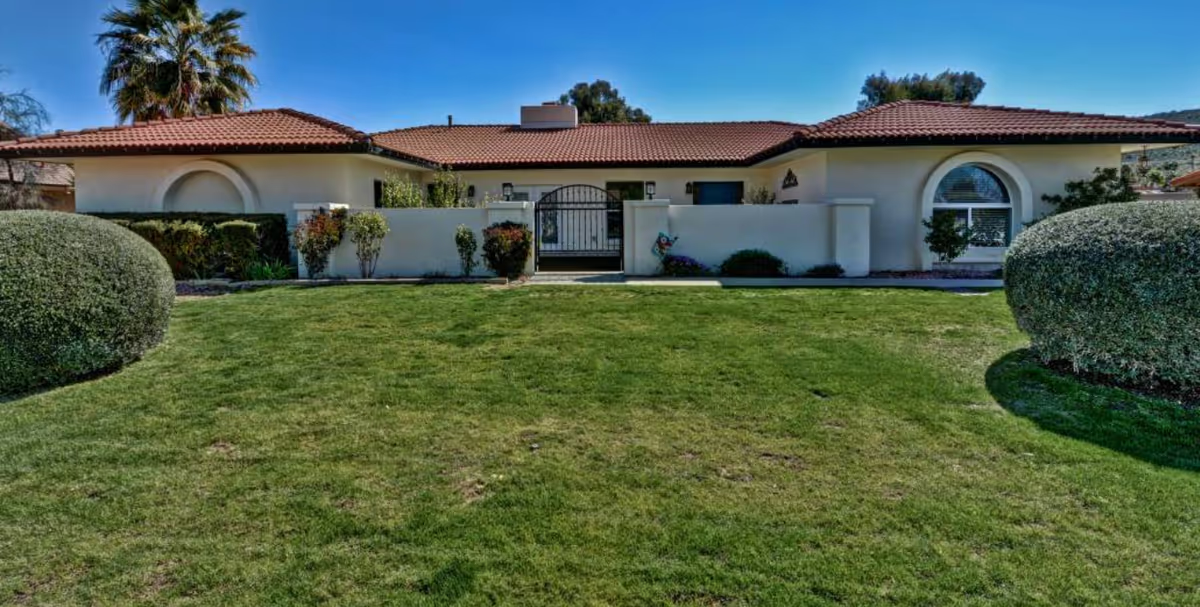
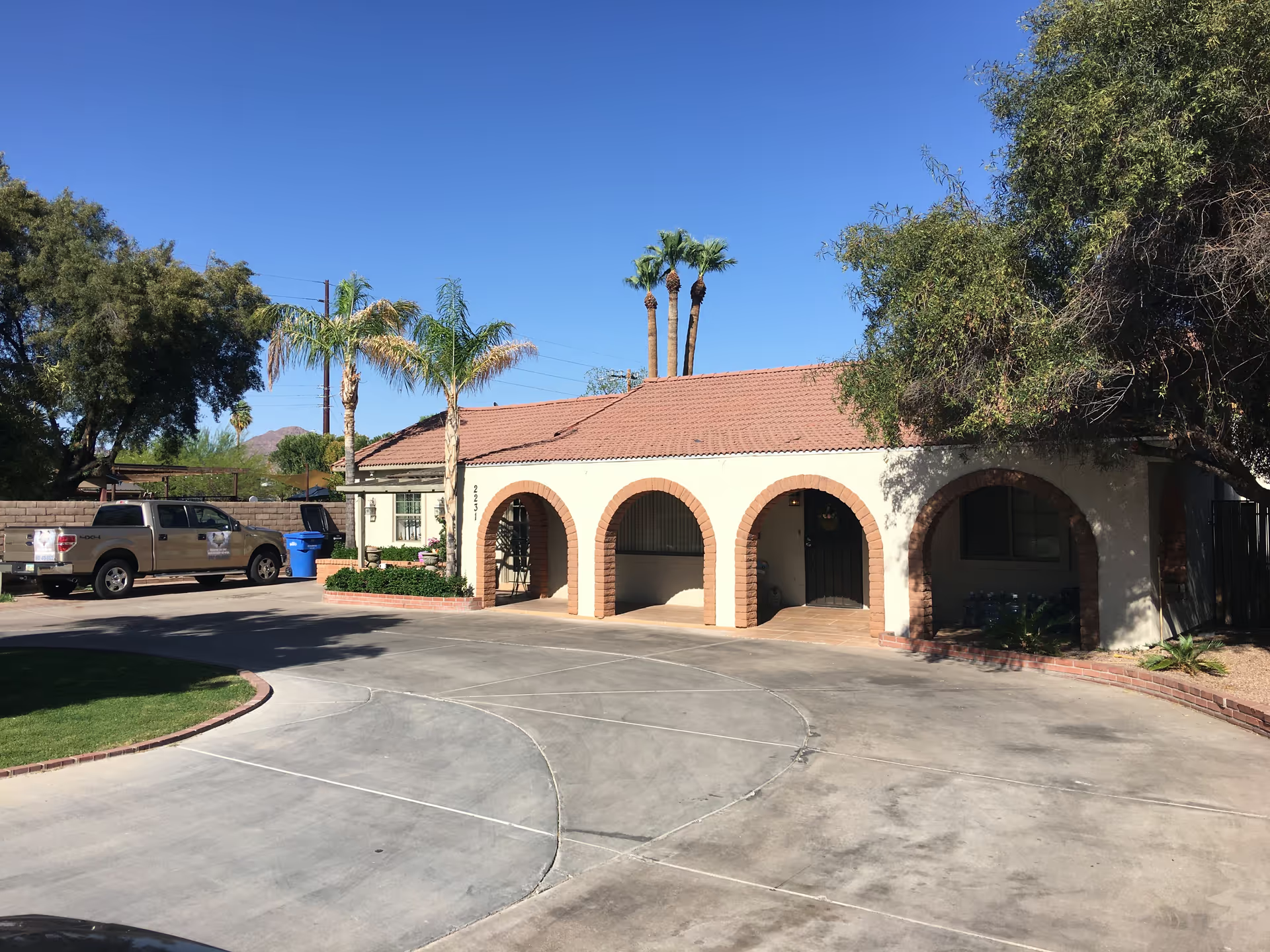
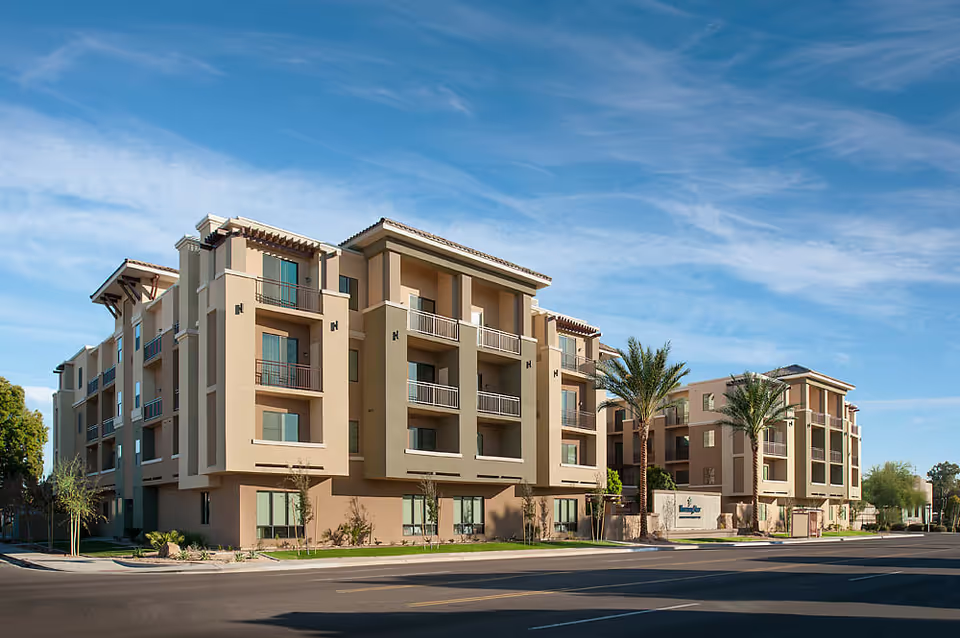
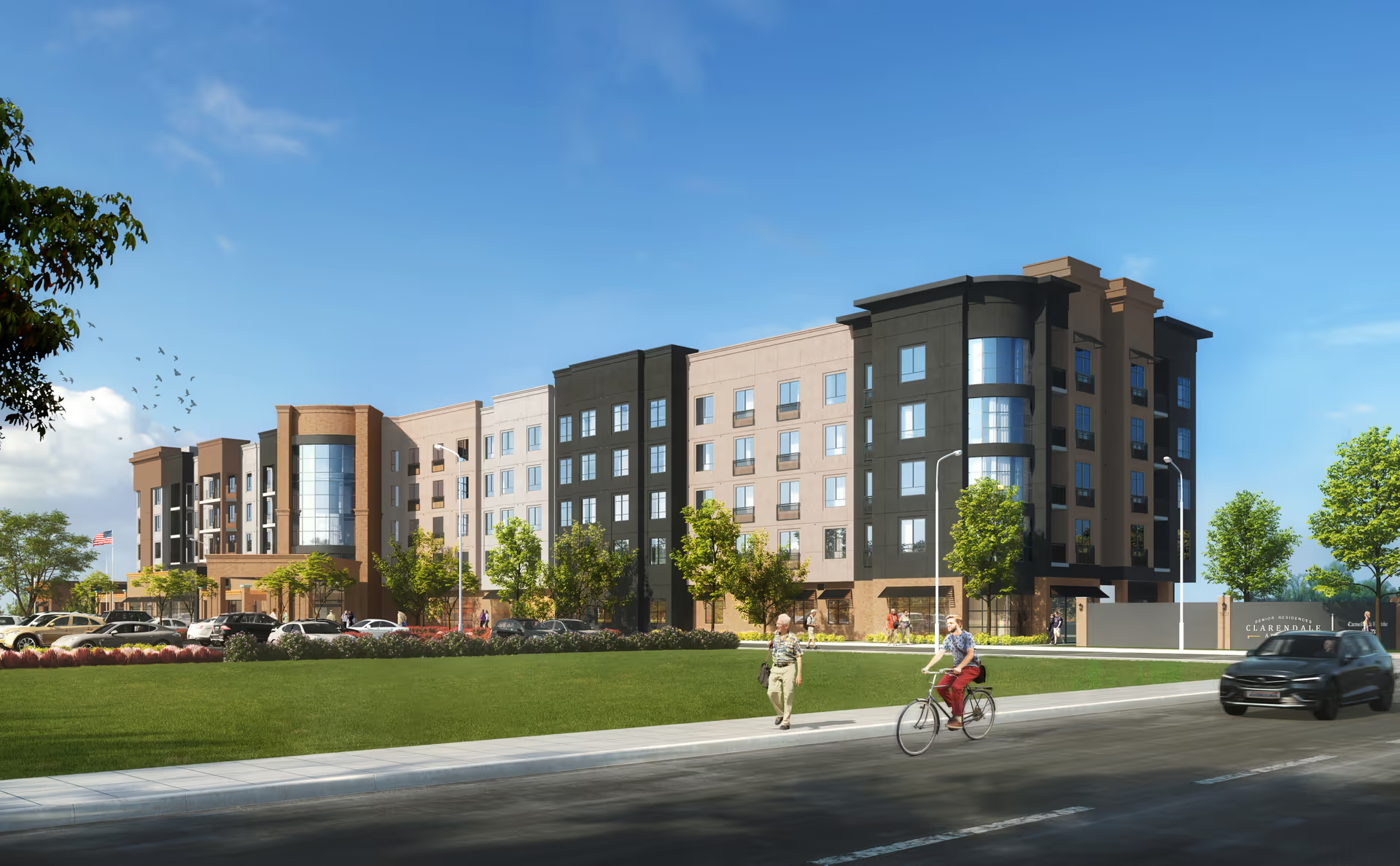
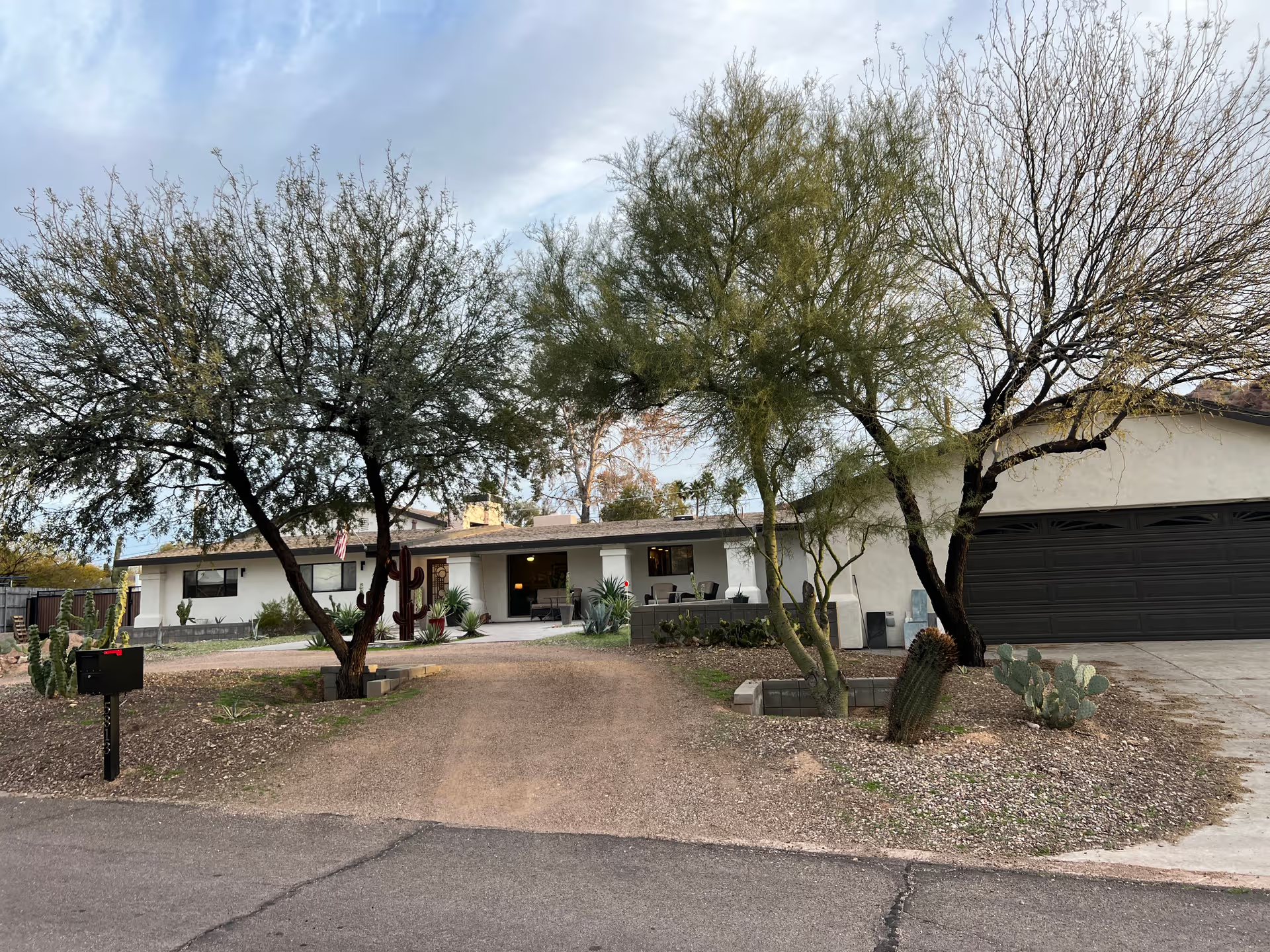
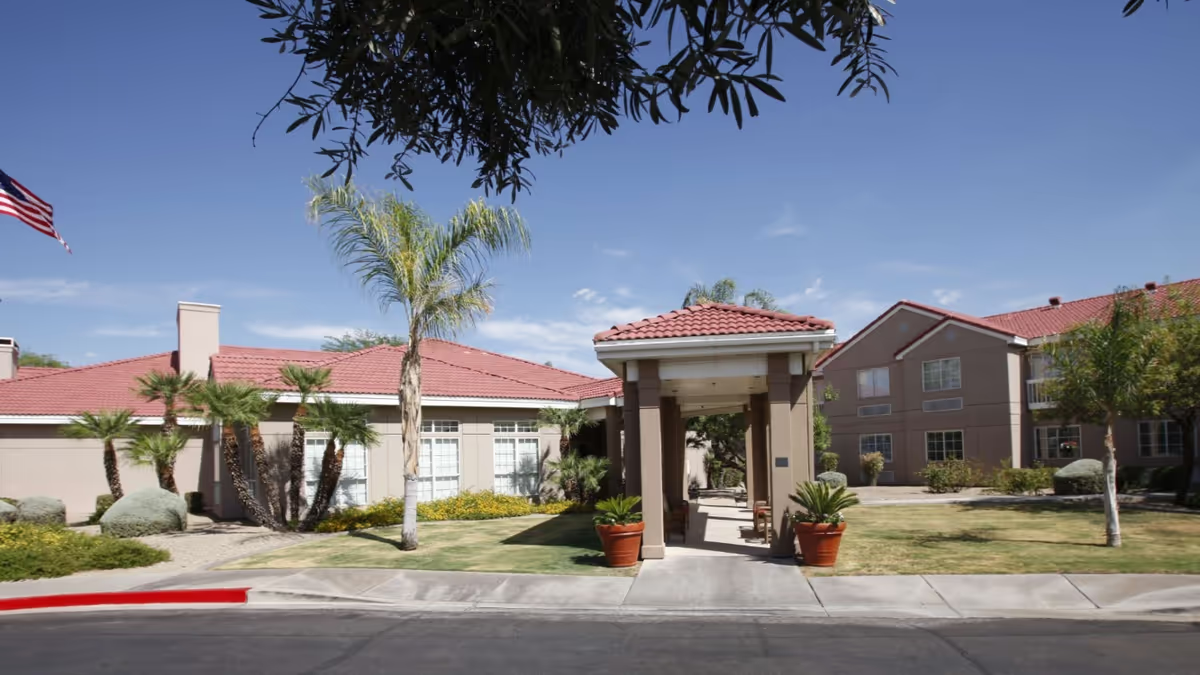
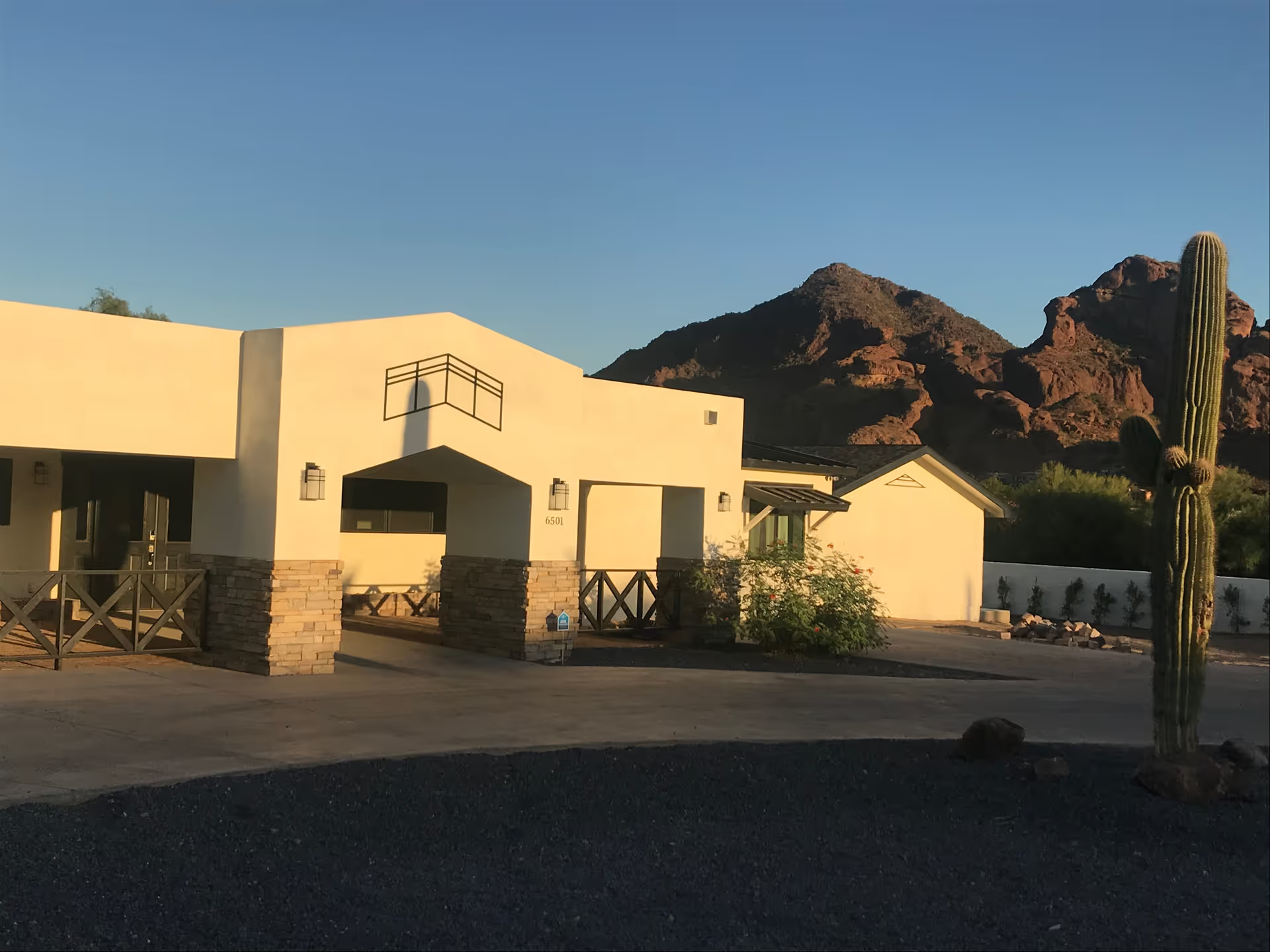
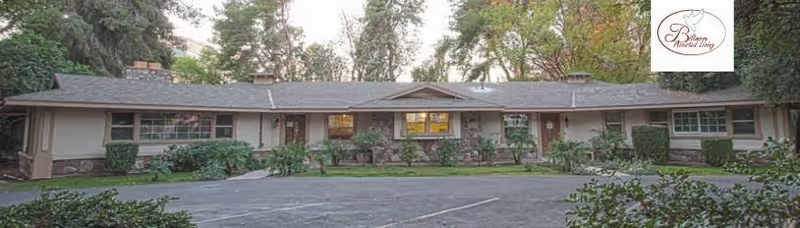
Facility and amenity observations emphasize a home-like, peaceful campus with well-maintained rooms and outdoor social space. The physical environment is repeatedly characterized as comfortable and calming, which families link to resident well-being. Positive commentary about first impressions and the campus atmosphere strengthens the perception that the facility invests in an inviting residential setting.
Communication and management practices are generally portrayed as responsive: families describe helpful phone calls, visits, proactive guidance, and an organized approach to family education. At the same time, the available commentary leaves gaps in several operational areas that prospective families should explore directly. Reviewers provide limited information on pricing, admission waitlist realities, staffing ratios, staff turnover, specific rehabilitation services (PT/OT/Speech), transportation and parking logistics, and objective clinical outcome metrics or incident-reporting practices.
Overall, the pattern of feedback indicates strong strengths in dementia-specific programming, caregiver education, compassionate day-to-day care, and a warm physical environment. Prospective residents and family members would be well-advised to visit in person, meet the clinical leadership and dementia-education team, and ask targeted questions about staffing levels, costs and contractual obligations, available rehabilitative therapies, waitlist status, and inspection or quality metrics to confirm operational details not covered in published reviews.