Overview Experiences at this facility are highly variable. Several accounts describe competent, attentive rehabilitation and nursing services with effective occupational and physical therapy, friendly reception staff, acceptable meals, and a clean, accessible environment. At the same time, a substantial subset of accounts describes operational and clinical weaknesses that materially affected care for some residents.
Care quality and clinical oversight Positive experiences emphasize meaningful functional gains from therapy, conscientious caregiving, and 24/7 nursing presence. However, a number of concerns point to inconsistent care delivery: delayed responses to call lights and care requests, irregular administration of medications at scheduled times, and gaps in wound and continence-care management. Some families described situations where clinical needs exceeded the facility’s demonstrated capability, raising questions about suitability for higher-acuity patients and the facility’s escalation protocols. There is at least one serious individual claim that warrants careful follow-up (an allegation of physical misconduct) and some accounts note severe adverse outcomes that families linked to care issues.
Staffing, conduct, and communication Staff behavior and competence are described on both ends of the spectrum. Many families praised individual aides, therapists, and receptionists for being kind and effective; others described inattentiveness, rude interactions, or inconsistent performance. These mixed impressions are echoed by operational issues: unpredictable staffing coverage (including long periods with limited staff visible), limited posted nurse/aid rotations, and a lack of scheduling transparency. Communication breakdowns are a recurring theme — unreliable phone systems, delayed return calls, and difficulty reaching administration — which compounds families’ frustration when clinical concerns arise.
Therapies, activities, and dining Therapy resources and the rehabilitation environment receive positive comments where therapy was delivered consistently; some residents made demonstrable progress. Conversely, there are repeated accounts of therapies being halted, not performed as scheduled, or not delivered (including claims of missed speech therapy), which families associate with functional regression. Dining is generally described as acceptable to good by many reviewers, though feeding assistance and meal support appear inconsistent in some cases.
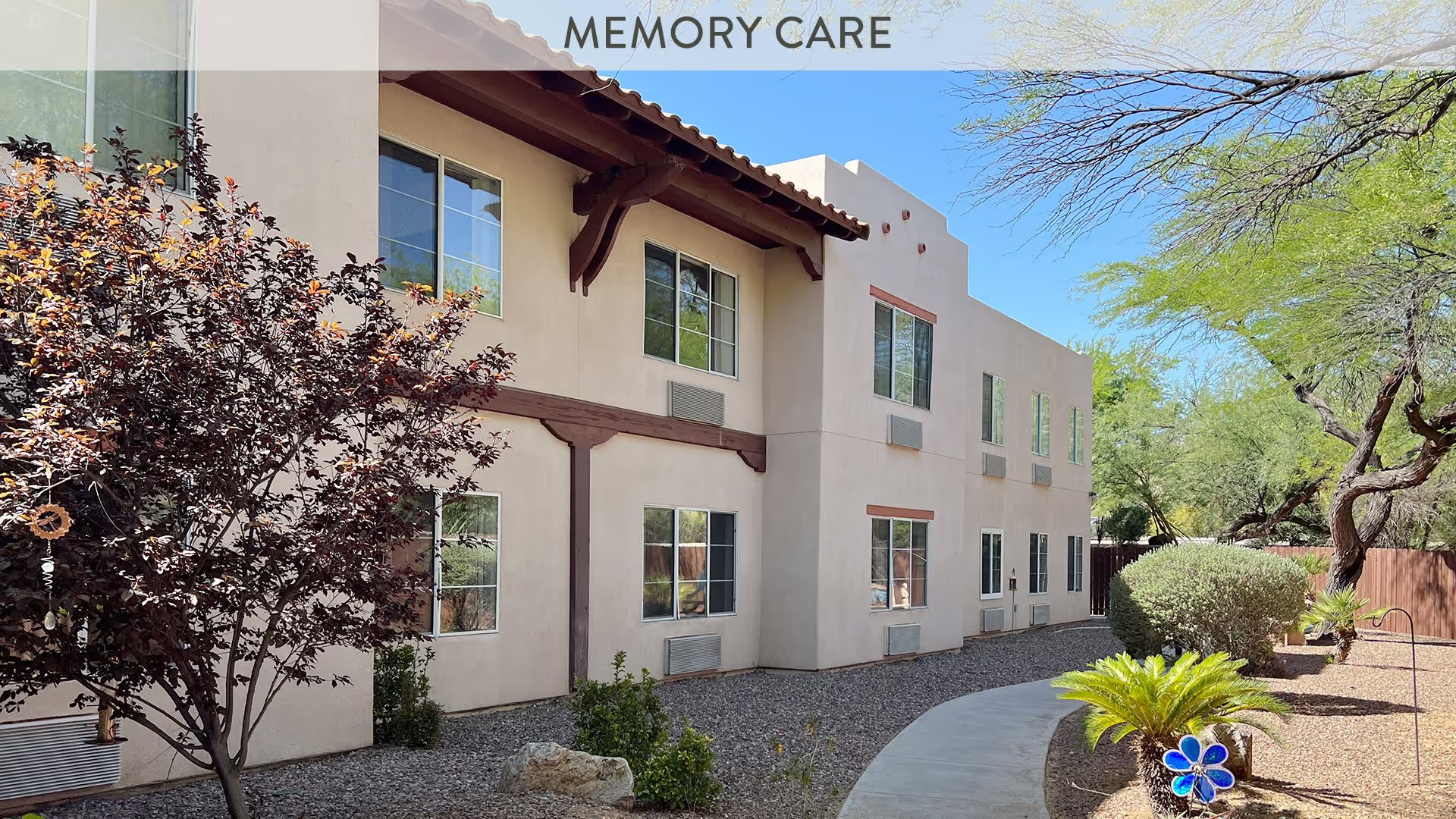
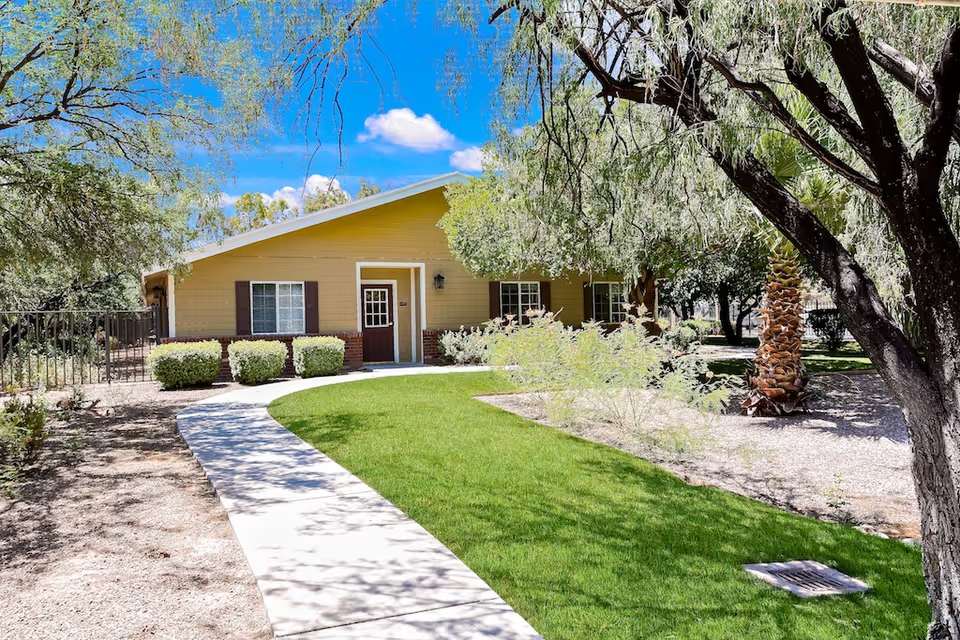
Facilities and safety Facility impressions vary from ‘‘super clean’’ and well-furnished to units with odor and sanitation concerns. Rooming arrangements are a common operational concern: double-occupancy rooms are described as small and crowded in some cases, and hallway crowding was noted. Security and access-control issues were cited, including malfunctioning entrance doors and unmanned reception periods. Phone and communication-system reliability was also frequently called out as an operational shortfall.
Management and documentation Several reviewers described management responses as evasive or inconsistent, with staff perceived as passing responsibility between departments. Families flagged a lack of posted schedules for doctors and nursing staff, limited transparency about therapy and discharge plans, and difficulty obtaining clear medical explanations or documentation. These gaps in administrative communication make it harder for families to assess care continuity and to escalate concerns when needed.
Notable patterns and guidance for families The overall pattern is one of polarized experiences: some residents receive strong rehabilitative care and attentive staff, while others encounter significant delays, communication failures, and clinical-management gaps. Prospective residents and families should verify staffing ratios, ask for written therapy schedules and documentation of wound and continence-care plans, confirm the reliability of phone and entry systems, and discuss the facility’s process for escalating clinical issues and arranging emergency transport. For higher-acuity patients, explicitly clarify the facility’s capacity and oversight procedures before admission.
In summary, the facility can deliver effective rehabilitation and compassionate care in many cases, but the variability in staffing, communication, and clinical oversight documented by families suggests the need for careful vetting and proactive coordination by family members and healthcare providers prior to placement.