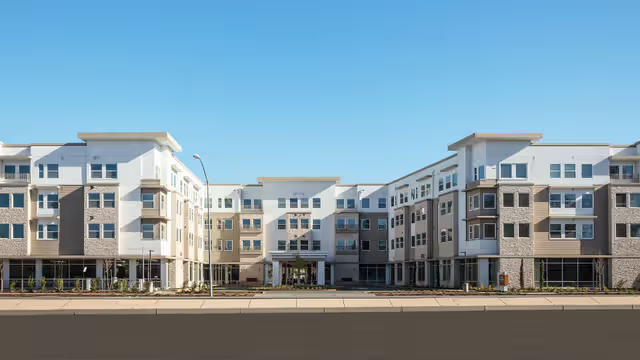
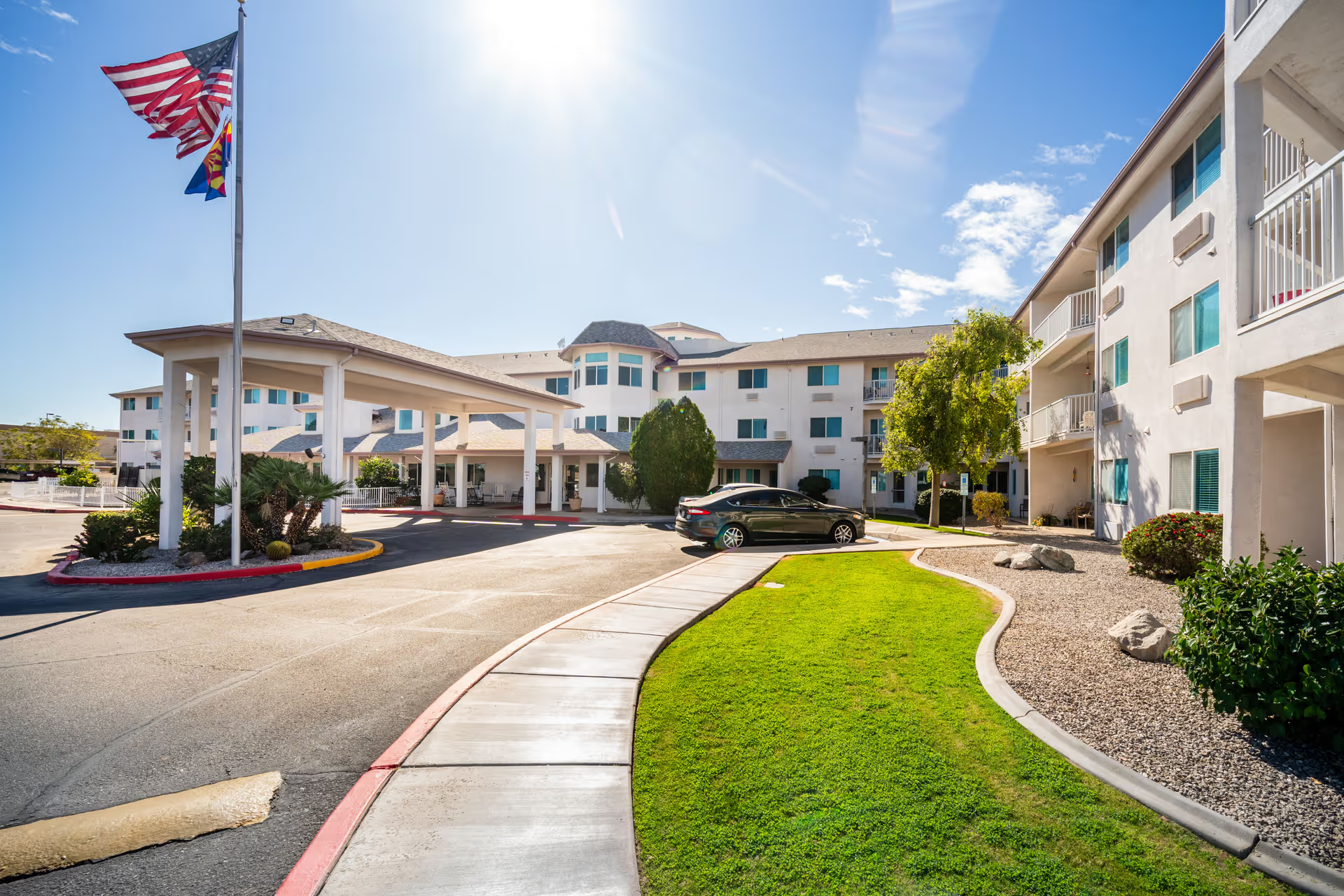
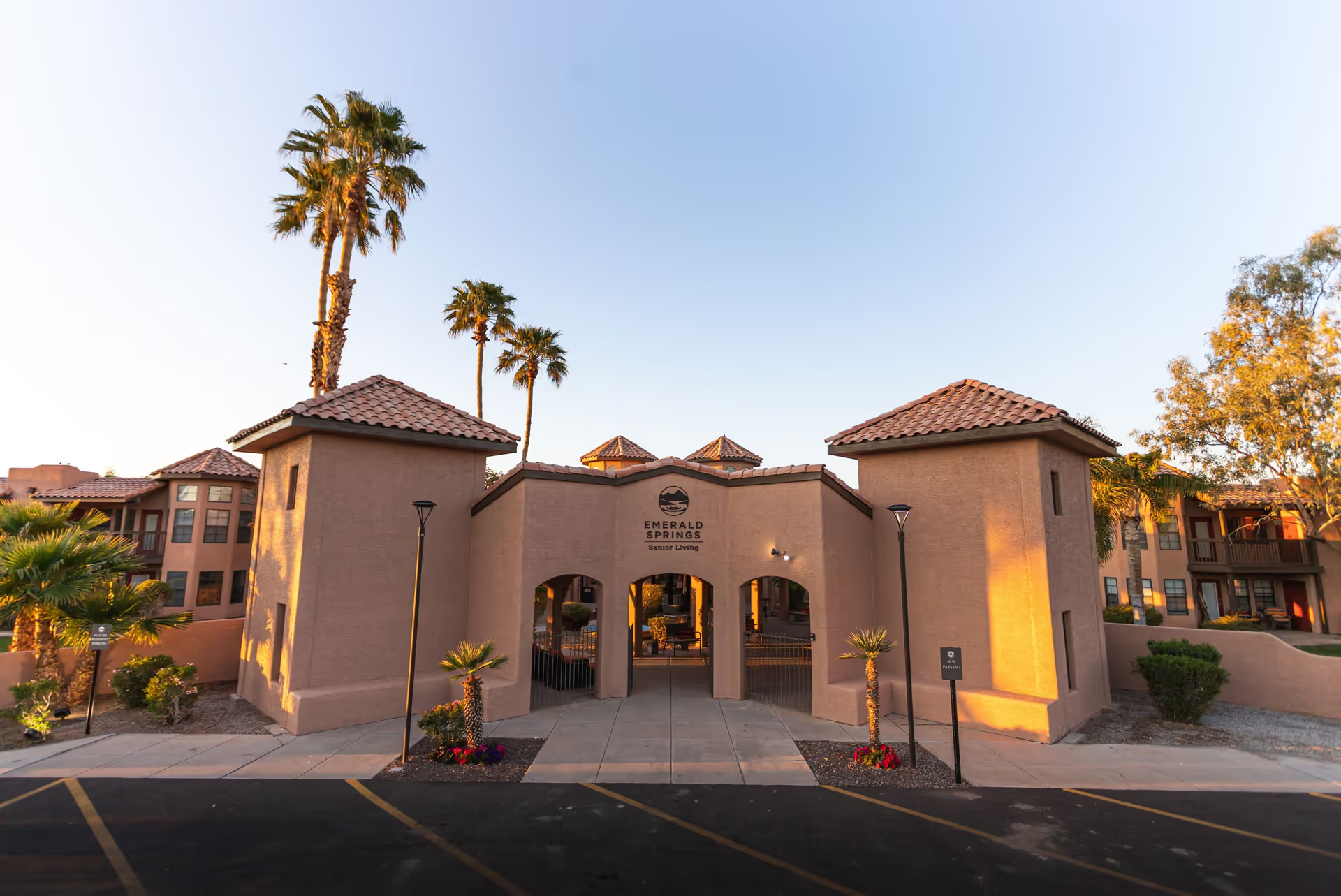
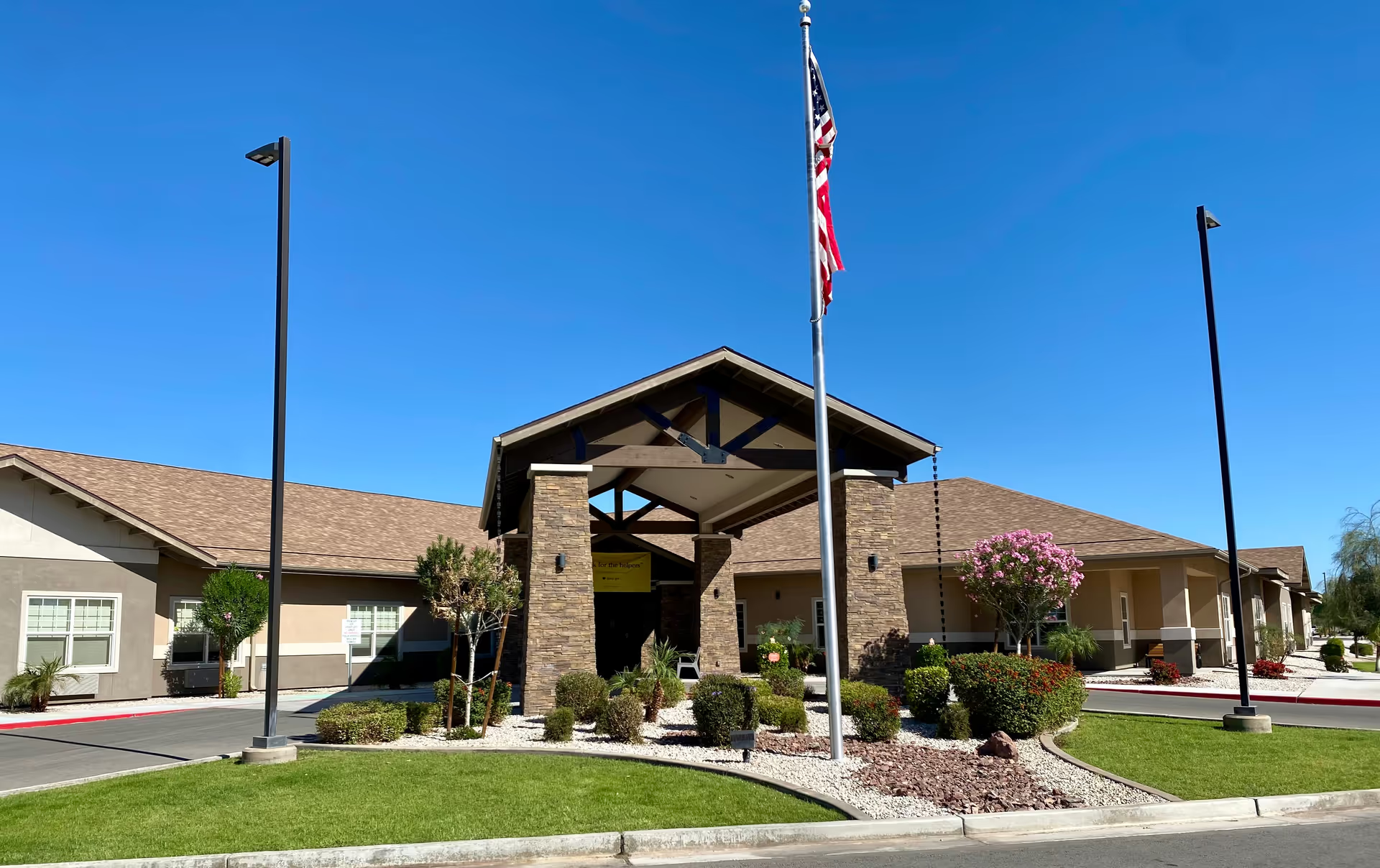
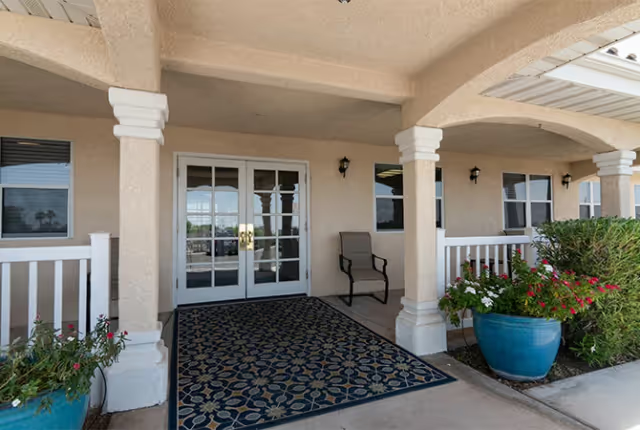
Reviews of Ridgeview Transitional Rehabilitation present a mixed but clearly clustered picture. Many families and residents describe consistently strong frontline caregiving: nurses, CNAs, and therapists are frequently characterized as compassionate, attentive, and skilled. The rehabilitation team in particular receives repeated praise for motivating therapy, measurable progress (including stroke recovery), and supportive discharge planning. The facility's physical environment is also a clear strength — reviewers describe a new, clean, state-of-the-art building with large hotel-style private rooms, a well-equipped PT area, and pleasant communal spaces.
Dining and activities are commonly mentioned as positives. Multiple accounts note nutritious, accommodating meals, the ability to meet special-diet needs, and accessible snack options. Activities coordination and efforts to involve residents in dining and social interaction contribute to a family-like atmosphere and extended visiting hours that some families found helpful. Social services and administrative staff are often credited with assisting insurance navigation and discharge logistics.
At the same time, a distinct set of operational concerns recurs across reviews. Several comments point to inconsistent clinical monitoring and delays in bedside response, which families linked to issues such as missed medications or delayed use of respiratory devices. Fall-prevention and transfer-safety practices are repeatedly questioned; these descriptions suggest gaps in training, supervision, or protocol adherence rather than isolated events. Reviewers also describe variability in personal-care assistance and sanitation-related support, indicating uneven execution of activities of daily living (ADL) care.
Management and administrative practices draw mixed assessments. While some families praise social services and customer service, others describe weak incident reporting, limited transparency around complaints, and inconsistent communication with families. A few reviews referenced limited on-site physician coverage and the presence of less-experienced staff, which may magnify clinical-risk perceptions. There are also mentions of transportation and driver-training shortcomings that affect access. A small number of more serious claims include regulatory complaints and allegations of review manipulation; these should prompt direct inquiry during a tour or phone call.
Practical considerations for prospective residents and families: verify current staffing levels and clinical oversight (including on-site physician availability), ask for written fall-prevention and incident-reporting protocols, inquire about call-light response expectations and respiratory-device management (for example, CPAP procedures), and confirm therapy scheduling relative to insurance limits. A firsthand tour and direct conversations with nursing leadership and therapy staff will help assess whether the facility's well-documented rehabilitation strengths align with acceptable safety and communication practices for your situation.