Overall impression: The facility presents a mixed but largely positive profile. Strengths center on competent long-term convalescent care, an orderly physical environment, and generally professional, respectful staff. At the same time, recurring operational weaknesses related to short-term rehabilitation coordination and discharge logistics reduce the suitability of the site for brief post-acute stays.
Care quality and staff: Families and patients commonly describe the nursing and support staff as professional, caring, and respectful. Nursing supervision and general safety practices are frequently characterized as strong, and therapists are portrayed as knowledgeable when engaged in planned rehabilitation. However, there are intermittent concerns about internal communication and care coordination, producing variable responsiveness to specific requests and occasional delays in attending to personal-care needs.
Rehabilitation and discharge: A notable pattern is the distinction between long-term convalescent capability and short-term rehabilitation performance. The facility appears well resourced for extended convalescent stays, but accounts indicate gaps in short-term rehab coordination — examples include therapy-scheduling barriers and equipment not being provided at discharge. These are operational issues that affect transitions of care and patient mobility supports at discharge.
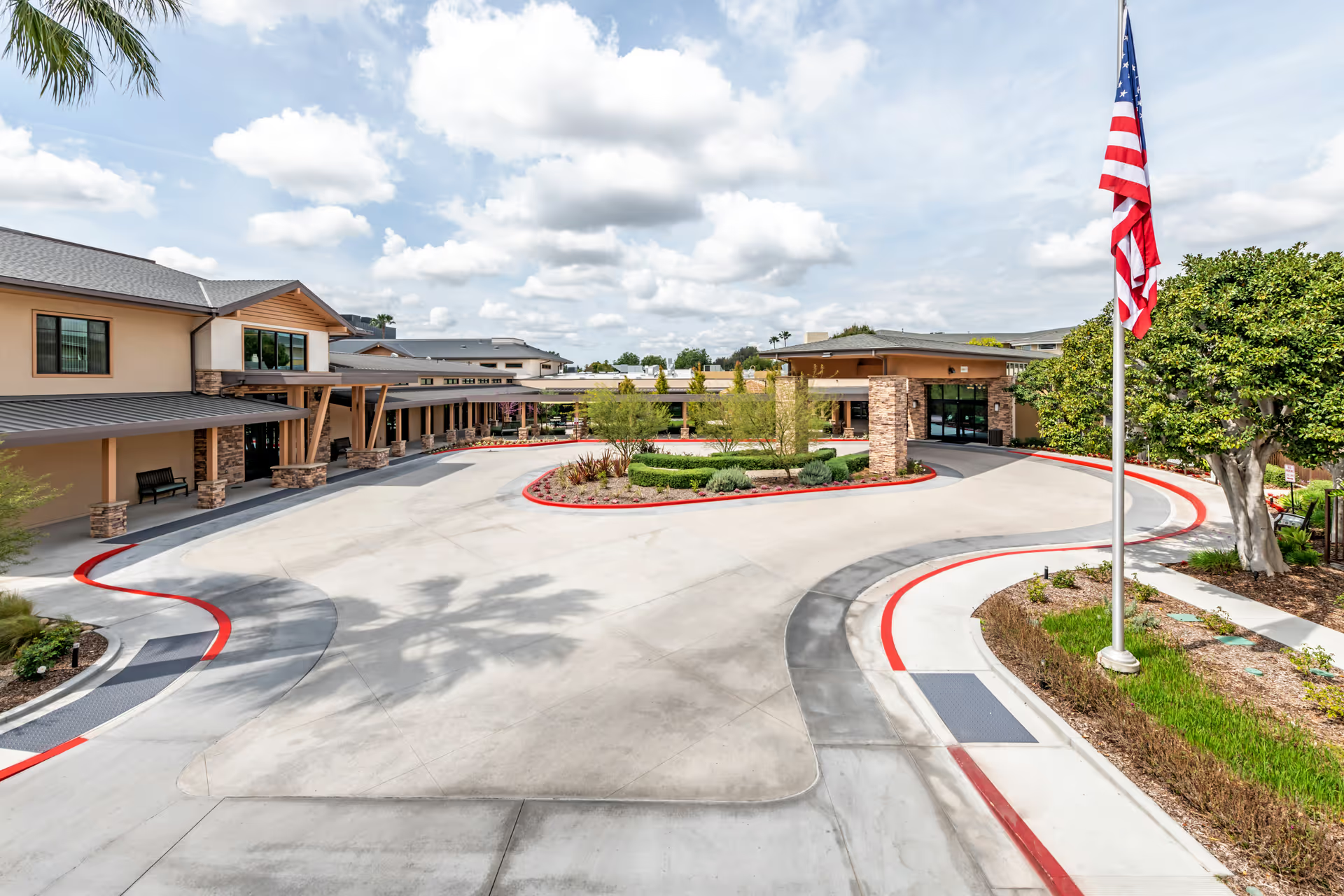
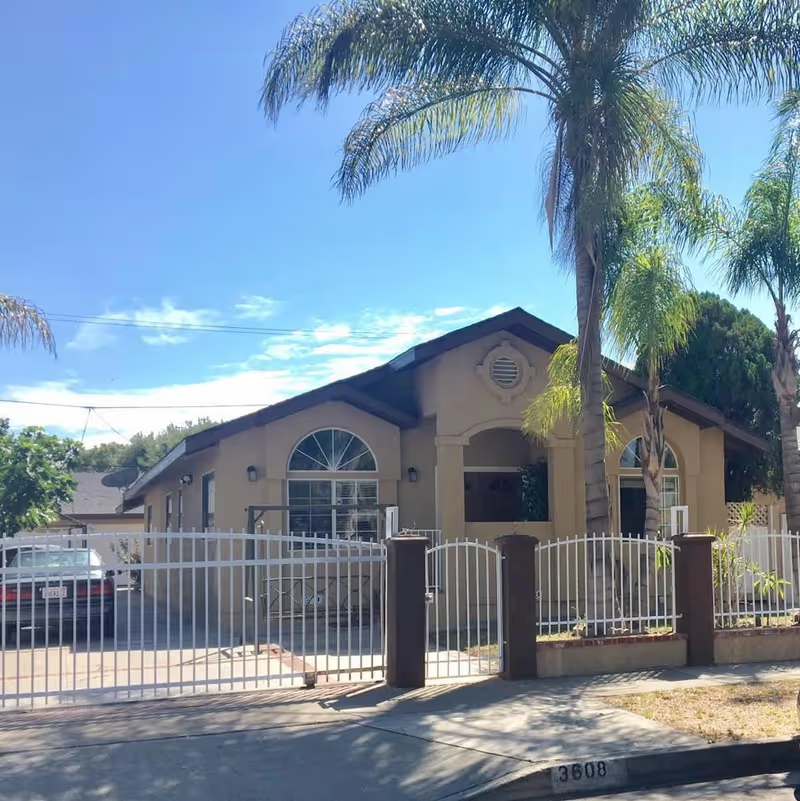
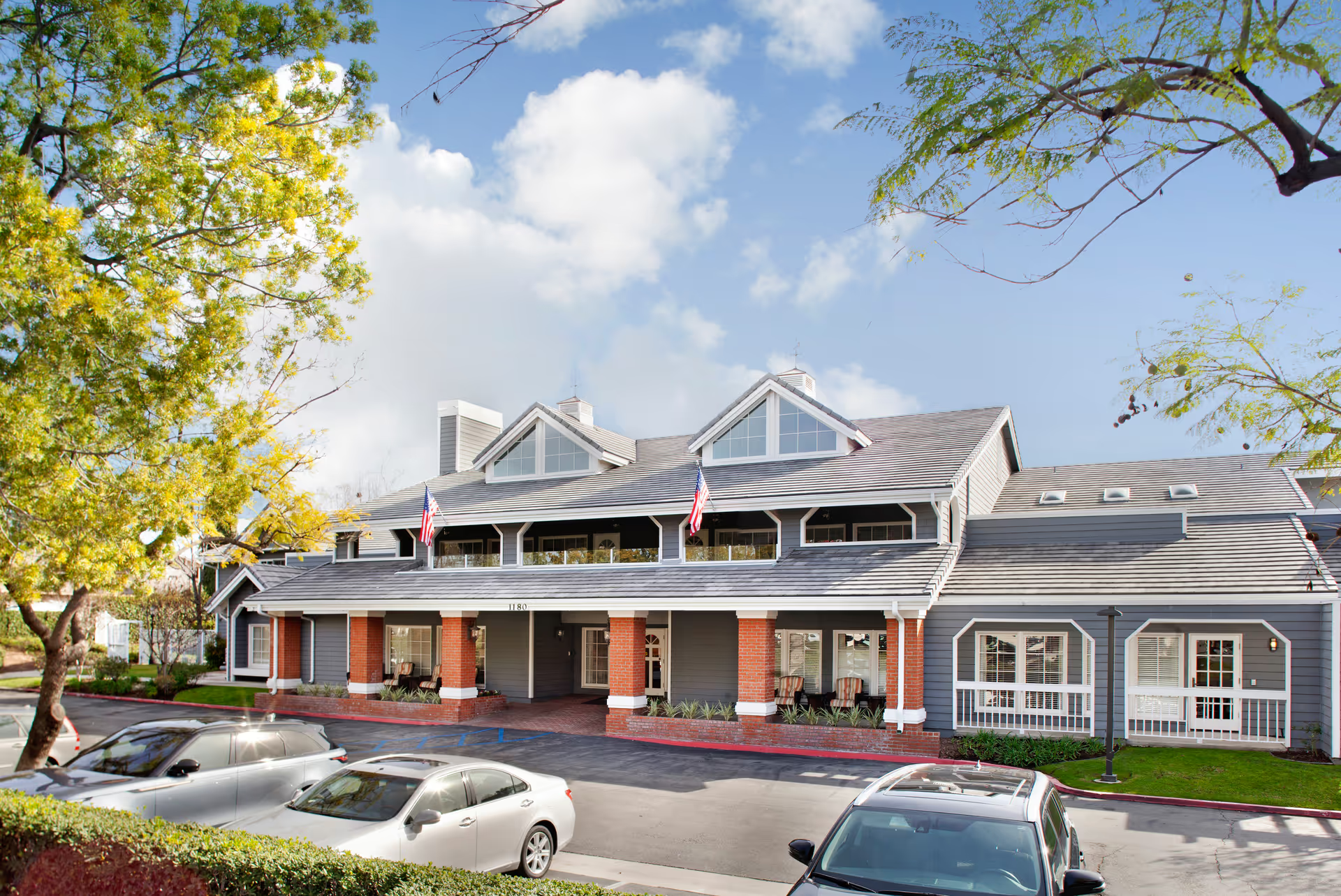
Dining, activities, and facilities: The physical plant is described as clean, bright, and well maintained, in a quiet and safe setting. Meals receive mixed assessments: many cite nutritious, appetizing offerings and fresh food, while others describe inconsistent food quality or a less favorable dining experience. The dining area configuration — at times resembling a multipurpose or recreational space — may contribute to variability in mealtime atmosphere. There is limited specific feedback about structured activities beyond the dining/recreation overlap.
Management and notable patterns: Management and overall oversight are generally viewed positively, with several accounts describing a professional atmosphere and good patient supervision. The principal operational risks are weak short-term rehab processes, discharge planning lapses (including equipment provisioning), and uneven staff communication. For prospective residents and families, the facility is often recommended for long-term or convalescent stays given its strengths, but it may be less suitable for those seeking intensive, short-term post-acute rehabilitation unless the facility can demonstrate improved coordination and discharge procedures.