The set of reviews presents a polarized picture of care at this facility. A substantial number of families and former patients describe high-quality rehabilitation, engaged activities, compassionate bedside staff, and a generally clean, renovated environment. At the same time, there are consistent themes describing operational variability—particularly around overnight staffing, clinical responsiveness, and communication—that materially affect some residents' experiences.
Care quality is mixed. Positive accounts emphasize effective physical therapy programs that supported recovery of mobility and function, along with skilled therapists and attentive nursing in many cases. Conversely, several accounts raise concerns about medication handling and delays in antibiotic administration, inconsistent wound-care follow-up, and missed or irregular therapy sessions. There are isolated allegations of severe clinical outcomes; such claims point to the need for prospective families to review clinical protocols, recent survey history, and escalation procedures carefully.
Staffing and staff conduct show clear variability across shifts. Daytime staff, therapy teams, and some managers are frequently described as communicative, helpful, and proactive. Night-shift care and responsiveness are the most commonly cited problem areas: families report slower response times, noise-control issues, and less supervision overnight. Communication challenges also appear as a recurring operational weakness—difficulty reaching staff by phone, delays in family updates, and inconsistent follow-through from administration are mentioned alongside instances of positive, hands-on management.
Dining and activities are generally strengths. Several reviewers praise punctual meals, enjoyable cuisine, and a robust activity calendar (music, bingo, movies, outings, and a resident shop). However, there are repeated concerns about inconsistent implementation of therapeutic or restricted diets (notably diabetic meal plans), and families should confirm dietary protocols and monitoring processes during tours.
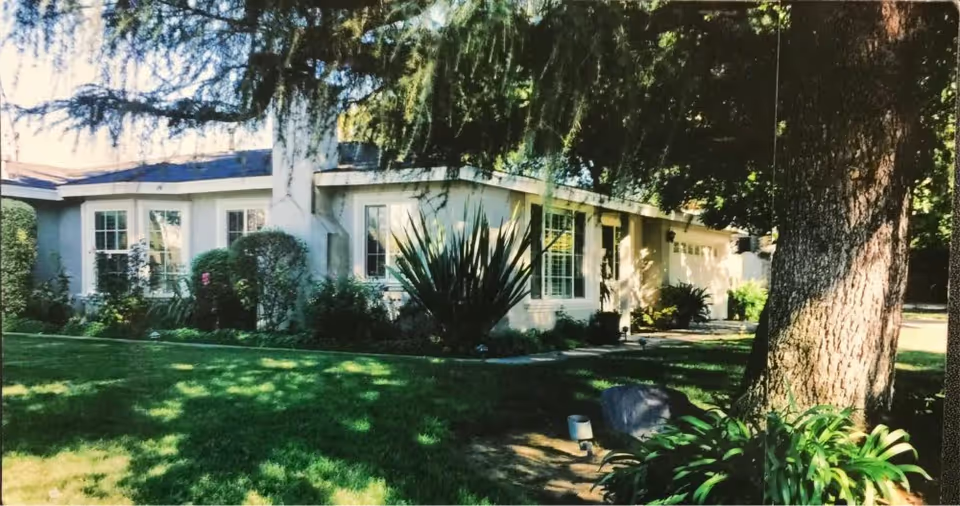
Facility condition and logistics are similarly mixed. Many reports note renovated rooms, updated restrooms, pleasant common areas, and accessible outdoor space. Other reports describe older or crowded sections, limited private-room availability, supply-management problems (gown/towel shortages, laundry delays), and inadequate climate control in parts of the building. Nighttime noise and multi-occupancy room arrangements are frequent contributors to privacy and sleep-quality concerns.
Management impressions vary: some families highlight responsive administrators and specific staff who went above and beyond, while others describe slow managerial availability, poor phone routing, and unresolved service issues. Given the pattern of divergent experiences, prospective residents and families are advised to conduct a focused assessment before placement: tour the facility across different shifts (including nights), ask for staffing ratios, review medication- and wound-care protocols, confirm diabetic/dietary procedures, inquire about laundry and supply turnaround, and request recent inspection reports. These steps can help reconcile the facility’s documented strengths in rehabilitation and activities with the operational inconsistencies reported by other families.