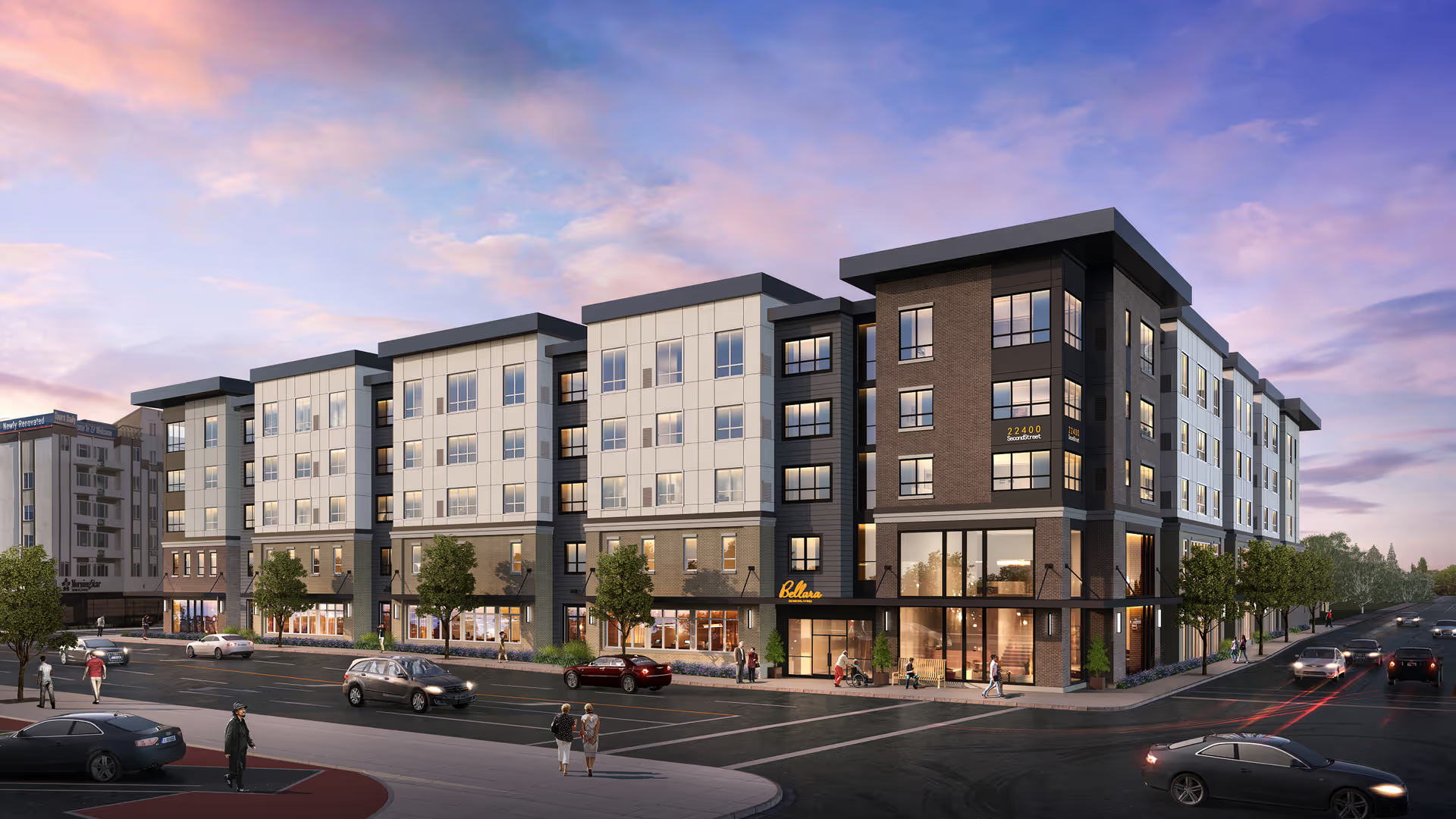
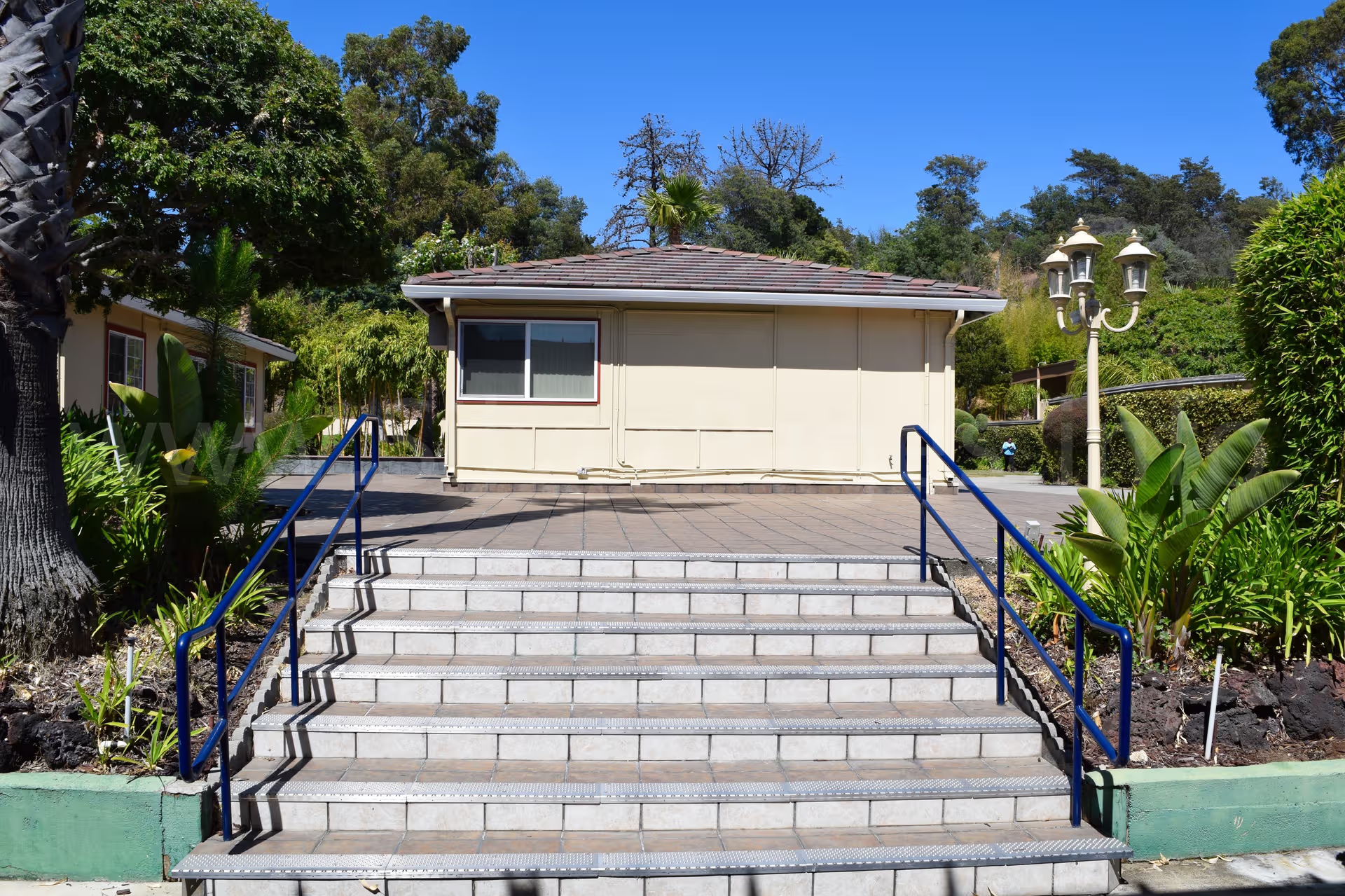
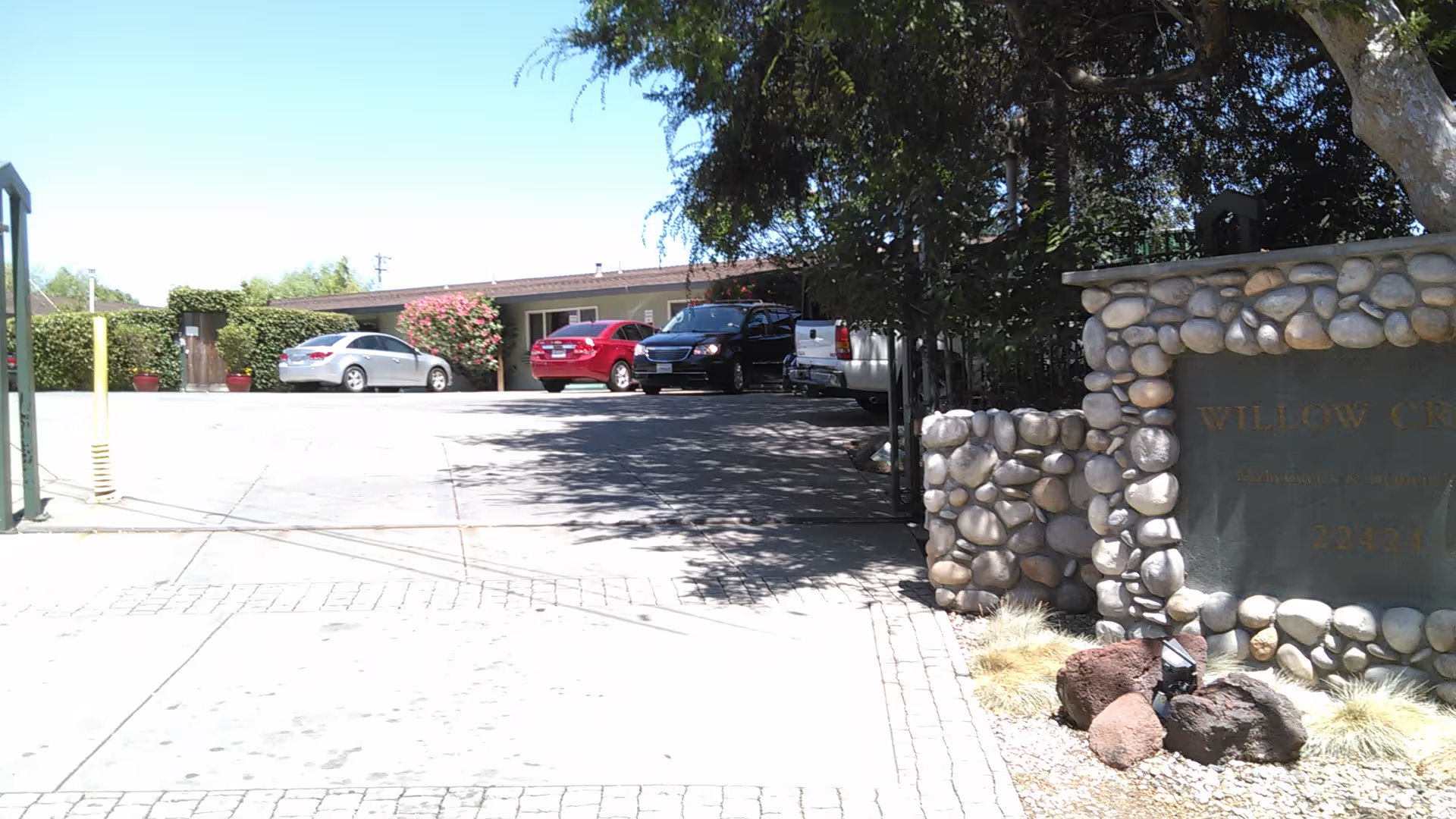
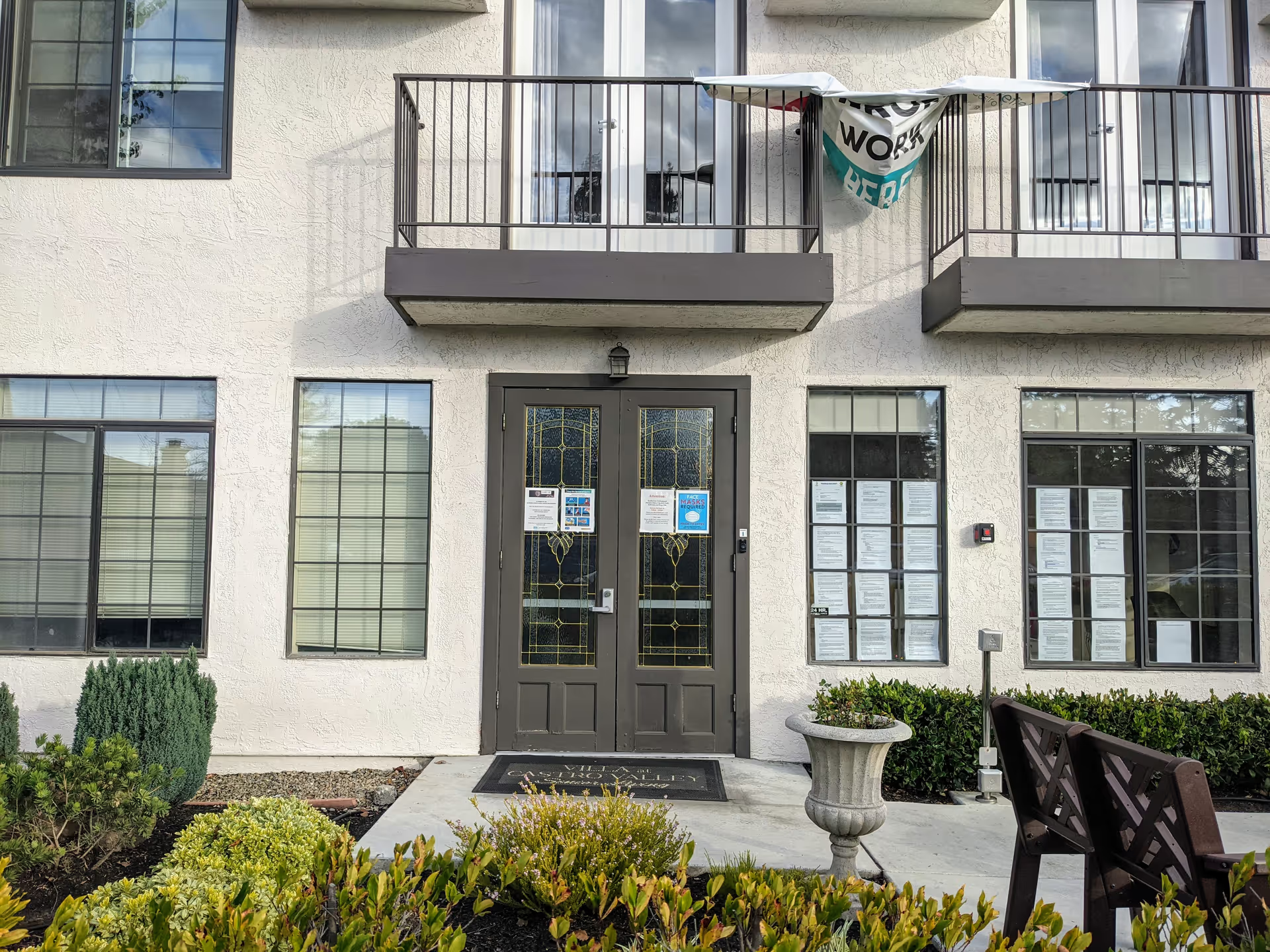
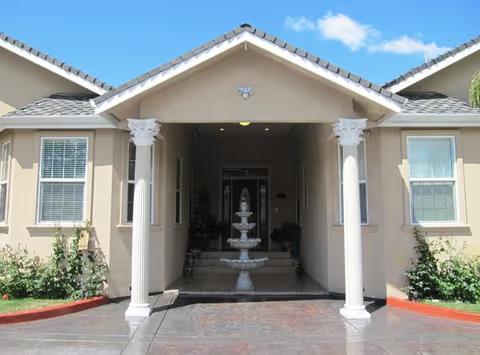
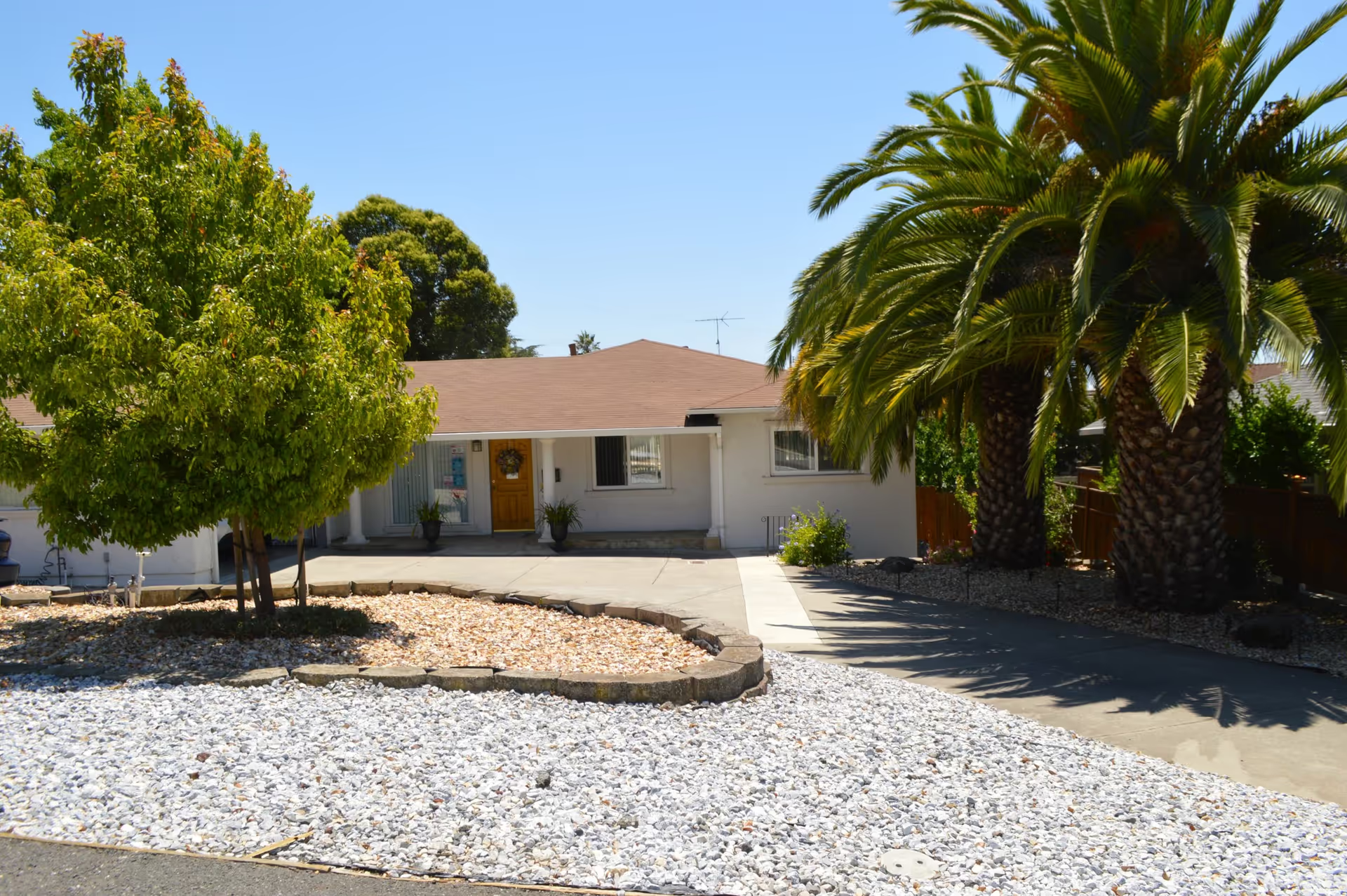
Reviews cluster around a clear set of strengths: reviewers frequently describe a small (approximately 28-bed), home-like setting with compassionate, attentive nurses and CNAs who provide personalized care. Clinical coverage was highlighted — reviewers cited regular physician rounds, in-house physical and occupational therapy, dietician involvement, and active social-work support. Several families credited the facility’s rehabilitation program and continuity-of-care arrangements (including post-discharge home health and equipment coordination) with measurable improvements in mobility and cognition.
The facility’s culture and operations are often described as family-oriented and resourceful. Cleanliness and well-maintained common areas are commonly noted, as are engaging activities and events that keep residents involved. Positive operational details include short staff response times, accommodations for hearing-impaired residents, and availability of multilingual nurses. Multiple accounts emphasize helpful transition services and efficient processes that support discharge planning when those systems function as intended.
However, the reviews also reveal variability in experience. While many accounts are highly positive, others describe less favorable stays. The pattern suggests inconsistent quality across admissions: therapy effectiveness and timeliness were praised in some cases and questioned in others; similarly, discharge timing and coordination appear reliable at times but rushed or poorly communicated on other occasions. Communication style from case management/social-work and family information-sharing were specific areas of concern for some families.
Dining impressions are mixed: several reviewers complimented the food and meal service, while isolated comments described subpar meals, indicating possible inconsistency in dining quality. A small number of reviewers raised broader concerns about responsiveness and safety during particular stays; these were not framed as facility-wide regulatory findings but do point to potential gaps in incident response, staffing consistency, and family communication during higher-acuity periods.
For prospective residents and families: the facility shows clear strengths in individualized attention, in-house therapy, and a small, supportive environment that facilitates rehabilitation for many residents. At the same time, expect variability and ask targeted questions during a tour — inquire about current therapy staffing ratios and schedules, the discharge-planning process, how the facility communicates with families and handles concerns, recent outcomes data or therapy success measures, and the most recent inspection or quality reports. These checks will help determine whether the facility’s operational rhythms match the level of consistency you require.