Overall sentiment across the review summaries is clearly positive with several important strengths repeatedly emphasized, while a few operational and staffing inconsistencies recur as notable concerns. Reviewers repeatedly praise clinical and rehabilitative care, the physical environment, and dining options. However, they also report issues related to room crowding, disturbances that affect rest, and uneven caregiver skill levels.
Care quality is one of the strongest themes. Multiple summaries describe nursing staff as attentive and competent. Therapy services are singled out as "excellent," and several comments highlight the facility's helpfulness toward rehabilitation, suggesting strong coordination between nursing and therapy teams. The attending physician is specifically noted for effective clinical management — one summary credits the doctor with achieving infection remission — which reinforces a perception of solid medical oversight. Overall the clinical picture presented by reviewers is very favorable: strong nursing attention, high-quality therapy, and an effective medical provider.
Staffing and interpersonal interactions are mostly positive but mixed. Many reviews describe staff as nice, accommodating, and competent; reviewers report having a "wonderful experience" and encountering staff who are helpful during rehabilitation. At the same time, there is an explicit, repeated concern that caregiver qualifications are inconsistent: while "some caregivers [are] very qualified," others are described as "not qualified." This contrast points to variability in front-line caregiver skill or training that could affect daily resident experience despite generally strong nursing and physician care.
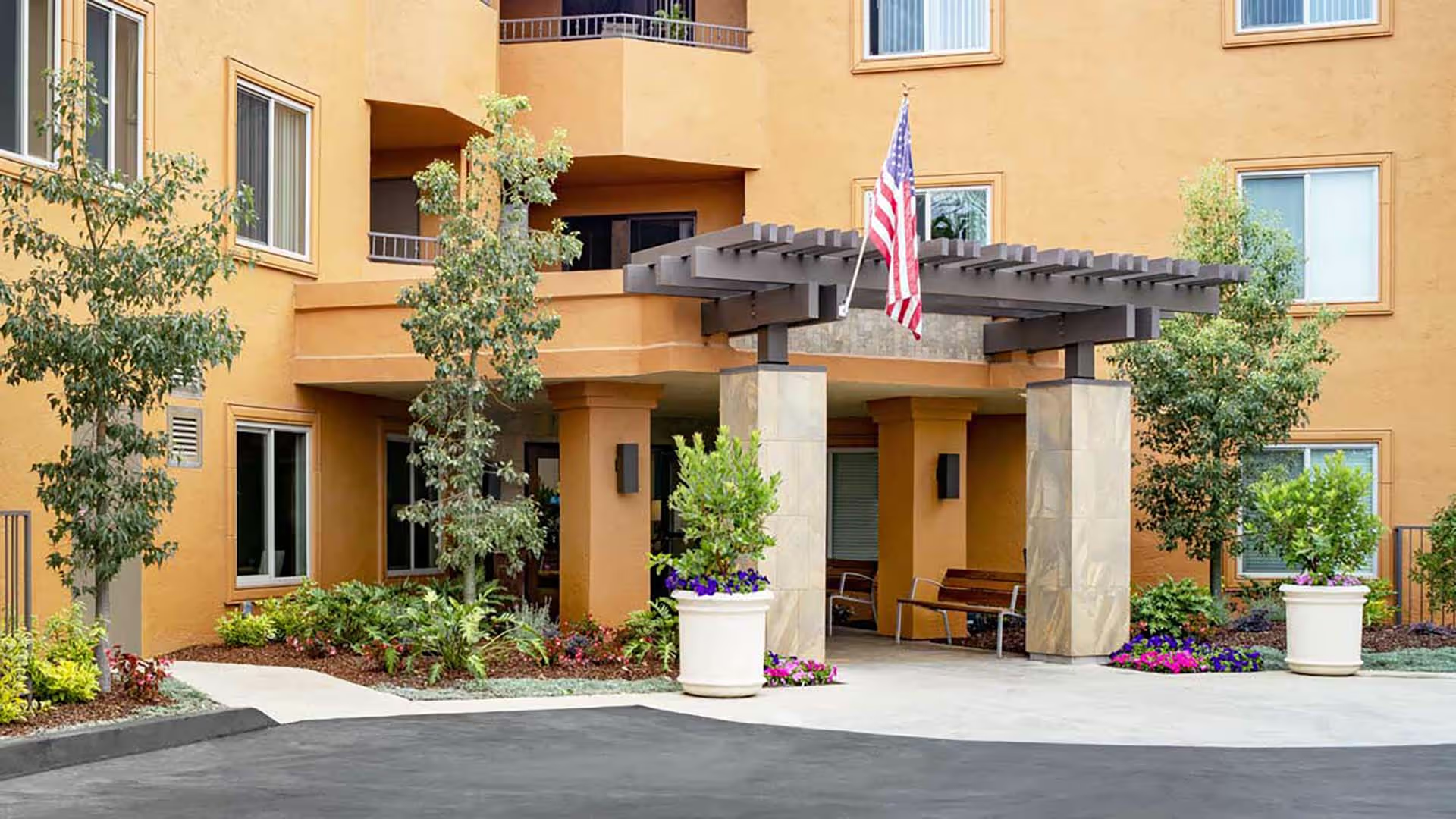
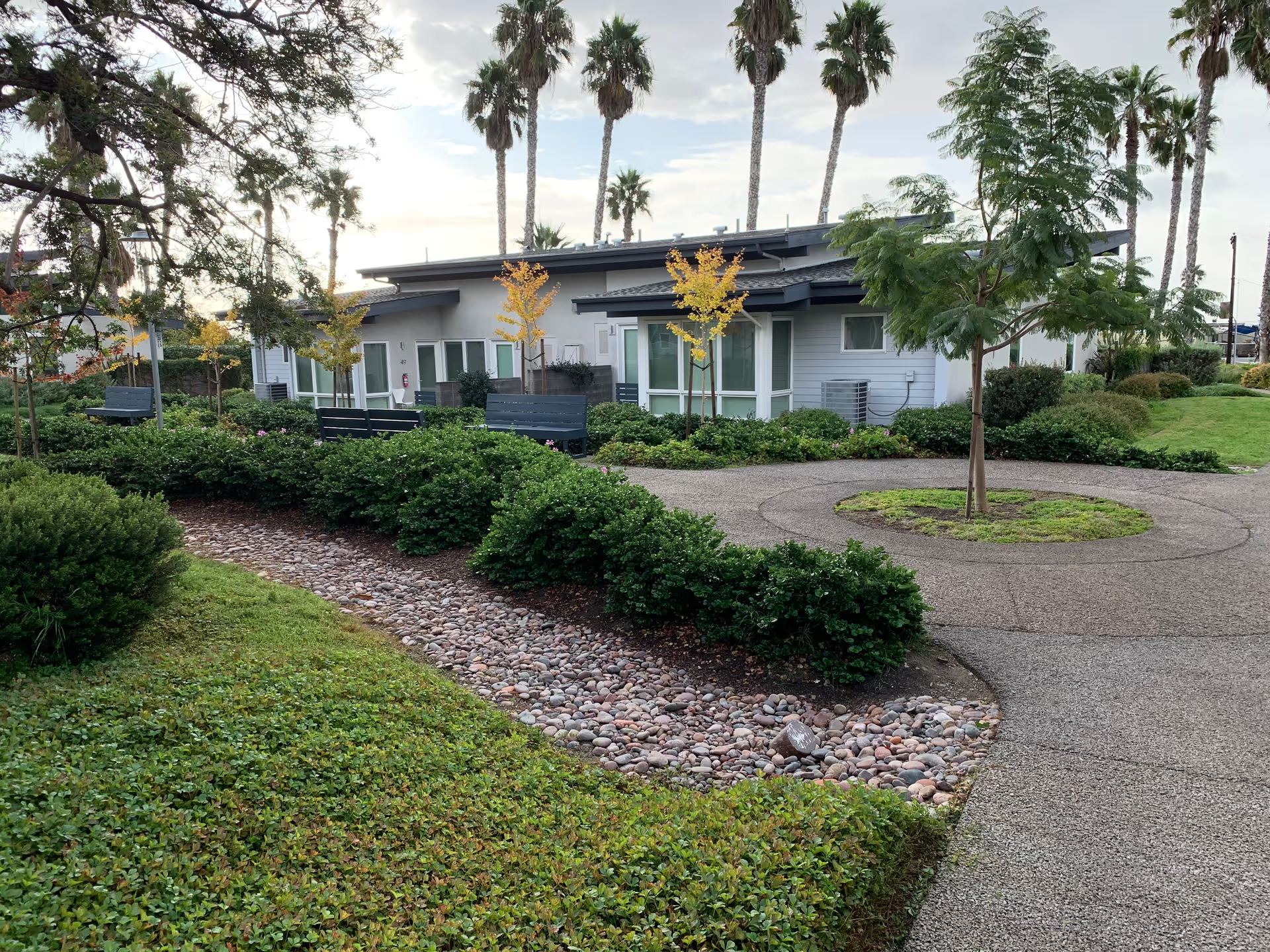
The facility and rooms receive favorable remarks: reviewers call the rooms "beautiful" and the overall maintenance as good, which supports a strong impression of the physical environment. Room size is described as "adequate," but that positive assessment is tempered by multiple mentions of crowded rooms and room changes. Those conditions appear to lead to practical problems for residents, especially difficulty resting and disturbances. In short, while the aesthetic and upkeep of the campus are positive, roommate situations or room-management practices have created noise and comfort issues for some residents.
Dining is another clear strength: reviewers note good food and a diverse menu with options available. This consistent praise suggests the facility meets dietary and dining expectations for variety and quality, which is an important aspect of day-to-day resident satisfaction.
There is limited information in the summaries about activities, social programming, administrative responsiveness, or long-term outcomes beyond the single medical success noted. That absence of commentary means no conclusions can be drawn from these summaries about those areas. The most actionable patterns from the available comments are (1) high marks for clinical care, therapy, facilities, and dining; and (2) operational issues around room assignments/crowding and variability in caregiver qualifications. Addressing room crowding/room-change disruption and standardizing caregiver training or staffing could reduce the main negatives cited while preserving the many strengths reviewers praise.