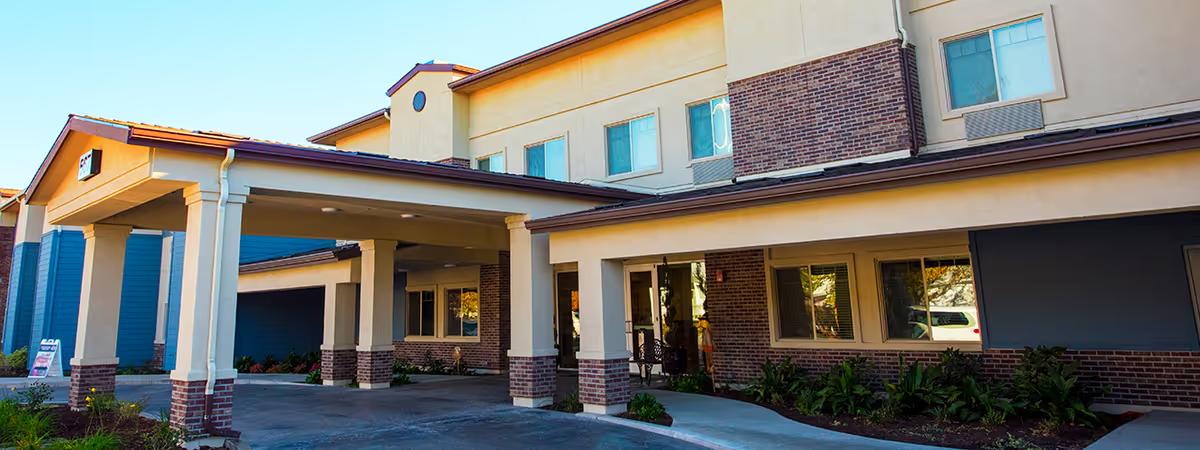
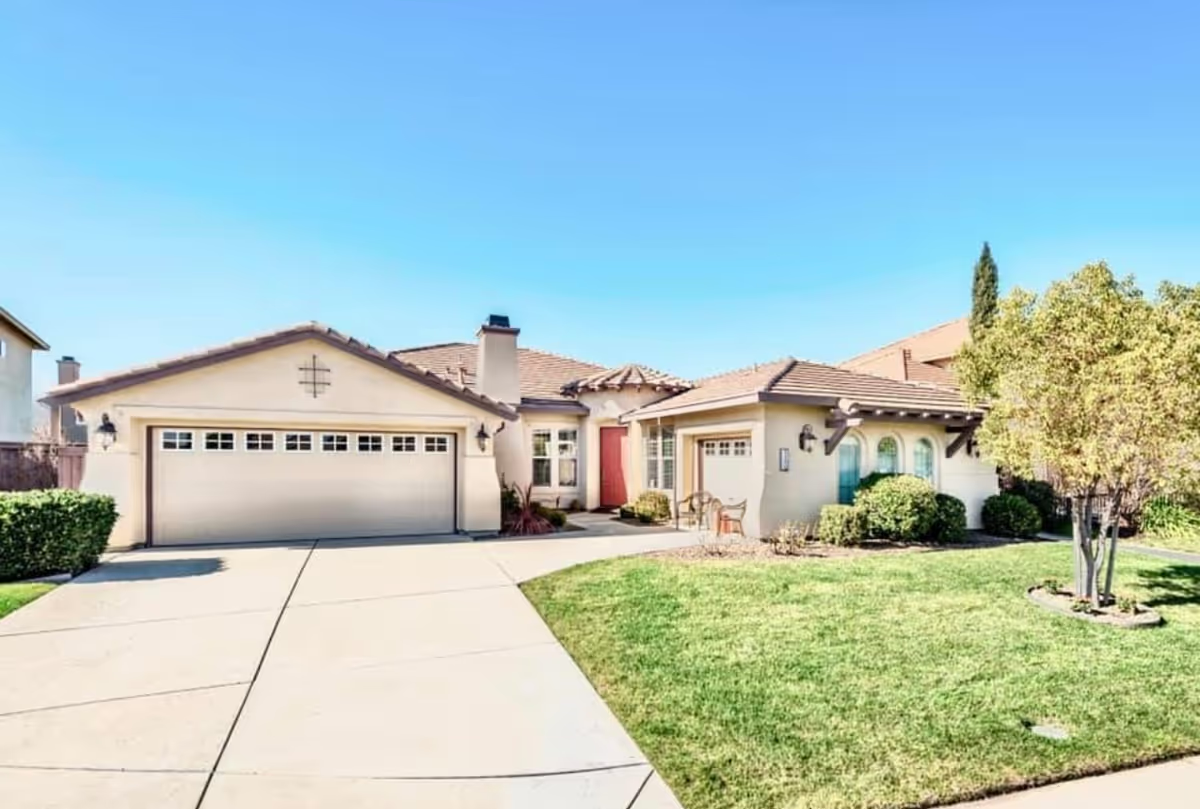
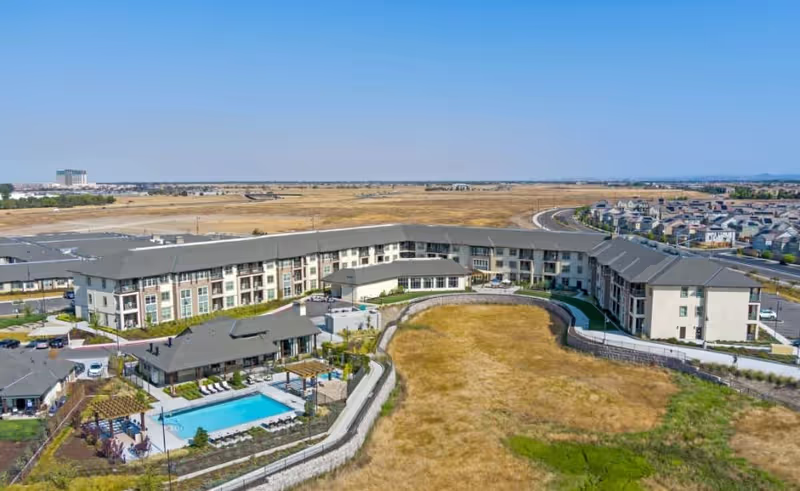
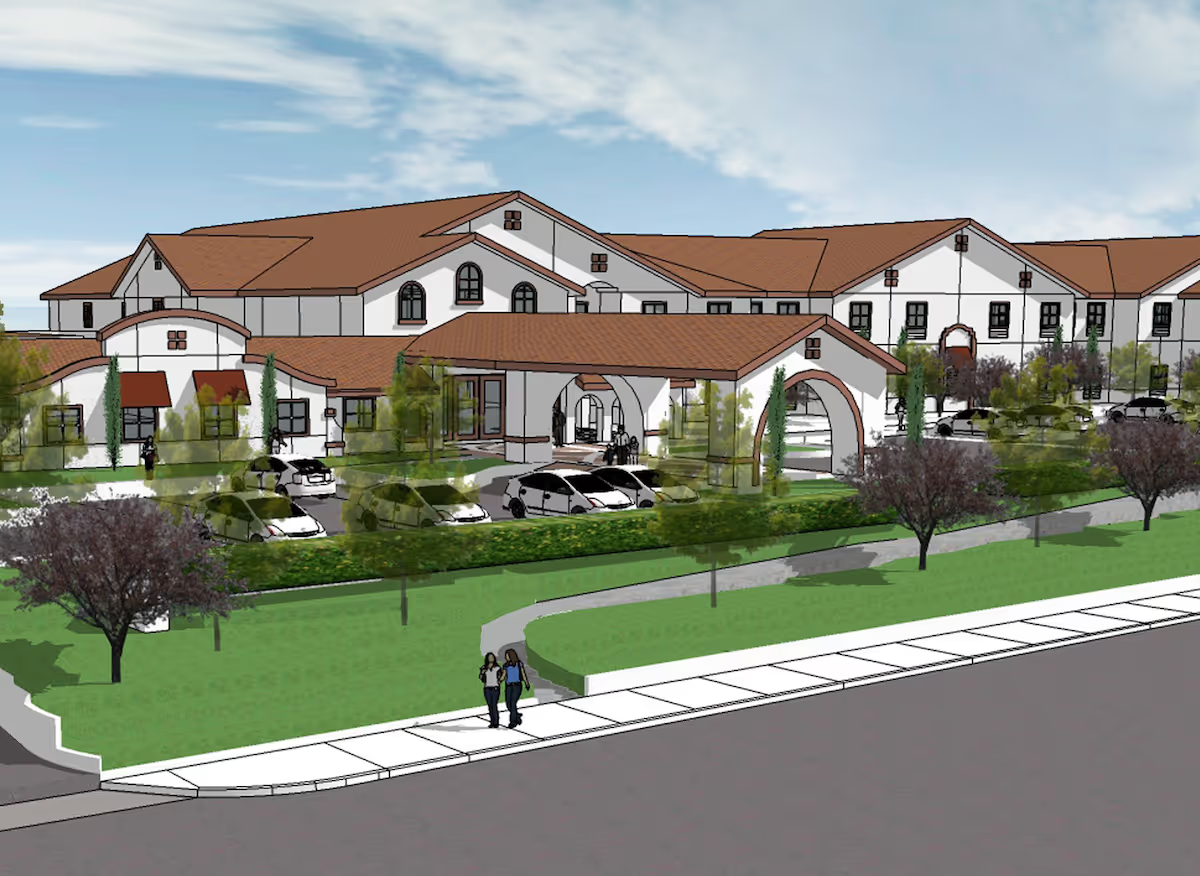
The reviews present a mixed but distinct pattern: Lincoln Meadows Care Center receives frequent praise for its interpersonal strengths and therapy capabilities, yet also shows recurring operational weaknesses that families should consider. Many reviewers emphasize compassionate, attentive nursing and caregiving staff, an effective therapy team (PT/OT/speech), an engaging activities program, attractive grounds and views, and an overall clean, recently updated environment. Admissions and front-desk personnel are often described as warm and helpful, and several families reported good short-term rehabilitation results and individualized attention that supported mobility and recovery goals.
Care-quality signals are uneven. Positive clinical examples include proactive nurse practitioners, strong therapy-led progress, and staff who go beyond basic tasks to support residents’ dignity and morale. Counterbalancing those accounts are repeated concerns about timeliness and consistency of clinical care: delayed medication administration, missed or inconsistent bathing and toileting assistance, wound-care adherence gaps, and occasional delays in escalating to higher-acuity medical evaluation. A small number of reviewers raised concerns following a resident's death and about the timeliness of hospital transfers; these issues underscore variability in clinical oversight and escalation.
Staffing and management appear to be key drivers of the mixed experience. Several reviewers cited understaffing, staffing instability, and variable staff competence as root causes for delayed responses, missed care tasks, and uneven therapy availability. At the same time, there are comments noting leadership efforts to improve operations, an interim director working proactively, and visible departmental collaboration. Communication and discharge-planning processes are another recurring theme: families described confusing discharge coordination, documentation inconsistencies, and occasional lapses in family notification during critical events.
Dining, activities, and amenities are frequently listed among the facility’s strengths. Reviewers commonly complimented the quality and variety of food, the dining experience, and robust activity offerings that support social engagement. That said, some families described inconsistent meal portions, limited snack and refrigeration access, and occasional difficulties meeting specific dietary needs. The physical plant—including remodeled areas, natural light, and garden views—receives positive comments, although a subset of reviews noted sanitation and odor concerns in specific rooms or nearby areas that merit attention.
Safety and operational patterns worth noting include reports of delayed responses to call bells (including extended waits for restroom assistance), fall-prevention and transfer-safety gaps, and entry/exit monitoring issues. Documentation and medical-record consistency were also raised as concerns, including unclear or contradictory notes around care events. One allegation concerning fabricated positive reviews was mentioned and represents a reputational concern that would warrant independent verification.
In summary, Lincoln Meadows demonstrates clear strengths in person-centered nursing interactions, rehabilitation services, activities programming, and facility ambience. However, persistent operational issues—especially around staffing consistency, medication administration, timely personal-care assistance, clinical escalation, and communication/documentation—create variability in resident experience. Prospective residents and families are likely to benefit from an on-site visit focused on staffing ratios for the intended unit, specific medication- and wound-care protocols, bathing and toileting schedules, discharge and escalation procedures, and verification of dietary accommodations and sanitation practices.