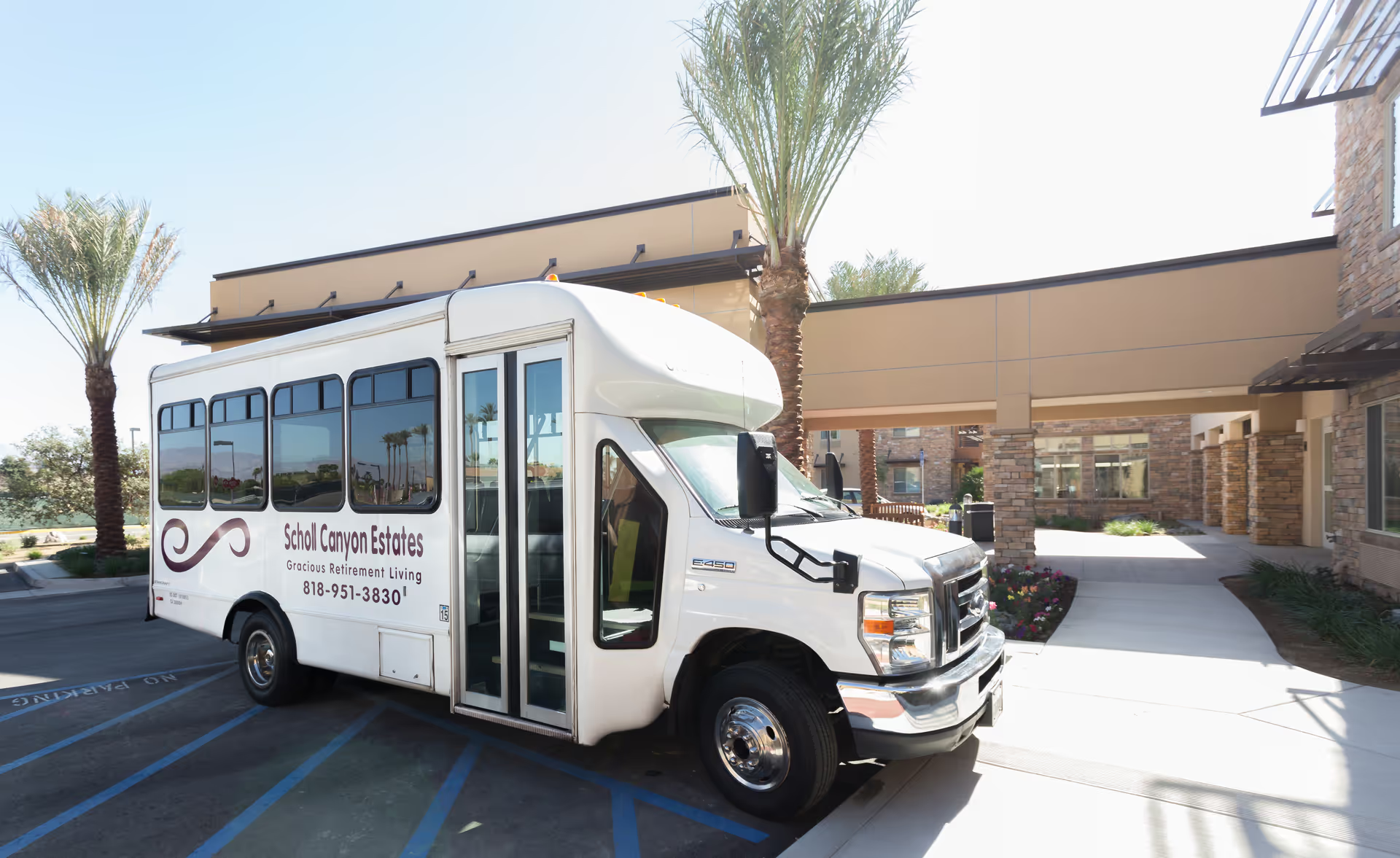
Overall impression: Skyline Healthcare Center - Los Angeles presents as a clinically capable facility with pronounced strengths in nursing care, therapy, and short‑term rehabilitation. Many accounts emphasize compassionate, attentive clinicians across RNs, LVNs, CNAs and therapy teams, and families commonly describe successful recoveries and positive rehabilitation outcomes. Administrative functions such as admissions, insurance coordination, and transport logistics are frequently described as efficient and helpful, which supports smoother transitions into and out of the facility.
Care and staff: The facility is characterized by a dedicated clinical team and a multidisciplinary support structure that includes maintenance, kitchen, and housekeeping staff. Reviewers often highlight attentive nursing, competent therapy services, and a general culture of teamwork. At the same time, persistent operational concerns appear: staffing levels are sometimes described as insufficient for the census, which reviewers link to slower responsiveness. There are also reports of inconsistent staff professionalism and tone, and some families express reluctance to raise concerns because of perceived repercussions. Specific operational gaps include delays in coordination between occupational/physical therapy and direct care staff, and occasional weaknesses in supervising residents during nighttime hours.
Dining and activities: Dining impressions are mixed. Multiple accounts praise the presentation and nutritional balance of meals, and some residents found the food tasty. However, there are also comments describing uneven meal satisfaction, indicating variable dining quality across shifts or menus. Activity programming is not a frequent focus in the available comments; where mentioned, the emphasis is more on clinical rehabilitation than on social programming.
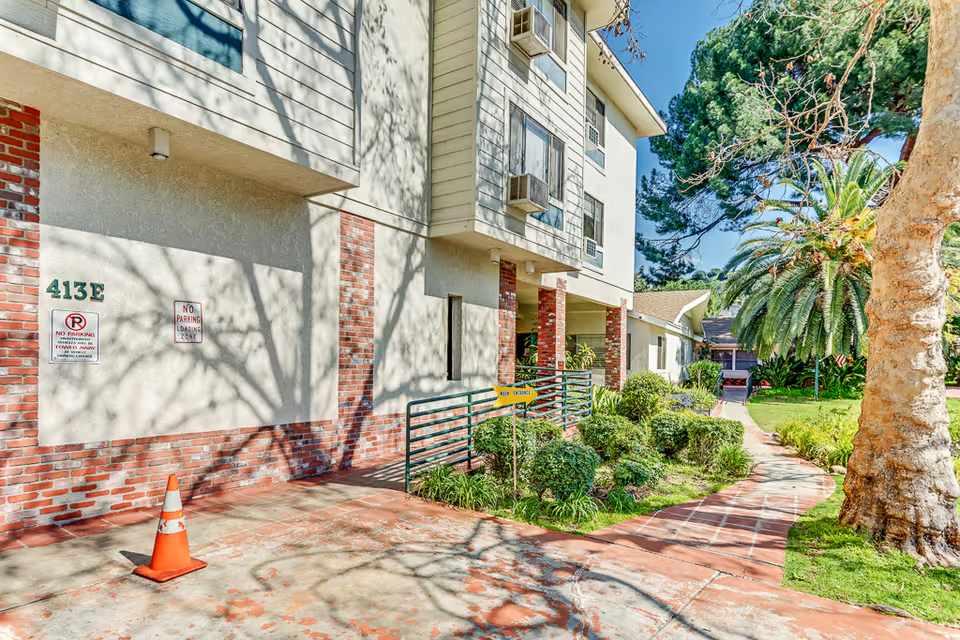
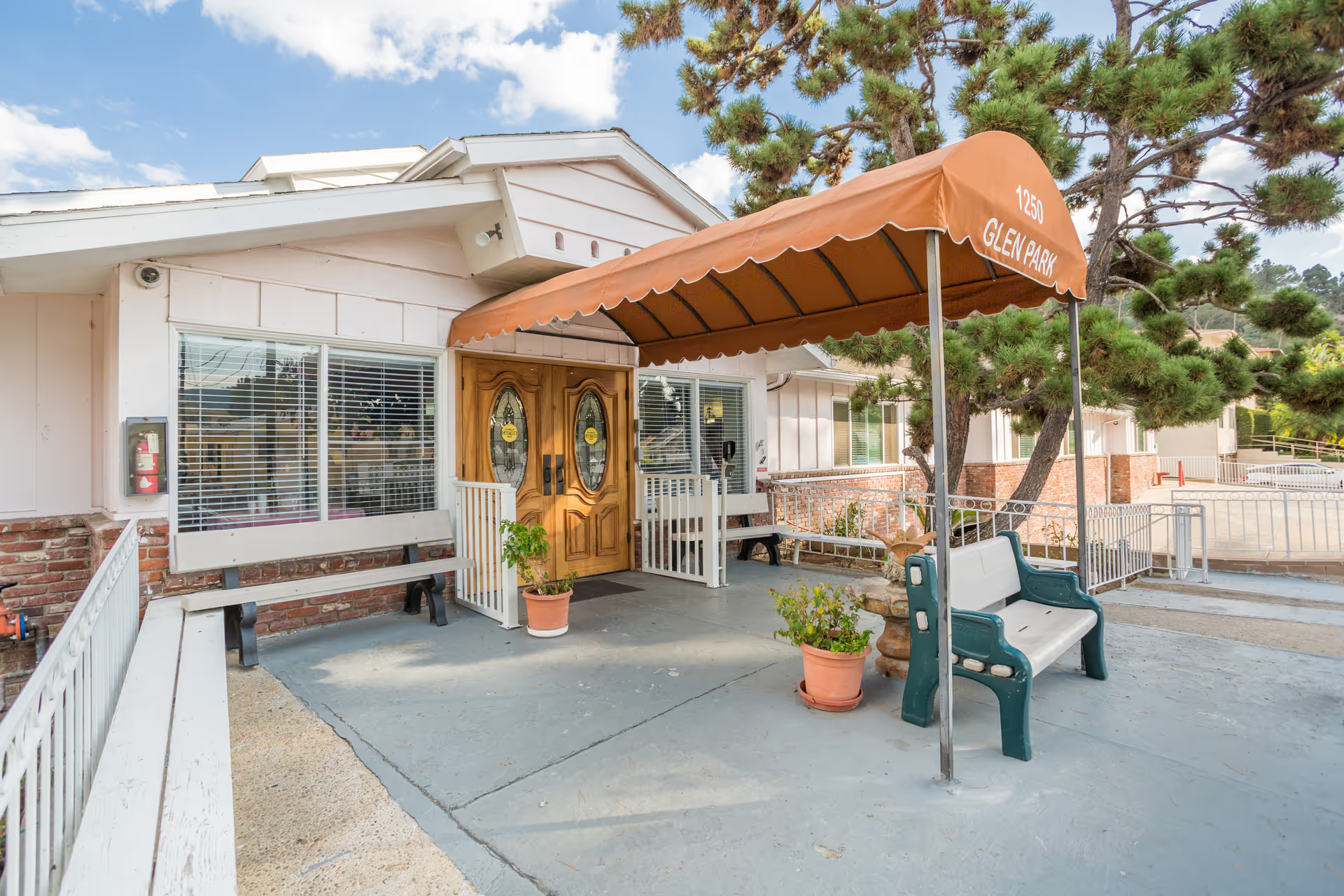
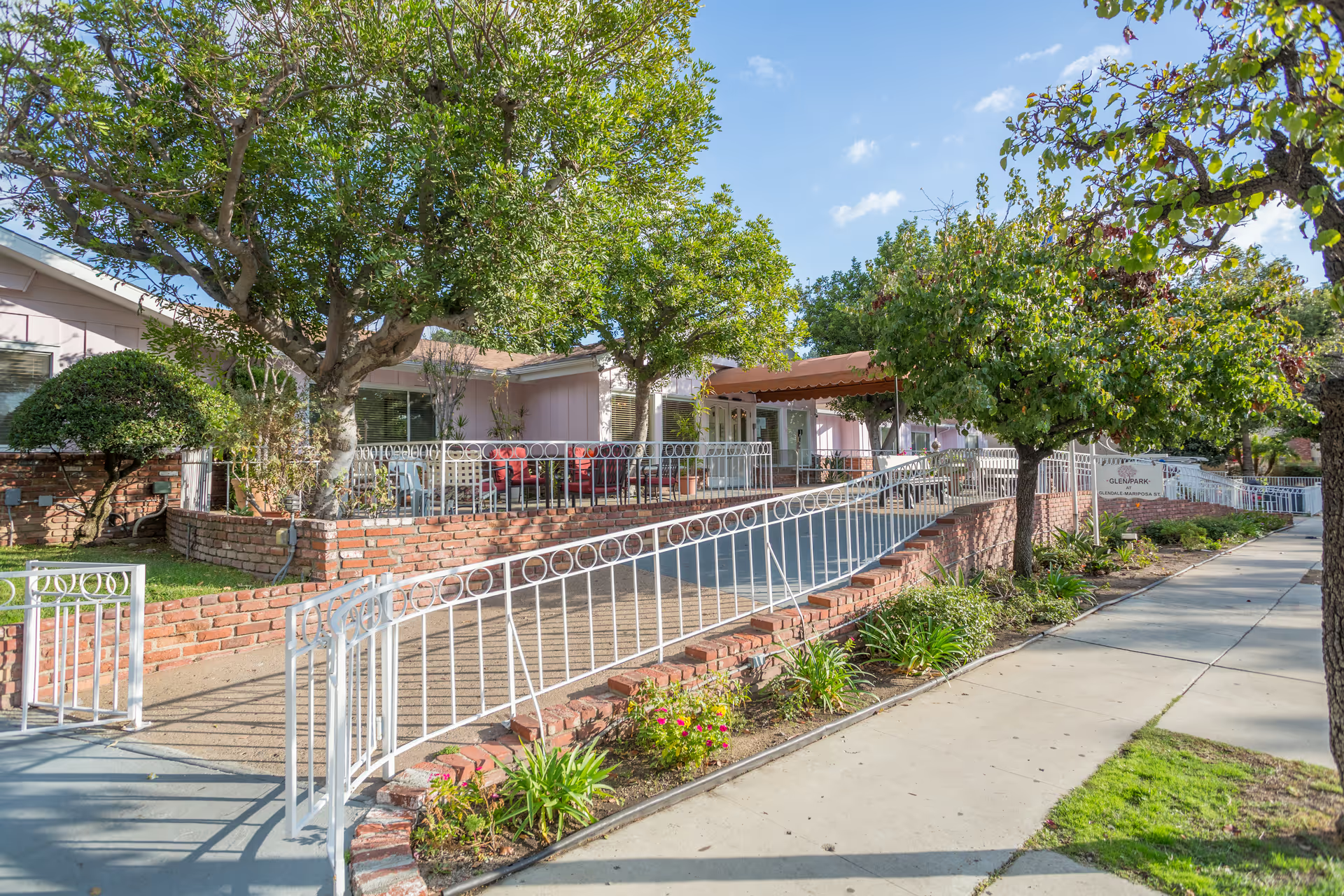
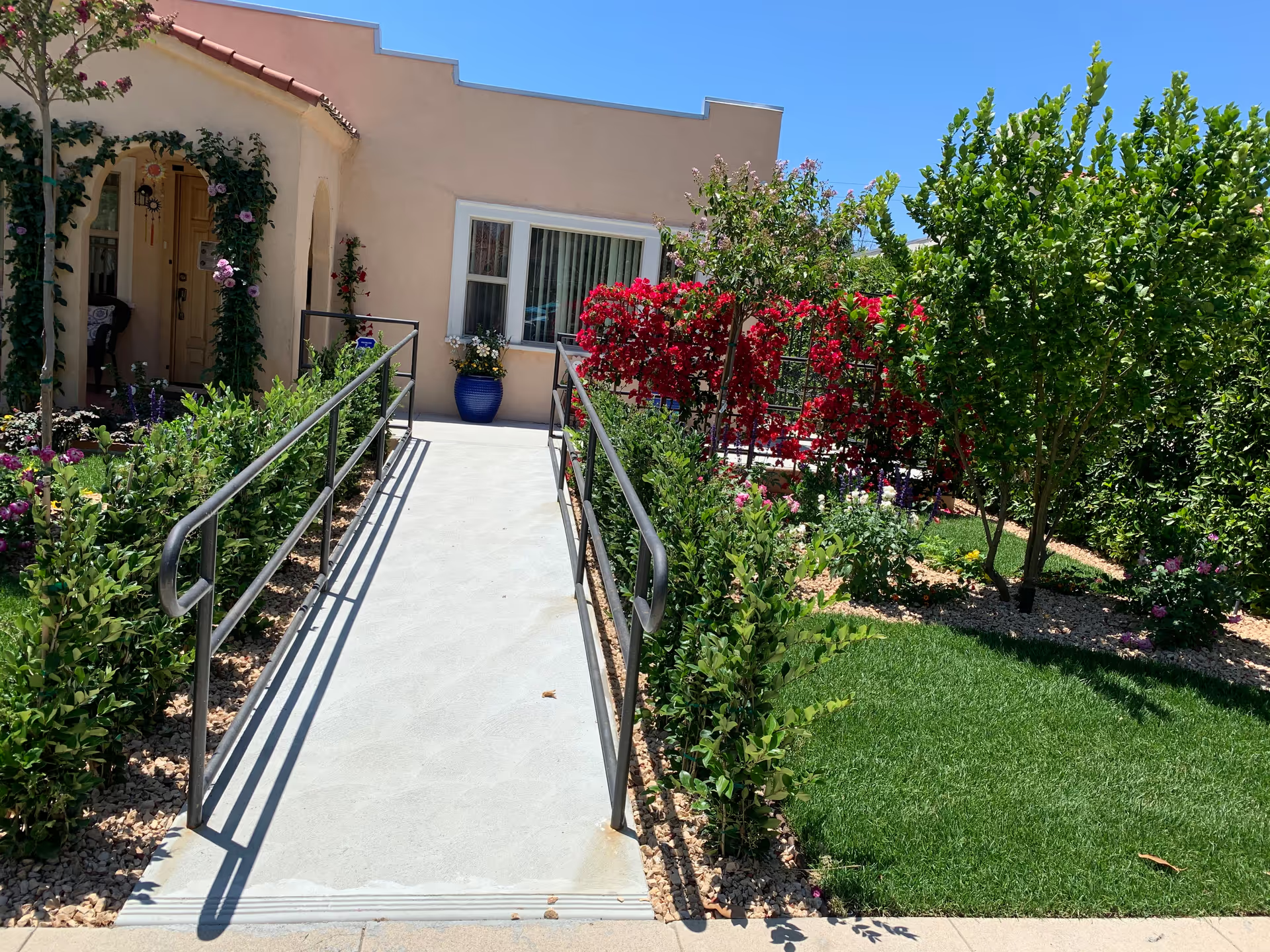
Facilities and environment: The physical plant is generally described as clean and well maintained, with some reviewers noting newer private rooms and convenient parking. Noise management at night is an area of concern for some families, including occasional late‑night disturbances that can affect resident rest. Overall sanitation and housekeeping practices are presented positively.
Management and communication: Administrative staff and management receive positive remarks for being helpful during intake and for handling insurance/transportation matters. Nonetheless, there are recurring concerns about discharge and post‑release communication, where families reported unclear or delayed information at transitions. Communication between clinical teams and families can be inconsistent; when it works well, families describe a stress‑reducing, well‑coordinated experience, but when it falters it contributes to dissatisfaction.
Notable patterns and recommendations: The dominant positive themes are strong clinical and therapy capabilities, compassionate staff, and generally clean, well‑run operations. The dominant negative themes are operational: staffing adequacy, consistency of staff conduct and communication, coordination between therapy and bedside care, nighttime environment control, and discharge communication. Prospective residents and families should weigh the facility’s strong rehabilitation and administrative coordination against these operational considerations, and prioritize direct questions about staffing ratios, nighttime supervision practices, discharge procedures, and pet policy during tours and care-planning meetings.