Overall, the reviews present a strongly positive view of Temecula Healthcare Center’s physical environment and many residents’ rehabilitation experiences, alongside recurring concerns about communication and consistency in day-to-day care. Patients and families frequently describe progress with physical, occupational, and speech therapy, including improved strength, walking, and readiness to return home. Other accounts raise more serious concerns about medication continuity, clinical monitoring, wound care, and delays in responding to changing health needs. These contrasting experiences suggest that care quality may vary by staff, shift, and individual circumstances.
Staff members are often described as friendly, patient, and compassionate. CNAs, nurses, therapists, dietary employees, and case managers are praised by name in numerous accounts, and families frequently value staff who explain care plans and provide updates. Case-management experiences, however, are not uniform: alongside reports of prompt, helpful coordination are accounts of unanswered calls, limited follow-up, and poor communication between shifts or departments. Concerns also include delayed call-light responses, medication timing or reconciliation problems, and uncertainty about who is overseeing particular clinical needs.
Dining is a notable strength for many residents and visitors. Reviews praise the food’s taste, variety, and portions, as well as dietary staff who work with individual preferences and nutritional requirements. Other accounts describe meals arriving late or being missed, food served cold, limited options for special diets, or dissatisfaction with quality and portion size. This range of feedback indicates that the dining experience can be inconsistent.
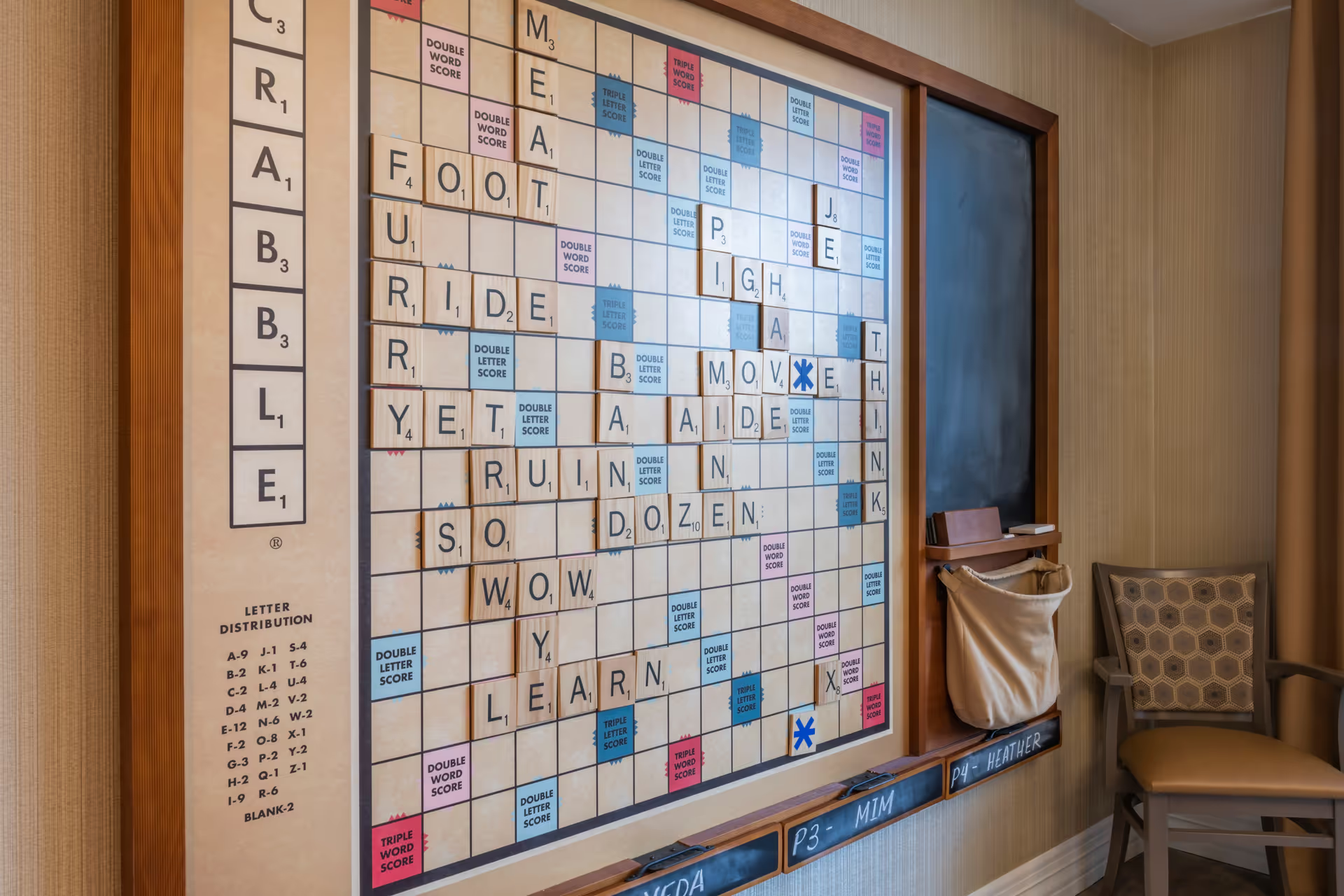
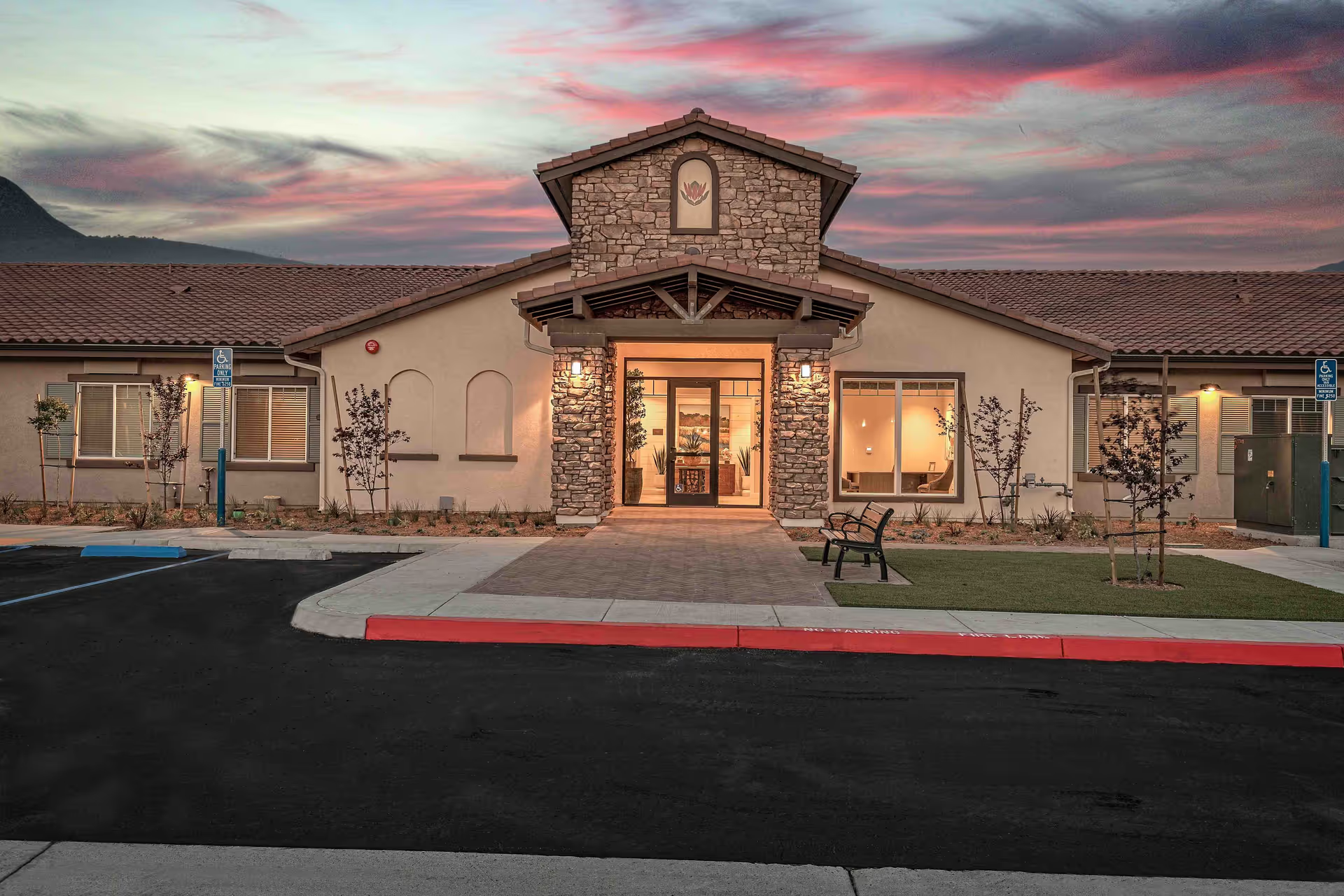
The facility itself is one of the most consistently praised features. Visitors commonly describe it as modern, clean, attractive, secure, and welcoming, with appealing outdoor areas, comfortable rooms, and well-equipped therapy spaces. Activities, celebrations, arts and crafts, music, grooming services, and opportunities to socialize are also appreciated. Some families mention roommate noise or room changes affecting rest and comfort.
Management and care coordination draw mixed feedback. Some reviewers describe responsive supervisors and clear explanations, while others report difficulty reaching nursing or administrative staff, missed follow-up, and concerns about discharge, equipment, or insurance arrangements. A few highly serious accounts raise concerns about clinical response, infection prevention, or communication following a resident’s death. These accounts are individual reports and cannot be independently assessed from the reviews, but they warrant direct questions during a facility visit. Families considering the center may wish to ask how medication changes are communicated, how concerns are escalated across shifts, what response times to call lights are typical, and how therapy, discharge, and follow-up appointments are coordinated.