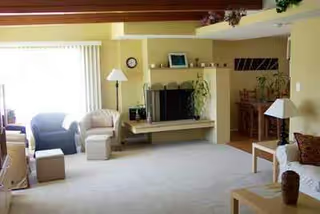
Heritage Rehabilitation Center presents a mixed but largely service-oriented profile. Strengths cluster around rehabilitation, activities, and a well-maintained physical environment. Many families described effective therapy teams and documented functional gains, and the facility offers abundant programming — multiple rec rooms, an active calendar, and an on-site activity coordinator who organizes social events and special visits. The physical plant is generally clean and appears well-kept, with usable outdoor space and convenient features such as room-delivered meals and two-bed room options.
Clinical care shows a dual pattern. Certified nursing assistants receive consistent praise for compassion and attentiveness, and rehabilitation staff (PT/OT) are frequently described as competent and goal-focused, with several accounts of meaningful mobility recovery. At the same time, there are repeated observations of uneven nursing performance, gaps in medication administration (including pain management), and limited physician involvement or continuity of care. These operational gaps have led to family concern about how acute medical needs and ongoing clinical oversight are handled; there is also an isolated allegation of a severe individual care failure that resulted in emergency-level care, which underscores the importance of confirming clinical protocols during admission.
Dining and activities are generally positive features. Meals are adaptable for texture and dietary needs, and many reviewers praised the variety and the social aspects of dining and events. However, some families noted inconsistent meal temperature and occasional declines in food quality. The activity program is robust, offering crafts, entertainment, and individualized attention; such programming contributes to the facility’s family-like atmosphere reported by multiple families.
Management and operations show strengths in leadership and responsiveness, with particular mention of an engaged director of nursing and supportive administration. These leadership factors appear to sustain a positive workplace culture for many staff and contribute to good communication in some cases. Operational weaknesses persist around discharge practices (perceived pressure to leave), limited availability of rehab beds, front-desk/security processes, and episodic sanitation or odor concerns in parts of the building. Communication between disciplines and with families is uneven — families would benefit from clearer, regular updates on care plans, medication changes, and discharge criteria.
Overall, Heritage may be a good fit for residents seeking intensive rehabilitation and active social programming in a clean, personable setting — provided families confirm staffing patterns, medication-management protocols, physician availability, and security/safety procedures during the admission process. Prospective families should ask targeted questions about nursing-to-resident ratios, medication-administration checks, discharge criteria and timing, incontinence-care procedures, and how the facility documents and communicates clinical changes to families.