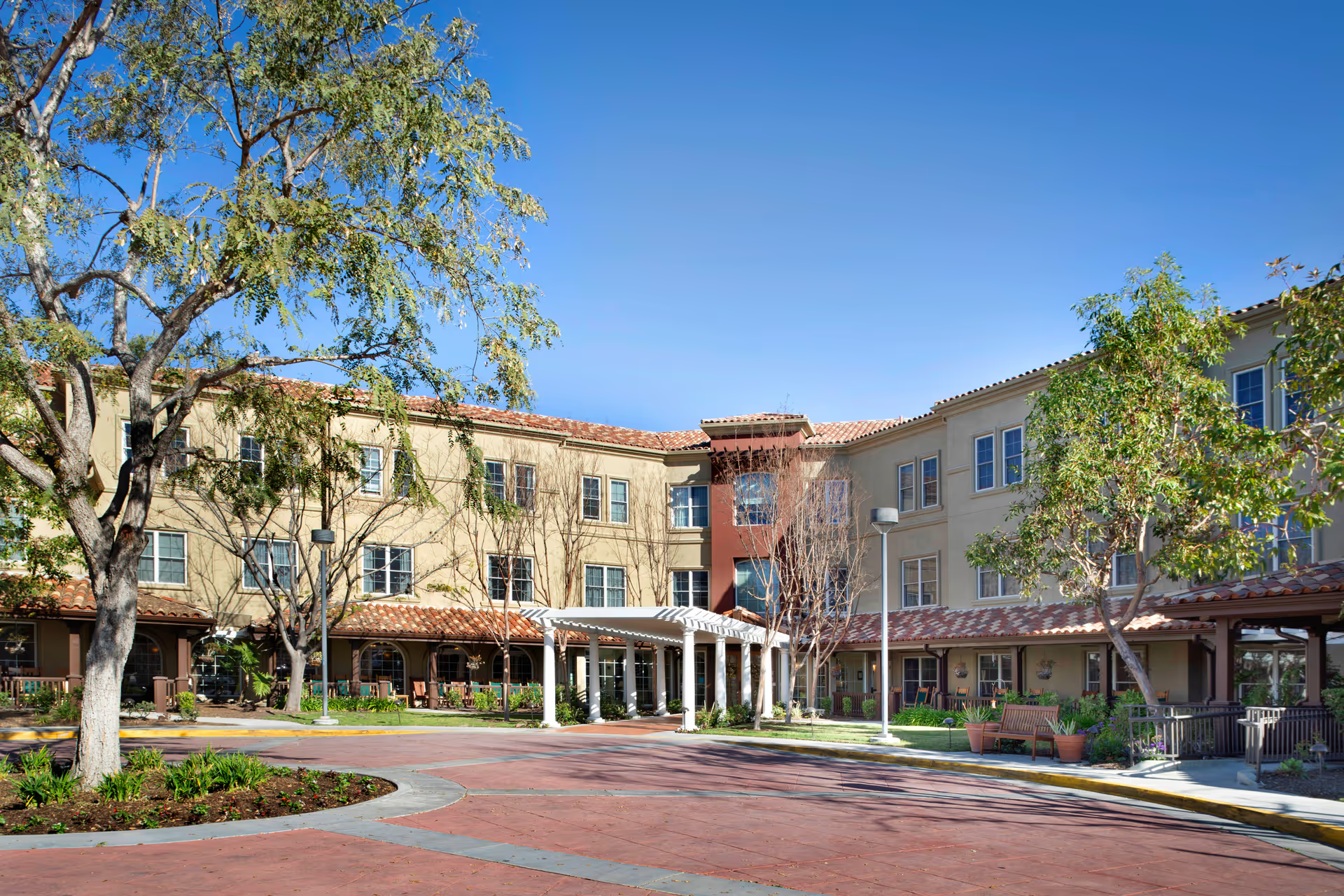
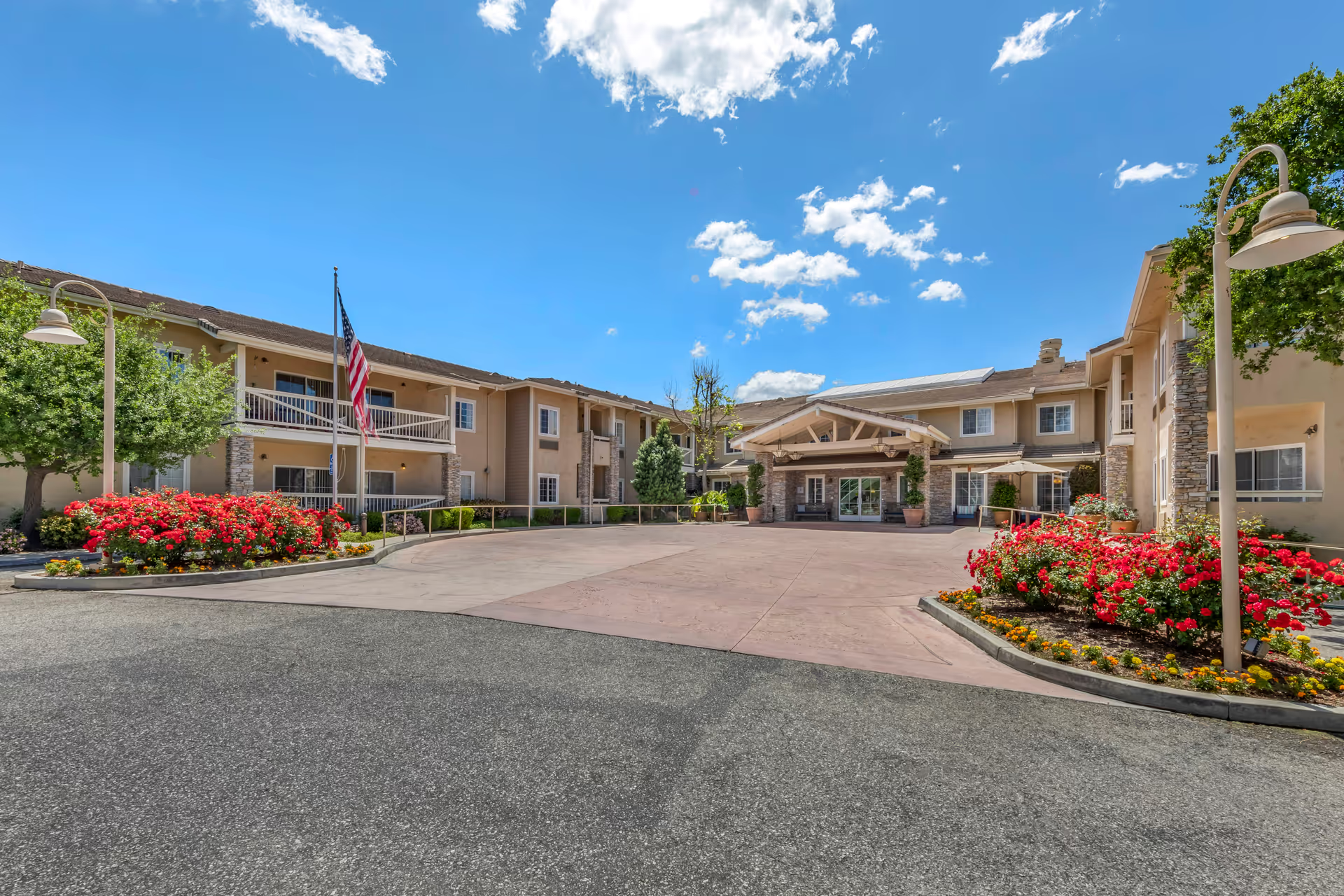
Reviewer feedback for this SNF unit at Los Robles Hospital & Medical Center is mixed, with clear positive elements alongside recurring operational concerns. Strengths include a clean, newer facility with spacious, comfortable rooms and a hospital-like environment. Many families and patients noted that medical care and clinical oversight were adequate, and several described successful transitions back home. The dining program is generally praised for accommodating dietary needs and providing acceptable meals.
Care and staffing present a divided picture. Some reviewers described caring, attentive staff and satisfactory clinical care; others identified systemic issues such as chronic understaffing in nursing, long response times to calls for assistance, and inconsistent bedside time. These operational staffing constraints appear to be a key driver of variability in day-to-day experience: when staffing and attention are adequate, families reported positive outcomes and gratitude; when staffing was thin, reviewers described delays in care and a need for family advocacy to secure timely attention.
Communication and clinical-practice concerns are prominent in the critical feedback. Multiple accounts highlight unclear or delayed communication from case managers and physicians regarding treatment plans and discharge timelines, including difficulty obtaining callbacks and status updates. There are also specific clinical gaps noted—most notably inconsistent assessment practices and inconsistent pain management—suggesting uneven implementation of care protocols. Some reviewers expressed a perception that administrative or billing priorities sometimes took precedence over bedside time, which compounds frustration around responsiveness and thoroughness of care.
Activities and amenities receive modestly positive notes: the facility runs group activities and can tailor meals to dietary requirements, but reviewers also indicated that programming may not consistently engage all residents or be adapted for those not inclined to participate. Overall, the physical environment and food service are strengths, while programming support and activity engagement show variability.
Taken together, the pattern is one of a facility with solid infrastructure and clear strengths in meals and environment, but operational weaknesses that affect resident experience—chiefly staffing levels, responsiveness, communication, and consistency of clinical assessment and pain management. Prospective residents and families should weigh the facility’s physical and clinical strengths against these operational risks, ask detailed questions about staffing ratios, discharge-planning timelines, and pain-management protocols, and consider arranging for family advocacy during the stay to help ensure timely attention and clear communication.