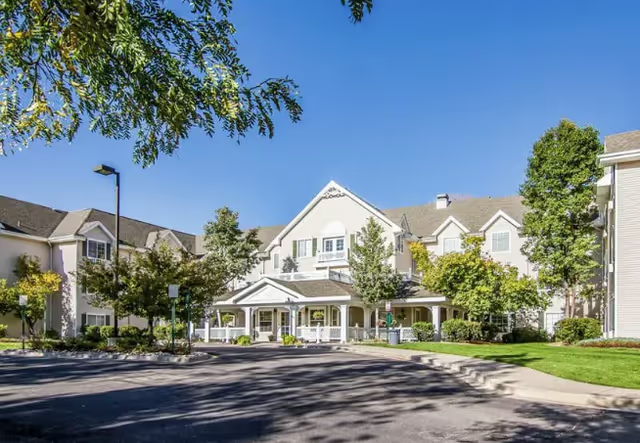
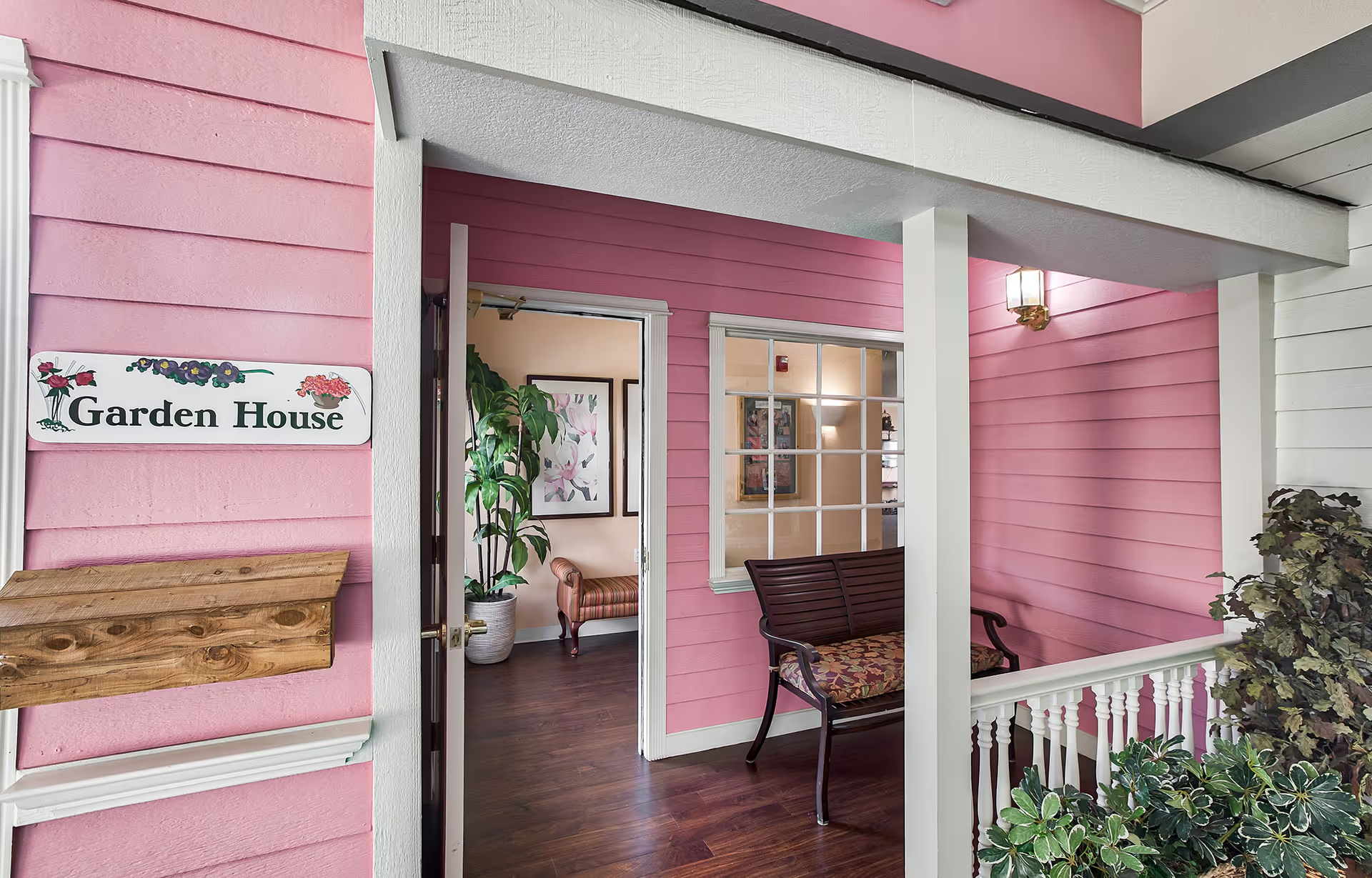
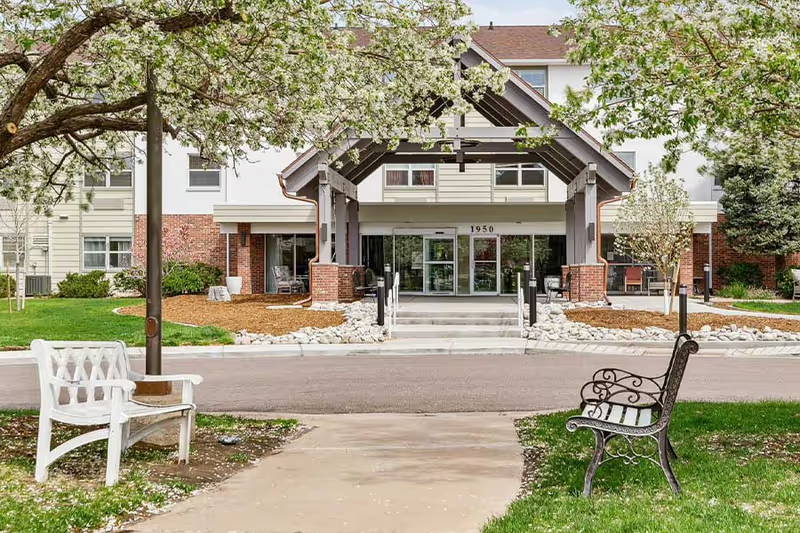
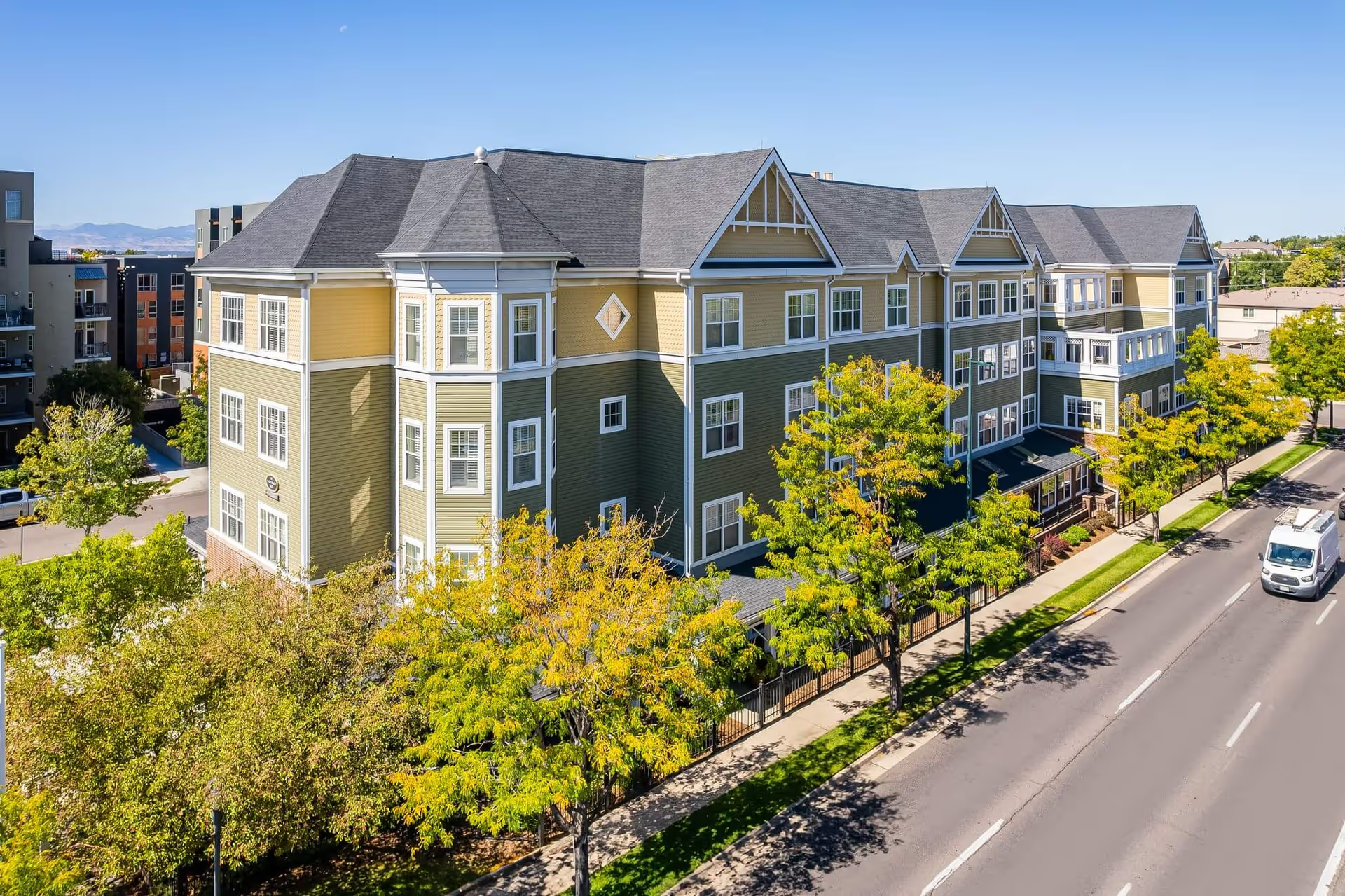
The Center at Lowry presents a mixed but clearly patterned profile. Strengths center on rehabilitation and amenities: reviewers consistently describe strong physical, occupational, and speech therapy teams, a large well-equipped rehab gym, and frequent measurable functional gains. Many families praised caring and attentive nurses and CNAs, private hotel-like rooms, proactive case management in positive instances, and chef-prepared, restaurant-style dining. The facility also receives repeated commendations for engaging activities, on-site amenities such as a salon and Healing Garden, and for leadership that, in some cases, responds rapidly to resolve problems.
Care-quality signals are variable. Positive accounts describe timely, compassionate nursing, coordinated therapy plans, and smooth discharge planning; contrasting accounts describe staffing shortages that lead to delayed responses to call lights, long waits for assistance, and inconsistent bedside conduct. Medication administration and timing inconsistencies, along with lapses in documentation and inter-professional communication, are recurring operational concerns. Several narratives describe incomplete or poorly executed discharges and difficulty arranging post-discharge services, indicating that discharge processes and aftercare coordination are uneven.
Dining and daily living services show a similar pattern of strengths and variability. Many reviewers enjoyed varied, chef-prepared meals and appreciated 24/7 snack availability and guest options; however, others reported inconsistent food quality, menu errors, and difficulties securing specialized dietary accommodations. Housekeeping and the general cleanliness of the building are frequently described as excellent and hotel-like, but isolated sanitation concerns and inconsistencies in incontinence-related care were also noted and warrant follow-up.
Management and operational patterns are mixed. Several families praised responsive directors and social-work/case-management staff who advocate effectively; others described unresponsive leadership, administrative coordination gaps, and problematic front-desk professionalism. Service availability drops during weekends and after-hours was a common theme (therapy and clinical coverage), and some reviewers described safety and transfer-practice weaknesses that merit specific inquiry. There are a small number of serious individual allegations, including theft and other critical incidents; these should be validated through inspection records and direct facility inquiry.
For prospective residents and families: this facility offers strong rehabilitation resources, a high-end physical environment, and many examples of compassionate staff and good outcomes. At the same time, there is notable variability in day-to-day operations—especially staffing consistency, medication management, discharge follow-through, and after-hours coverage. Recommended due diligence includes asking the facility for current staffing ratios by shift and unit, weekend therapy availability, written medication-administration and incident-reporting protocols, examples of discharge plans, and recent inspection or complaint history. Touring during an active shift and speaking directly with the nursing supervisor and the discharge planner can help clarify whether the facility’s strengths align with a specific resident’s clinical and safety needs.