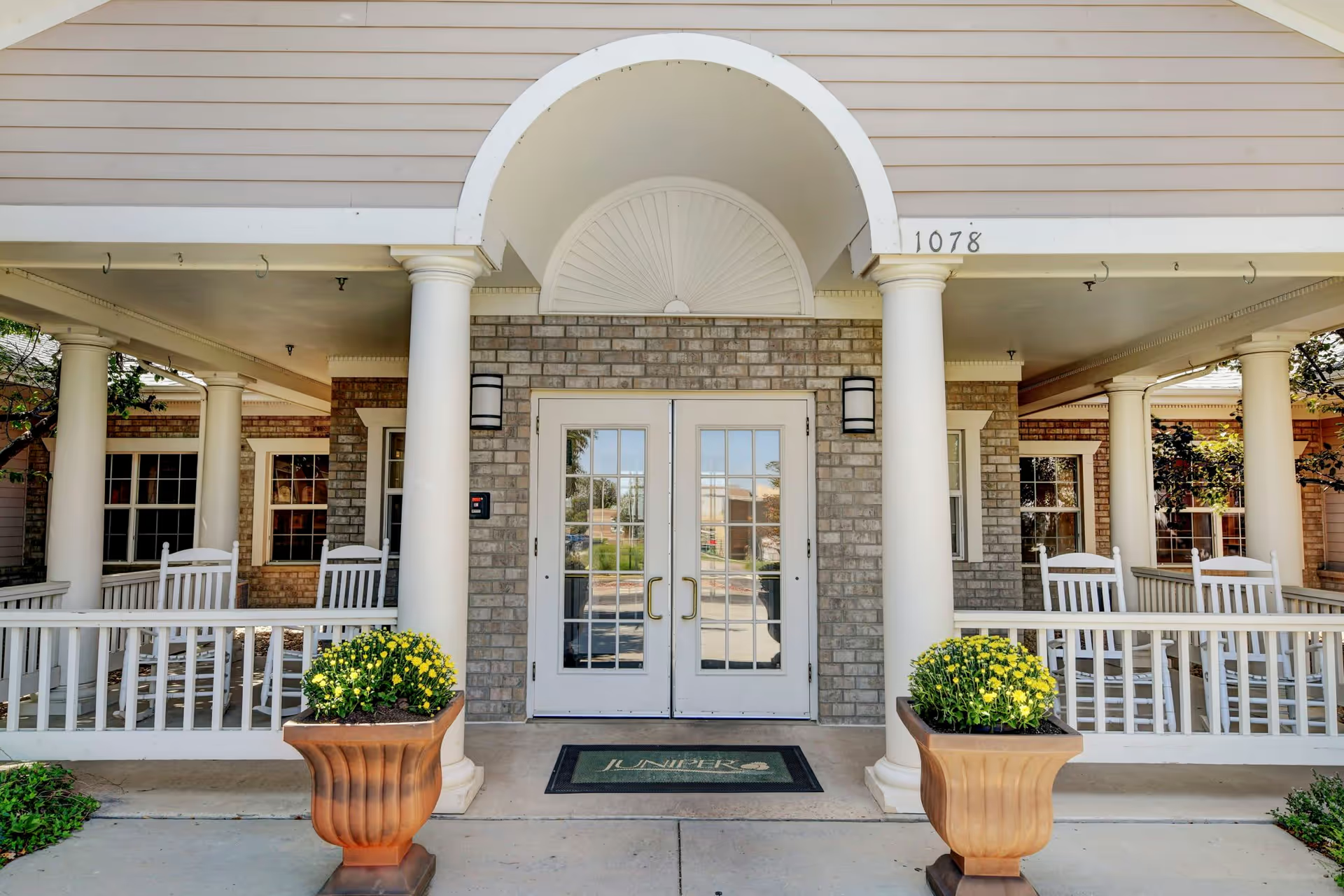
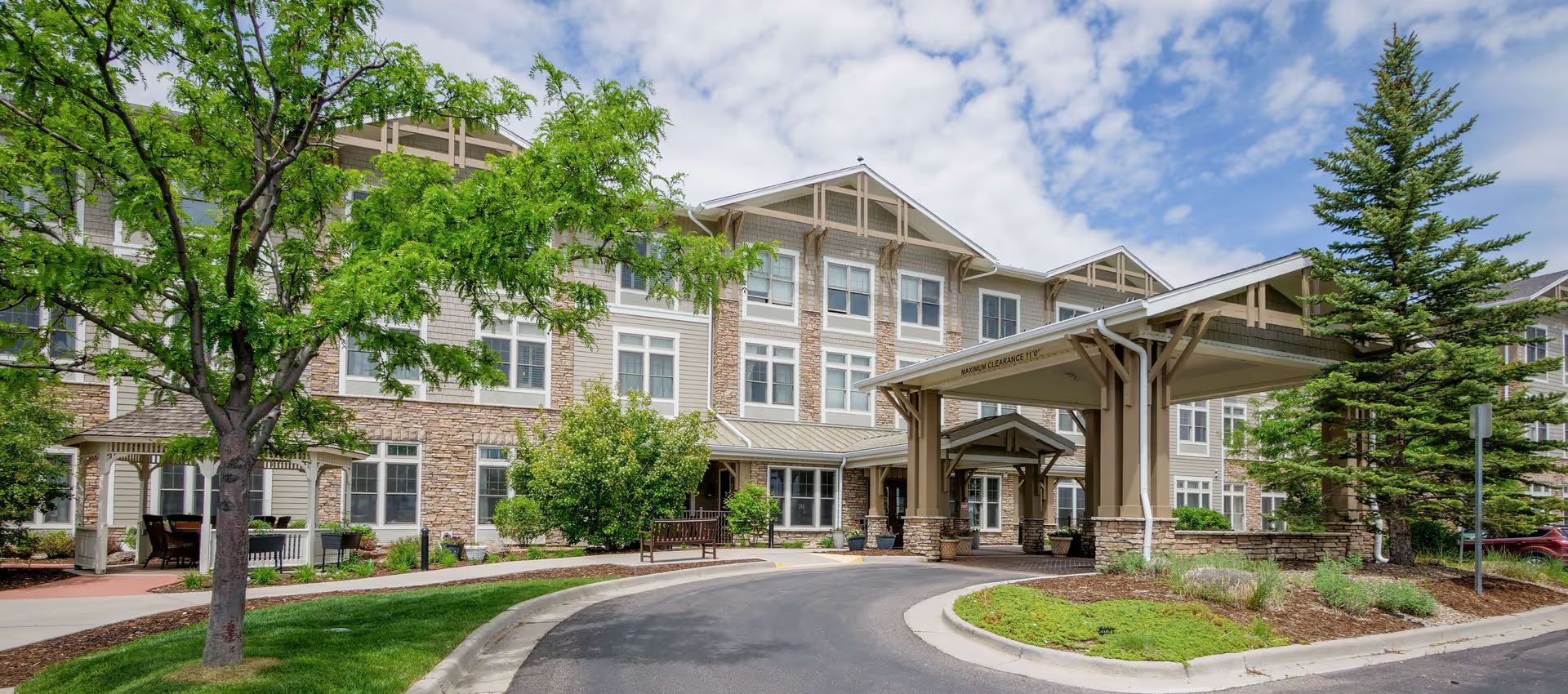
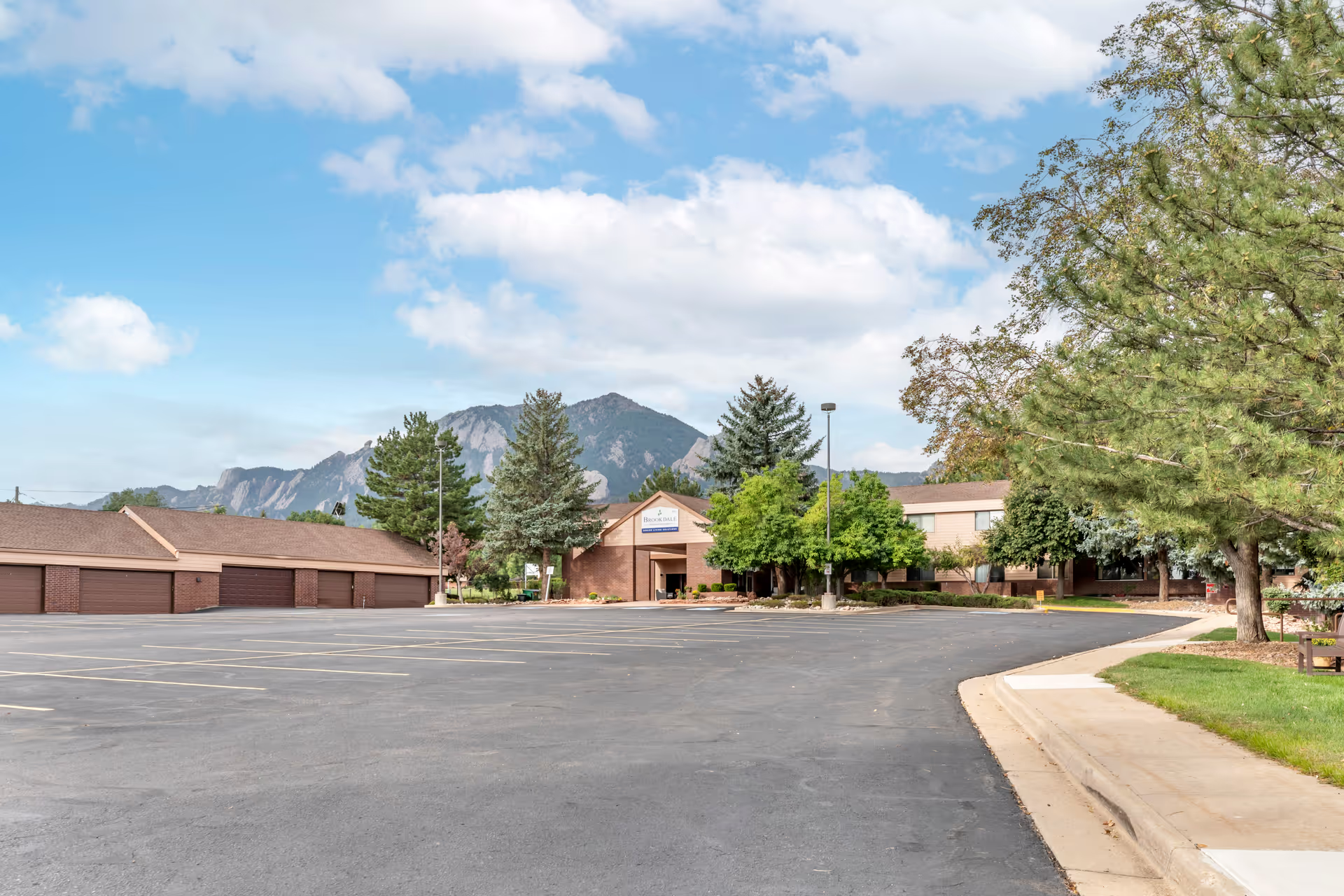
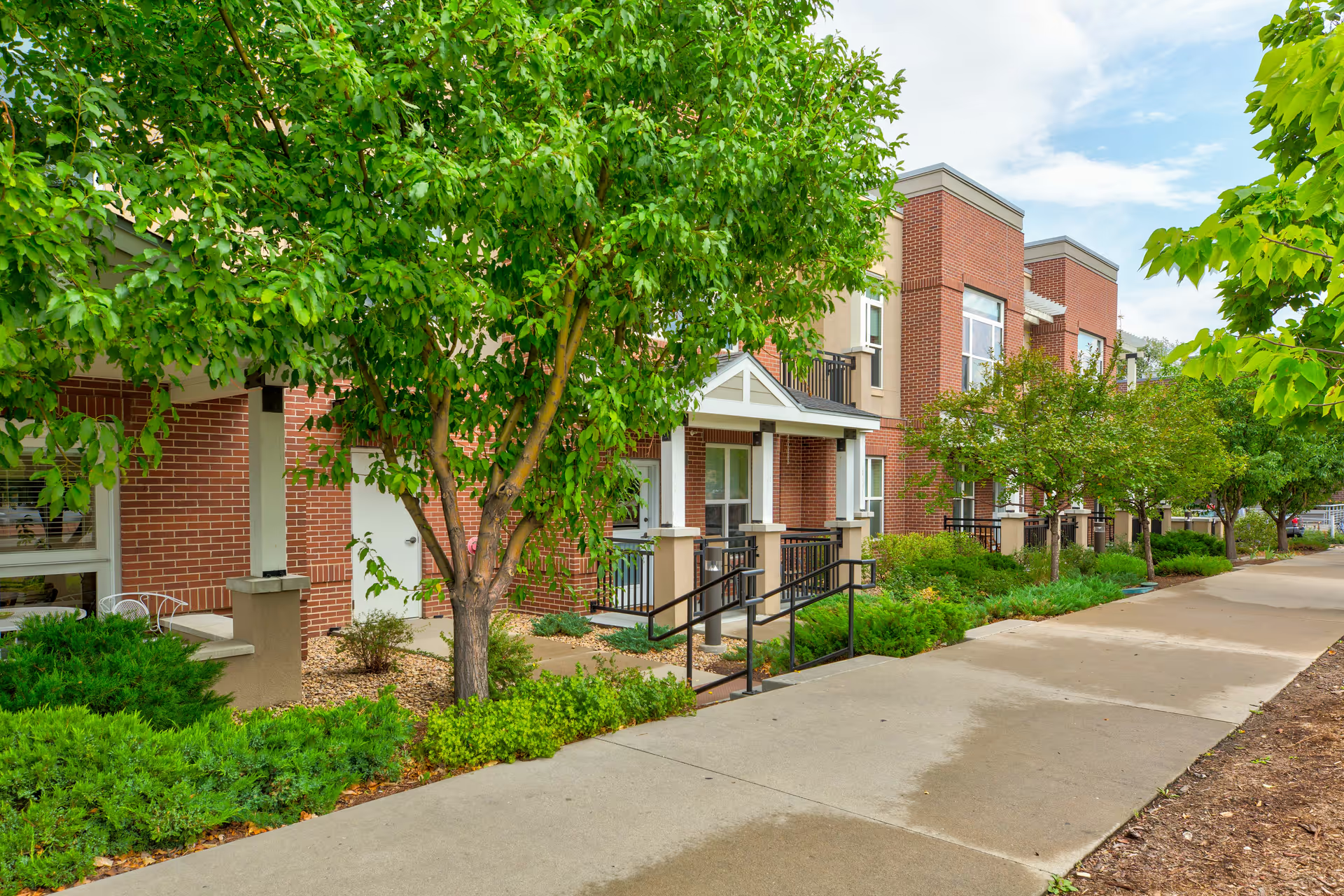
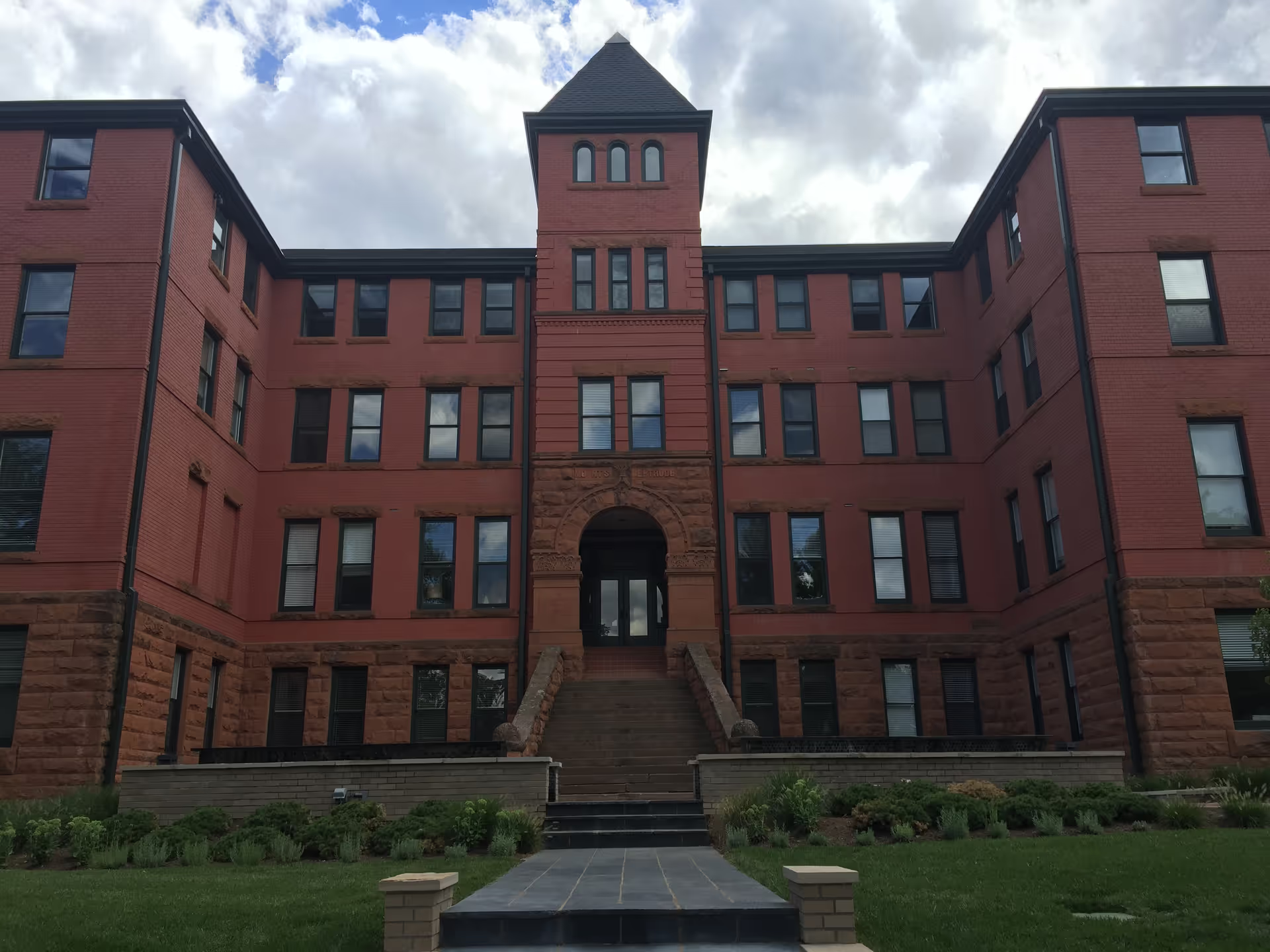
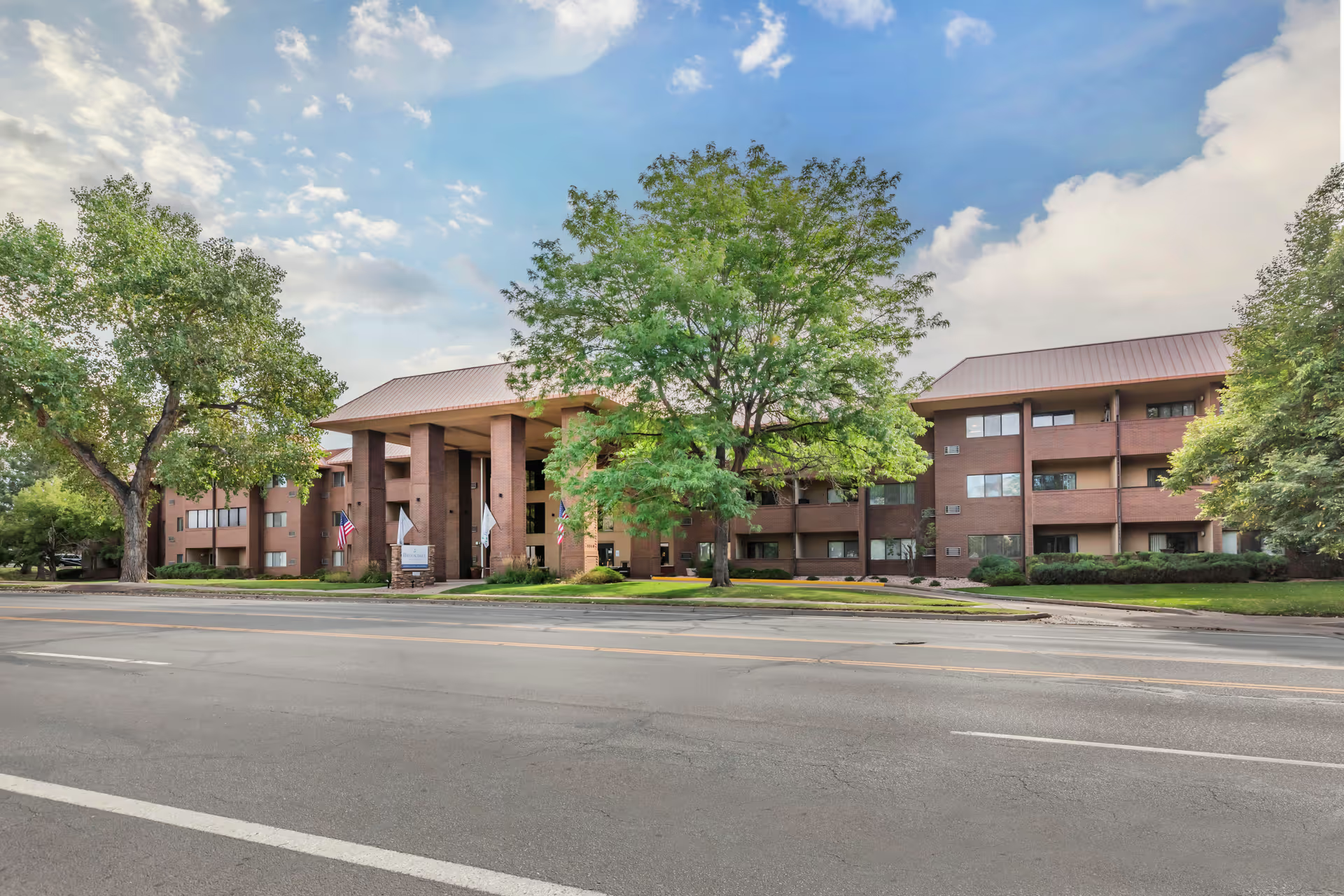
Flatirons Health & Rehab presents a mixed profile. Physically, the facility is described as newer and well designed: private, spacious rooms with windows, airy common areas on each floor (gym, library/sitting spaces), a pleasant dining/cafeteria area, and dedicated therapy spaces. Several accounts highlight clean, bright rooms and an overall modern appearance that families found comfortable for short-term stays.
Care quality and staffing appear inconsistent. Reviewers described strong, team-oriented therapy staff and instances of efficient short-term rehabilitation where recovery goals were met quickly. At the same time, other families raised concerns about variability in nursing and direct-care performance, including slow responsiveness to call lights and uneven interaction quality. These patterns suggest differences in staff engagement or coverage across shifts or units rather than a uniform level of care.
Clinical coordination and rehabilitation programming are notable areas of concern. Multiple accounts point to gaps in discharge planning and transition coordination, including insufficient guidance for home-care preparation. Rehabilitation delivery was described as inconsistent in scheduling and intensity—short sessions and delayed starts were cited—leading some families to perceive the program as less intensive than expected for short-term recovery needs.
Dining and activity offerings are uneven. The facility provides attractive dining spaces, but comments indicate inconsistent meal temperature and quality, occasional slow service, and lapses in monitoring residents’ nourishment and hydration. Activity programming beyond physical therapy is reported as limited, with some residents spending most of their time in their rooms rather than engaged in social or recreational activities.
Management patterns that emerge from reviews point to operational variability: some stays were characterized by attentive, caring staff and successful therapy outcomes, while others reflected slower service, inconsistent personal-care scheduling (including bathing/showering), and gaps in communication around discharge. Prospective residents and families should weigh the facility’s strong physical environment and therapy resources against reports of operational inconsistency.
Practical considerations for families: visit the facility during different times of day and mealtimes to assess staff responsiveness and dining service; ask for a detailed therapy schedule and expected daily session length; request the facility’s discharge-planning protocol and a point of contact for transition coordination; and discuss staffing patterns for the anticipated unit or shift. These steps can help align expectations with the facility’s strengths and address the variability noted in reviews.