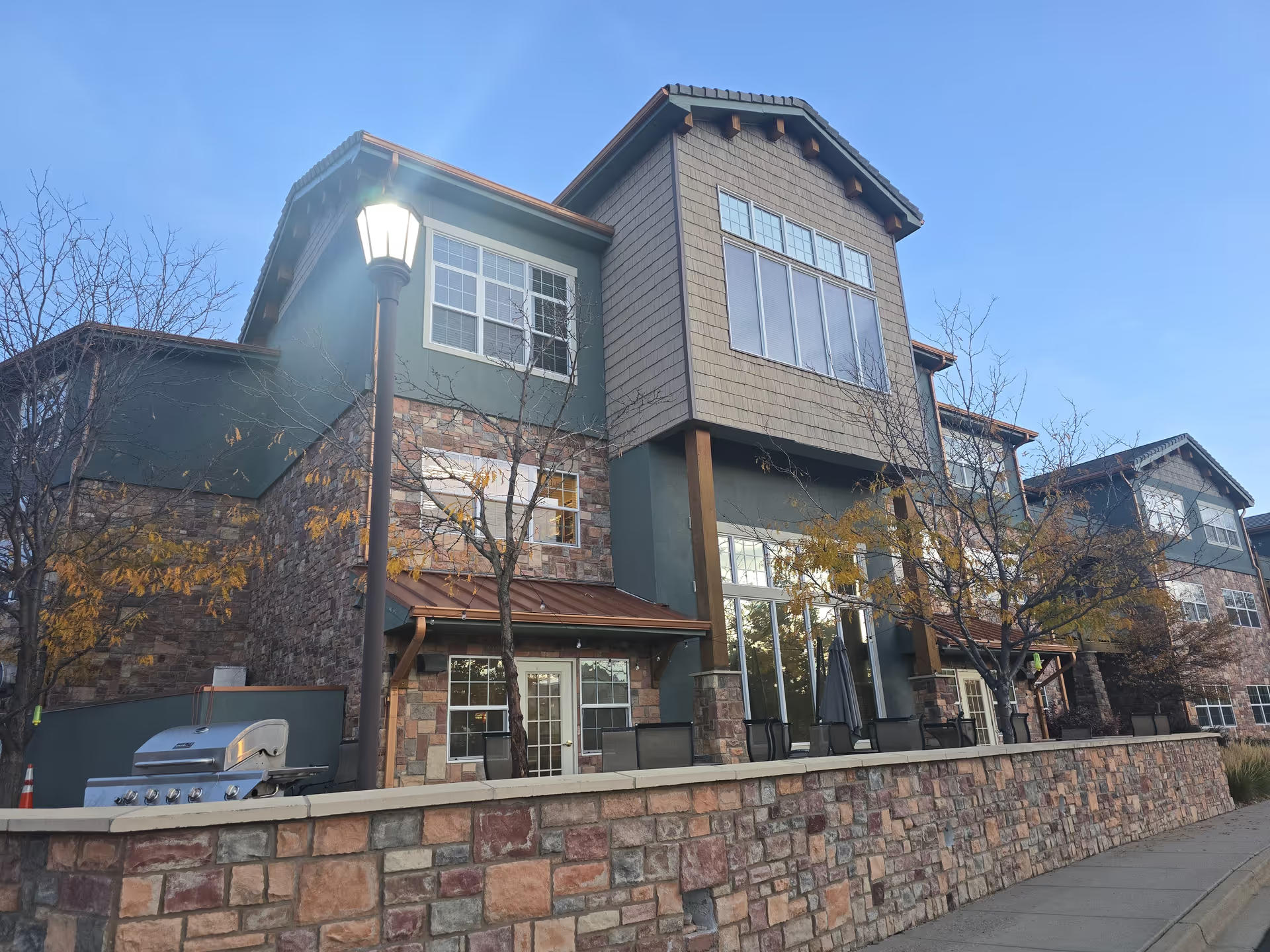
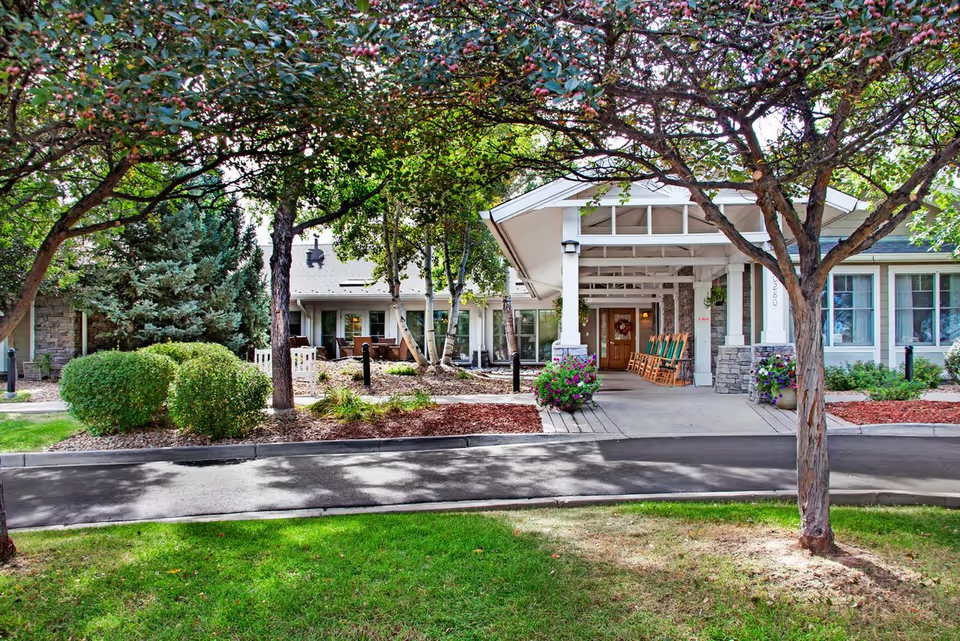
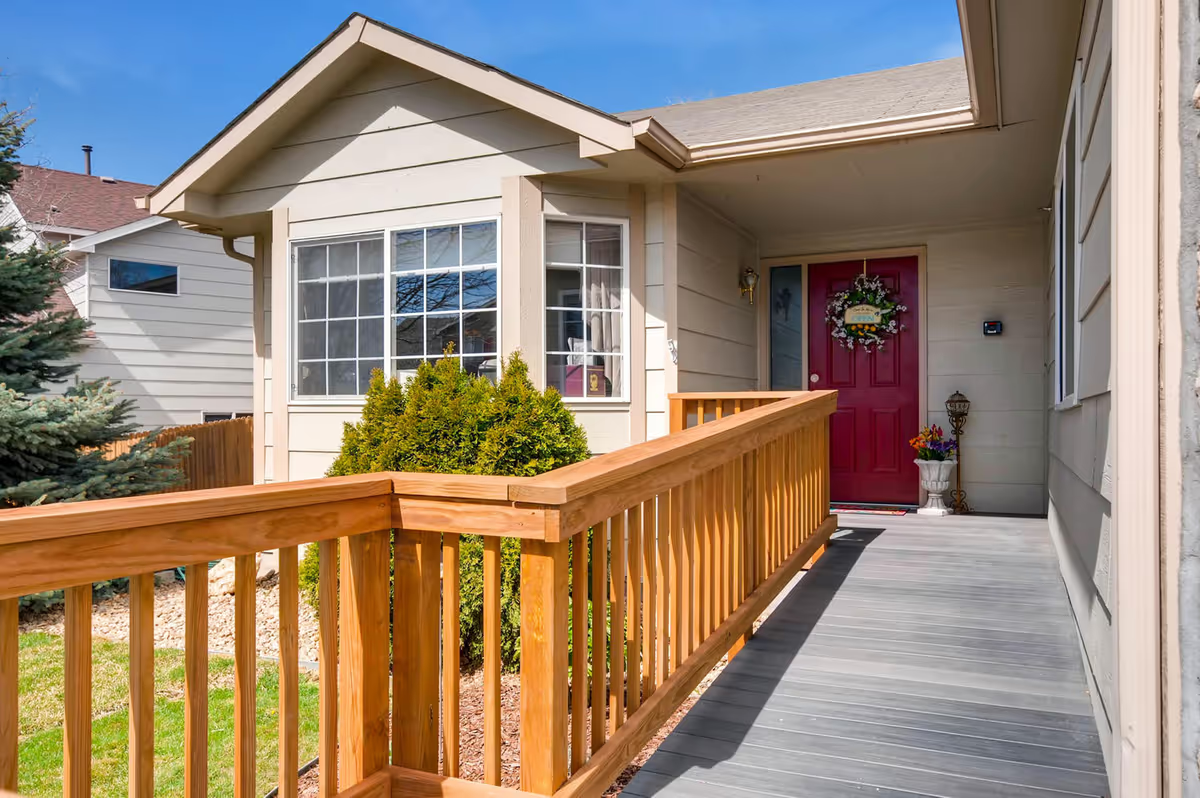
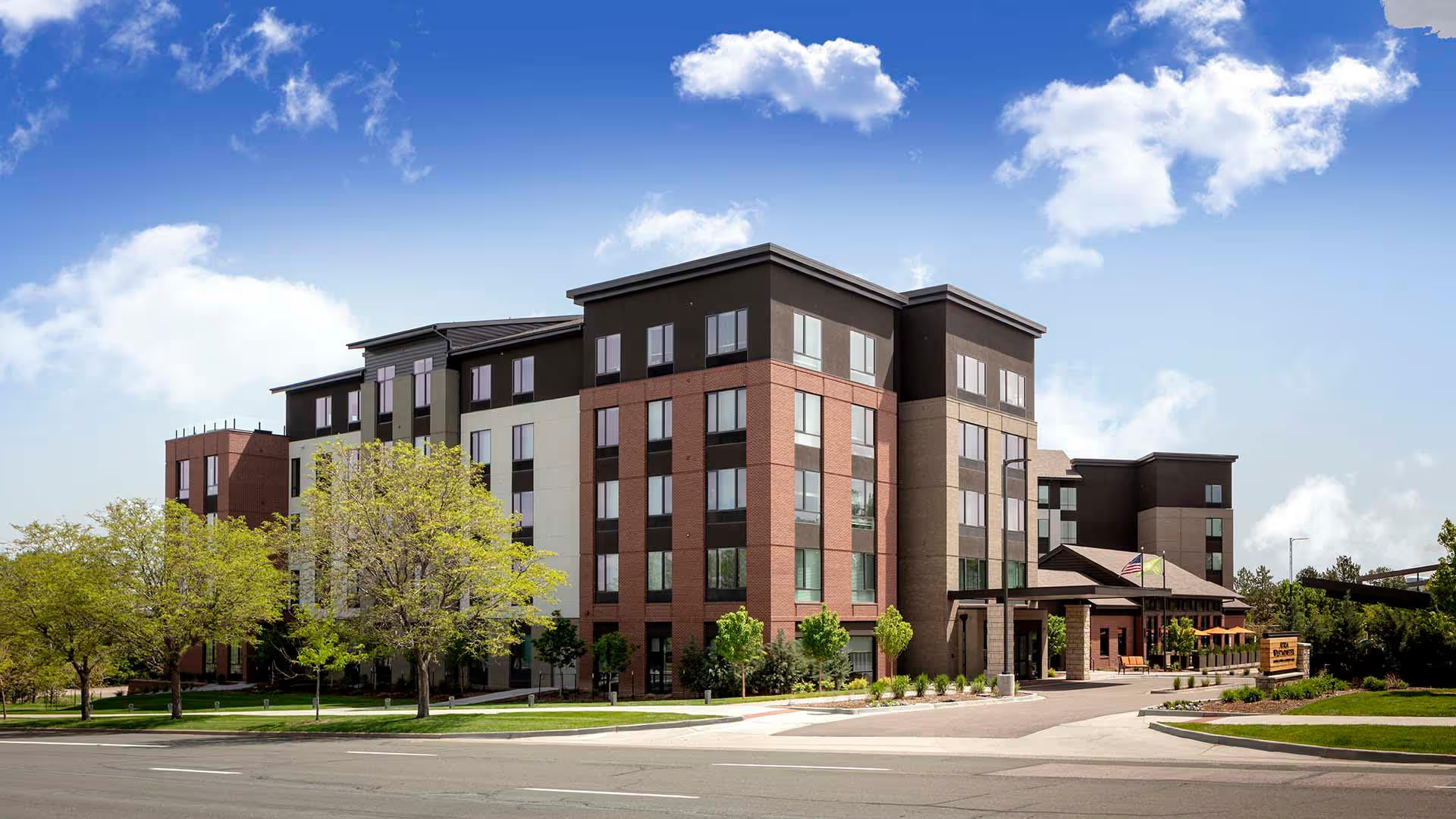
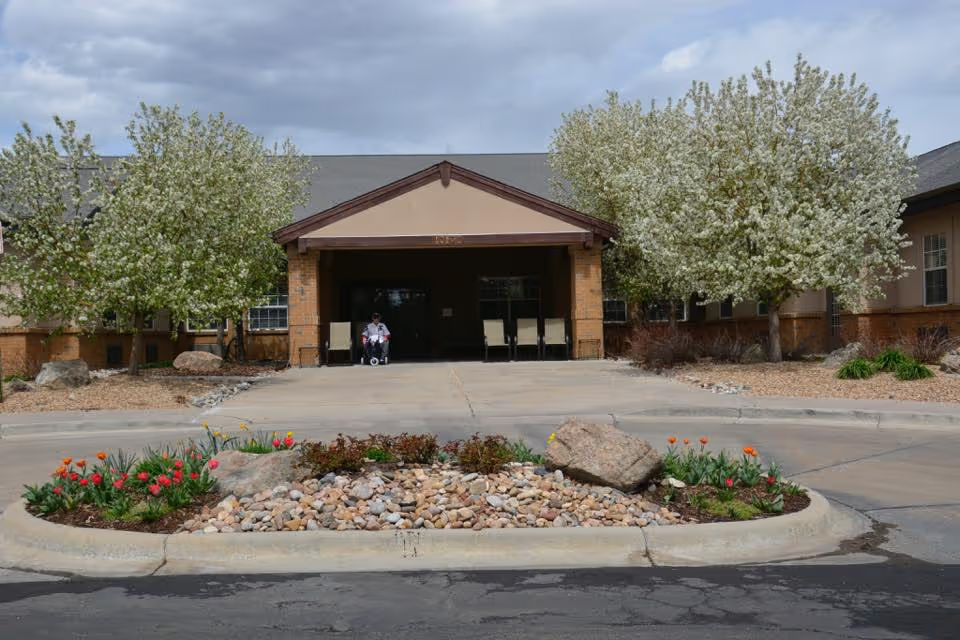
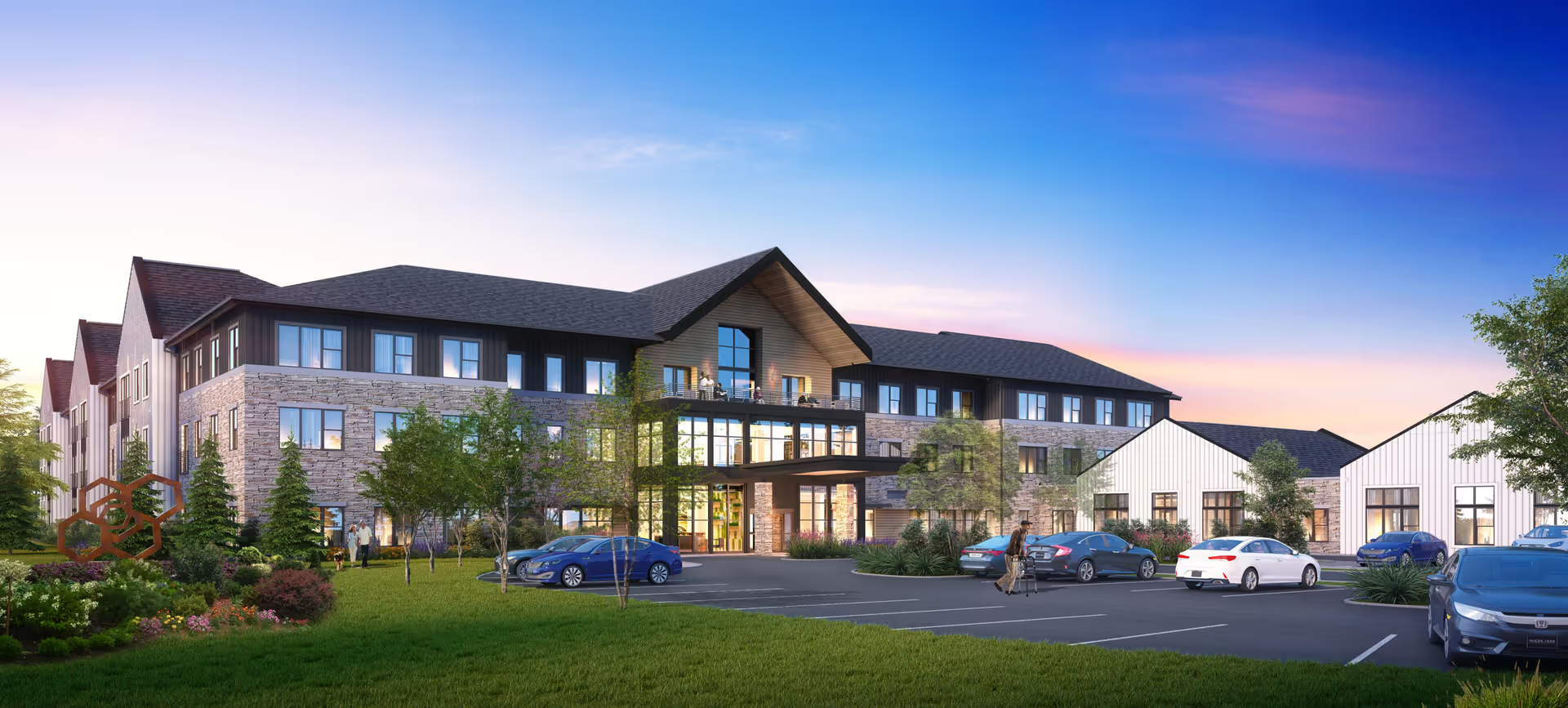
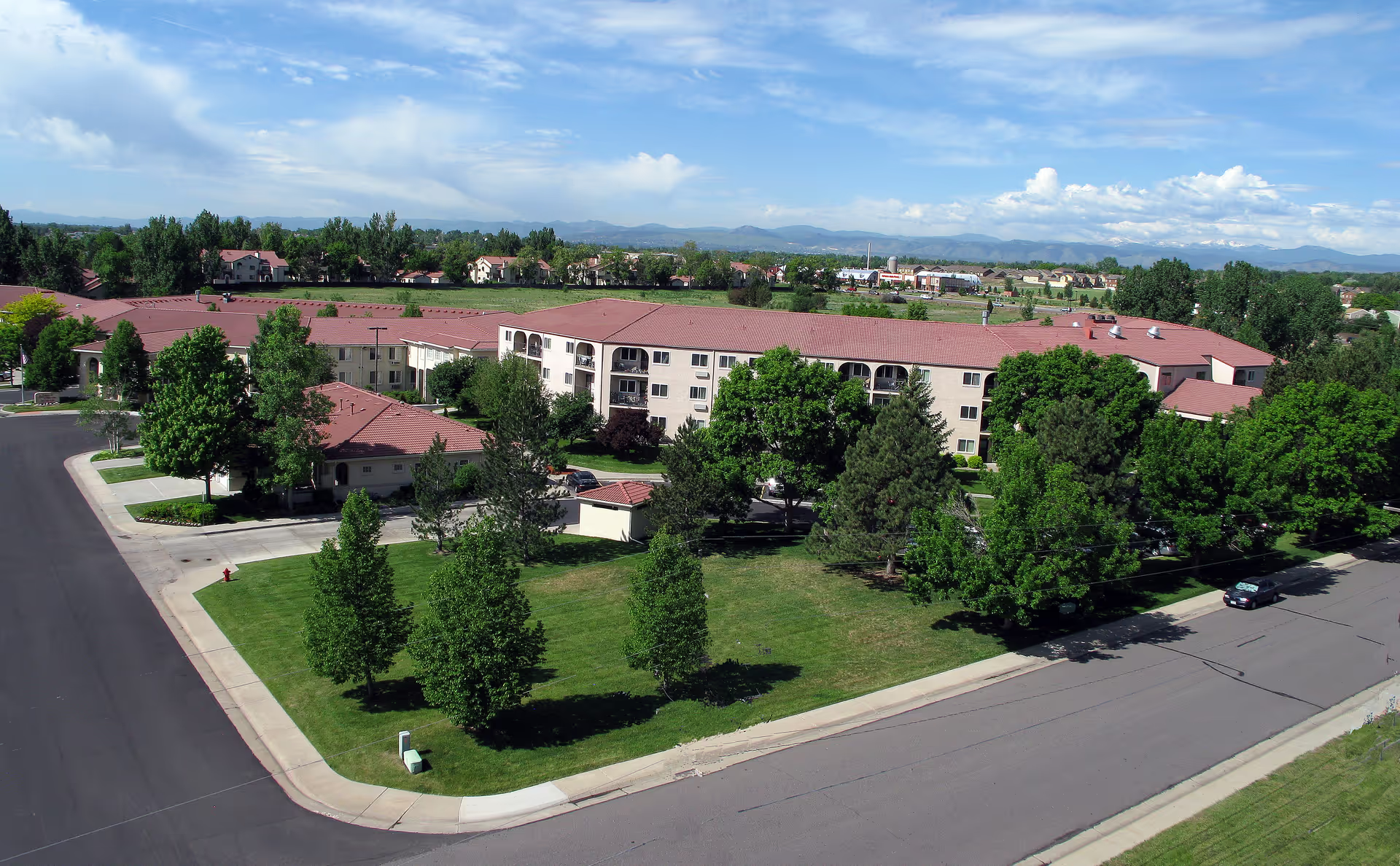
Center at Northridge presents a mixed profile. Physically the facility is newer and well maintained: reviewers consistently note an attractive building, clean rooms and common areas, on‑site barber/beautician services, and a generally pleasant dining environment with variety. The facility also positions itself as rehabilitation‑focused; many families praised the physical- and occupational-therapy teams for clinical skillfulness and advocacy, and some residents had short, successful rehab-to-home stays.
Care quality reports are inconsistent. Positive accounts emphasize attentive, compassionate caregivers and effective therapy services, while negative accounts point to operational gaps that affect clinical outcomes. Recurring clinical concerns include inconsistent delivery of personal care (bathing, dressing, continence support), reported gaps in wound-care and post‑operative procedures, and incidents of medication delays or errors. Several reviews describe delayed medical response and limited physician availability, which families link to slower escalation when acute issues arise.
Staffing and conduct are a central source of variation. Multiple reviewers described understaffing on certain shifts, slow responses to call bells, and uneven professionalism from nursing and aide staff. At the same time, specific staff members and therapy teams received high praise for compassion and competence. This unevenness suggests variability in staffing levels, staff training, or morale that affects day‑to‑day resident experience.
Operational and management issues were also raised. Families cited inconsistent housekeeping processes and odor or ventilation concerns in some areas, incorrect provision of assistive equipment, and examples of missed or rescheduled therapy sessions. Case management and family communication were described as unreliable in certain instances, including unmet expectations around discharge planning and follow‑through. Several reviewers characterized administrative accountability as weak when problems were escalated.
Dining and activities are generally viewed positively: meals were described as varied and acceptable, and the activities program was mentioned as engaging. The facility's rehabilitation orientation and on‑site amenities are strengths that support recovery for many residents.
Notable patterns: strong therapy services and a well‑kept physical plant coexist with inconsistent nursing/aid execution, variable housekeeping, and communication shortfalls. Prospective residents and families should observe staffing levels on different shifts, ask about specific clinical protocols (wound care, medication administration, continence care), confirm physician coverage and escalation pathways, review discharge-planning procedures, and identify primary points of contact for advocacy. These focused inquiries can help determine whether the facility’s rehabilitative strengths align with an individual’s clinical and safety needs.