Overall impression: Reviews are polarized. Many families and former patients describe a well-run, clean facility with compassionate front-line caregivers and effective rehabilitation services. At the same time, a subset of accounts raises significant clinical-safety and operational concerns. The combination produces a mixed profile: strong interpersonal care and rehabilitation in many cases, alongside episodic lapses in clinical processes and consistency.
Care and clinical services: Rehabilitation (PT/OT) is frequently praised for helping patients recover, with multiple accounts of strong therapist engagement and positive rehab outcomes. However, therapy delivery appears inconsistent for some residents — scheduling and fulfillment of prescribed sessions are uneven. Nursing staff are commonly described as attentive and caring, yet reviewers also identified delays in response to call requests and gaps in routine monitoring. Several reviews flagged important medication-administration issues (notably insulin injection practices) and skin-integrity concerns, including pressure-related injuries; these suggest gaps in clinical protocols and oversight that warrant direct inquiry during a tour.
Staff and communication: Staff behavior and communication are often cited as a facility strength: courteous reception, helpful CNAs, and proactive nurses who keep families informed. Individual staff members were singled out positively by name in several accounts. That said, variability in staff conduct is evident — some comments indicate less prompt or less-engaged behavior from certain CNAs and agency personnel. Family communication is generally described as good when staff are consistent, but several reviewers called out limited physician presence and minimal medical rounds, which can undermine confidence in medical supervision.
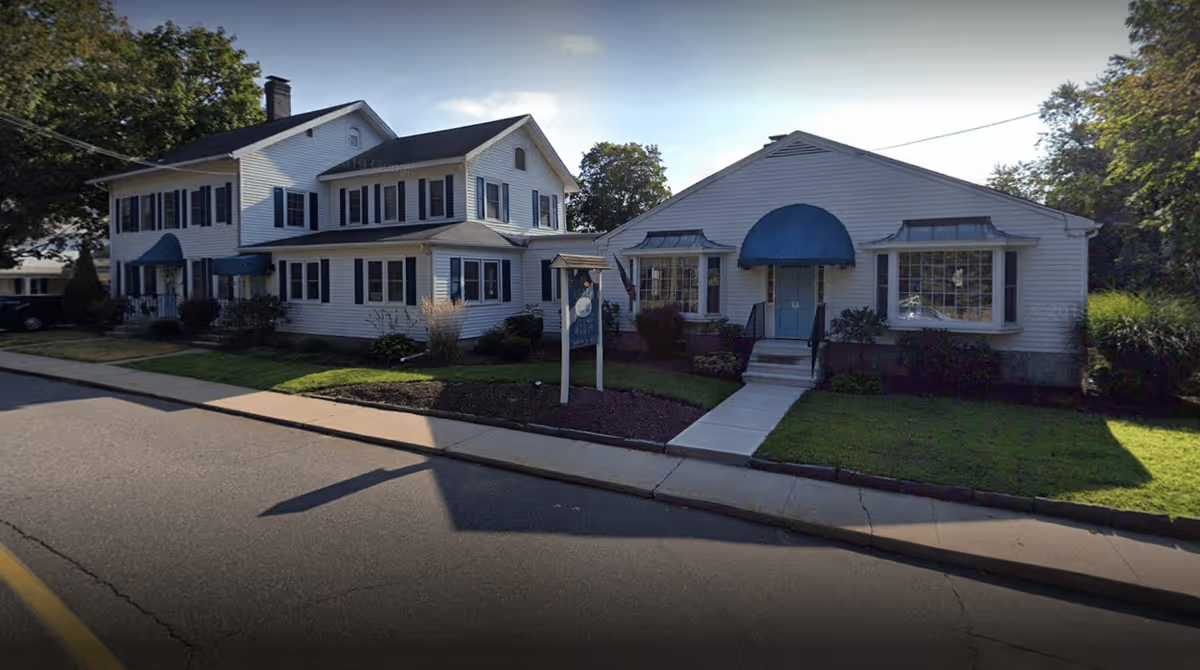
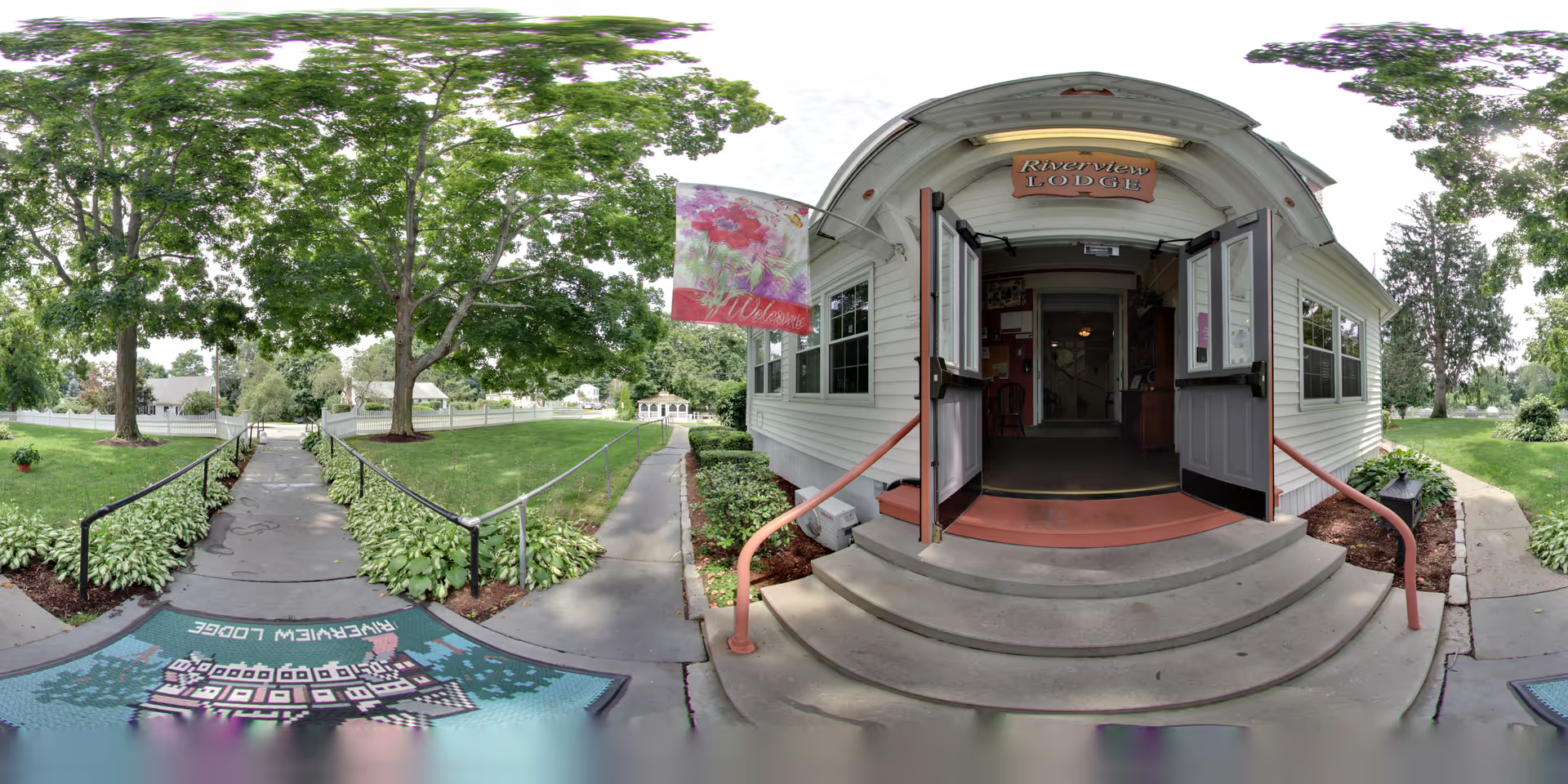
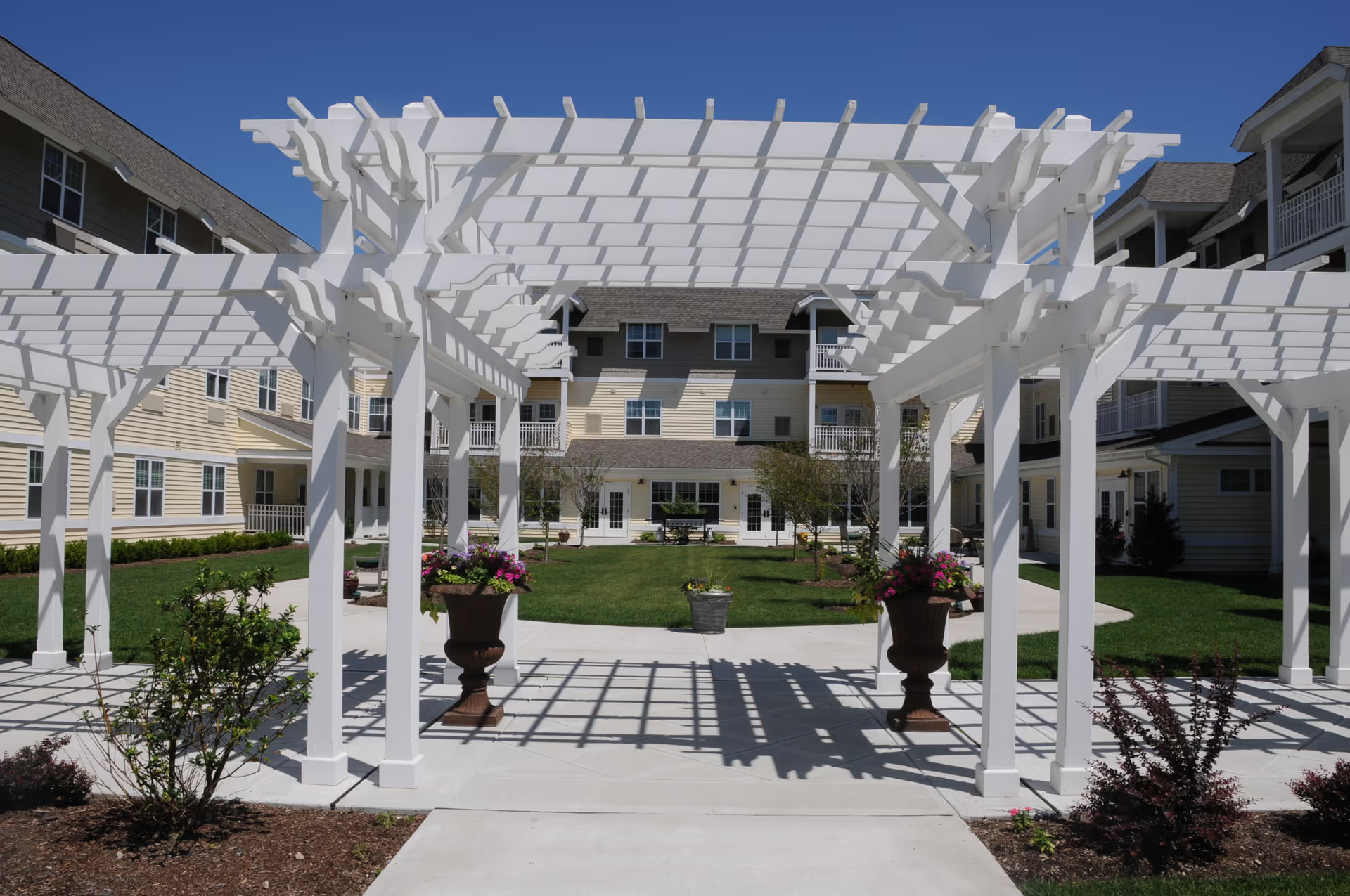
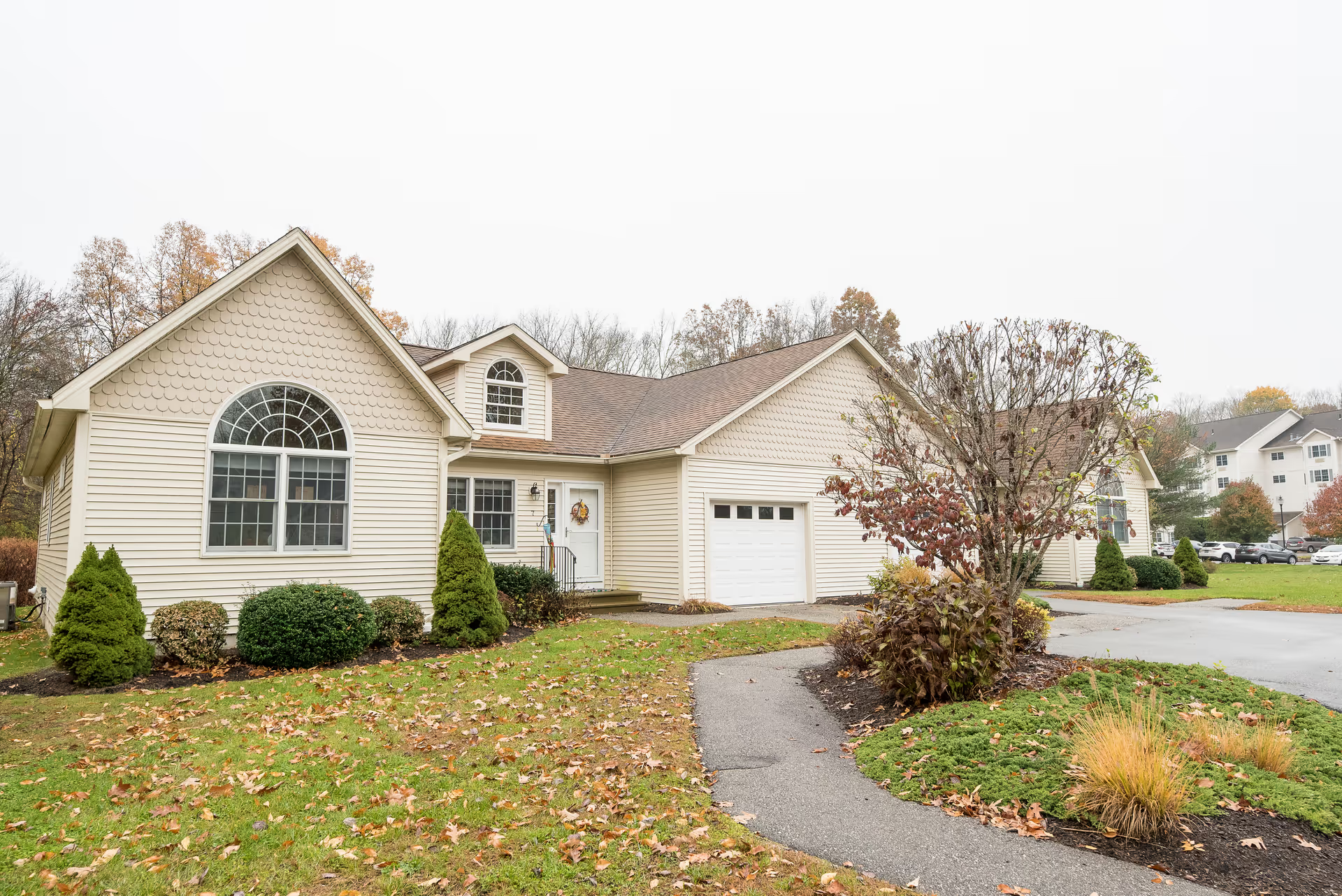
Dining, activities, and amenities: Dining and kitchen staff receive favorable mentions for food quality and friendliness. Information about structured activities is sparse in the review set; reviewers did not provide substantial commentary on an activities program. Facility amenities and operations are often characterized as clean and orderly, with secure check-in procedures and well-maintained rooms. A minority of reports, however, noted sanitation concerns and inconsistent housekeeping in specific areas.
Management and operations: Administrative processes — admissions, reception, and discharge logistics — are generally described as smooth. Nevertheless, management-level issues arise in areas that affect clinical consistency: reliance on outside agencies appears to introduce variability in staff skill and continuity, and limited on-site physician engagement was noted. Alarm and noise management surfaced as a minor but recurrent environmental concern.
Notable patterns and advice for families: The dominant pattern is one of high-quality interpersonal care and effective rehabilitation for many patients, contrasted with operational inconsistencies that can affect safety and clinical outcomes for others. Prospective residents and families should consider in-person assessment of clinical protocols (medication administration, wound care, nursing staffing ratios), ask about therapy scheduling reliability, clarify physician visit frequency, and inquire how agency staff are integrated and supervised. Verifying current housekeeping and infection-control practices during a visit is also advisable given the mixed comments on cleanliness.