The reviews present a mixed but distinct pattern: many families emphasize strong clinical rehabilitation and compassionate bedside care, while others raise operational and safety concerns. Strengths cluster around therapy services, hands-on nursing/CNA care, admissions and social-work support, and overall facility upkeep. Several families described positive therapy outcomes from physical, occupational, and speech therapy teams, and multiple accounts highlight attentive housekeeping, spacious updated rooms, and an engaging activities program that aided discharge and community reintegration. End-of-life care and specialized units (including ventilator care) received positive mentions for compassion and clinical knowledge.
Care quality shows a bifurcated picture. Numerous accounts praise timely communication with families, helpful discharge planning, and staff who advocate for residents; however, other reports indicate inconsistencies in basic care delivery and clinical responsiveness. Concerned families noted delays in medication administration, slow clinical escalation during acute events, and cases where an urgent response led to hospital transfer. These describe operational gaps in medication workflows and escalation protocols rather than isolated praise-worthy practices. Infection-control compliance and mask adherence were called into question in some instances, and there were references to a contagious-disease event that affected perceptions of safety.
Staff and management impressions are similarly mixed. Many reviewers singled out individual staff members, admissions personnel, therapists, and CNAs for praise, describing them as kind, skilled, and effective. Management and admissions staff receive repeated positive notes for facilitating transitions and communicating with families. Conversely, there are repeated concerns about administrative professionalism and the tone used by some office staff, plus frustration with how complaints and records requests were handled. One or more reviewers urged regulatory review; these are serious allegations that point toward perceived deficiencies in records access and complaint resolution processes.
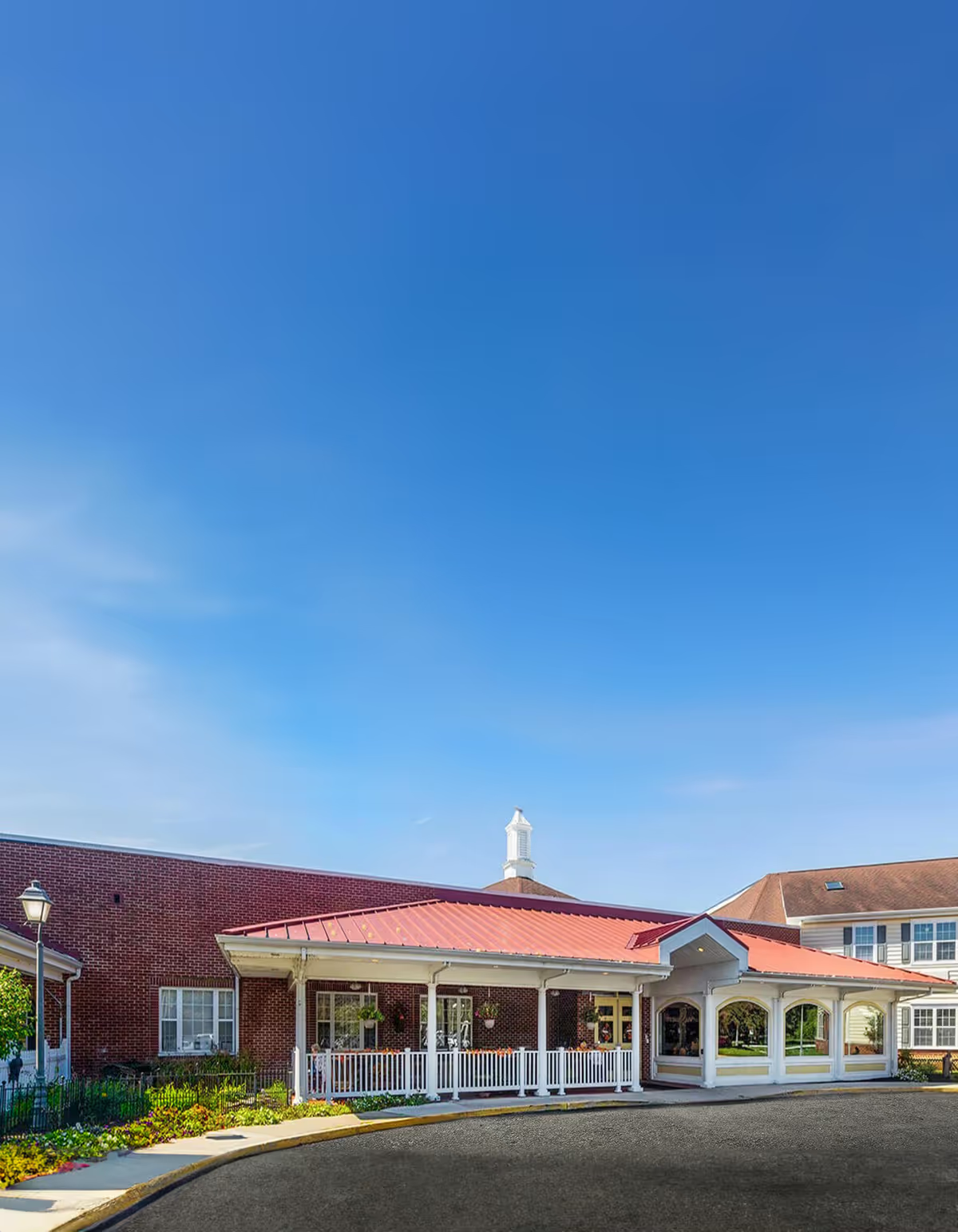
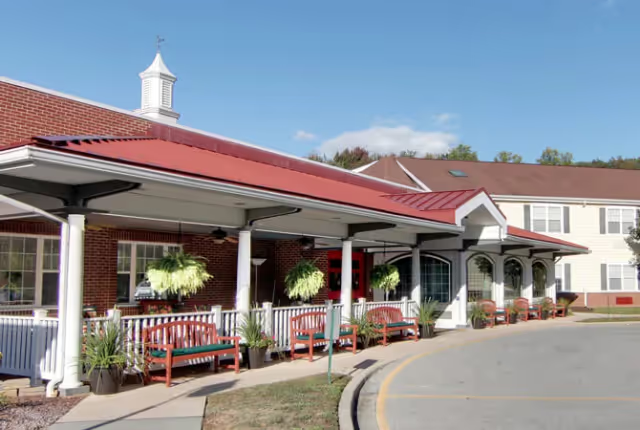
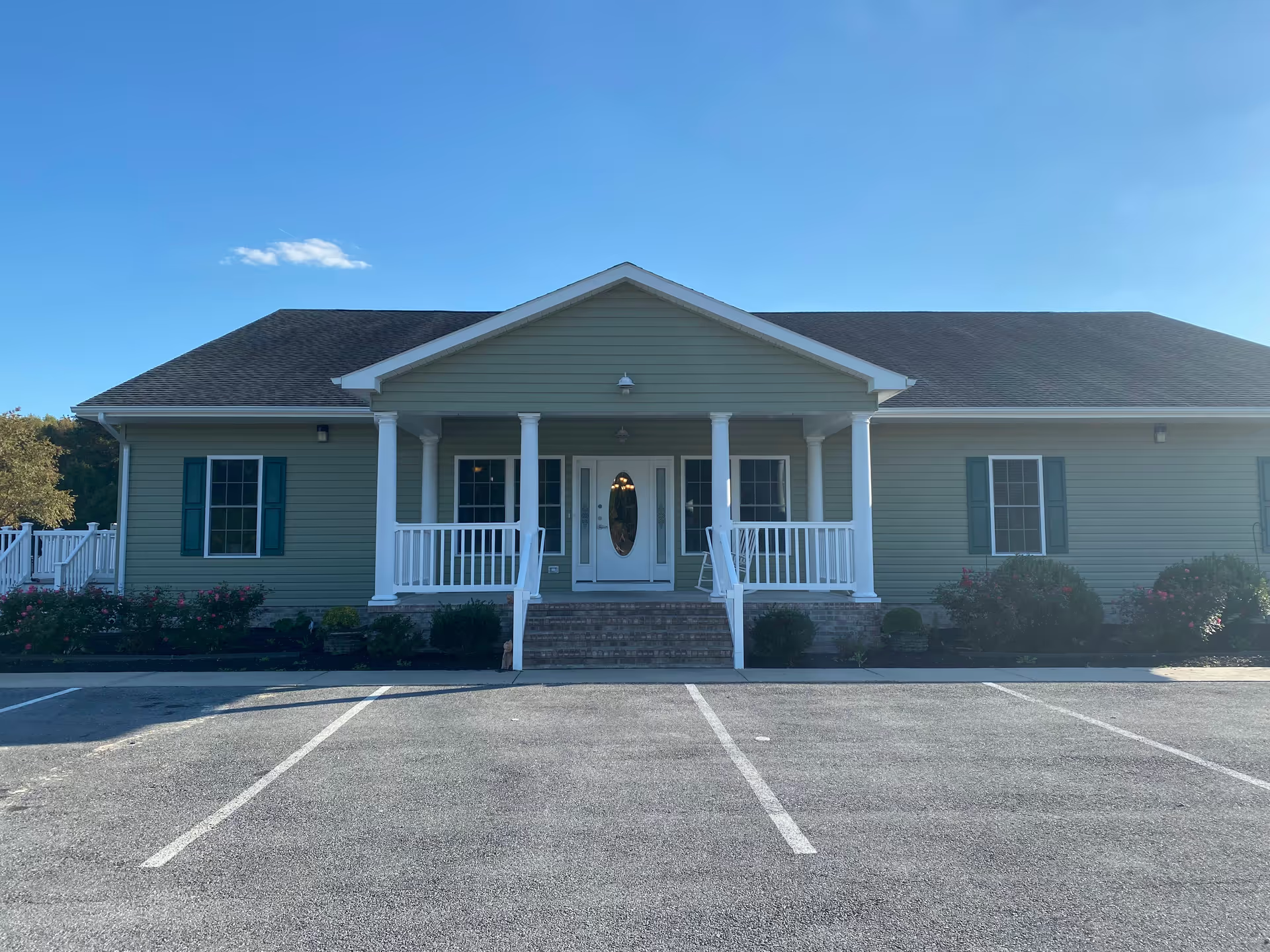
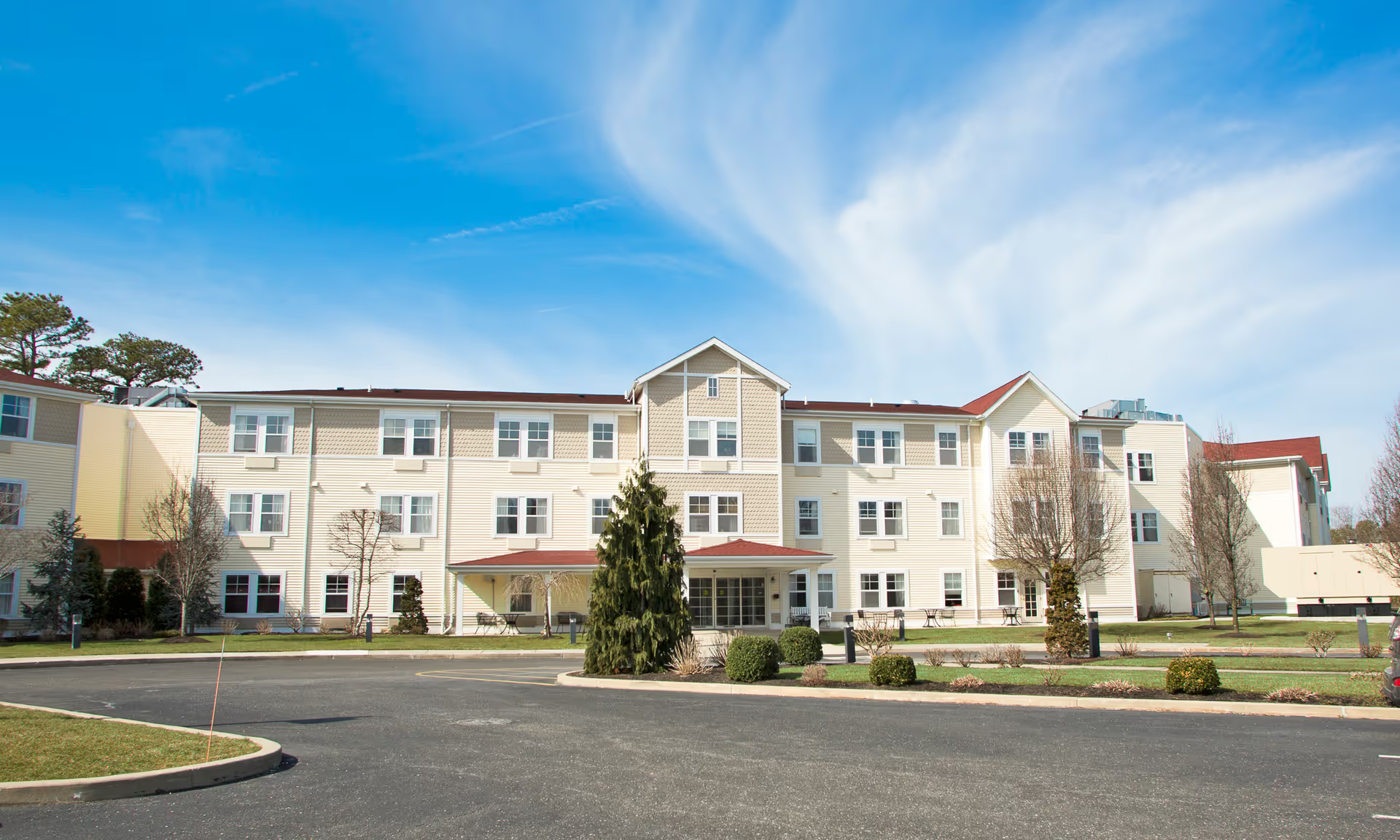
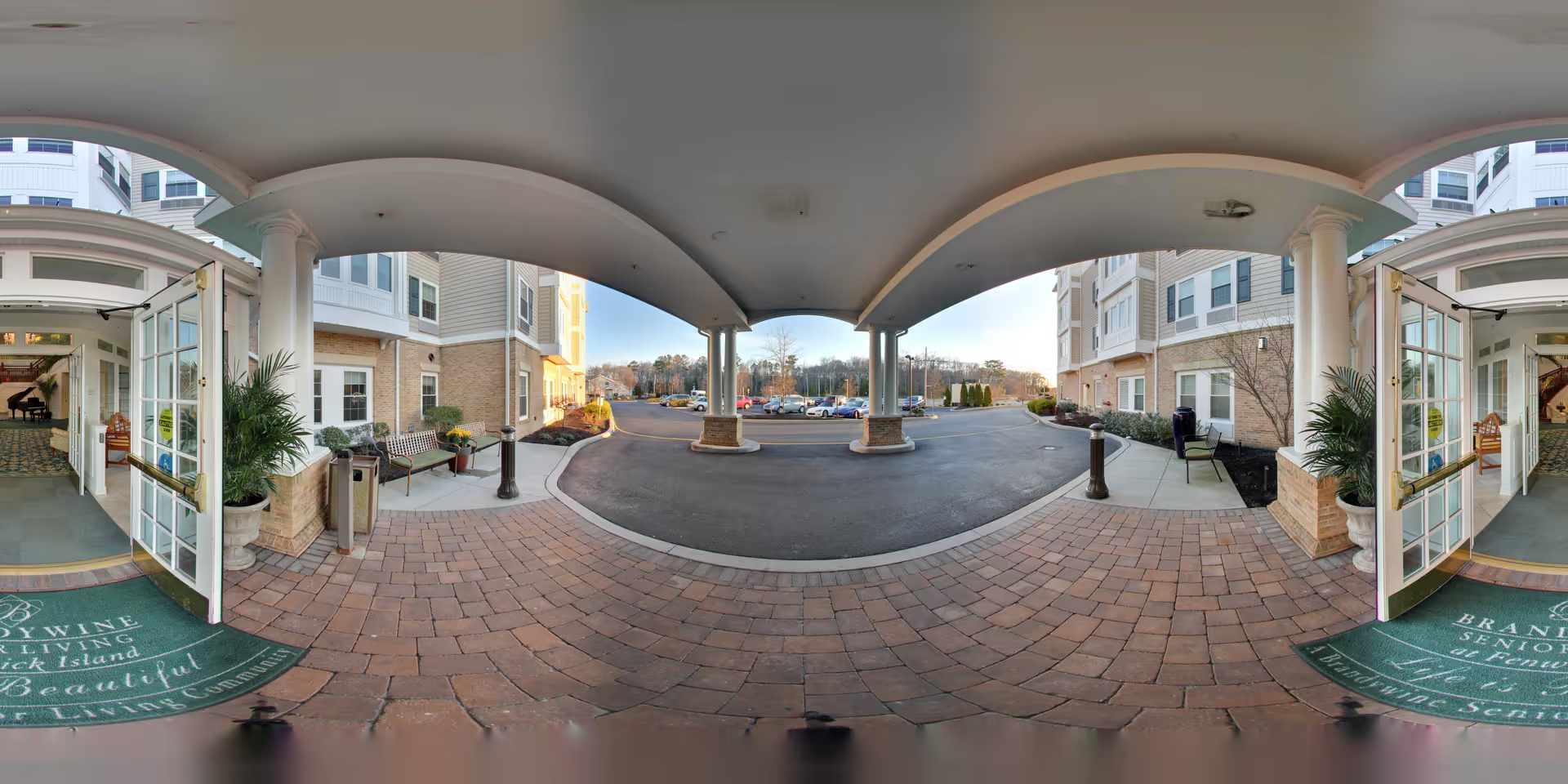
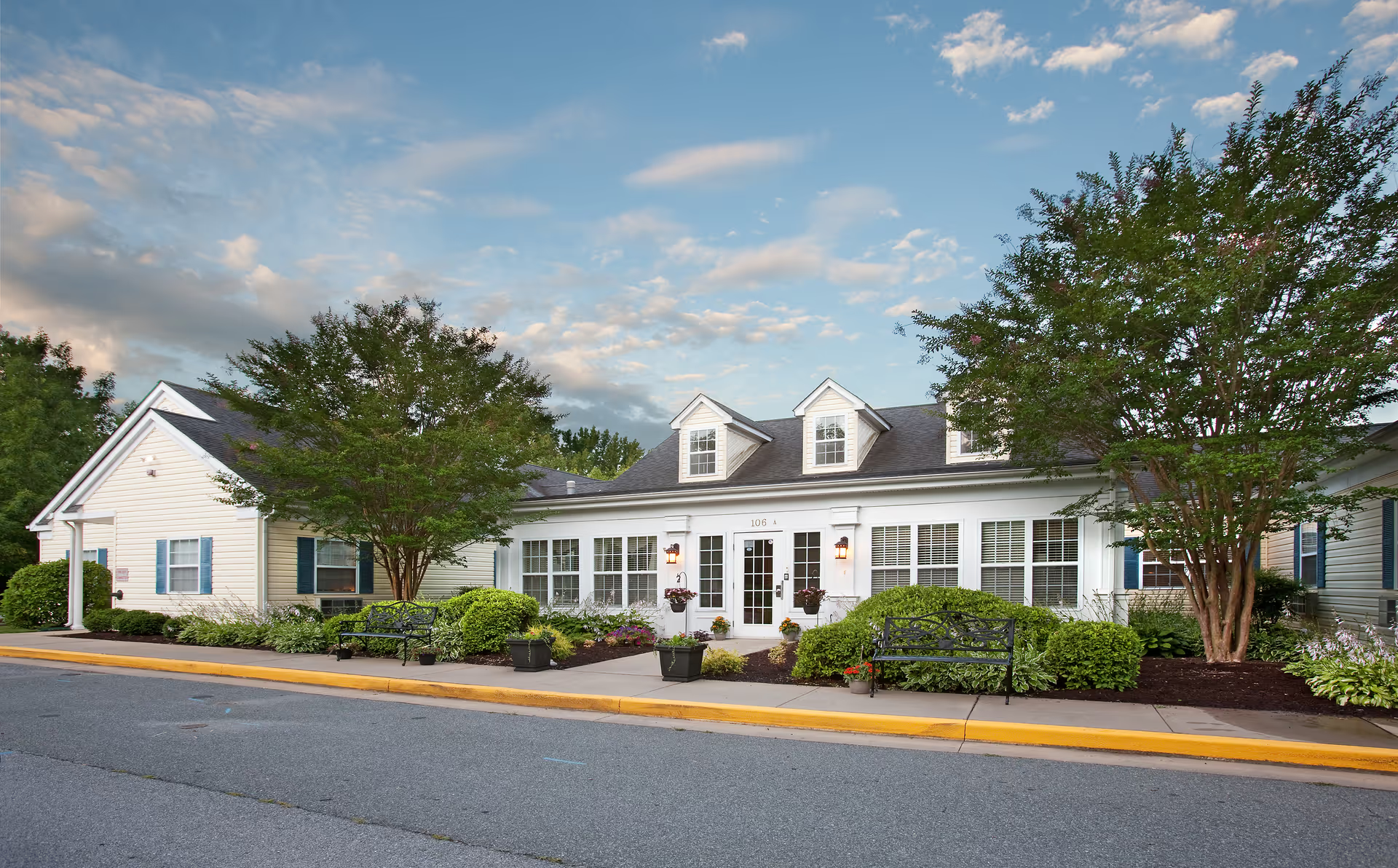
Dining and daily living show variability. Several families described very good food and an organized rehab-focused dining approach, while others referenced poor meals and intermittent linen or supply shortages. Housekeeping and facility cleanliness are frequently praised, though sanitation and incontinence-care delays were also cited as operational weaknesses in some reports. Reviewers noted a pleasant outdoor patio and well-maintained common areas, reinforcing a generally attractive physical environment.
Activities and social services were commonly described as strengths: an active activities director, meaningful programming, and social-service staff who supported transitions and family communication. The facility’s therapy-centered model and measurable rehab outcomes are recurring positives for those seeking short-term rehabilitation. At the same time, reviewers suggested the setting may be less suitable for residents with significant dementia-related needs, indicating limited dementia-care programming or specialized staffing in that area.
Overall pattern and guidance: Polaris appears to offer strong rehabilitation services, compassionate end-of-life care, and a clean, welcoming environment with many staff members who are highly regarded. However, there are recurring operational concerns — inconsistent staffing, delays in medication and clinical escalation, infection-control lapses, variability in dining and supplies, and difficulties with complaint resolution and records access — that prospective families should evaluate. Before placement, families may wish to inquire specifically about current staffing levels and schedules, medication administration protocols and escalation pathways, infection-control procedures, dementia-care programming, linen/supply management, and the facility’s process for addressing complaints and providing medical records.