Overall impression: Reviews show a facility with notable strengths in cleanliness, rehabilitation services, and many caring front-line staff, alongside recurring operational weaknesses that prospective residents and families should assess. Positive comments consistently describe a well-maintained, welcoming interior, secure entry, helpful social-work support, and therapists and nurses who are attentive and punctual. Leadership and administration receive praise from multiple families for organization and strong coordination of care in many instances.
Care and staff: Clinical and nursing care receive mixed but often positive assessments. Numerous accounts highlight friendly, knowledgeable nurses and responsive rehab teams who follow schedules and attend to therapy goals. At the same time, there is variability in staff conduct and competence across shifts or units, and several accounts describe delays in basic personal-care tasks (bathing, hydration assistance) and slow call-button response. There are also concerns about inconsistent physician availability and clinical oversight; families may want to confirm how often attending physicians or medical staff rounds occur.
Dining and activities: Dining quality is described as variable — some families note improving meals and clear communication about menus, while others characterize meal quality as mediocre and raise sanitation-related concerns tied to food service. Activity programming is available and some families appreciate social opportunities, but other reports indicate limited or insufficient programming for certain residents. Confirming the current activity calendar and how it is tailored to residents’ needs is advisable.
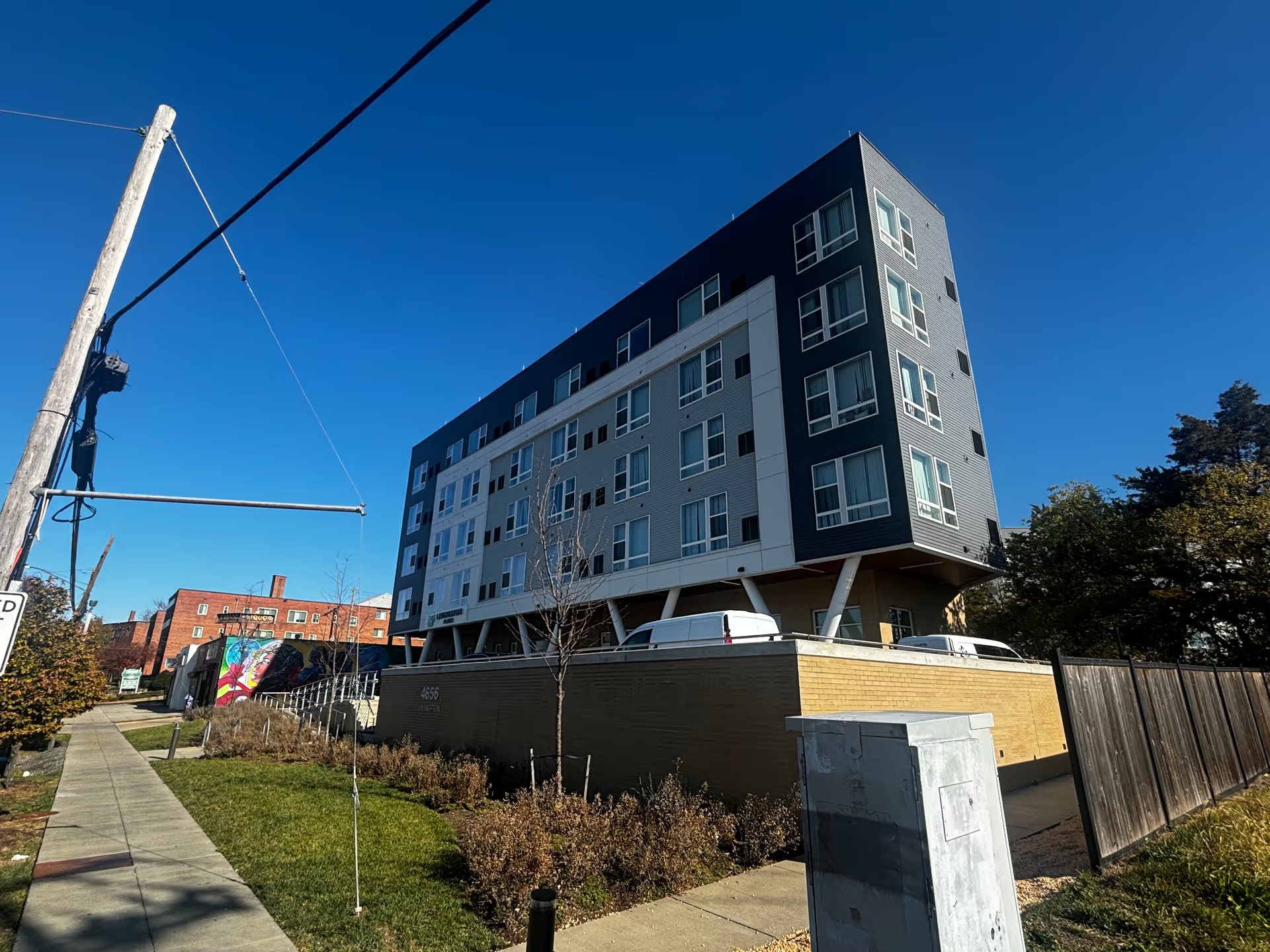
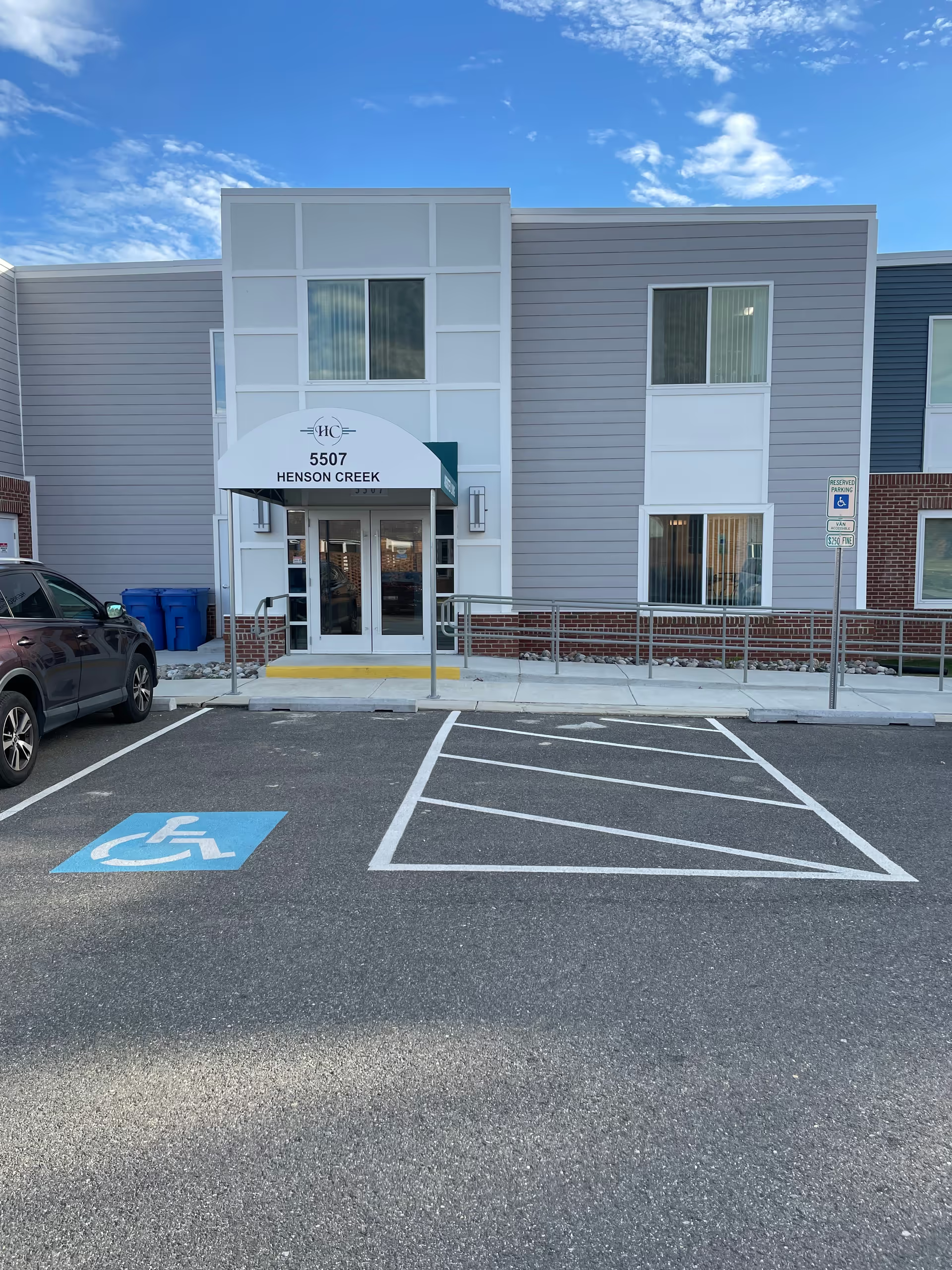
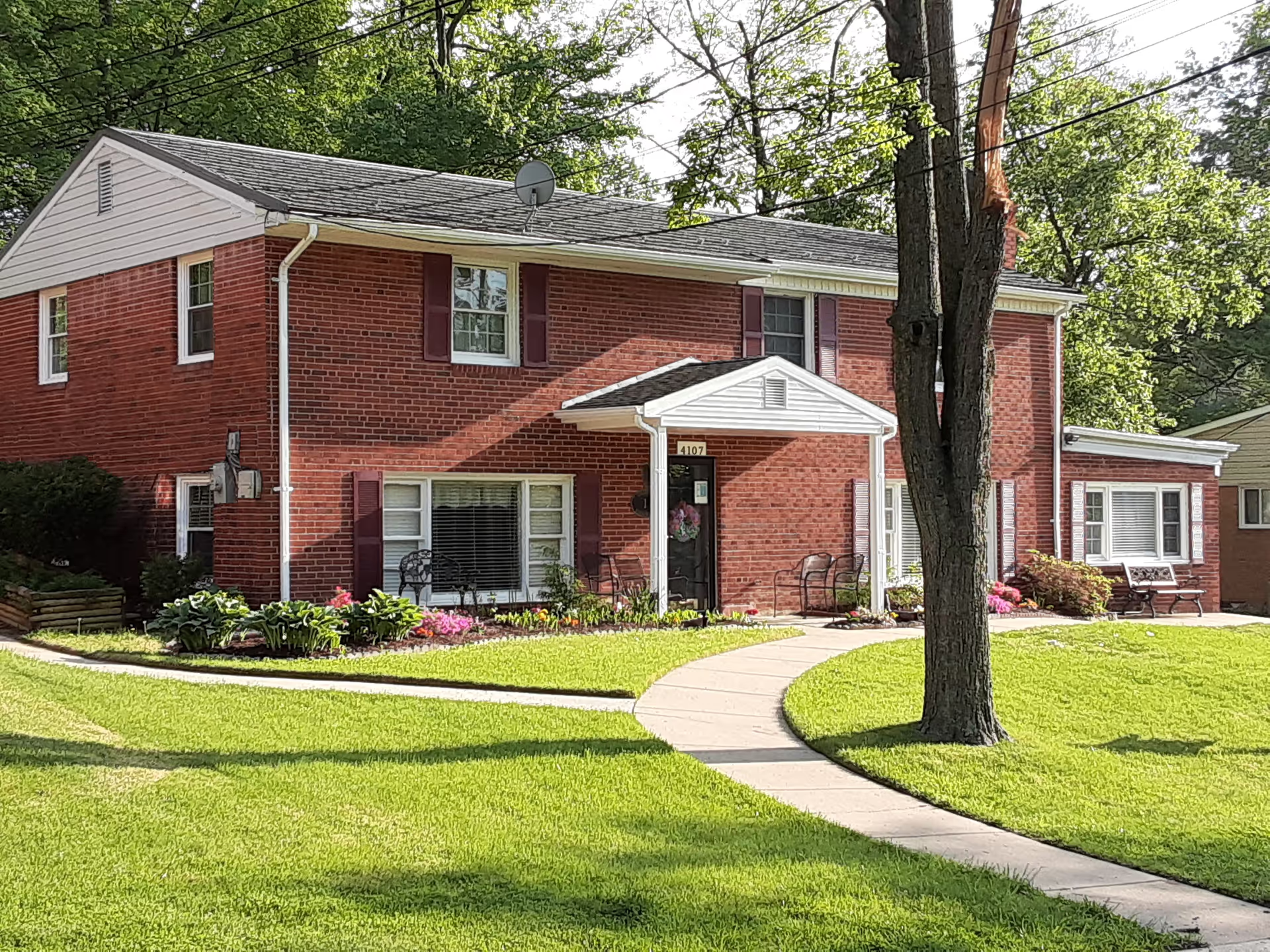
Facilities and safety: The facility is frequently described as clean, warm, and inviting, with secure entry and pleasant common areas. However, reviewers also cite localized sanitation or odor concerns in hallways or rooms, occasional room-cleaning inconsistencies, and maintenance reliability issues such as intermittent elevator outages. Security and unit-access control have been questioned where residents or other individuals were able to enter rooms unexpectedly; this suggests families should inquire about supervision, room safeguards, and overnight staffing patterns. Limited parking on site is another practical constraint to consider.
Management, billing, and notable patterns: Management is a polarizing area. Many reviewers commend strong leadership, clear organization, and proactive issue resolution, while others describe management as adversarial, lacking transparency, or failing to follow through on promises. Billing and financial-communication problems appear in multiple accounts, including at least one serious complaint about post-death billing interactions; families should request clear written explanations of billing practices, insurance coordination, and escalation pathways. Across reviews the main areas of operational risk are inconsistent staffing and responsiveness, variable housekeeping/ sanitation in some areas, and episodic management communication breakdowns.
Practical guidance: Prospective residents and families should weigh the facility’s demonstrated strengths in rehabilitation, cleanliness, and many staff interactions against the variability in responsiveness, management transparency, and certain facility-maintenance items. Recommended steps before admission include touring during different times of day, asking for current staffing ratios and physician rounding schedules, reviewing recent inspection or quality reports if available, clarifying billing procedures and escalation contacts, and confirming activity programming and security measures. These targeted questions can help determine whether the facility’s prevailing strengths align with a specific resident’s care needs and expectations.