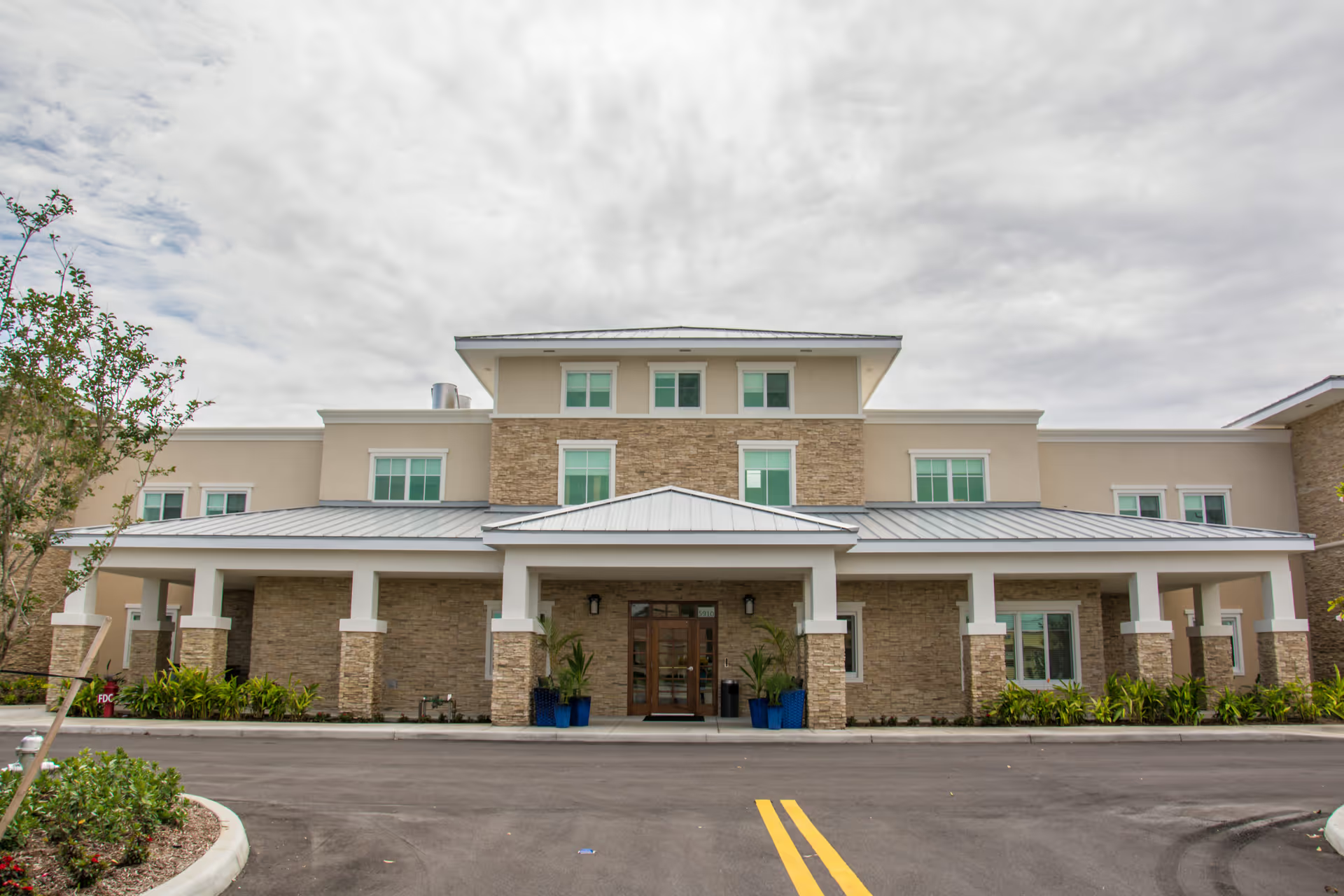
Experiences at West Delray Nursing and Rehabilitation Center are notably mixed, with many accounts describing strong clinical rehabilitation, engaged activity programming, and compassionate bedside staff, while other accounts describe operational and responsiveness shortfalls. Positive descriptions emphasize effective therapy-driven recovery, personable nursing and aide teams, helpful admissions and front-desk personnel, and a generally clean, well-lit facility that is welcoming to visitors. Several families cited specific staff members and administrators who provided clear communication and hands-on coordination, contributing to a sense of safety and progress for residents.
Care quality and staffing present a divided picture. Rehabilitation and therapy services are frequently praised for producing mobility and functional gains, and therapists are described as attentive. At the same time, reviewers expressed concerns about inconsistent clinical staffing levels and limited on-site physician coverage; these weaknesses appear connected to delayed medication administration, missed or unevenly scheduled therapy sessions (notably limited availability on weekends), and delays in assistance with toileting and other personal-care tasks. These timing and coverage issues contribute to perceptions of unreliable day-to-day care for some residents.
Dining and activities are also areas of contrast. Many accounts commend the food quality, meal presentation, and organized social programming — with named activity staff receiving positive mention for engagement. However, operational practices such as meals being served in-room, limited menu choice timing, and early wake-up routines were noted as diminishing resident comfort for others. Activity offerings were described as meaningful by some, yet others would like a broader variety of programs.
Facility upkeep and safety are similarly mixed. The center is often described as clean and well-maintained, with a pleasant location and ample parking. Conversely, there are localized sanitation and odor concerns in some areas and reports of delayed environmental-services response (for example, requested cleanups). Room-assignment instability and transfer practices were cited as disrupting continuity of care for certain residents.
Management and administrative operations show a pattern of strengths and gaps. Positive experiences reference proactive administrators who maintain family communication and resolve issues. Negative accounts cite weak responsiveness from management, business-office control problems including unauthorized account activity or unclear billing follow-up, and limited translation or cultural-accommodation resources for non-English speakers and for specific religious/cultural needs. Infection-control concerns and questions about emergency-response procedures were raised in several accounts and merit clarification from facility leadership.
Overall, the center demonstrates clear strengths in rehabilitation, individual caregiver compassion, and areas of facility maintenance, but it also exhibits recurring operational weaknesses in staffing consistency, medication and personal-care responsiveness, infection prevention, and administrative controls. Families considering the facility should seek current information on staffing ratios and weekend therapy availability, review infection-control and emergency protocols, confirm language and cultural supports, and ask for written explanations of billing and fund-handling procedures. A direct visit and conversations with therapy, nursing leadership, and the business office will help assess whether the center’s positive services align with a prospective resident’s needs.