The reviews present a mixed picture of care at the facility. Positive descriptions emphasize strong therapy outcomes, a well-regarded dementia unit, active social programming, and attractive, recently renovated common areas. Families and residents also highlight helpful reception and social‑services staff, individual caregivers who provided attentive support, and meaningful efforts around housekeeping and periodic deep cleaning. These elements suggest the facility has operational strengths in rehabilitation, engagement, and certain areas of hospitality and environment.
At the same time, a pattern of operational inconsistencies emerges. Clinical concerns include medication-administration errors, delayed medication delivery, and uneven adherence to clinical protocols—especially during some overnight shifts. Several accounts point to long call-light response times and delayed attention to basic care needs. Staffing variability and insufficient coverage were linked to missed or delayed bathing, laundry issues, and gaps in incontinence-care processes. These patterns indicate variability in day-to-day care reliability depending on shift and unit.
Dining and nutrition experiences are similarly mixed. The dining areas are described as pleasant and airy and the facility runs frequent food-related events, but there are recurring complaints about meal quality and dietary accommodation errors (incorrect menu items, delayed texture changes). Some families reported bringing supplemental nutrition for residents because of perceived gaps in meal provision. Prospective residents and families should clarify dietary accommodation procedures and kitchen oversight.
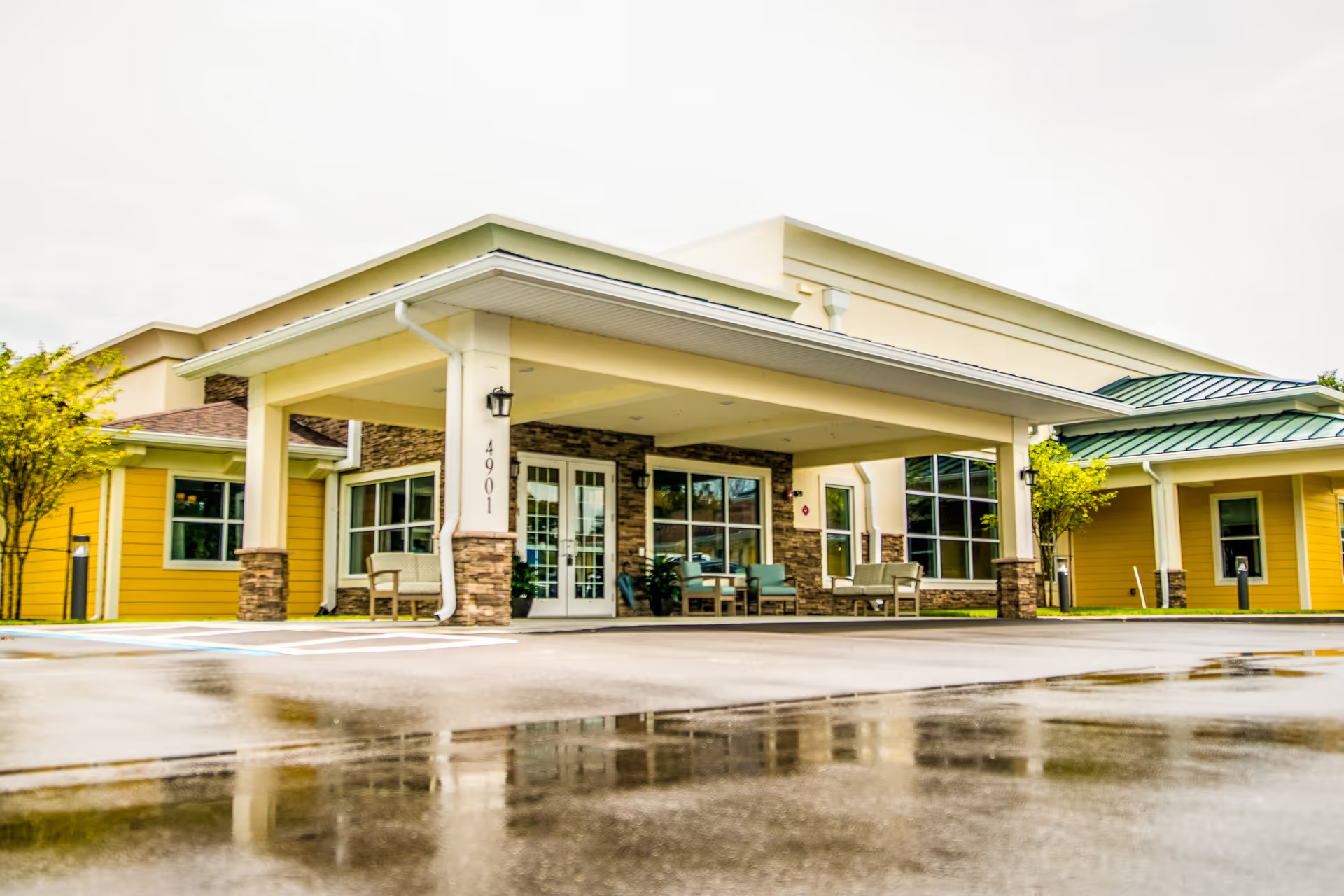
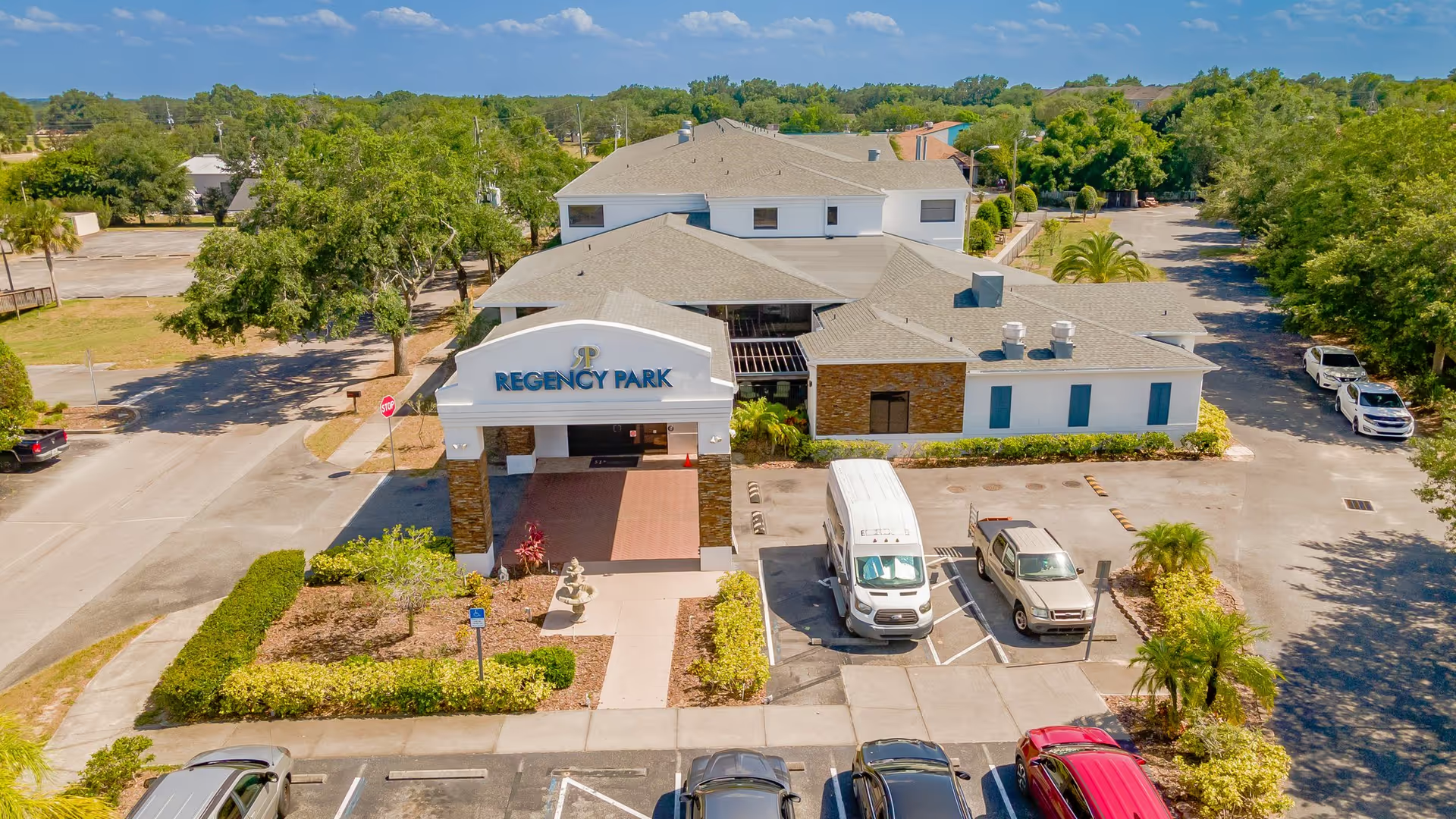
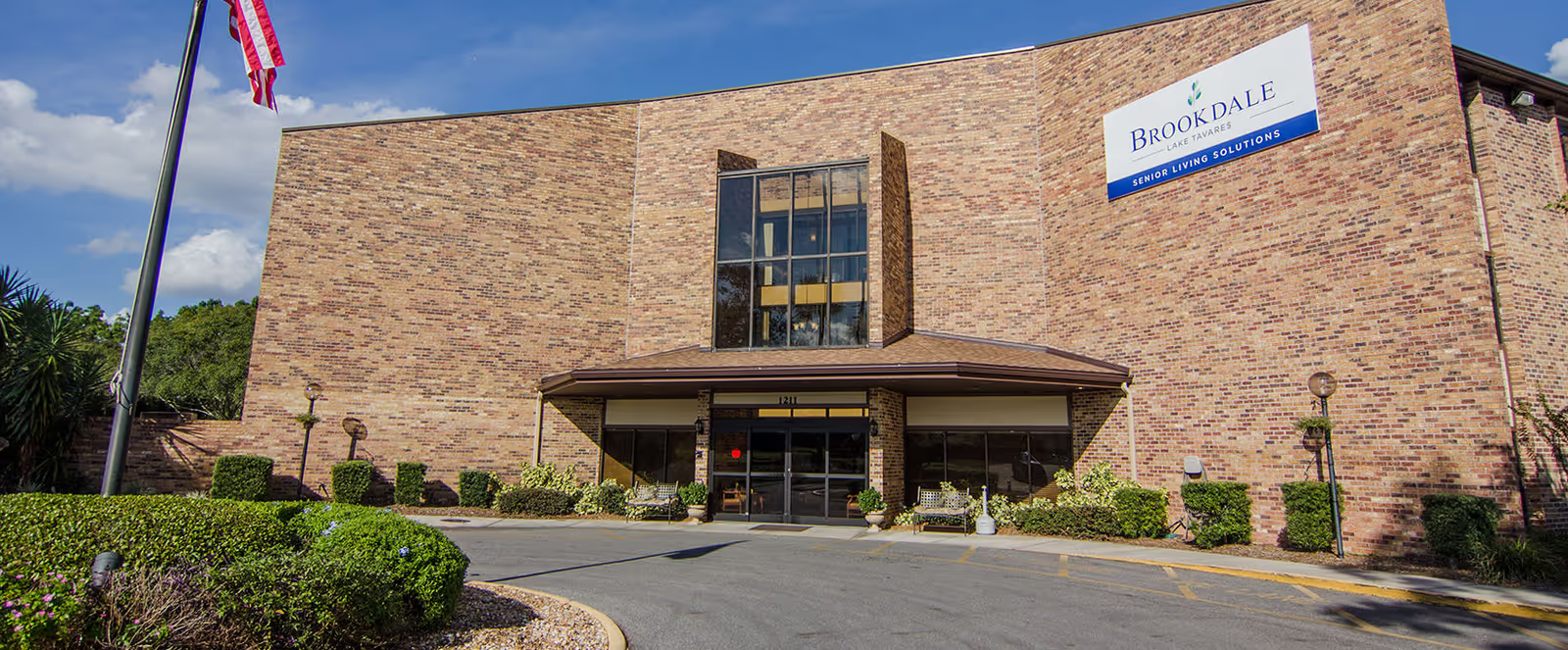
Facility condition and housekeeping also show contrasts. Several reviewers praised cleanliness, a pleasant entrance, and recent remodeling; others described sanitation and housekeeping lapses in particular rooms or units, sticky floors, and odor concerns. Laundry labeling and clothing management were sometimes inconsistent, and a few residents experienced discomfort related to small room sizes and mattresses or furnishings that felt inadequate.
Management and communication practices are another area of divergence. Some families found administration responsive, with supportive social services and active problem resolution. Others experienced poor follow-through, redirecting of questions, disclosure-of-information concerns, and slow administrative responses to complaints. There are also reports of staff conduct issues and pressure-focused therapy practices—examples that raise questions about consent, resident choice, and the tone of staff–family interactions.
Taken together, these reviews indicate that the facility has clear strengths—especially in therapy, programming, and individual staff who provide excellent care—but also important operational weaknesses that can affect resident experience. The variability appears to be driven by shift-level staffing, unit-specific housekeeping, and inconsistent managerial follow-through. For prospective residents and families, a focused tour and direct questions are advisable: ask about staffing ratios by shift, medication-administration checks, dietary-accommodation protocols, housekeeping schedules, consent/privacy policies, and documentation of therapy plans and resident participation. Observing a mealtime, reviewing recent survey or inspection information, and speaking with social services about escalation procedures will help determine whether the facility’s strengths align with a specific resident’s needs.