Magnolia Ridge receives markedly mixed feedback, with a recurring distinction between strong rehabilitation services and less consistent inpatient nursing care. Residents and families frequently praise physical and occupational therapy, and also describe positive speech therapy and lymphedema services. Reviewers report individualized, encouraging treatment and meaningful progress in walking, strength, balance, and independence. Outpatient therapy is especially well regarded. However, several inpatient accounts describe slow responses to call lights, difficulty obtaining timely assistance with toileting or mobility, and gaps in bathing and skin or wound care. Staffing shortages and turnover are common explanations in these accounts, though experiences are not uniform.
Staff experiences vary by unit, role, and stay. Many accounts commend nurses, CNAs, therapists, housekeeping, reception, and case-management staff for kindness and personal attention; memory-care families in particular describe close relationships, resident inclusion, and a consistent team. Other families report difficulty reaching staff or managers, receiving care-plan and health updates, and getting concerns addressed. Reviews also differ on management: one family described a more positive atmosphere after a leadership change, while others reported unanswered calls and inconsistent follow-through. Admissions, insurance, billing, and discharge communication were helpful for some families but confusing or delayed for others.
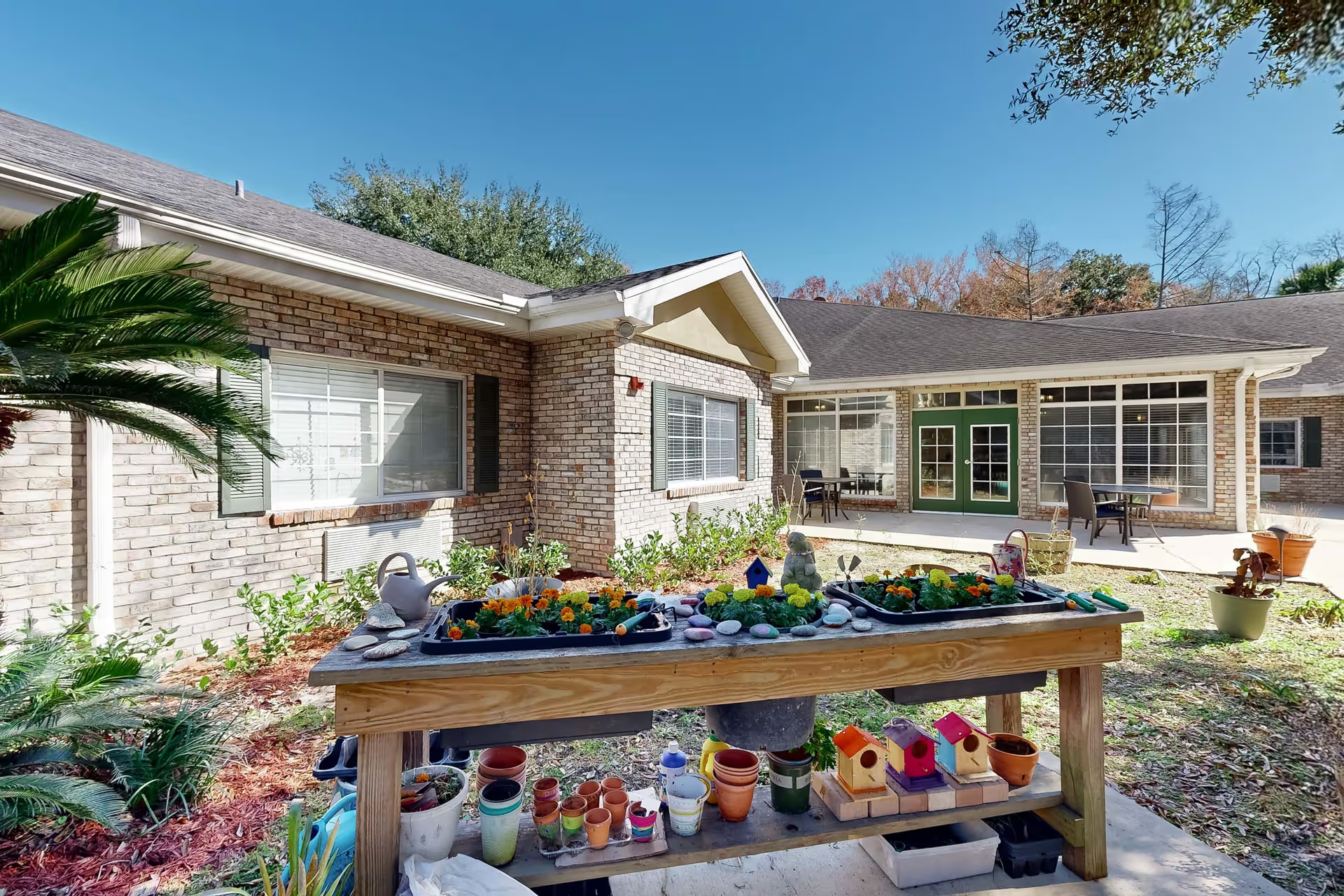
Dining feedback is similarly mixed. Some residents praise the food, meal choices, and Bistro, while numerous inpatient accounts describe late or missed trays, meals that did not match orders, cold food, and concerns about compliance with prescribed diets. Unpredictable meal delivery was also described as disrupting therapy and other care schedules. Activities and amenities are a notable strength in positive accounts, which mention social events, outings, a movie theatre, courtyards, and an ice cream parlor. A smaller set of comments describes limited activity or access to amenities, suggesting experiences may vary by resident and setting.
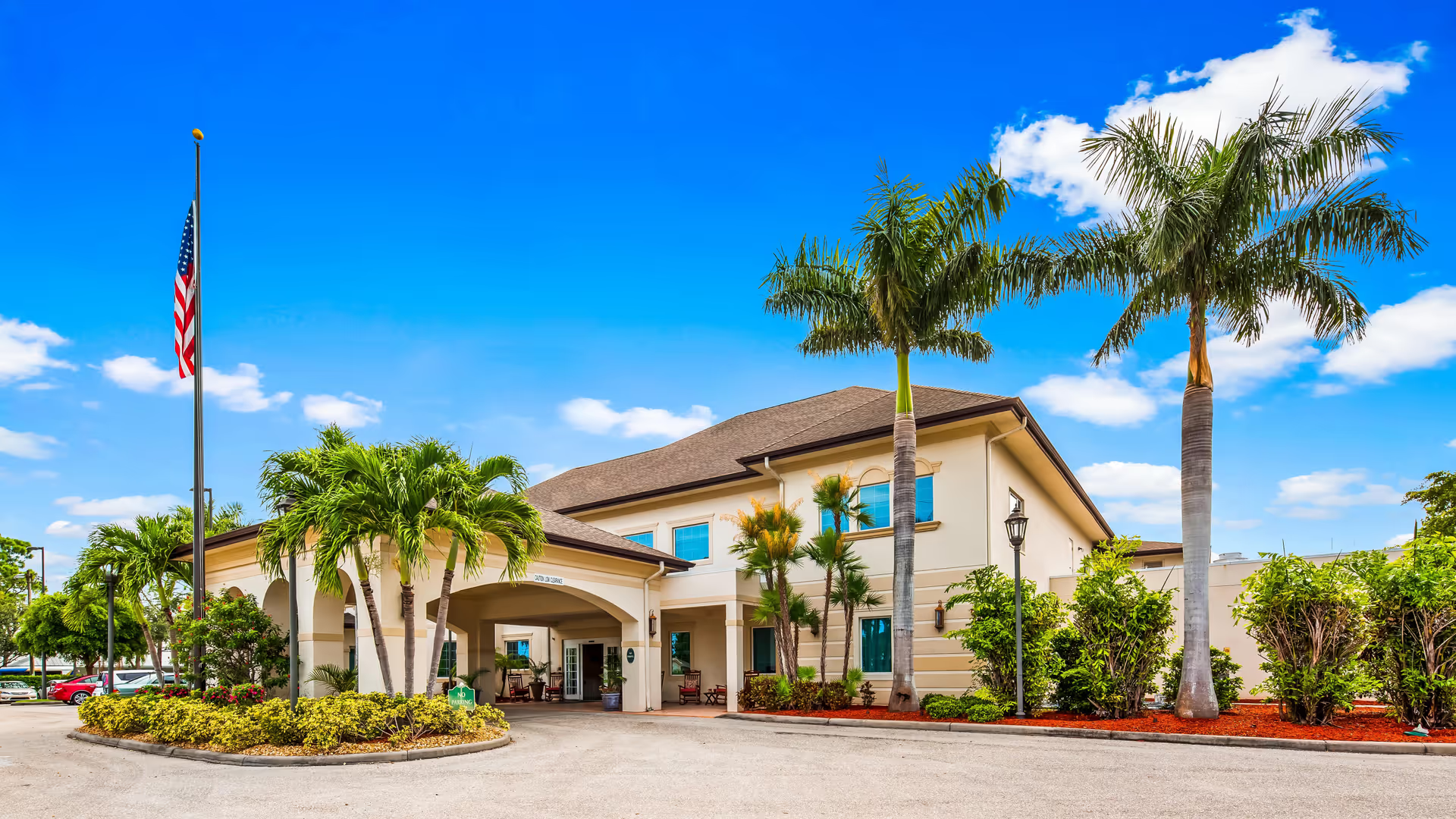
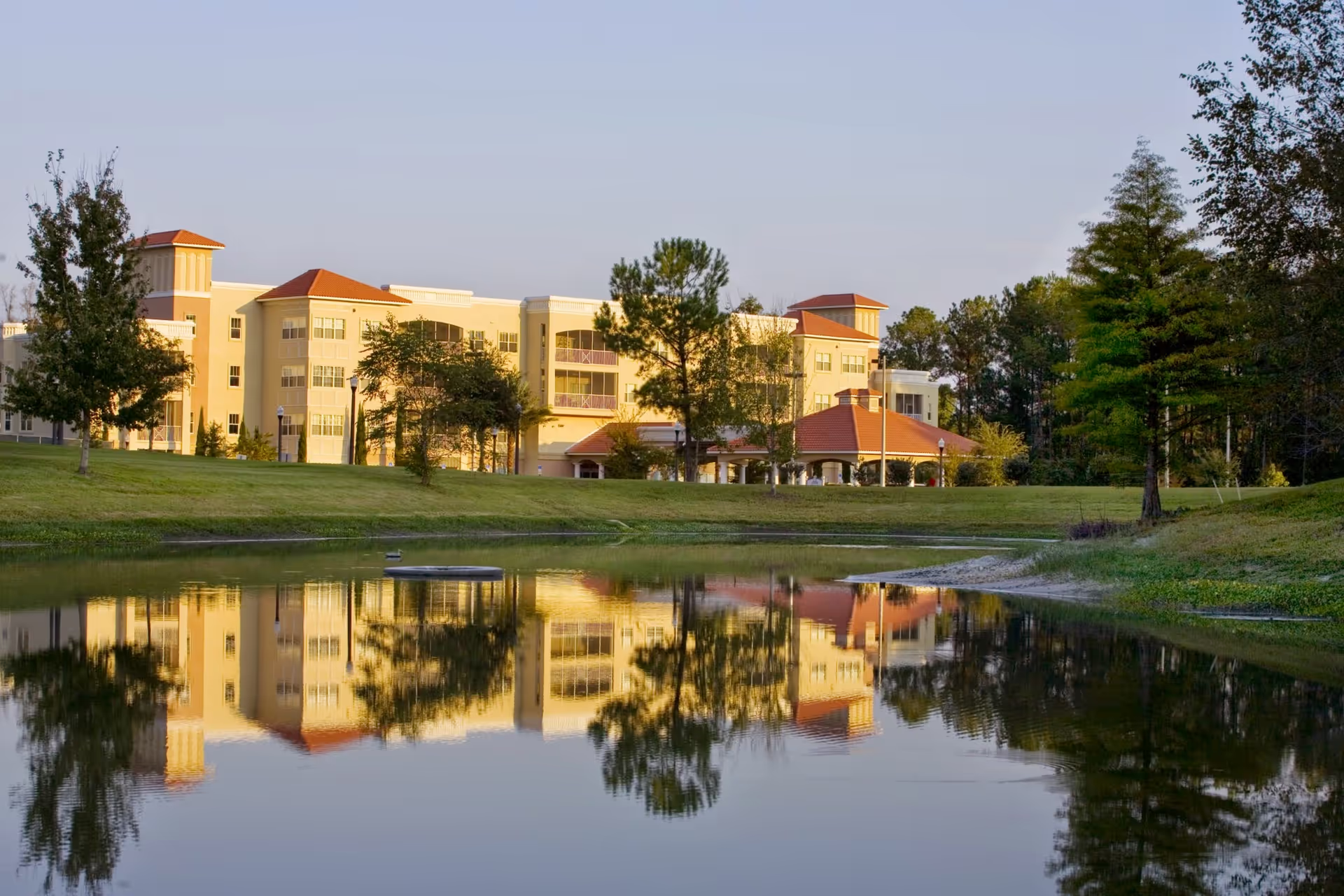
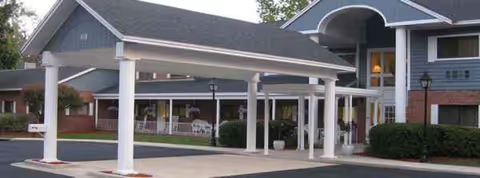
The building itself is consistently described as attractive, spacious, and clean. Some reviewers also identify maintenance or equipment concerns, including room or flooring issues and problems with call-light equipment. Individual families raised serious concerns about clinical coordination and escalation, including fluid management for a resident with kidney failure, as well as responsiveness to comfort needs during hospice care. These accounts include reports of hospitalization and a resident’s death shortly afterward, but do not establish that facility care caused the outcome. Overall, prospective families may wish to assess the specific unit and staffing arrangements, ask how medication and diet orders are checked, and clarify how care-plan updates, complaints, insurance, and discharge decisions are communicated. The reviews suggest that rehabilitation may be a particular strength, while the consistency of day-to-day inpatient support and communication is a key area to evaluate.