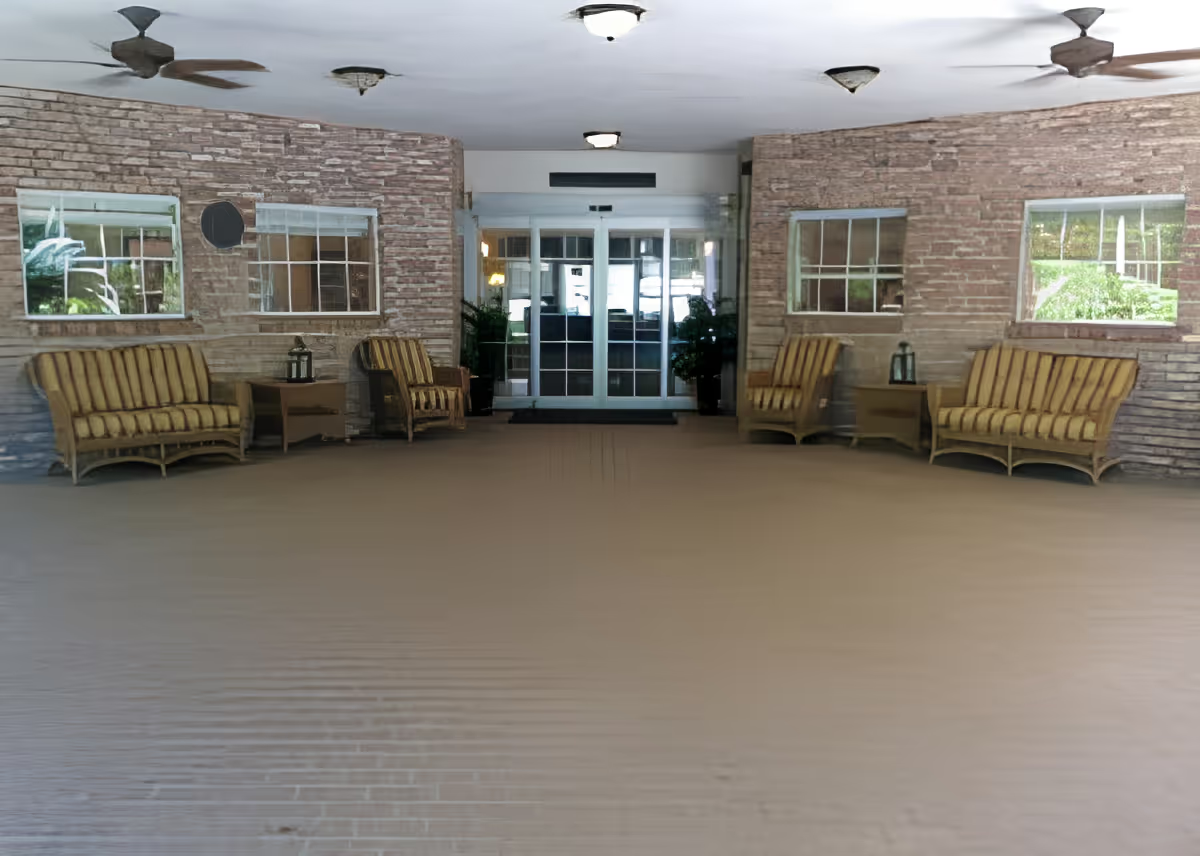
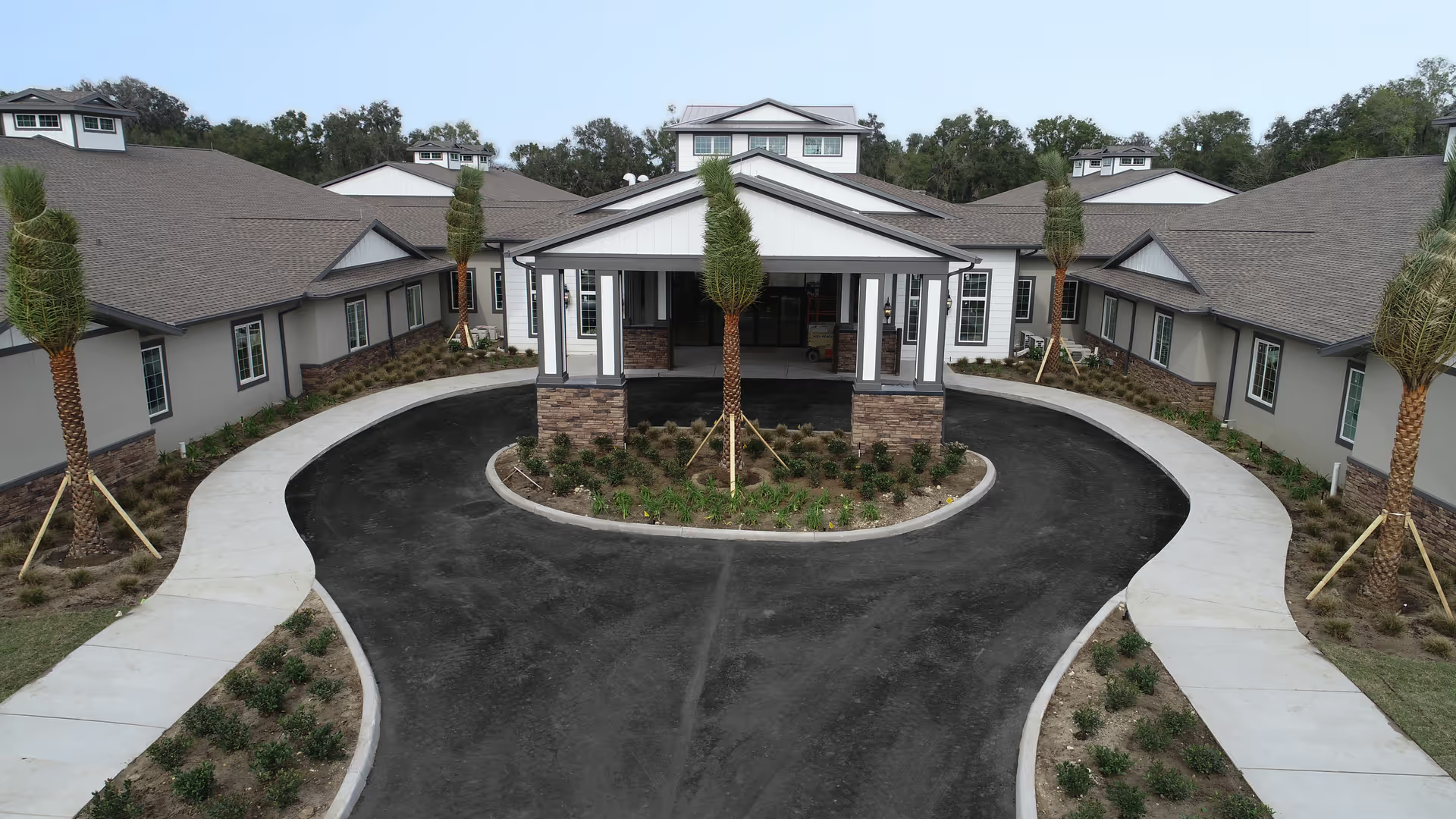
The review set for Terrace Health & Rehabilitation Center contains a pronounced mixture of positive experiences and serious operational concerns. Many families and residents praise individual staff members — including CNAs, nurses, and therapists — for compassionate bedside care, patience, and practical help with rehabilitation goals. The facility’s rehabilitation program (physical and occupational therapy) is frequently described as effective, with documented functional gains for some patients. The building and common spaces are often described as attractive and well maintained, and activity programming (bingo, painting, pet therapy, holiday music) is recognized as a meaningful part of resident life when active.
At the same time, a consistent theme across the reviews is variability in day-to-day operations. Staffing appears uneven: while some staff are singled out as excellent, reviewers also describe frequent turnover, surly or unresponsive shifts, and periods when help is delayed. Those staffing gaps are linked to operational consequences such as late or omitted medications, slow response to call lights, delayed assistance with personal care tasks, and occasional failures in discharge or transport coordination. Several reviews describe medication-timing issues and errors, which indicate weaknesses in medication-management processes.
Sanitation and safety concerns appear in multiple accounts. Cleanliness and housekeeping are praised in some reports but criticized in others, with specific mentions of room and bathroom cleanliness issues, odor concerns, and pest-control worries. Clinical-safety patterns emerge as an area for scrutiny: reviewers describe falls with subsequent hospitalization, skin and wound issues, and infection-related problems in a way that suggests gaps in monitoring, wound prevention, and infection-control consistency. PPE adherence and infection-control practice consistency are also cited as variable.
Dining and activities are similarly mixed. Activity offerings can be robust and well-run when staffed and scheduled, but programming has been suspended at times for infection-control reasons and when staff resources are constrained. Dining is described as adequate to good in some cases, with special diets accommodated; however, recurring complaints about cold or bland meals and minimal portions point to inconsistent food-service execution. Facility rooms range from newer, attractive accommodations to older rooms needing refurbishment; double rooms and private options are available.
Management and communication are recurring friction points. Reviewers describe miscoordination of external appointments and transport, missing or delayed personal belongings, and difficulty reaching social-work or administrative staff at key moments. While some visitors commend accessible and helpful managers, others experienced poor follow-through and a lack of accountability in resolving problems.
Overall, reviews present a polarized picture: families who interact primarily with skilled therapists and attentive caregivers often report good outcomes, whereas those who encounter staffing shortages, medication or sanitation lapses, or communication breakdowns report significant dissatisfaction. Prospective residents and their families should consider on-site interviews that focus on staffing levels for specific shifts, medication-administration protocols, infection-control and housekeeping schedules, fall-prevention and skin-care practices, meal-service timing and menu samples, and recent incident or quality-improvement records. Asking for direct references from current families and observing a mealtime and an activity session can help clarify whether the facility’s strengths are consistently in place for a particular resident’s needs.