Reviews convey a mixed picture that combines several longstanding positive experiences with a set of recurring operational concerns. On the positive side, many families and long-term residents describe compassionate, attentive caregiving and nursing; residents who stay long term are often said to receive steady, affirmative social interaction and benefit from on-site recreational programming. The facility is noted for being affordable and accepting Medicaid, offering basic private rooms and communal amenities such as TV and interactive activities that some residents enjoy.
Care quality appears variable. Several accounts describe effective routine care and staff attentiveness, while other accounts describe lapses in clinical monitoring and escalation during acute events. Specific operational patterns inferred from those accounts include delays in responding to acute medical needs, gaps in medication administration and documentation, and inconsistent oxygen/respiratory delivery practices. These issues have been associated with hospital transfers or emergency-room visits in some instances, indicating potential weaknesses in protocols for clinical escalation and transfer-safety practices.
Staffing and communication are notable areas of contrast. Numerous reviewers praise individual caregivers and nurses as kind and compassionate, and some note that staff were attentive to meals and daily needs. At the same time, reviewers raise concerns about inconsistent staffing levels, slow responsiveness during episodes of need, and variability in staff conduct and training. Family communication and phone accessibility are frequent pain points: callers report long hold times, difficulty reaching the facility, and delays in being informed about changes in condition or incidents.
Dining and activities are similarly inconsistent. Several families report that meals are satisfactory and that some residents gained weight and enjoyed the menu, while others describe unacceptable food quality. Recreational programming (daily activities, TV, games) is generally cited as a positive element that supports resident engagement.
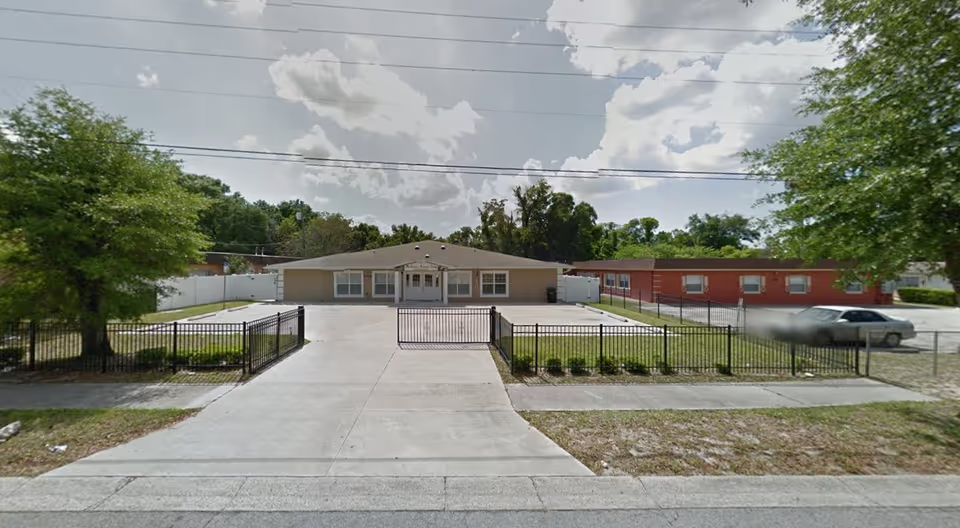
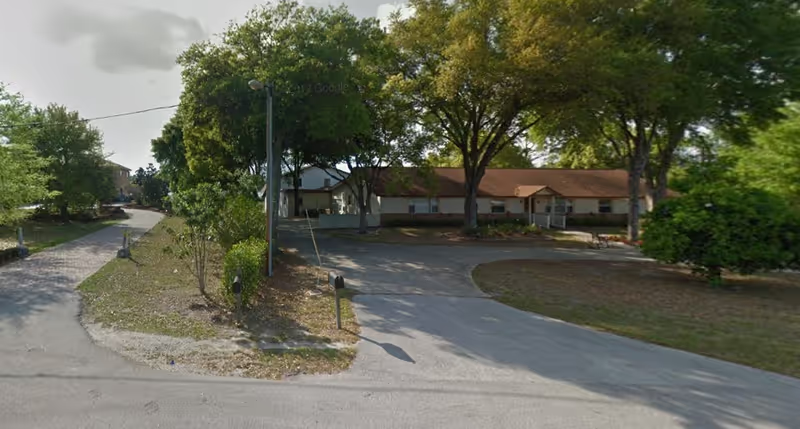
Facility conditions range from well-maintained, clean units to reports indicating sanitation concerns, odor issues in some areas, and pest-control concerns. The building is described as older in parts, with variability in upkeep across units and shifts. There are also isolated accounts of improper handling of contaminated linens or cleanup procedures, which point to gaps in environmental protocols for hygiene and laundry handling.
Management and oversight emerge as areas for improvement. Reviewers describe inconsistent administrative responsiveness, difficulty getting timely callbacks, and reluctance to provide prompt explanations after incidents. Those patterns suggest weaknesses in accountability, family communication processes, and incident follow-up. Taken together, the dominant pattern across reviews is high variability: some residents and families have largely positive, stable experiences, while others encounter operational failures that affect safety, sanitation, or timely medical care.
For prospective residents and families assessing this facility, consider an in-person visit focused on current staffing levels, examples of recent clinical incidents and how they were handled, medication-administration safeguards, infection-control and laundry/linen protocols, and the facility’s communication policies for families. Reviewing recent inspection and survey history and asking for references from current long-term families may help clarify whether the facility’s positive practices are consistent and whether the documented concerns have been addressed.