Overall impression: Palm City Nursing and Rehab Center presents a mixed profile. The facility is widely recognized for a strong rehabilitative focus: physical therapy, specialty programs (including an LSVT program), and an on-site therapy training apartment receive consistent praise for helping residents regain mobility and return home. Many reviewers highlight knowledgeable, compassionate therapy staff and an environment that supports intensive rehab goals.
Care quality and clinical concerns: Clinical experiences appear uneven. While some families describe skilled nursing and attentive CNAs, other accounts raise substantial concerns about nursing responsiveness, treatment continuity, and clinical oversight. Specific operational themes include delayed response times to call signals, missed or irregular treatments, and errors or delays in medication administration. There are also several mentions of wound- and ostomy-care issues that required escalation to emergency or hospital care. These items indicate variability in routine clinical surveillance and follow-up rather than a uniform standard of care across all units or shifts.
Staff, management, and communication: Leadership and individual staff members receive positive notes—several families described proactive administration, good family communication, and staff who advocate for patients. However, reviewers also described staffing shortages, coverage gaps (especially at night), and inconsistent accessibility to nurses. Some families experienced unsatisfactory interactions with administrative or business-office personnel, and billing or documentation delays were raised as an operational issue to consider when evaluating placement.
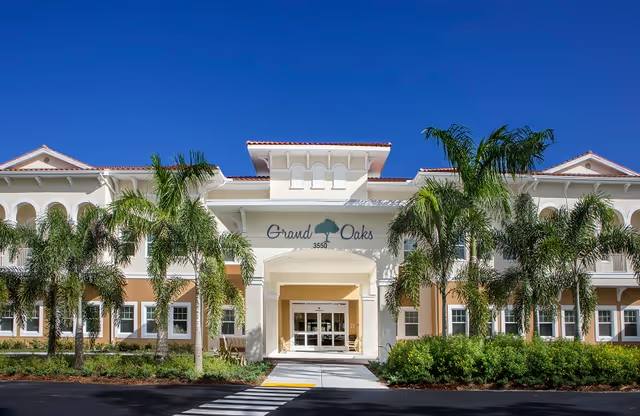
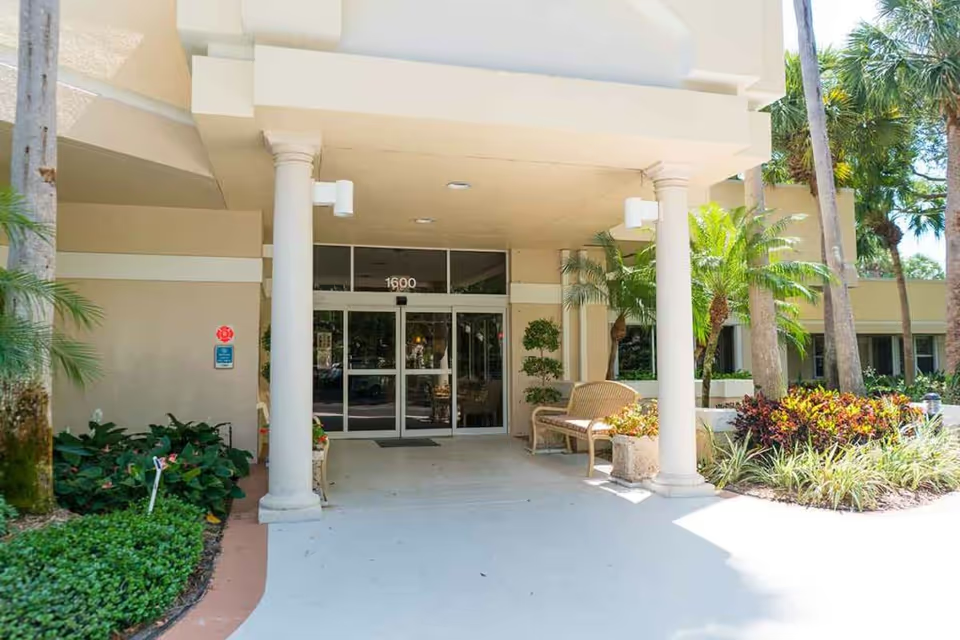
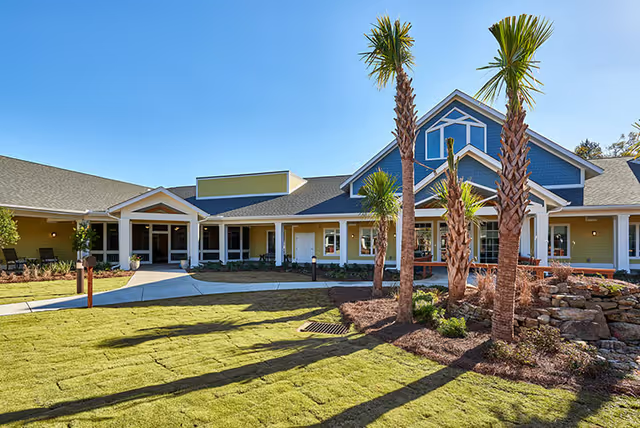
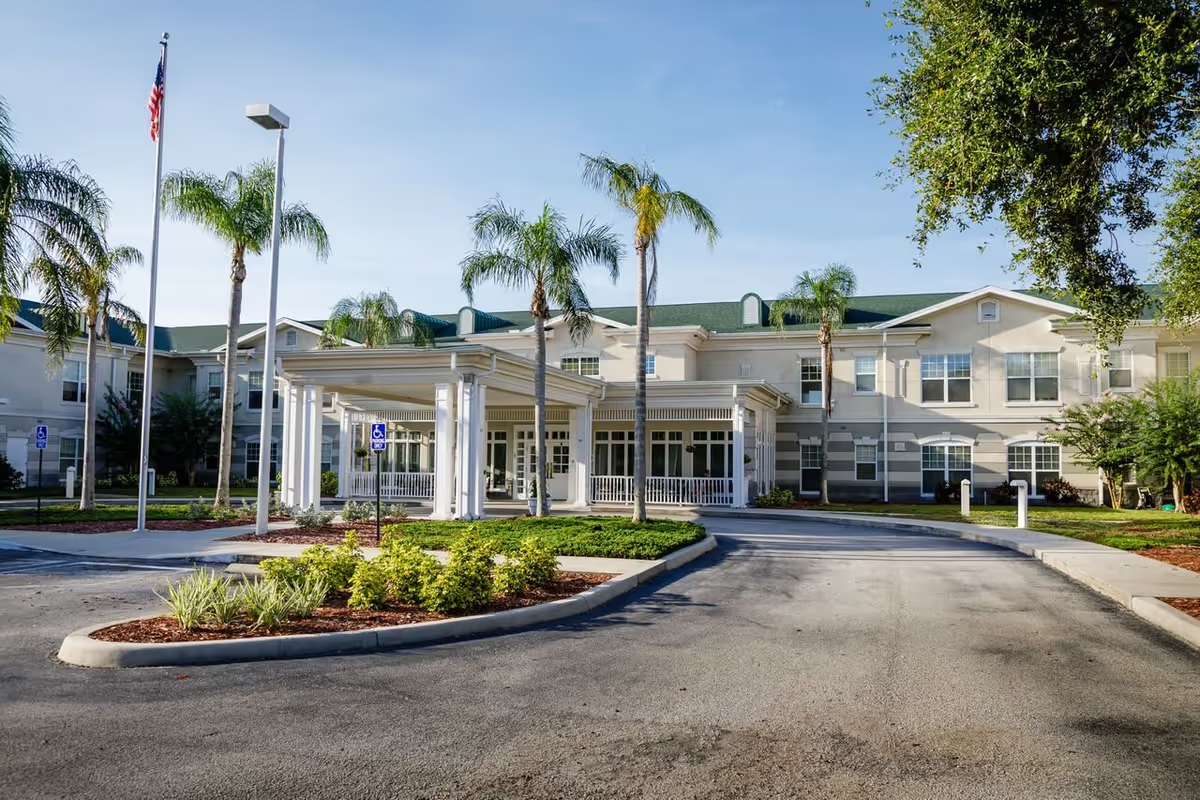
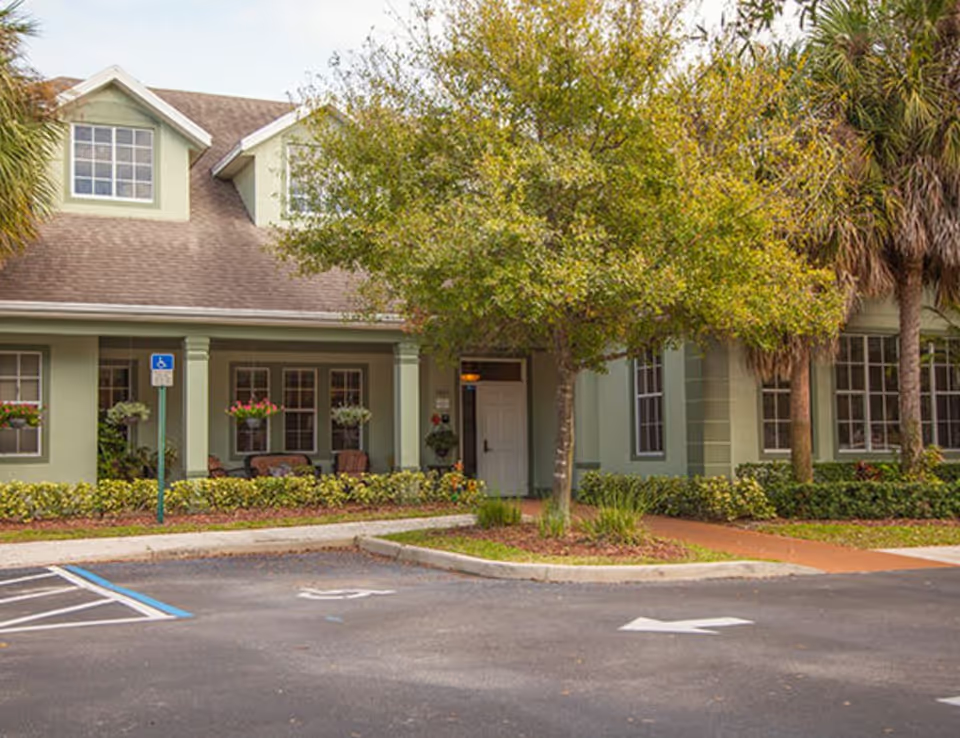
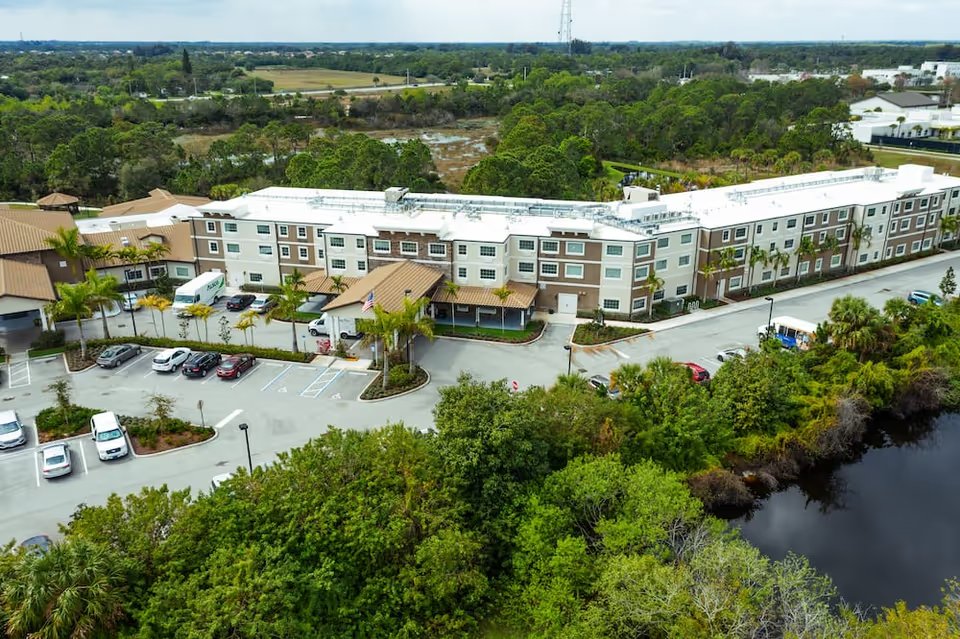
Dining, activities, and facility environment: Reports about dining are mixed. Some residents found the meals palatable and the dining options sufficient, while others experienced small portions, poor meal suitability for specialized diets, or inconsistent diet management. Activity programming is often cited as a strength—there are engaging recreational and faith-based offerings—though activity availability may be variable depending on unit and staffing. Facility appearance is generally described as clean, bright, and well-maintained; nevertheless, a small number of reviews raised pest-control and housekeeping variability concerns that should be clarified in person.
Notable patterns and recommendations for families: The strongest, most consistent asset is the facility’s rehabilitation services and therapy staff. Areas that show recurring weaknesses are nursing responsiveness, medication and wound/ostomy-management processes, and operational reliability (call systems, night coverage, and administrative follow-through). Prospective residents and families should ask targeted questions about nurse-to-resident ratios, wound and ostomy-care protocols, medication-administration safeguards, call-button response times, diet accommodation procedures, pest-control measures, and how the facility handles off-hour clinical coverage. Visiting during different shifts and speaking directly with therapy, nursing, and administrative staff can help assess whether the unit-specific practices meet your expectations.