Springtree Rehabilitation & Health Care Center is consistently described as a facility with a strong rehabilitation focus. Across reviews the therapy teams — physical, occupational and speech — receive frequent and specific praise for professionalism, individualized plans and measurable progress in mobility and function. Many families and residents attributed functional gains and positive discharge outcomes to the therapy program and to attentive therapy staff.
Nursing and direct caregiving are generally viewed positively: reviewers commonly describe compassionate nurses and CNAs who provide regular assistance, bathing, and comfort. At the same time, there is a clear pattern of variability across shifts. Daytime staff and supervisors, including case managers and social workers, are often characterized as proactive and communicative; overnight and weekend coverage is frequently described as thinner and slower to respond. This leads to recurring concerns about delayed assistance for toileting and transfers, slower overnight checks, and inconsistent bath/linen schedules.
Dining and nutrition receive mixed feedback. The facility’s ability to accommodate kosher and other special diets is a noted strength, and some families praised hot, home‑style meals and an engaged nutrition team. However, many reviewers also reported inconsistent meal quality, temperature, repetition of menu items, and different experiences between weekday and weekend service. Prospective families should expect a range of meal experiences and confirm how special diets and meal timing are managed.
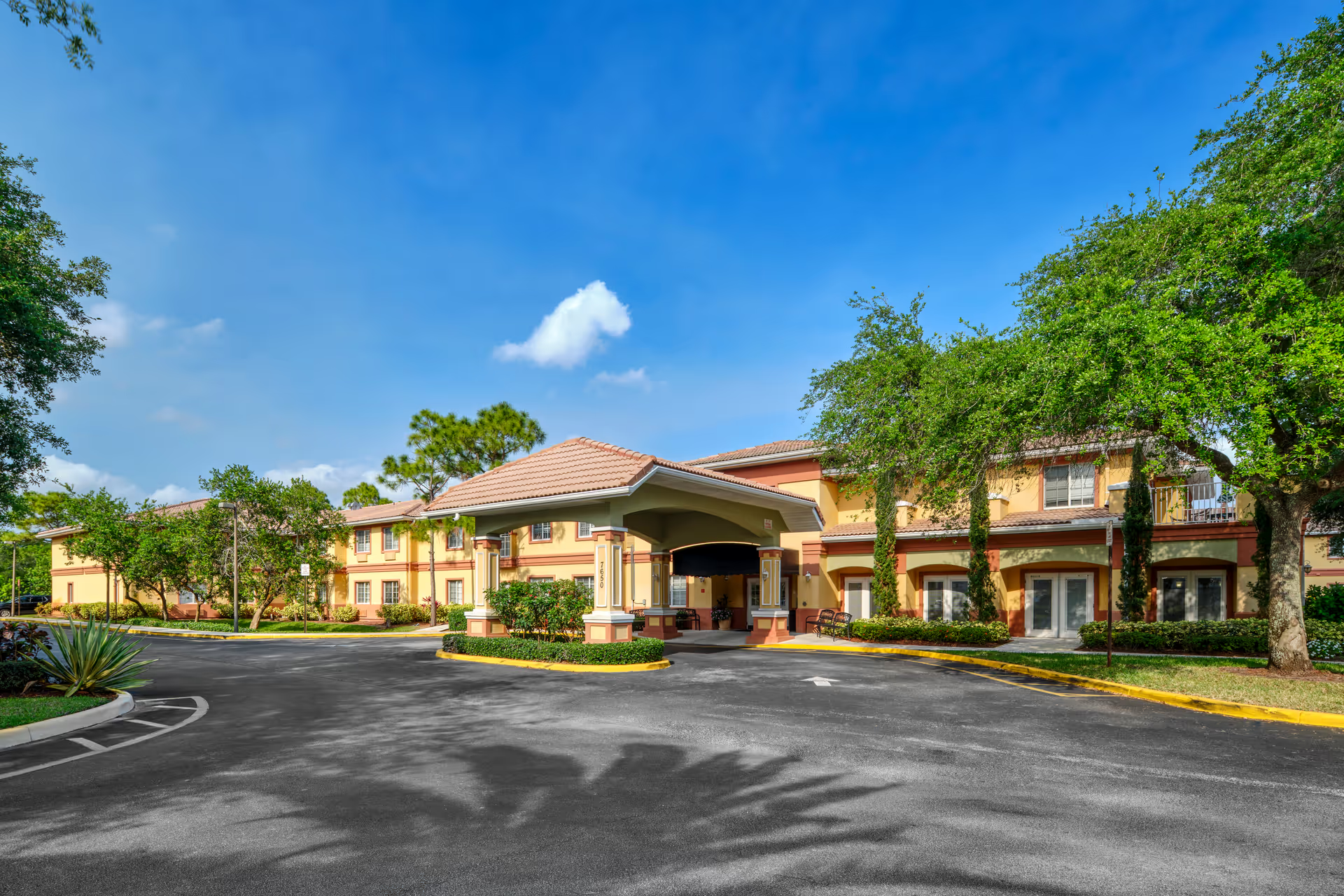
Housekeeping and the physical environment show a similar pattern of contrast. Numerous visitors describe clean, hotel‑like common areas, attractive dining and activity rooms, and well‑kept outdoor spaces. Conversely, other accounts cite sanitation concerns in some rooms and bathrooms, intermittent maintenance issues (for example, AC filters, rugs, or floor cleaning), and occasional pest‑control concerns. These descriptions suggest unevenness in housekeeping and maintenance performance rather than uniform facility-wide failure.
Management and communication are another mixed area. Several reviewers praised responsive case managers and administrators; others described missed callbacks, canceled meetings without notice, and discharge coordination gaps. Of particular note are a small number of serious medication-related concerns that families raised; while these appear to be isolated in the context of the broader dataset, they point to the importance of asking about medication-administration protocols and error‑prevention measures during a visit.
Overall, the dominant strengths at Springtree are its rehabilitation services, many caring clinical staff members, and engaging activities. The recurring operational weaknesses are variability across shifts, inconsistent housekeeping and meal delivery, and gaps in communication and care coordination. Families considering Springtree should prioritize on-site questions about overnight staffing, call‑button response times, medication-safety protocols, pest control procedures, and how dietary and discharge needs will be managed for their specific loved one.