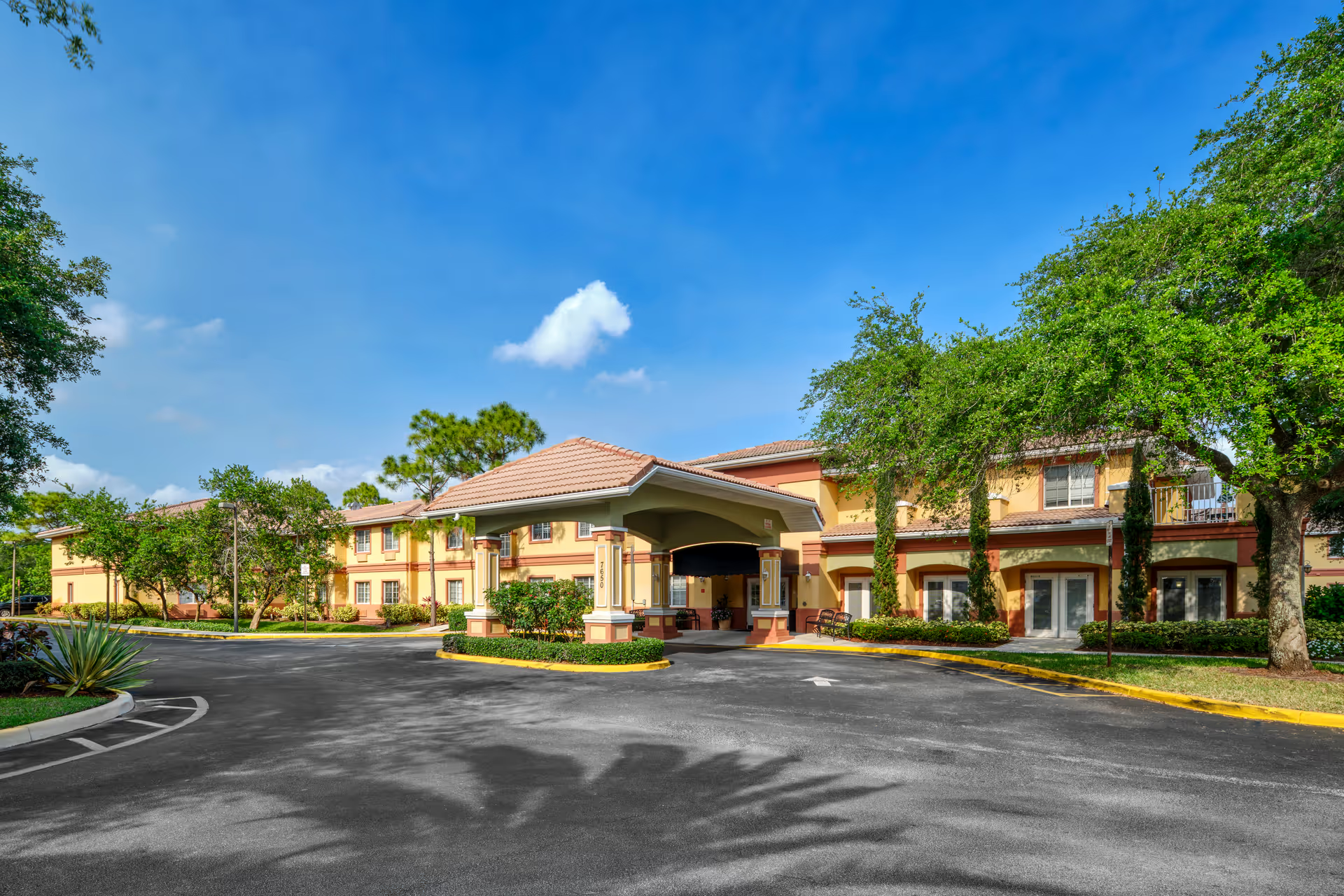
Sunrise Health & Rehabilitation Center elicits a mixed but clearly delineated set of impressions. Strengths center on clinical and rehabilitative capacity and aspects of the physical plant: multiple reviewers described a clean, modern facility with private and standard room options, a pleasant courtyard, and dedicated wings for specialized care. Rehabilitation services, CNAs, and many nurses received positive mention for being engaged and contributing to resident progress. Administrative front‑desk interactions and some paramedic/transport staff were also identified as professional and helpful.
Care quality is described unevenly. Several accounts praise attentive nurses and CNAs who provide compassionate, resident-centered support and go beyond baseline expectations. At the same time, other accounts describe delayed responses to calls, long waits for nursing attention, and breakdowns in timely care escalation. There are also recurring concerns framed around medication oversight and documentation — specifically, reviewer concerns about how certain medications are managed — which suggests the need for clearer medication-administration protocols and improved family communication around pharmacologic interventions.
Dining and activities present a similar contrast. The facility offers organized holiday and religious programming that families found engaging, and some reviewers noted satisfactory meals and improved food quality. Conversely, snack availability and on‑demand food service appear inconsistent; families reported needing to request snacks rather than them being offered proactively. Rehabilitation programming and therapy services were generally reported positively.
Facility upkeep and logistics show both strengths and gaps. The building and many rooms were characterized as clean and modern, but there are isolated sanitation concerns in resident-touch areas and occasional room-climate and lighting complaints. Operational maintenance issues — broken beds, shortages of mobility equipment, and delays in transferring or obtaining wheelchairs — were described. Property-management weaknesses were also noted, with instances of missing clothing and unclear laundry controls indicating room for stronger inventory and labeling practices.
Management and communication are important areas for improvement. Multiple accounts cite difficulties reaching nursing staff or administrative personnel by phone, particularly on weekends and holidays, and delays in transfer coordination. Emergency‑response timing and family communication following critical events were identified as problematic in some accounts, leading to heightened family concern. These patterns point to staffing consistency and communication-protocol gaps rather than a uniform deficiency across all shifts.
Practical considerations for prospective residents and families: Sunrise shows clear strengths in nursing, rehab, and facility amenities, but prospective families should specifically evaluate staffing patterns for weekends/holidays, inquire about medication-administration policies and documentation, review property‑management procedures (laundry and personal items), and ask for examples of emergency-response and transfer protocols. An in-person tour that includes questions about staffing ratios, night/weekend coverage, and examples of recent quality‑improvement actions will help determine whether the facility’s operational consistency matches its clinical and environmental strengths.