Overall impression: Families and visitors frequently describe Hale Anuenue Restorative Care as a clean, welcoming facility with a strong restorative focus and an engaged therapy team. Positive commentary centers on the nursing and therapy staff, who are characterized as compassionate, attentive, and effective at delivering individualized physical and occupational therapy. The facility’s restorative program — including daily physical therapy and coordinated schedules — is cited as a core strength, and several families credited staff efforts with maintaining resident morale through difficult periods such as COVID-related lockdowns.
Care and staff: Nursing and therapy staff receive consistent praise for interpersonal warmth, individualized therapy plans, and willingness to go beyond basic expectations. Families noted smooth admissions, supportive management, and proactive communication between staff and families. At the same time, recurring operational themes suggest the clinical model can be limited by staffing capacity: reviewers describe workload strain among direct-care staff, inconsistent one-on-one attention, and delays in basic assistance such as bathroom help. There are also concerns about variable physician engagement and timeliness of clinical decision-making, which families feel can affect outcomes in acute situations.
Dining and activities: Meal service is generally described as healthy and dependable, and the community offers an active social program with engaging activities that keep residents occupied. The facility atmosphere is often described as busy and family-oriented, with communal programming and staff-led engagement contributing to resident satisfaction.
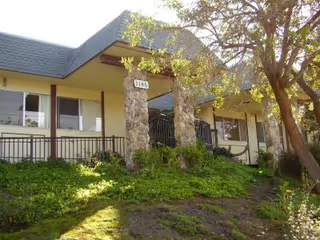
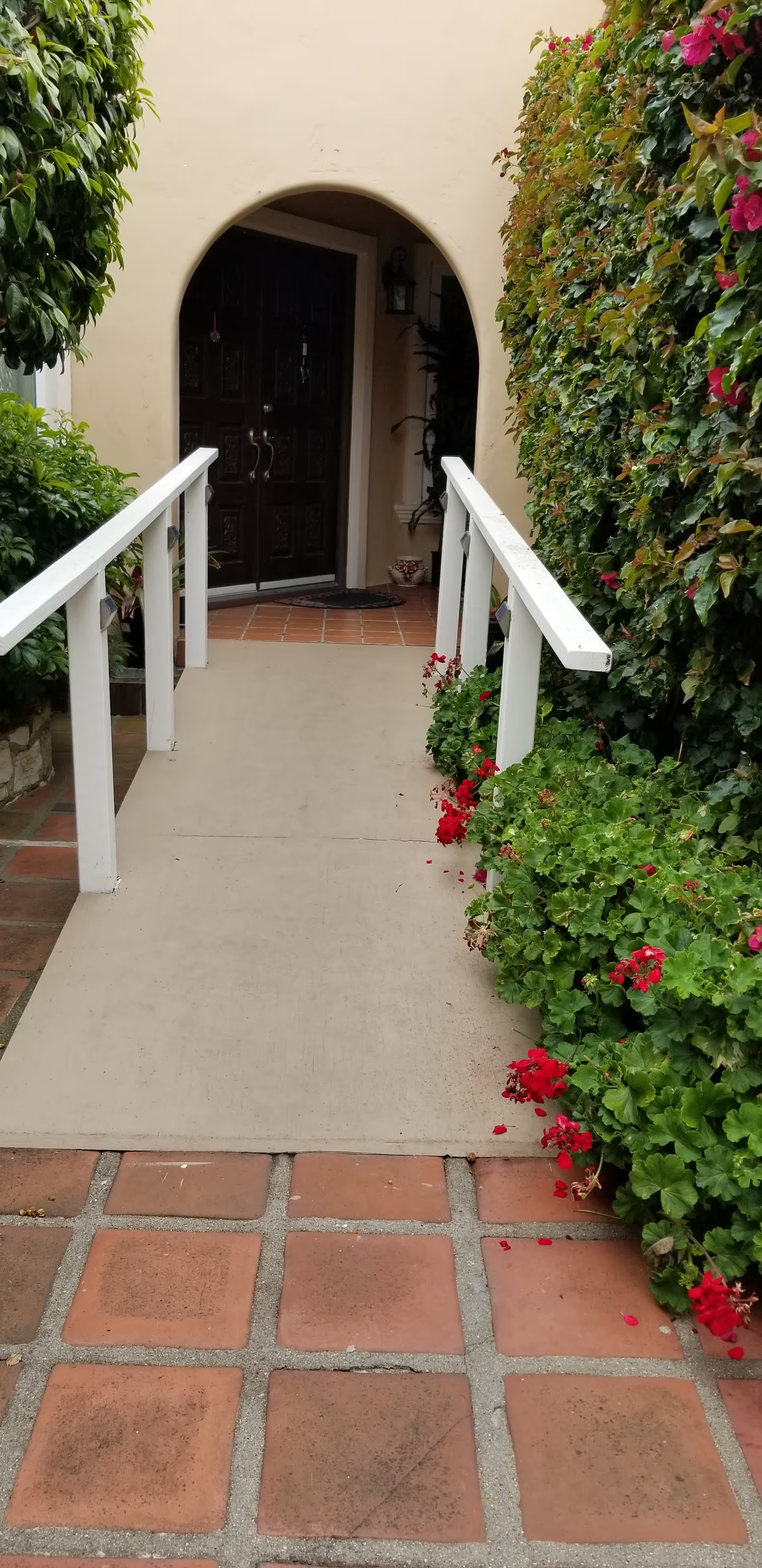
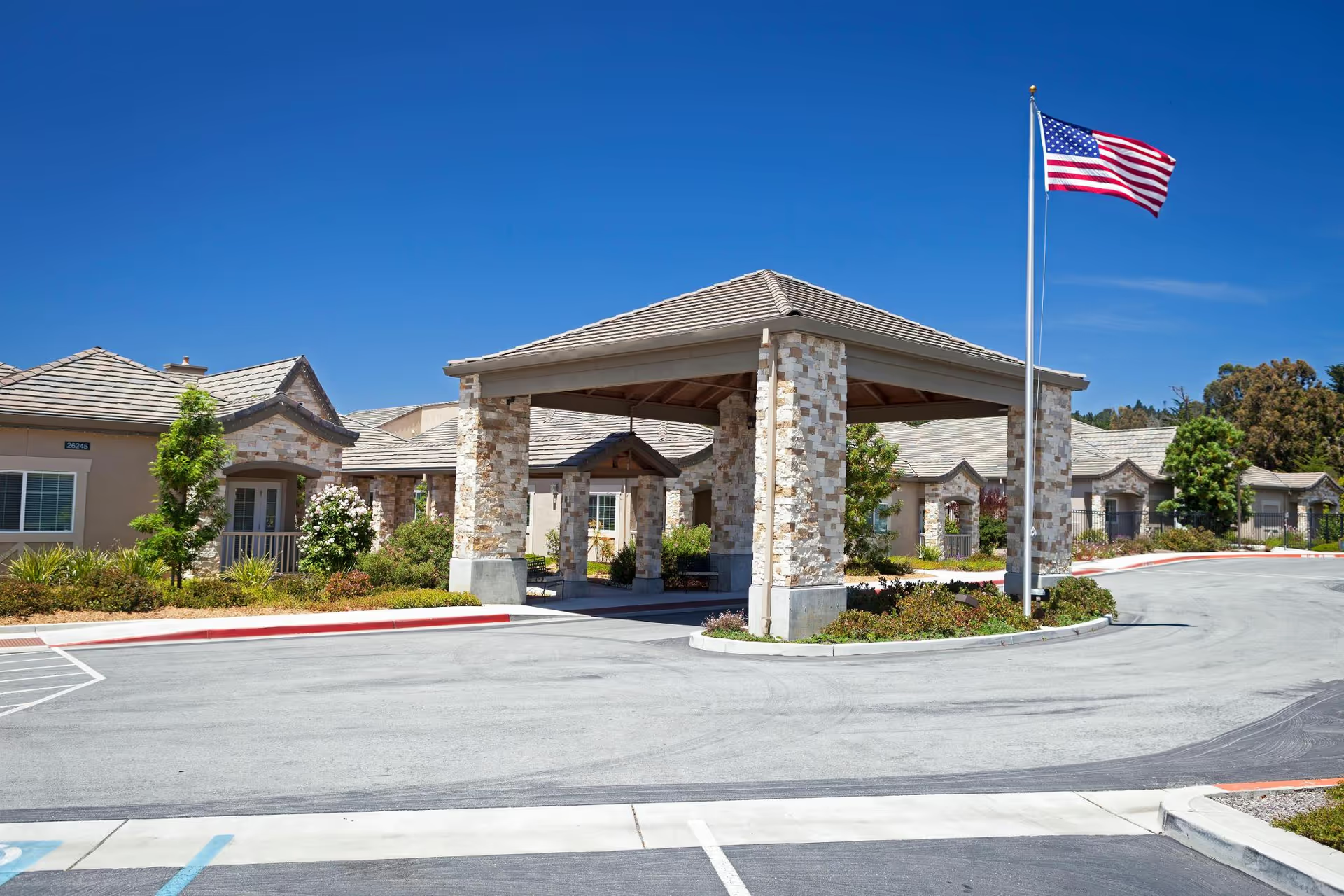
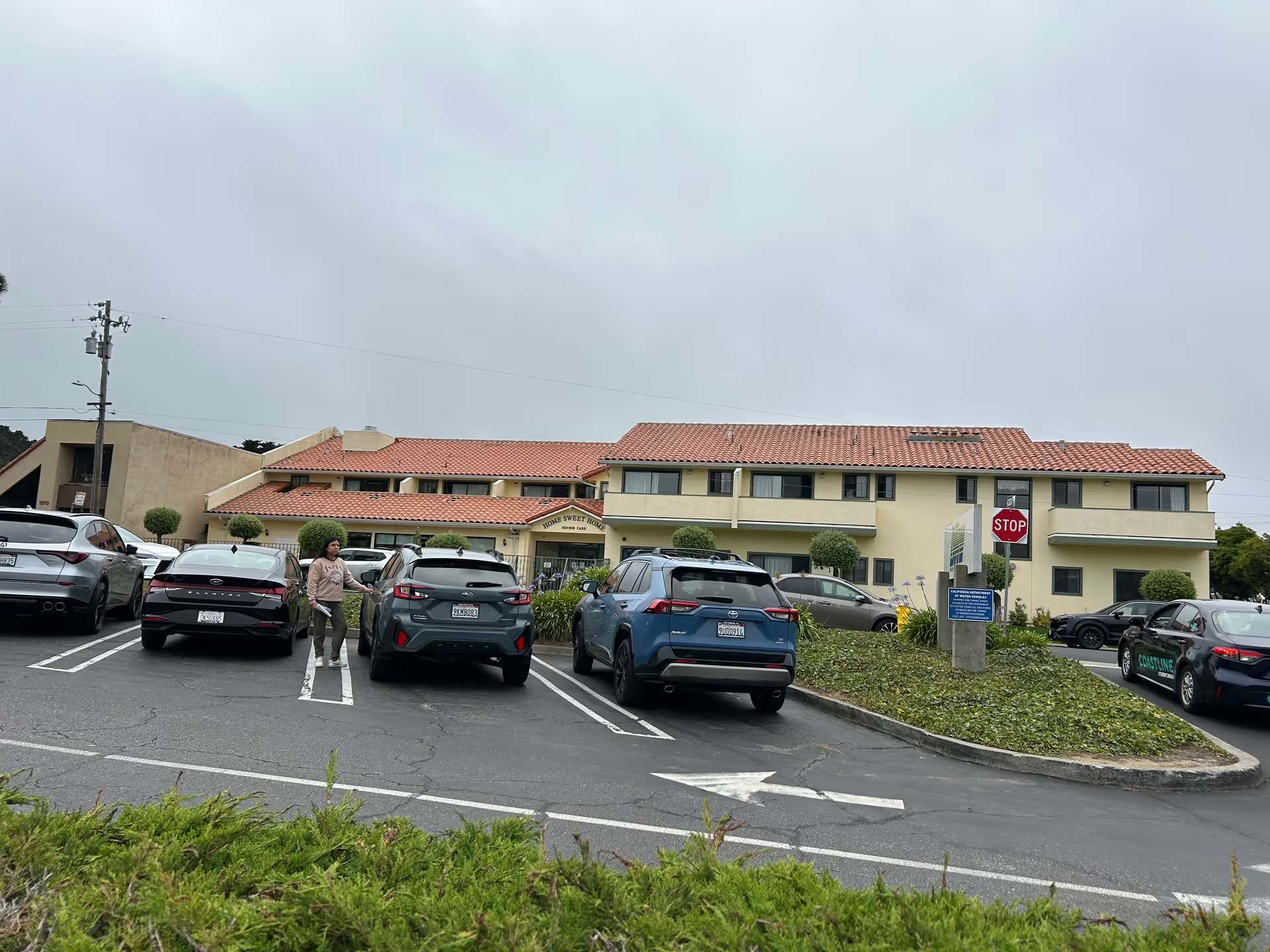
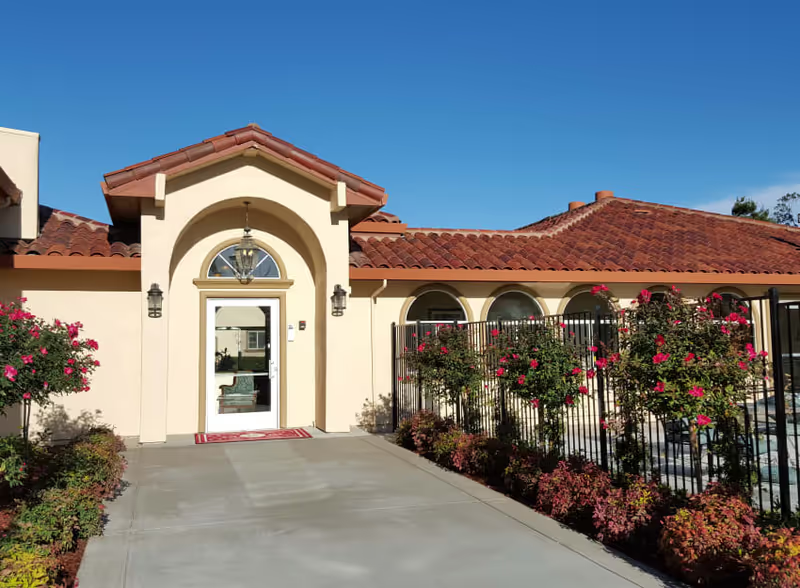
Facilities and environment: The building, décor, and grounds receive positive note — many families highlight a hotel-like interior and a well-kept garden. Cleanliness and maintenance are commonly praised; however, a number of comments point to occasional odor or sanitation concerns in specific common areas and inconsistencies in hygiene scheduling for some residents. These issues appear correlated with staffing patterns rather than the physical plant itself.
Management and operations: Management is commonly described as professional and communicative, with several families appreciating responsive administrative support and coordination with family members. Areas for operational improvement include clearer delineation of clinical roles (for example between CNAs and therapists), more consistent bathing/hygiene schedules, strengthened infection-prevention and wound-care protocols, and improved access to outside physicians where families prefer external continuity of care. Cost perceptions are mixed, with some families feeling that pricing does not always align with the level of one-on-one attention provided.
Notable patterns and guidance: If you prioritize strong restorative therapy, attentive bedside manner, and an attractive physical environment, this facility has many strengths. Prospective residents and families should, however, ask specific operational questions during tours about current staffing levels, bathing and toileting schedules, physician coverage and response times, infection-control procedures, and how the facility accommodates outside physician involvement. These targeted inquiries can help set expectations and identify whether the facility’s current operational posture matches a prospective resident’s clinical and personal needs.