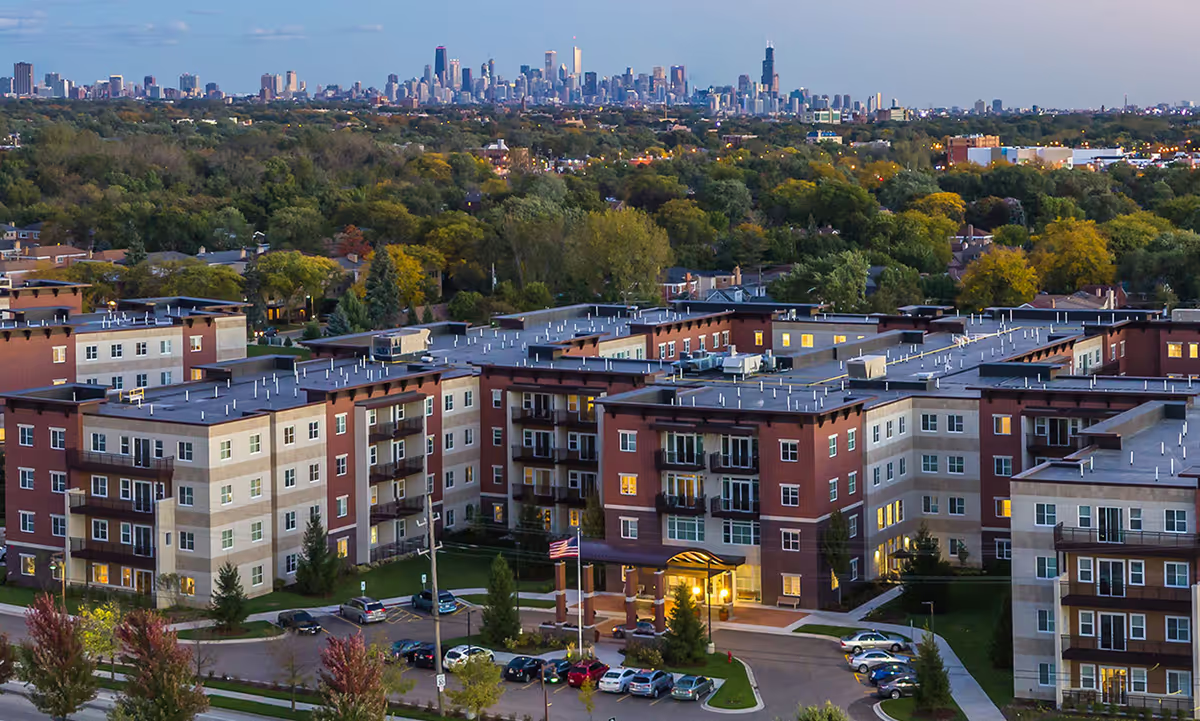
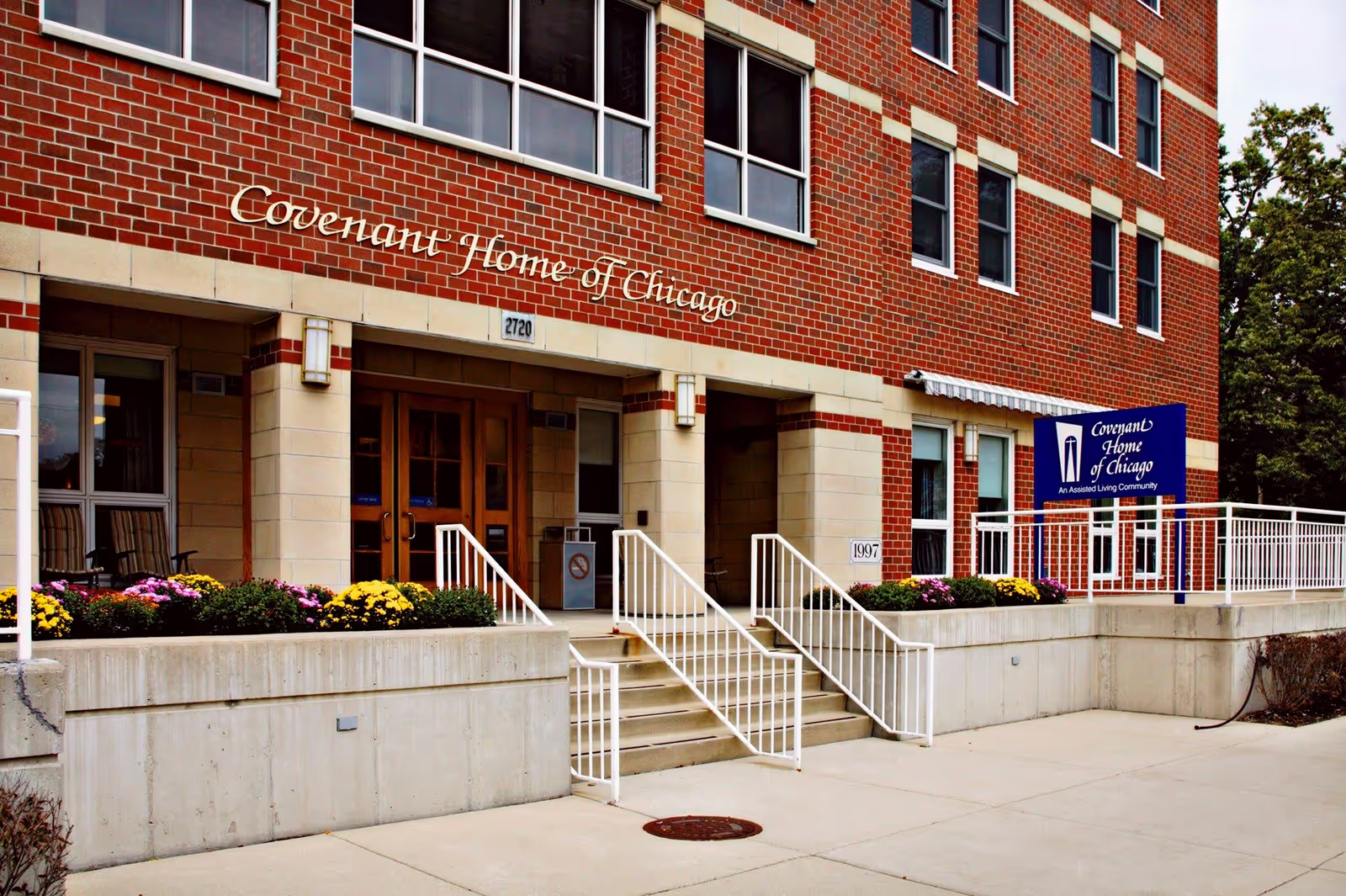
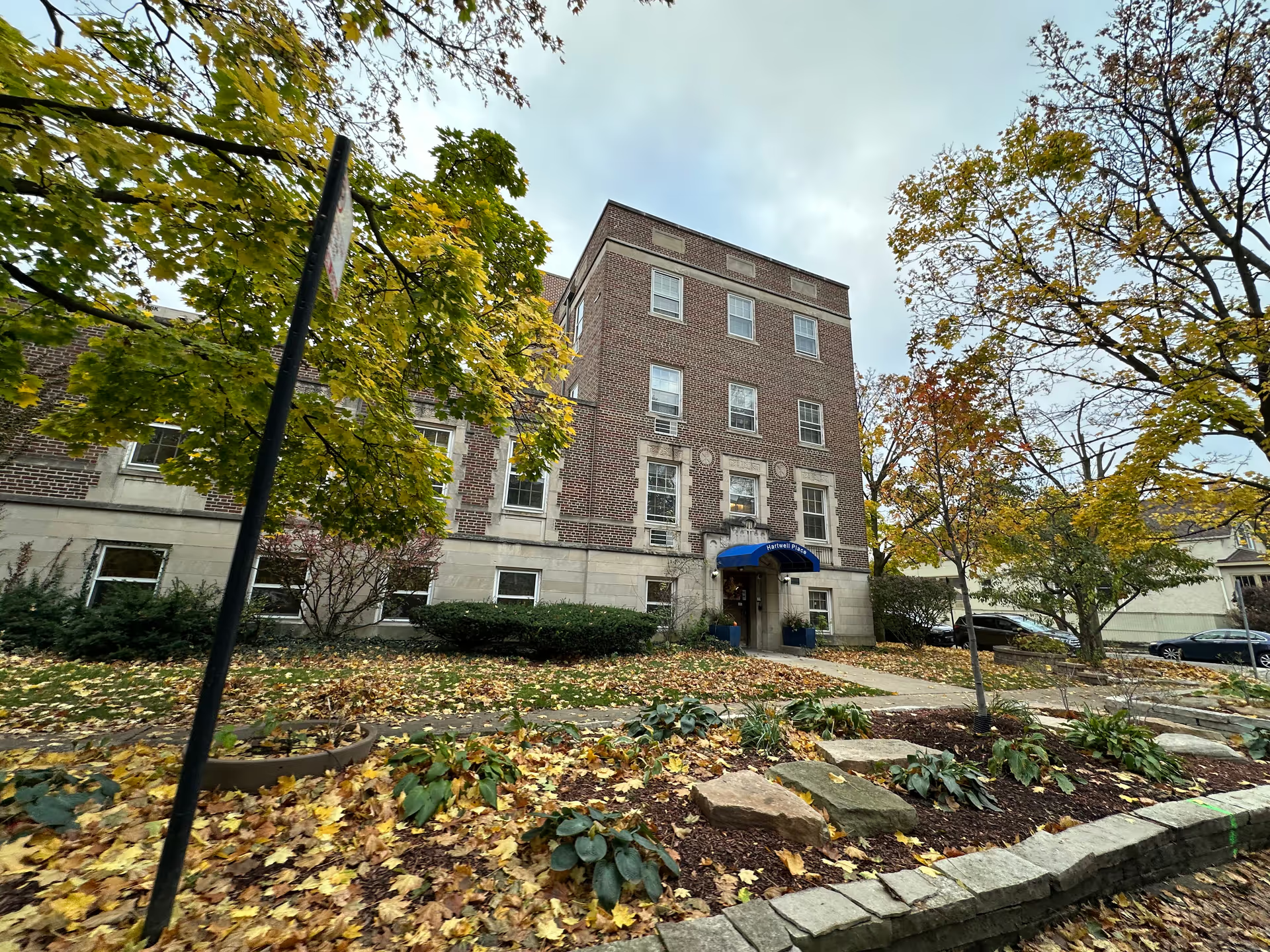
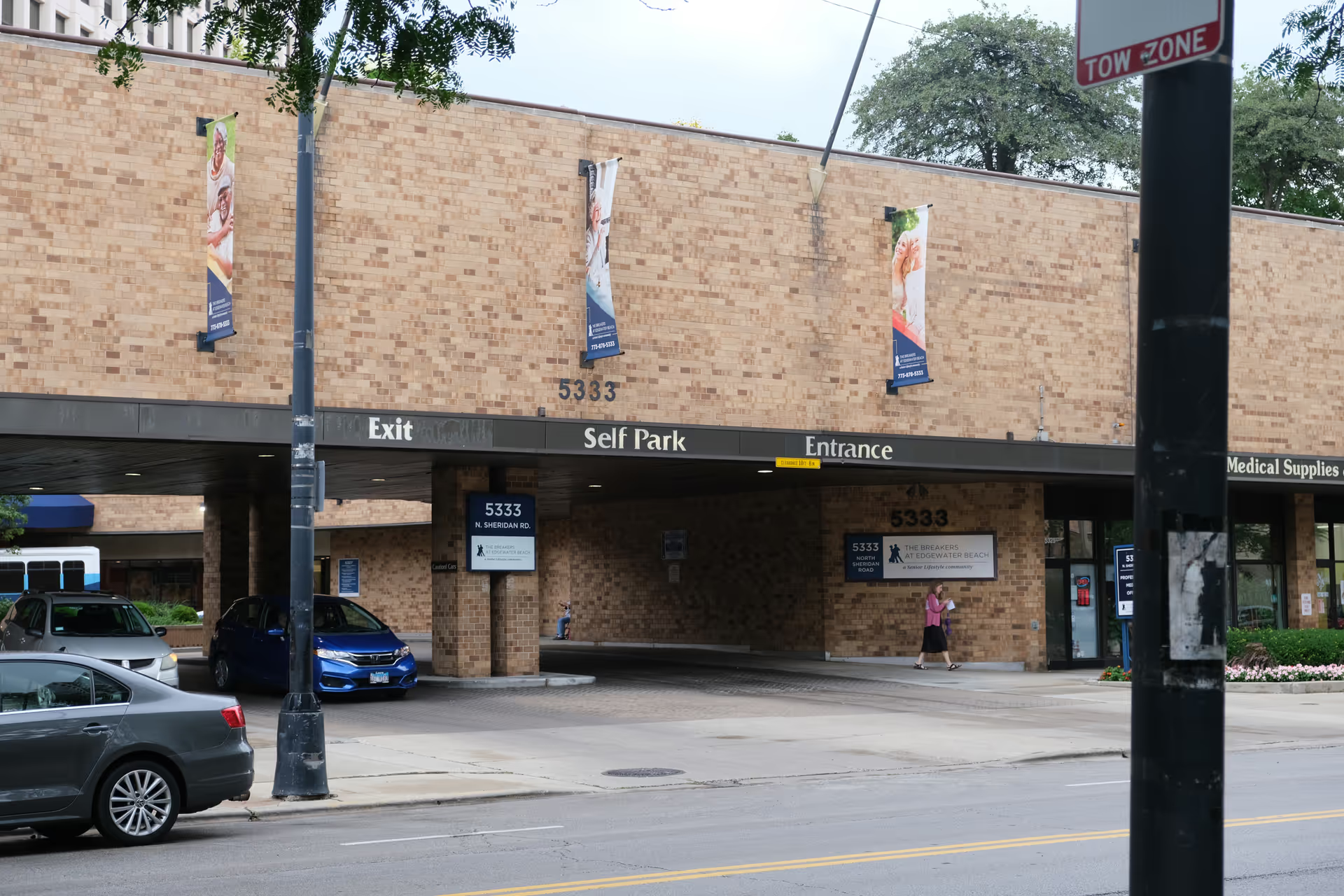
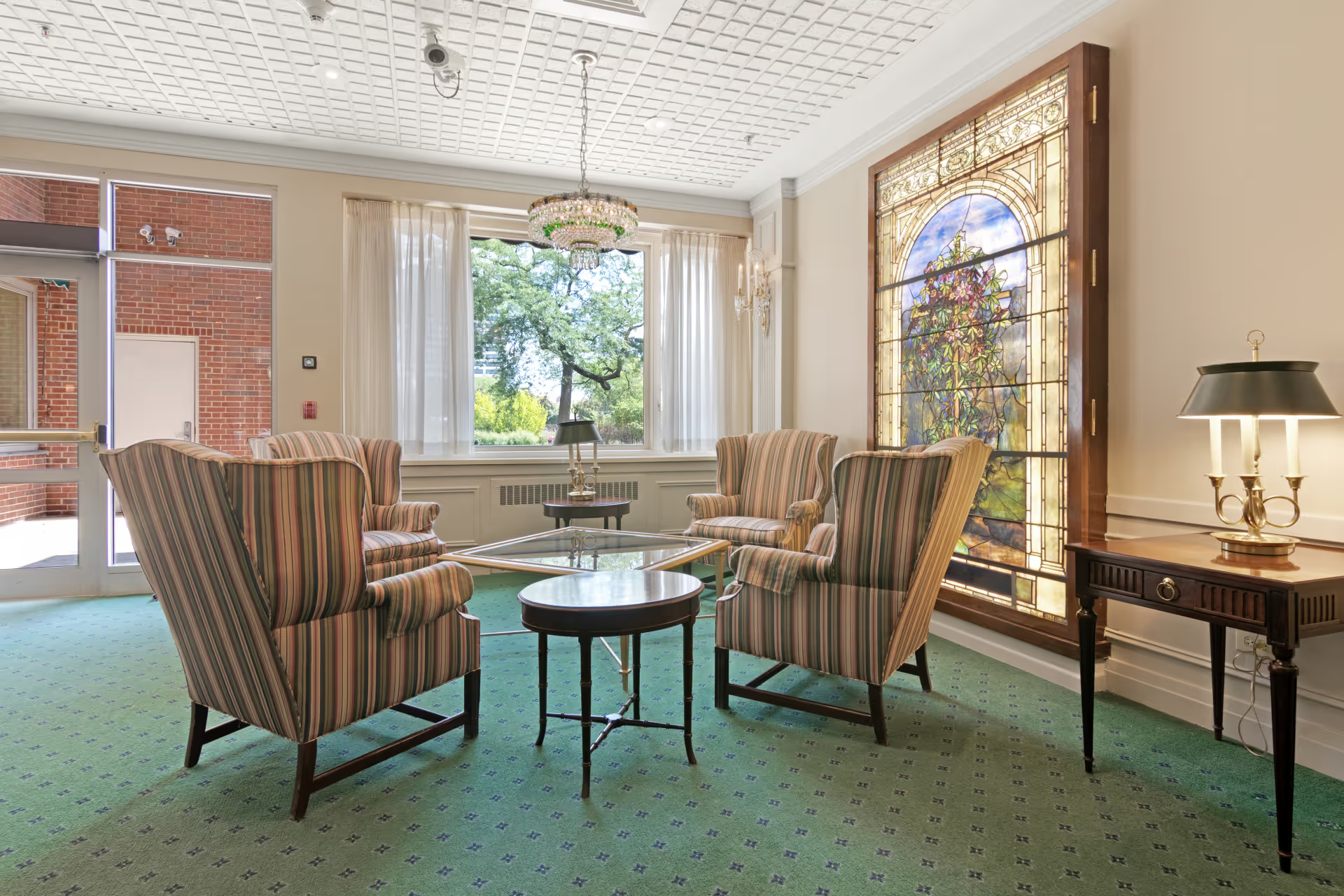
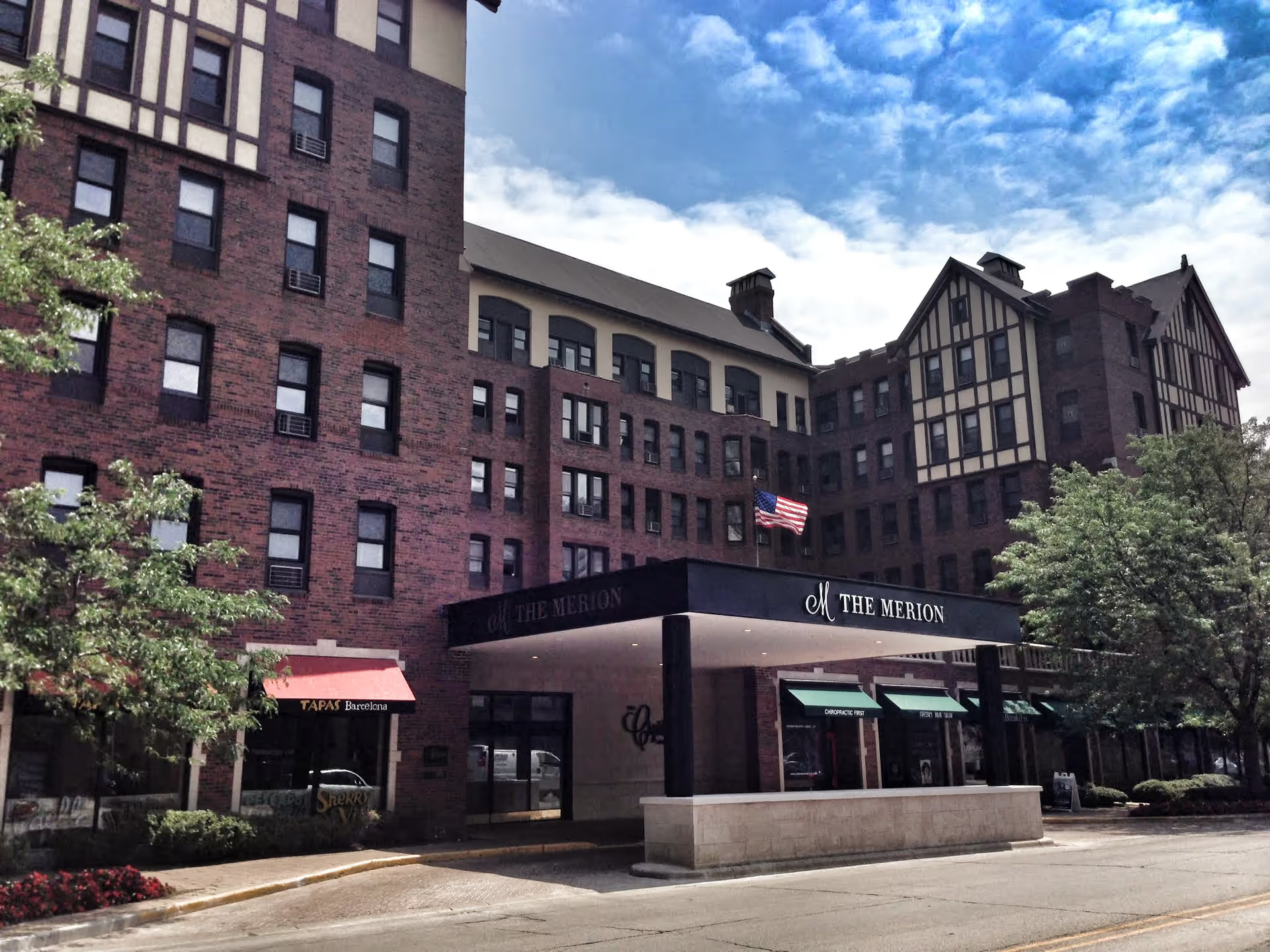
Reviews present a mixed picture: reviewers consistently identify attractive physical amenities and an engaged care team alongside recurring operational shortcomings. The facility's built environment—well-appointed resident rooms, a gym, reading/library space, balcony access, multiple lounges, controlled-access floors, and an overall clinical/hospital-like layout—is frequently described positively. Several comments also note approachable administration and instances of caring staff behavior.
Care quality and staff performance show variation. While reviewers praise individual staff members and teams for compassion and attentiveness at times, there are repeated descriptions of slow response times for basic assistance and delays in attending to resident needs. Incontinence-care delays and constrained shower schedules are highlighted as operational weaknesses. There are also concerns about inconsistent wound- and bathing-care protocols that suggest variability in clinical practice and oversight.
Dining and nutrition emerge as another area of inconsistent performance. Reviewers describe uneven meal quality and gaps in meal-service consistency, including missing components and unappetizing preparation on occasion. These comments point to weaknesses in kitchen oversight, portioning, or tray delivery rather than a uniformly poor food program.
Facility maintenance and sanitation practices are a notable pattern. Although rooms are described as kept up, reviewers report sanitation and waste-management issues in some common areas, accumulated or uncleared meal trays in corridors, and ad hoc equipment fixes that indicate maintenance-process gaps. These items collectively suggest uneven housekeeping and facilities management rather than a uniformly maintained environment.
Management and system-level observations are mixed. The director and some staff receive positive mention for accessibility and caring interactions, yet operational inconsistencies—staffing responsiveness, housekeeping, meal-service reliability, and specific clinical protocols—point to variability in day-to-day execution. There is also an expressed need for more robust psychiatric or higher-level specialty services for residents with complex behavioral or mental-health needs.
For prospective residents and families: an in-person visit is advisable, with targeted questions about staffing levels and shift coverage, protocols for bathing and wound care, incontinence-care processes and response times, meal-service schedules and substitutions, housekeeping and waste-management routines, and routine maintenance practices. Verifying availability of psychiatric or specialty support and asking for documentation of clinical protocols and recent inspection findings will help clarify whether the facility’s strengths align with the prospective resident’s needs.