Overall impression: Reviews of Bryn Mawr Care are mixed and appear polarized. Many accounts describe strong clinical and programmatic strengths — particularly in nursing, social work, and activities — while other accounts raise operational and safety concerns that prospective residents and families should evaluate closely.
Care quality: Several reviewers singled out compassionate, skilled nursing and clinicians who provided attentive, and in some cases life-saving, care. At the same time, there are recurring accounts of inconsistent care practices: delayed medication administration, instances of interrupted or delayed assistance with meals, and variability in bedside attention. These descriptions point to uneven reliability in day-to-day clinical and personal care rather than uniformly poor or uniformly excellent performance.
Staff and conduct: The facility receives praise for empathetic caregivers, helpful social workers, and engaged administrative leaders. However, a pattern of concerns about staff professionalism appears in other accounts — including reports of unprofessional behavior, questions about staff impairment on shift, and communication tone that some families found distressing. These competing impressions suggest variability in staff performance and supervision across shifts.
Dining and activities: Meal service is consistently highlighted as a positive feature: food is described as tasty, with substitutions available when needed, and kitchen staff are noted as dedicated. Programming is a clear strength — robust group activities, individualized therapy, regular outings, and employment-support services were all described positively. Amenities such as free internet, coffee, and help obtaining phones or clothing were also mentioned as practical supports.
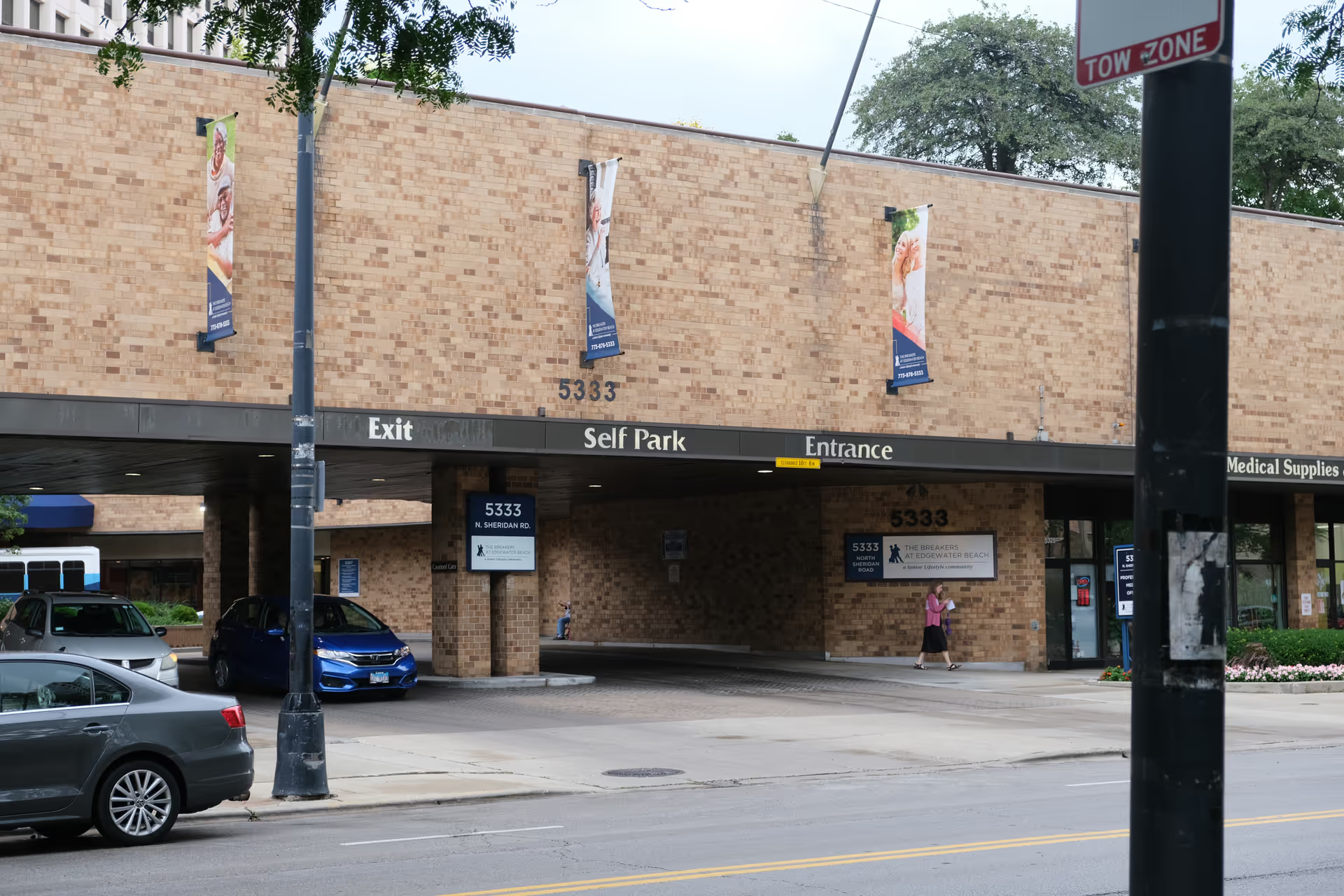
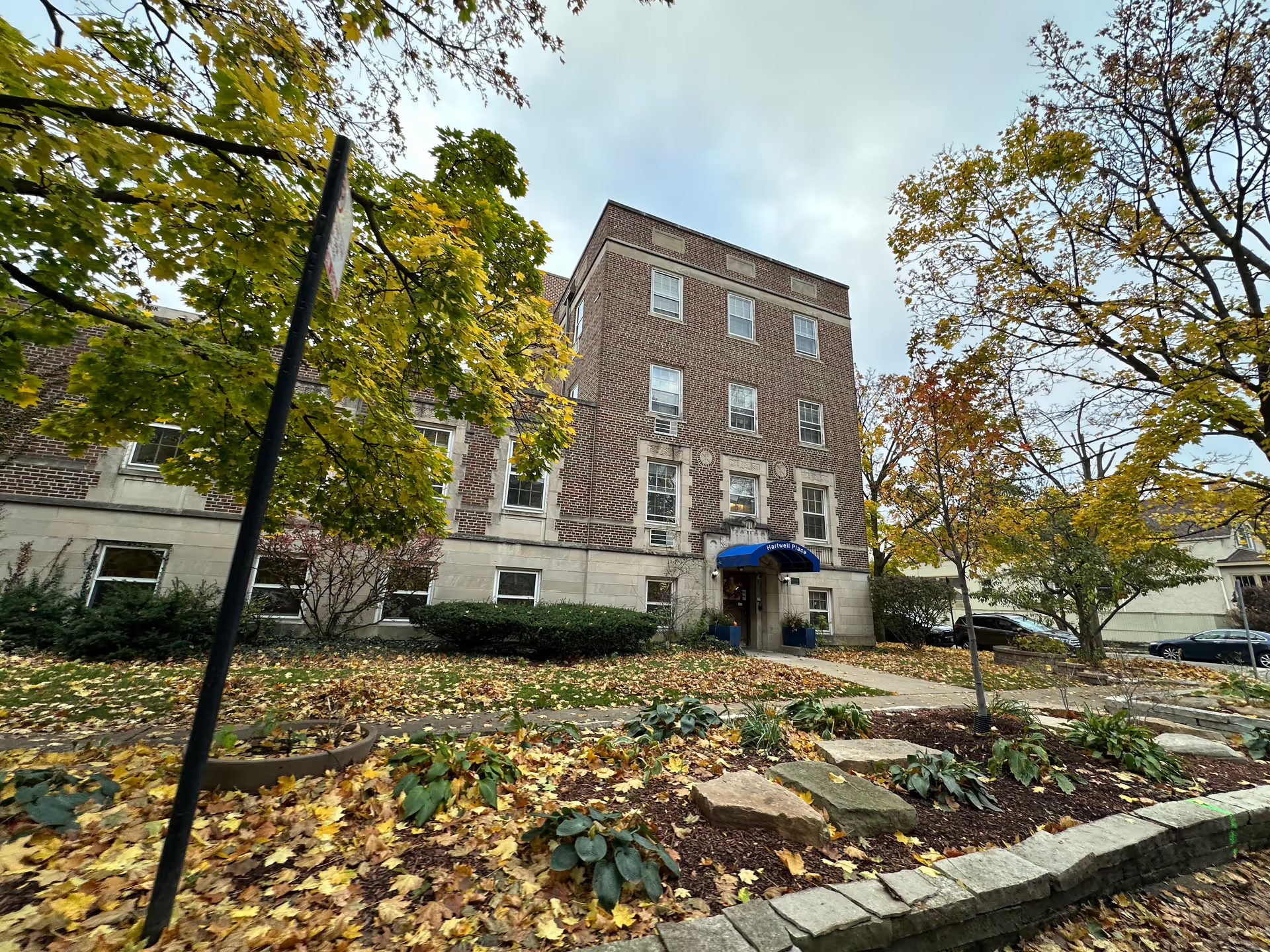
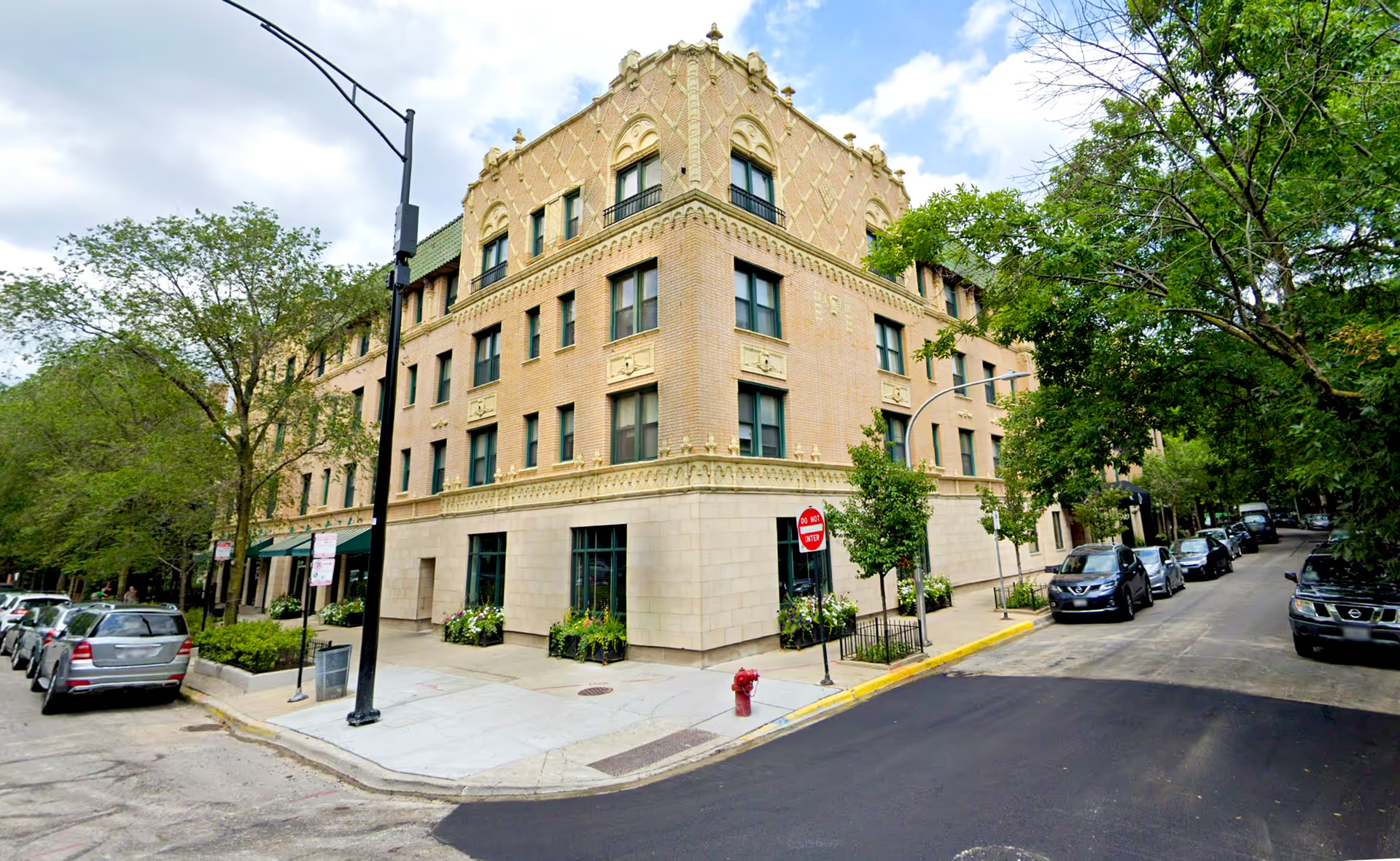
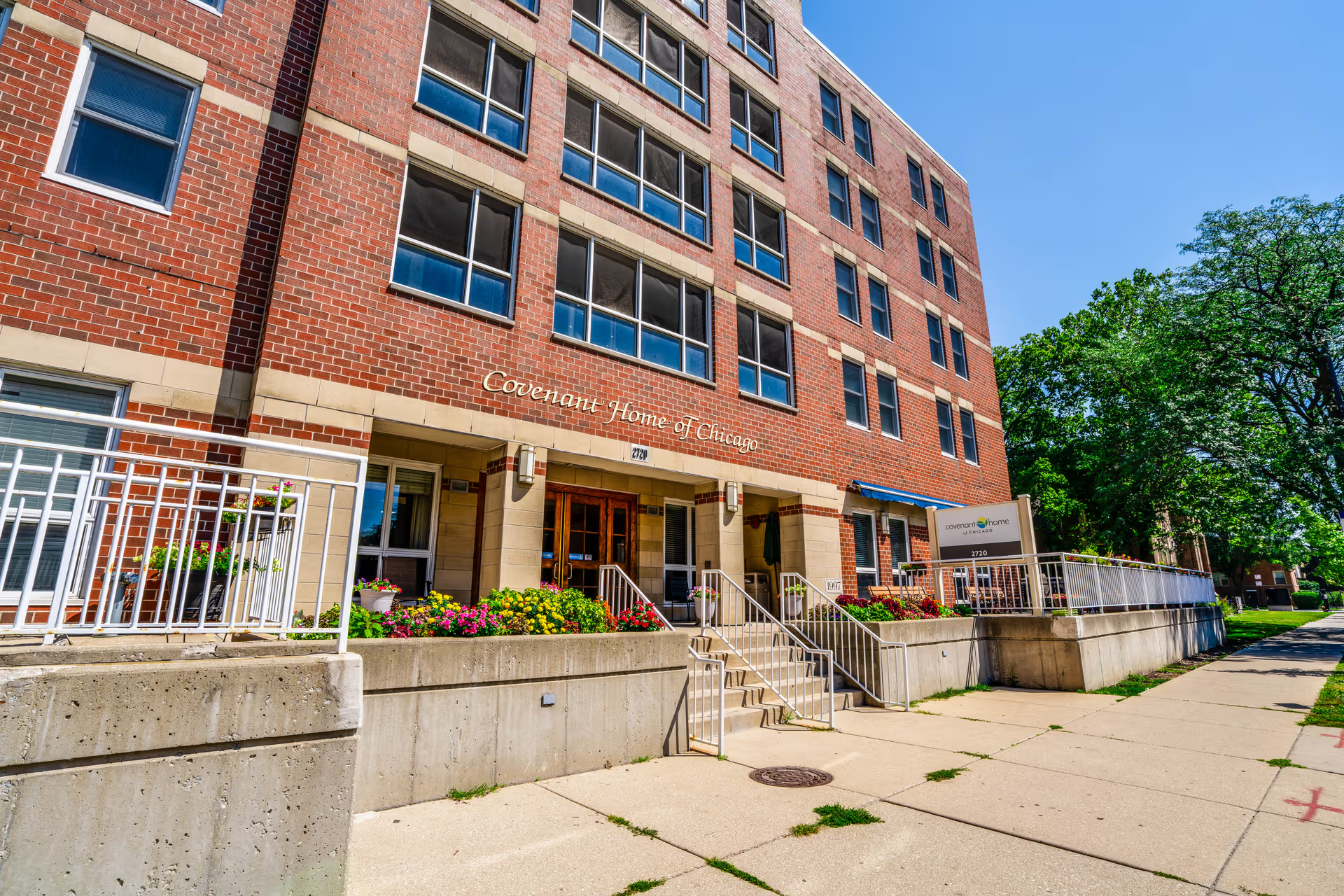
Facilities, maintenance, and safety: The physical environment elicited mixed feedback. Some reviewers described clean, comfortable rooms and a convenient location near transit. Others raised sanitation and pest-control concerns and pointed to maintenance deficits (broken exterior lighting, frequent noisy door closings, and thin walls or late-night noise from nearby activities). Safety and security issues were also raised, including accounts of incidents that required police response and perceptions of limited on-site incident-response capability (for example, lack of visible security equipment). These items indicate areas where operational improvements may be needed.
Management and communication: Leadership is described positively by several reviewers — an open-door director, engaged administration, and helpful caseworkers. Conversely, there are complaints about inconsistent hiring/onboarding follow-up and gaps in communication during admissions or after an application. That mixed pattern suggests management strengths in some domains (clinical leadership, food services) and process weaknesses in others (recruitment follow-through, incident communication).
Notable patterns and recommendations: The overall pattern is one of strong clinical and programmatic assets coupled with operational inconsistencies affecting safety, sanitation, staffing reliability, and communication. Prospective residents and families should perform targeted due diligence: ask for current pest-control and sanitation logs, review medication-administration protocols and staffing ratios, inquire about security and incident-response procedures, clarify noise-management policies, and request recent inspection reports and references from current families. A site visit during different times of day and conversations with clinical leaders and social work staff can help assess whether the facility’s strengths align with an individual’s needs.