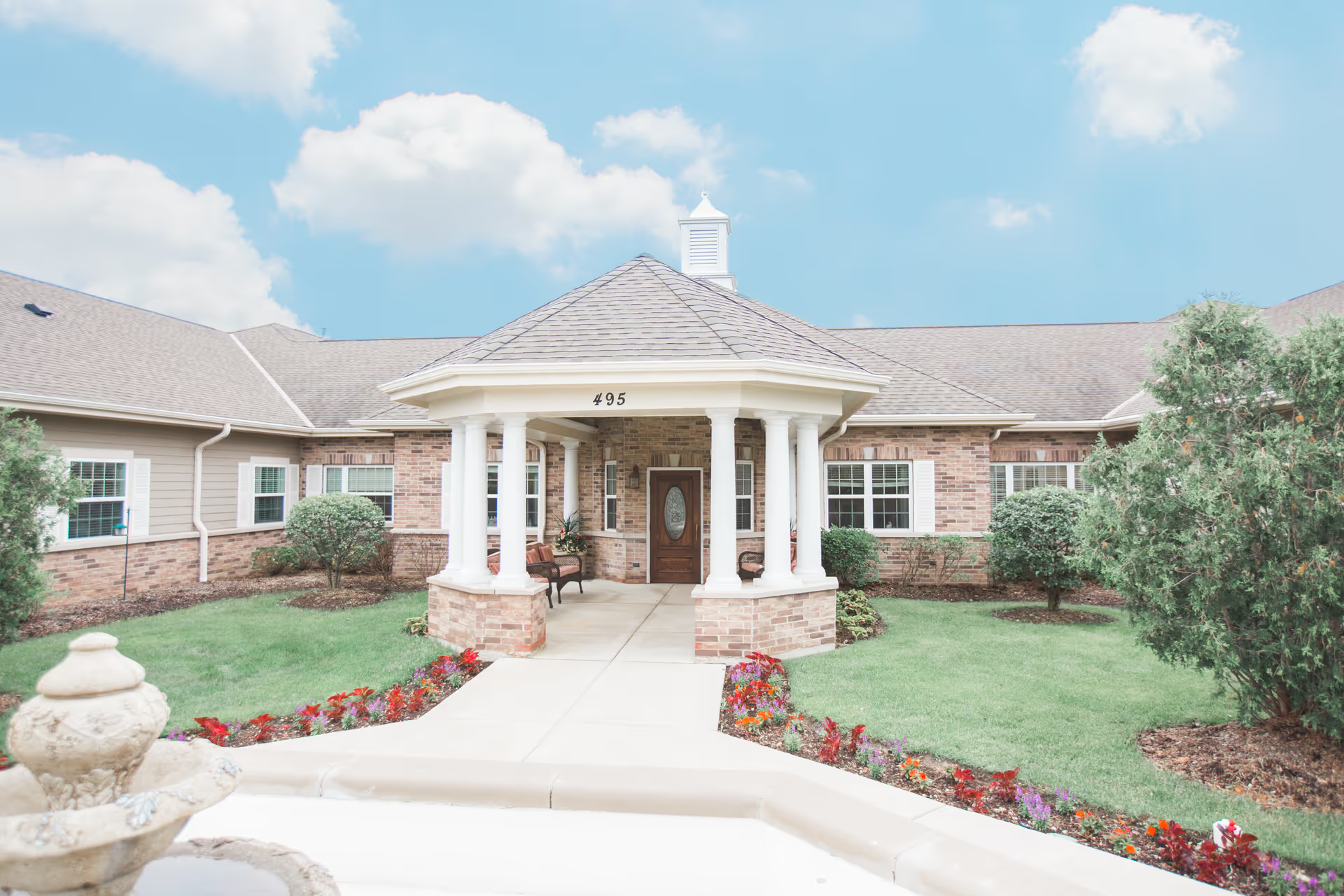
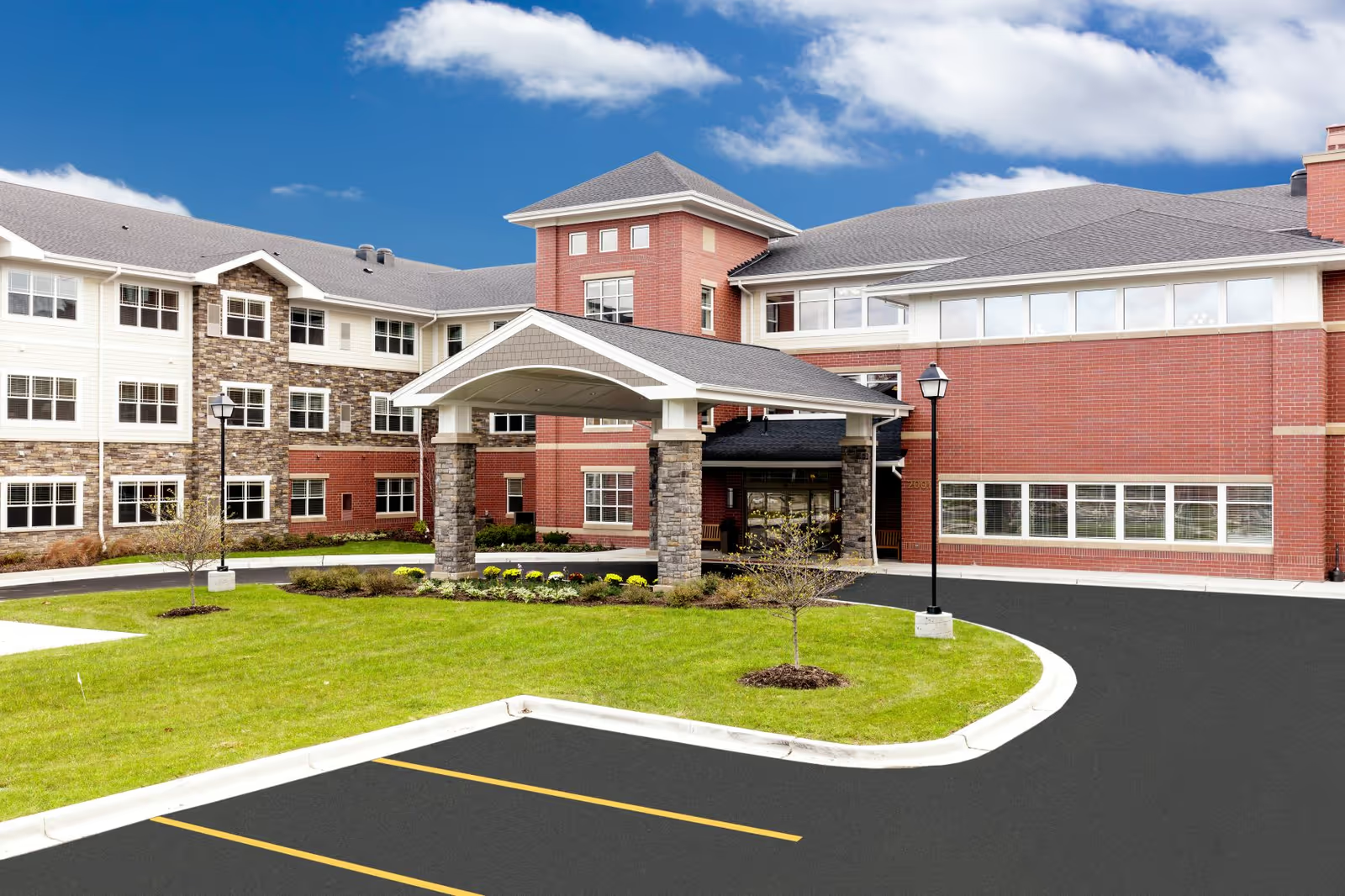
The Pearl of Crystal Lake elicits a mixed set of impressions. Many families and residents praise the clinical staff—nurses, CNAs and therapists are frequently described as compassionate, attentive and skilled. The facility’s rehabilitation program, therapy staff, and social-work support receive repeated positive mentions, and reviewers highlight personalized touches such as virtual family visits, artwork, and a resident-focused atmosphere. The campus itself is often described as renovated, clean, and attractive, with appealing amenities and a lakeside location that supports recreation and engagement.
Conversely, a recurrent theme is operational inconsistency. Reviewers describe variable staffing levels and coverage gaps that appear to affect responsiveness to call bells, timely assistance, and routine care tasks. Related clinical concerns include uneven medication-administration and pain-management practices, delays in attending to incontinence or repositioning needs that raise pressure-injury risk, and isolated but serious care-followup issues that families found distressing. Therapy is a noted strength for many residents, yet several accounts point to scheduling or coordination problems—therapy time reductions or outside-provider handoffs that undermined continuity.
Dining and daily-living services show divergence of experience. Some reviews commend personalized meals and improvements over hospital food, while others describe inconsistent meal quality, poor allergy accommodation, and occasional nutrition-delivery lapses. Facility cleanliness and upkeep are frequently praised, but there are also isolated sanitation and odor concerns and pest-control or supply shortfalls reported in specific areas. Maintenance issues such as exposed or broken fittings and occasional equipment problems were raised and merit attention to safety-hazard management.
Communication, administration and security are additional areas of variability. Families cite instances of limited or delayed communication about care changes, weekend coverage gaps, and weak discharge or transfer coordination. Visitor-access policies and front-desk interactions are described as welcoming by many but inconsistent by others; administrative tone and responsiveness appear to vary by shift or individual. Finally, there are several reports indicating property-security concerns, including missing personal items, and a few language or cultural-communication barriers that affected family interactions.
Overall, the facility displays clear strengths in hands-on caregiving, rehabilitation services, and an attractive physical environment, but the pattern of reviews points to operational weaknesses that affect reliability—staffing consistency, response times, medication and nutritional processes, and family communication. Prospective residents and families should weigh the strong clinical and therapy capabilities against these operational variability risks, and consider focused questions about staffing patterns, care-response metrics, medication protocols, property-security measures, and weekend/after-hours communication before placement. For any serious individual allegations (for example, missing personal items or concerns following a resident’s death), families may wish to seek documentation from the facility and, if appropriate, check regulatory records or speak with the facility’s administrative leadership or ombudsman.