Overall impression: Reviews present a mixed picture. Many commenters praise the clinical therapy team, individual nurses, and an admissions staff that families found welcoming and helpful; at the same time there are persistent operational concerns that affect safety, cleanliness, and consistency of care.
Care quality and clinical oversight: Therapy services receive frequent positive mentions for achieving functional improvement, and several families attribute recovery progress to the facility’s PT/OT teams. However, reviewers also describe uneven clinical oversight: medication-management issues, questions about monitoring practices (including alarm-system practices), and inconsistent rehabilitation outcomes suggest variability in clinical processes. Staffing instability — including reliance on agency staff — appears to contribute to these inconsistencies and to episodes of delayed or insufficient resident attention.
Staff and professionalism: Many staff members are described as compassionate and attentive, and individual nursing leaders and therapists are singled out for positive interactions. Conversely, there are recurring concerns about staffing levels, heavy workloads, and occasional unprofessional conduct or poor communication. These workforce issues appear linked to responsiveness problems (residents being ignored or not attended to promptly) and to variability in care delivery across shifts.
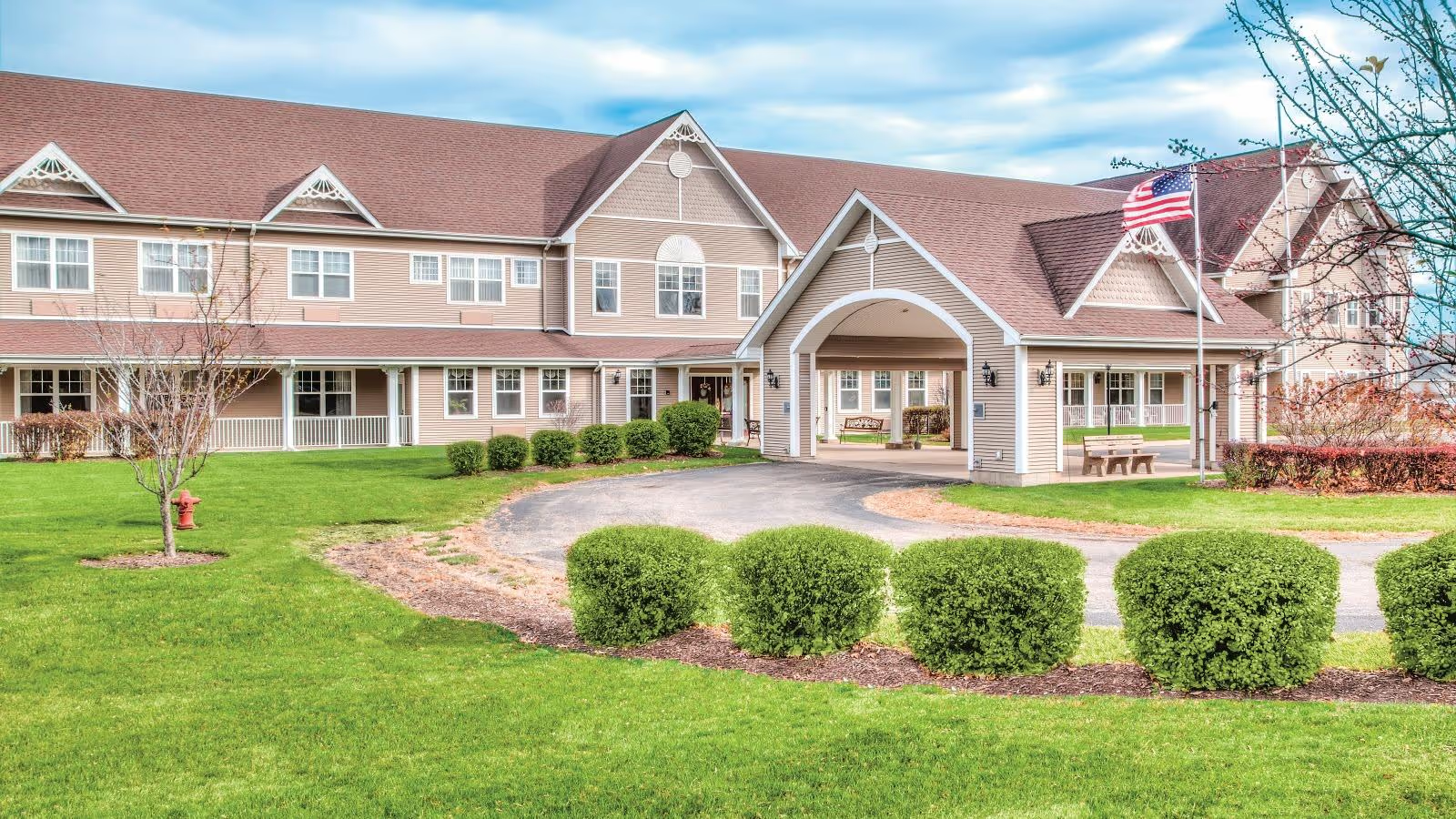
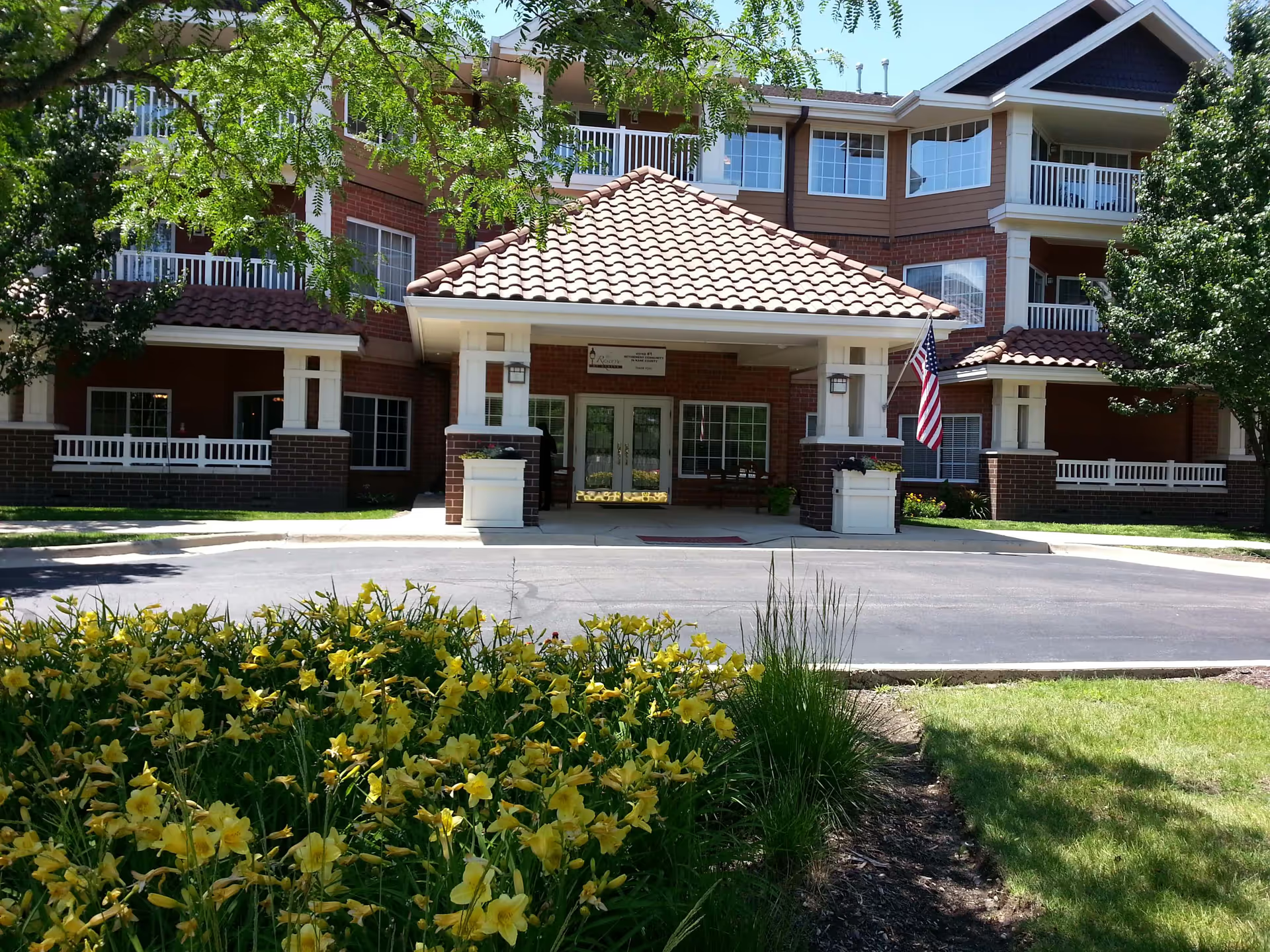
Dining and activities: Activity programming and outdoor spaces are commonly cited as strengths; families noted engaging activities and pleasant grounds. Meal service drew mixed feedback — some reviewers described enjoyable meals and reliable service, while others described inconsistent food quality and service continuity, indicating variability between units or meal periods.
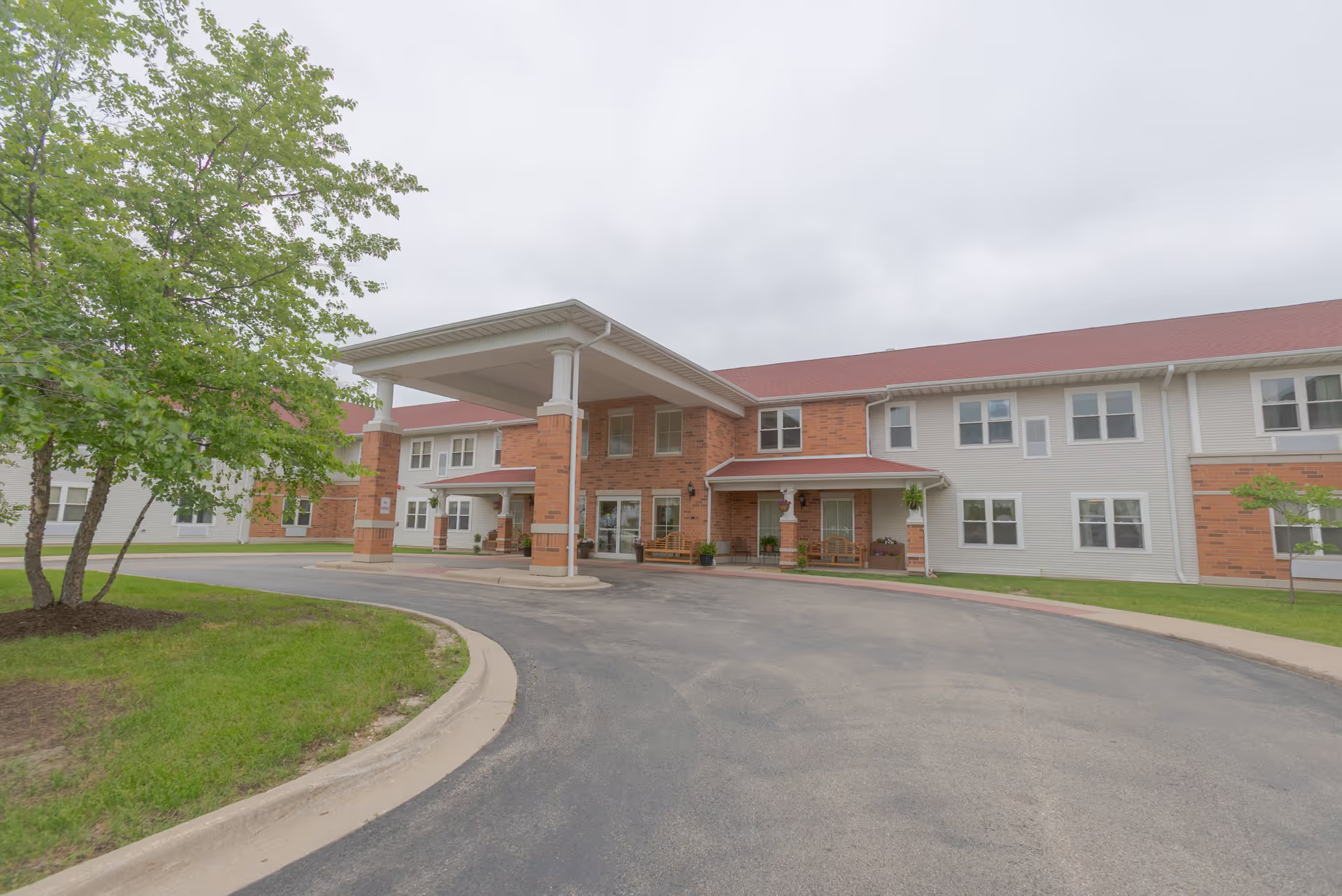
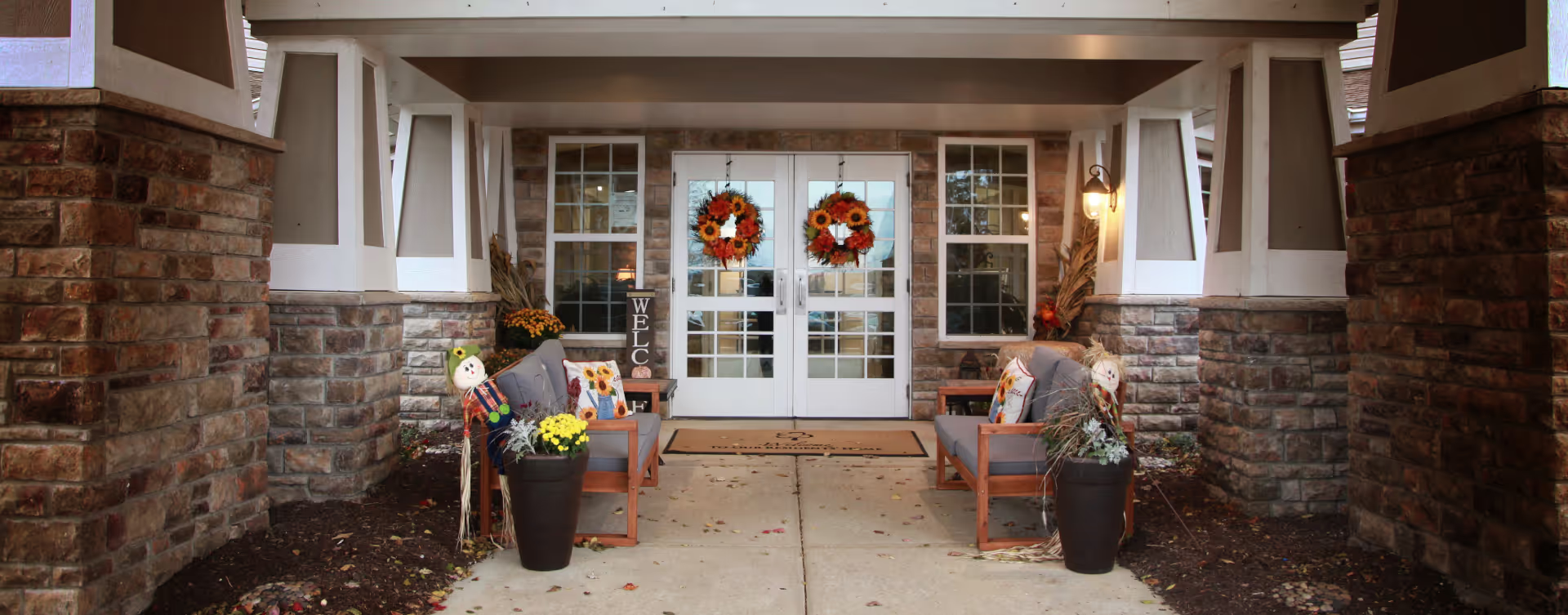
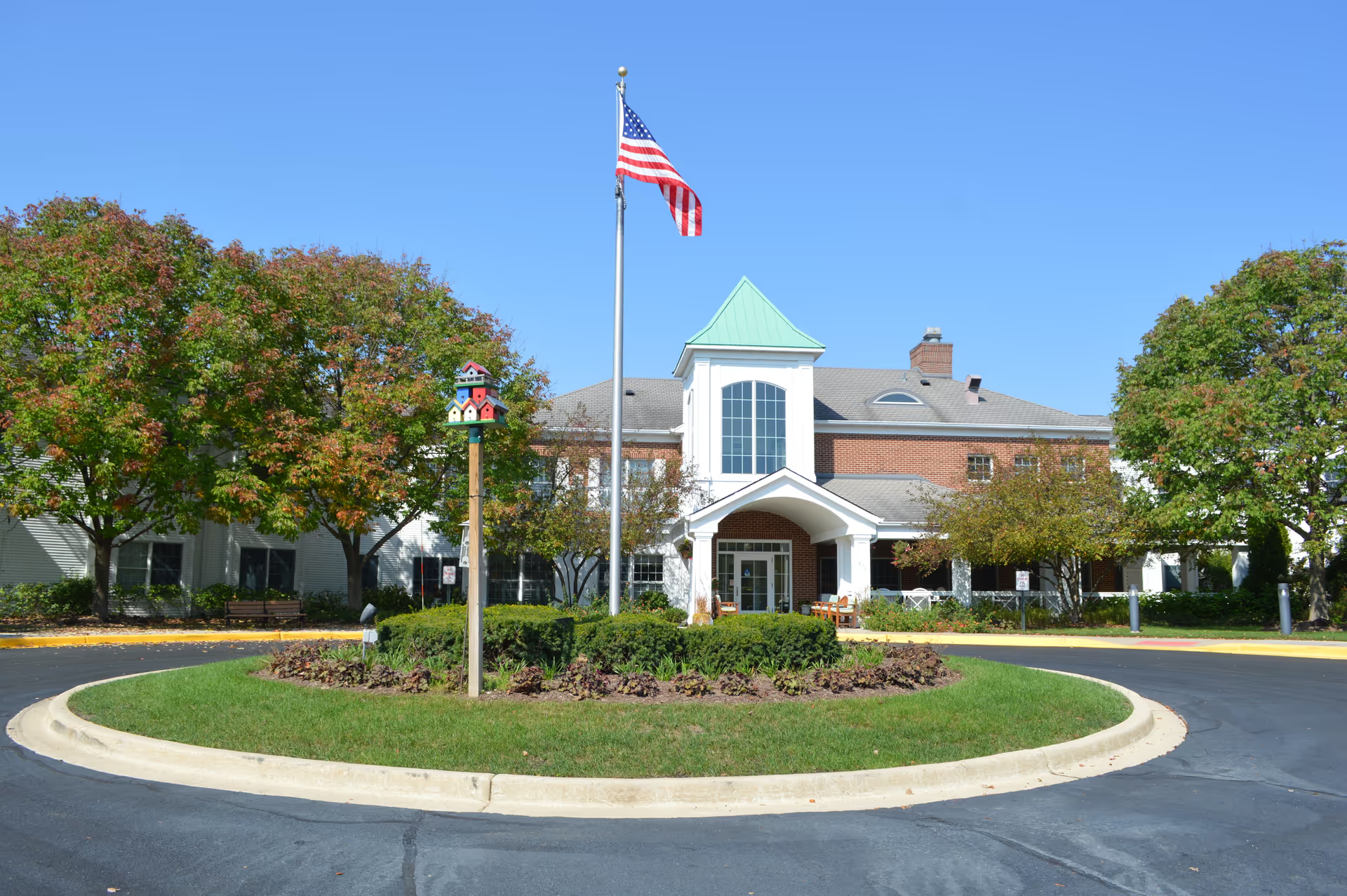
Facilities, cleanliness, and infection control: The facility is undergoing renovation and common areas such as the lobby have been updated, which some families appreciated. At the same time, multiple comments describe sanitation concerns, odor issues in some areas, and pest-control shortcomings in portions of the building. There are also statements raising concerns about infection-control practices and guideline compliance. Taken together, these items point to uneven environmental maintenance and infection-prevention practices across the campus.
Management, admissions, and transitions: Admissions staff — notably the named admissions director — receive strong positive feedback for customer service and ease of placement. Conversely, reviewers raise operational concerns about discharge coordination, handling of personal belongings, and emergency-transport responses; there are even allegations of mishandled discharge and delayed ambulance response. Communication and consistency from management appear to be improving under new ownership and renovation efforts, according to some families, but gaps remain in policies and oversight.
Notable patterns and recommendation guidance: The reviews show a polarized experience: clear strengths in therapy, several dedicated clinical staff, and improvements tied to renovation and leadership changes, alongside persistent operational weaknesses around staffing consistency, environmental sanitation, medication/monitoring practices, and transition coordination. Prospective residents and families should weigh the facility’s rehabilitation strengths and recent upgrades against these operational concerns. When considering placement, ask for current staffing ratios, infection-control protocols, details on medication and alarm/monitoring policies, room condition photos of the specific unit, and documented procedures for discharge and personal-item handling.