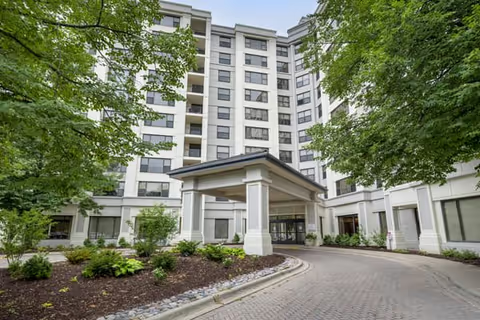
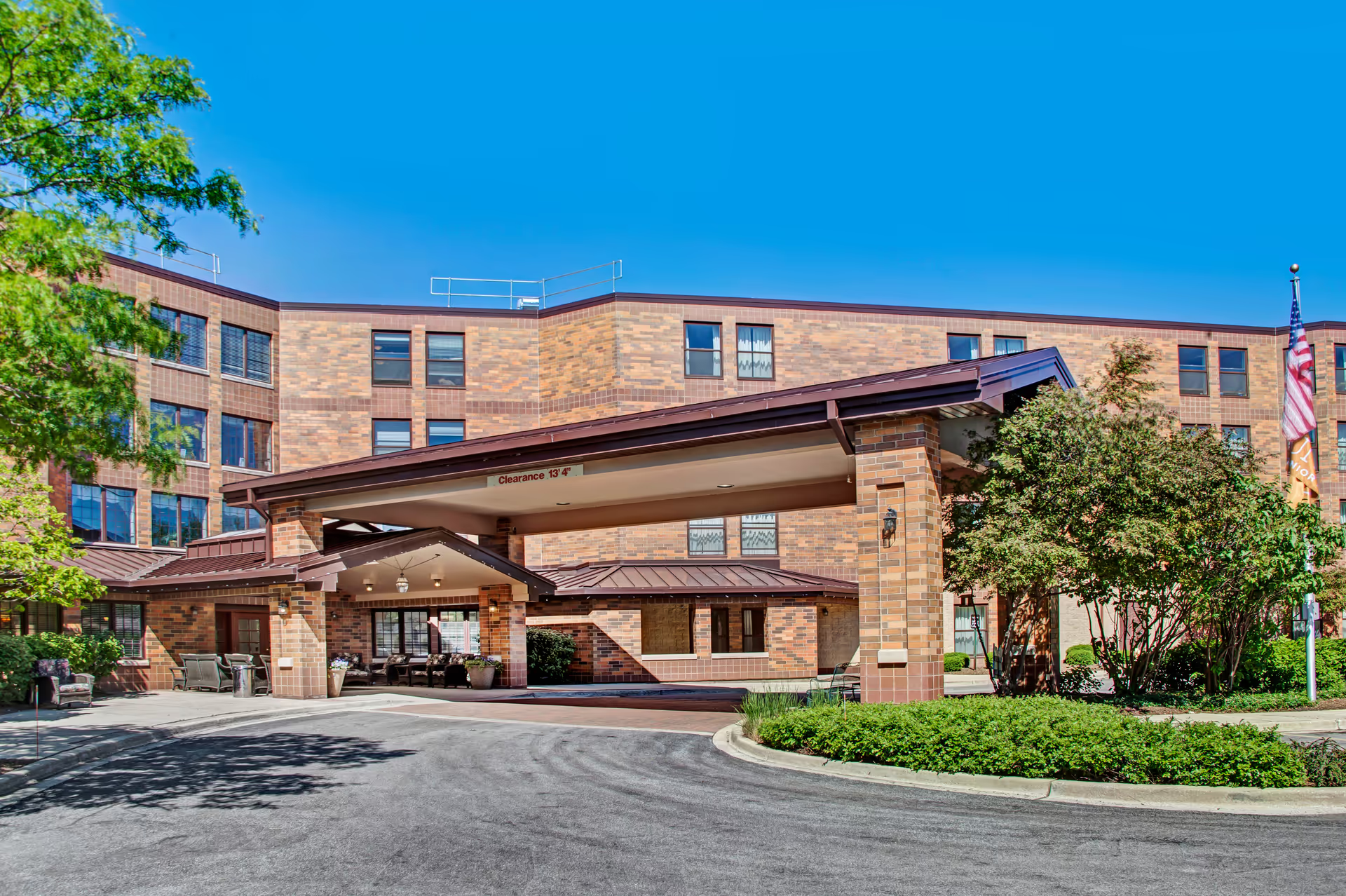
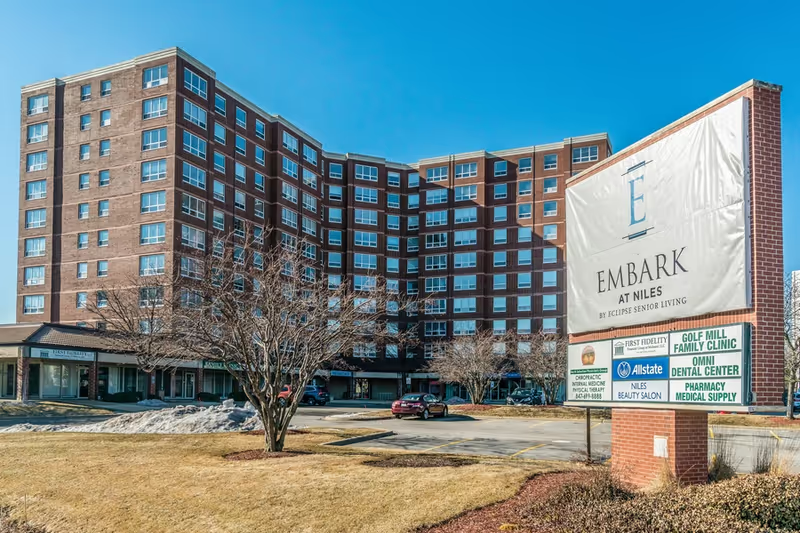
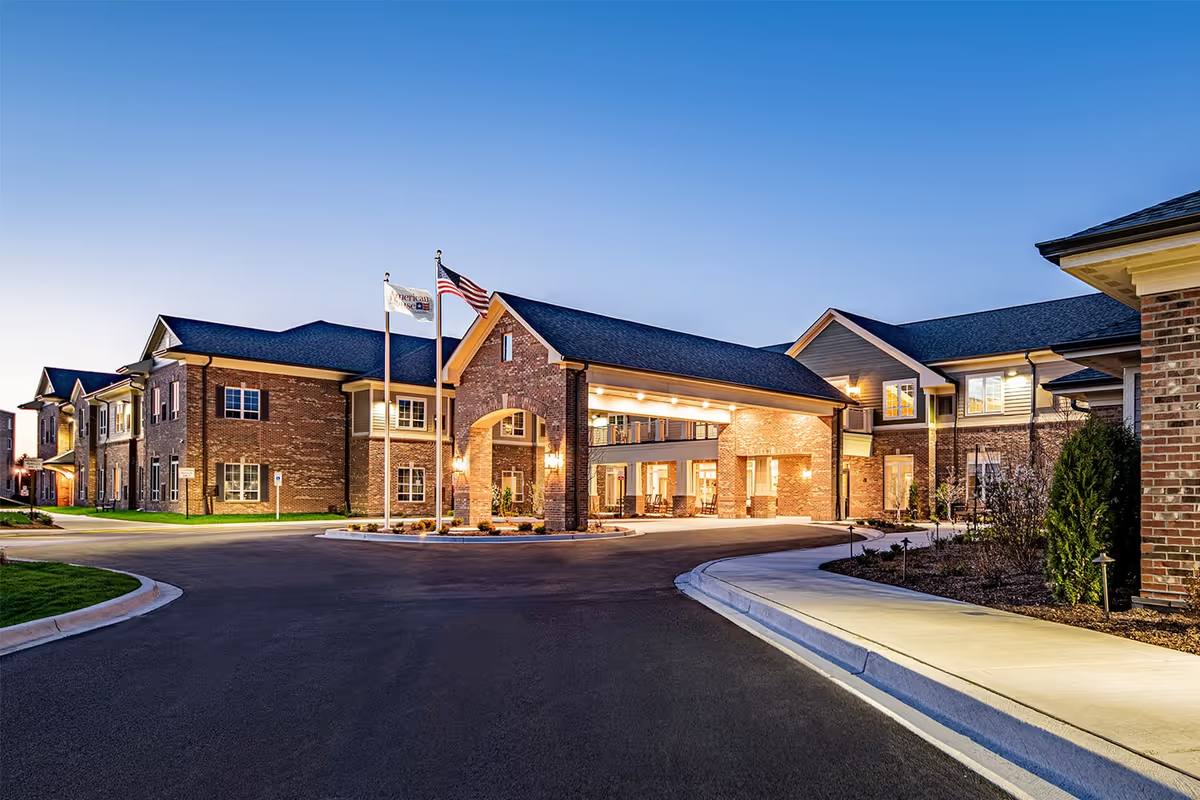
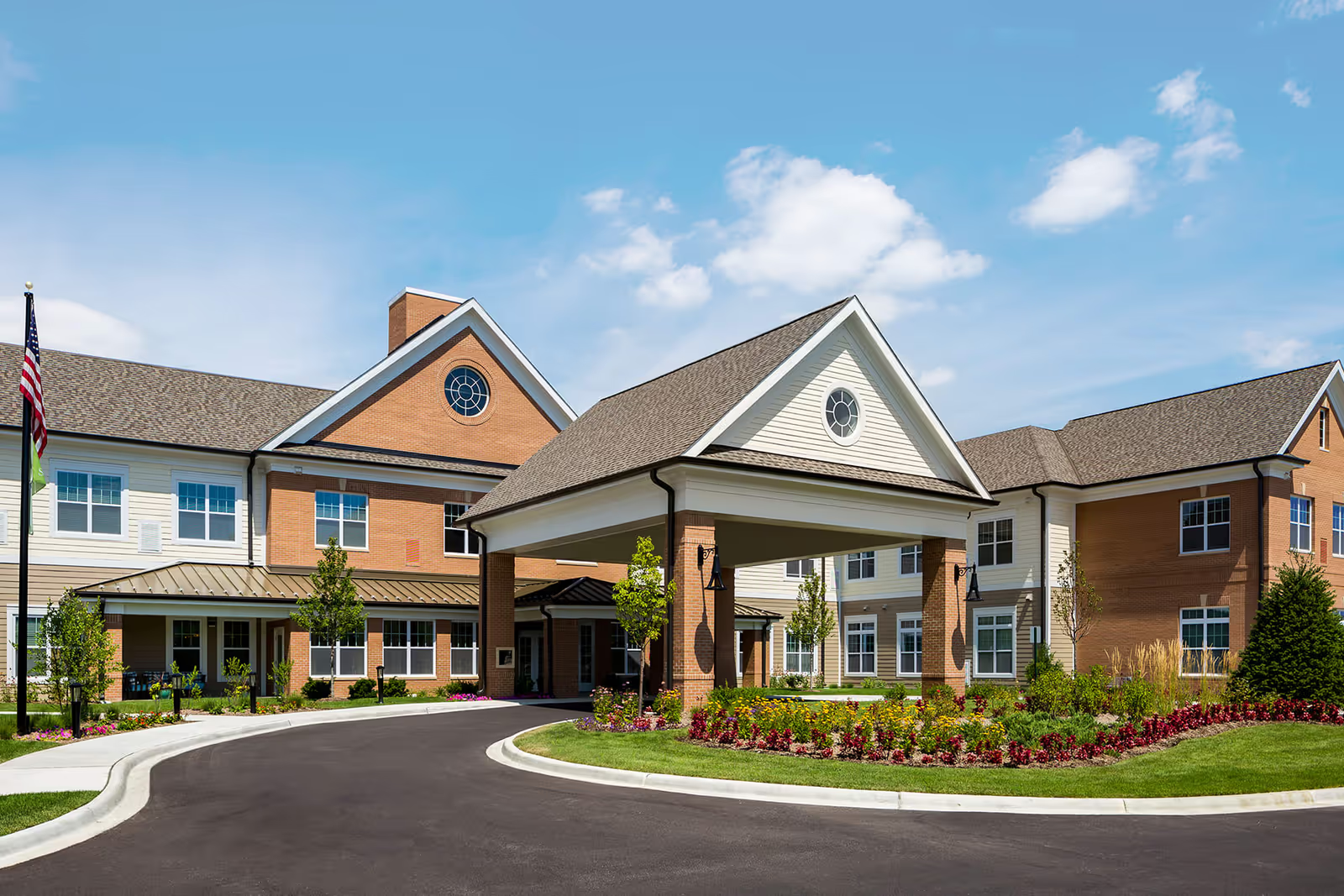
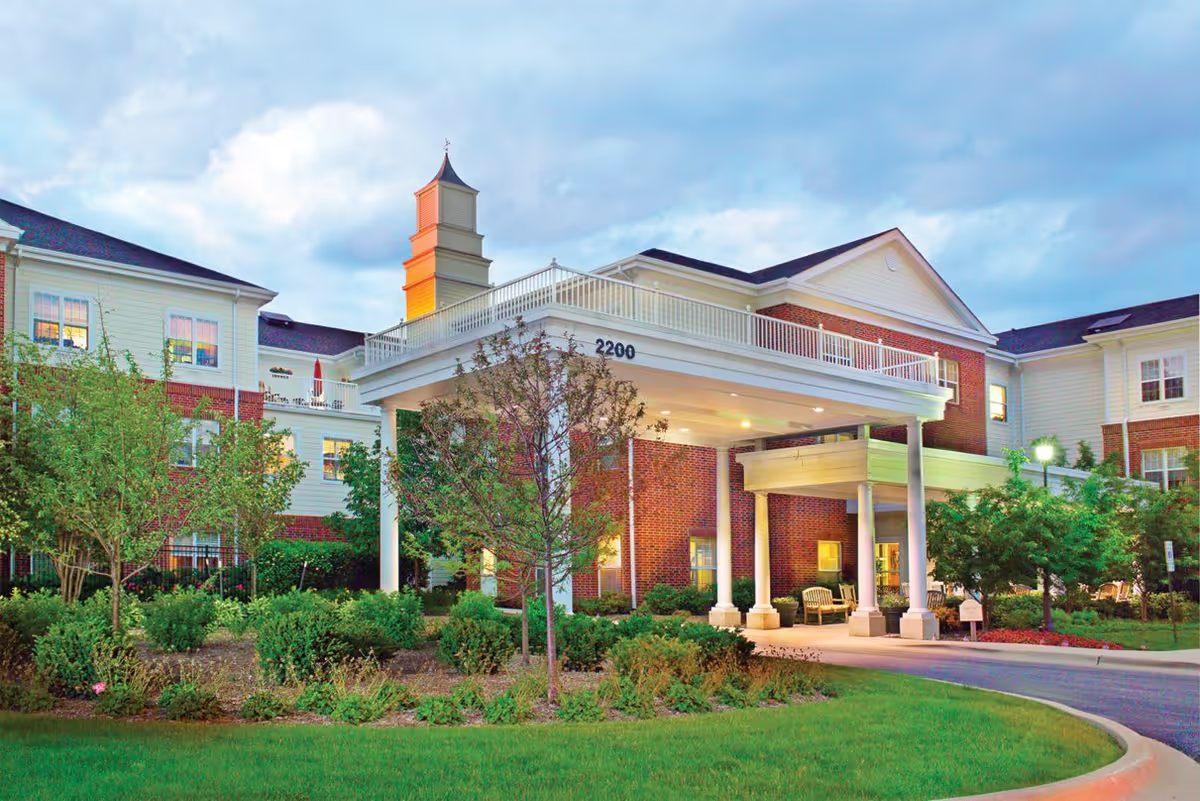
Lee Manor consistently receives praise for compassionate, engaged frontline staff and a strong rehabilitation program. Reviewers cite attentive aides and nurses who provide day‑to‑day care, frequent therapy involvement that supports mobility improvement, and an overall clean, well‑maintained environment that many describe as homelike and hotel‑like. Common area design elements—large windows, bright activity rooms, and pleasant décor—are repeatedly noted, as are the ability to personalize rooms and the availability of activities and social events that support resident engagement.
Clinical care and staffing present a mixed picture. Families frequently describe positive nursing interactions, timely updates, and successful therapy outcomes, but there is a consistent pattern of understaffing during meals, on weekends, and at high‑demand times. That understaffing is associated with delays in assistance (including bathing and mealtime help), variability in the quality of individual nurses or aides, and occasional slow responses to call buttons. There are also recurring comments about gaps in handoffs and documentation, episodes of medication or scheduling confusion, and inefficiencies with therapy scheduling and discharge planning that can affect continuity of care.
Dining receives varied feedback. Many reviewers appreciate the in‑house meals and note instances of well‑prepared food, accommodating dietary staff, and flexibility for special requests. At the same time, others describe inconsistent food variety, limited ethnic options and seasoning, and portion or timing issues. Families seeking culturally specific menus or more vegetable‑forward choices may find the current offerings limited.
Facility condition and operations are generally seen as strengths, but reviewers report specific operational weaknesses. The building and grounds are well maintained overall, and housekeeping is often described as diligent; however, reviewers also note sanitation concerns in some bathrooms and in wound‑care areas, supply and linen shortages, and delays in resolving plumbing or maintenance issues. These operational gaps have led to intermittent comfort and safety concerns for some residents.
Management and communication show areas of both strength and needed improvement. Many families praise proactive communication, bilingual staff, and caring outreach from nursing leadership. Conversely, others describe inconsistent family updates (especially across weekends and shift changes), lost or delayed follow‑up calls, and variable reception at transitions between staff. There are also isolated but serious allegations regarding infection‑control and post‑incident notification; such claims suggest a need for transparent review and remedial action by leadership.
Overall, Lee Manor appears to provide a warm, rehabilitation‑oriented environment with many examples of high‑quality, person‑centered care and a clean, welcoming facility. Prospective residents and families should weigh those strengths against recurring operational issues: staffing variability, occasional sanitation and maintenance lapses, food‑service limitations, and periodic communication breakdowns. For families considering Lee Manor, recommended due diligence includes asking about current staffing ratios (especially on weekends and during meals), infection‑control protocols, linen and supply management, and how the facility handles care‑coordination and family communication during shift changes and discharge planning.