Overall impression: Reviews describe Gillespie Health & Rehab Center as a facility with consistently positive care relationships and strong operational strengths in nursing, therapy, and day-to-day organization. Families and visitors frequently describe staff as compassionate, attentive, and accessible; medication and meal delivery are noted as reliable, and the facility has been recognized with at least one quality award.
Care and staff: The dominant theme across commentary is high marks for clinical and caregiving staff. Nurses and CNAs are frequently characterized as skilled and supportive, with continuity of long-term employees contributing to familiarity and trust. Rehabilitation and therapy services receive favorable remarks for helping residents progress; therapists and discharge planning are described as attentive. Communication with families and responsiveness to questions are also emphasized as strengths.
Dining and activities: Dining is presented as a social component of the resident experience — the dining area is described as clean and sizable, meals are served on schedule, and communal meals are appreciated. Recreational programming appears active, with bingo, music, card games and other group activities cited as regular offerings that contribute to resident engagement and a family-oriented atmosphere.
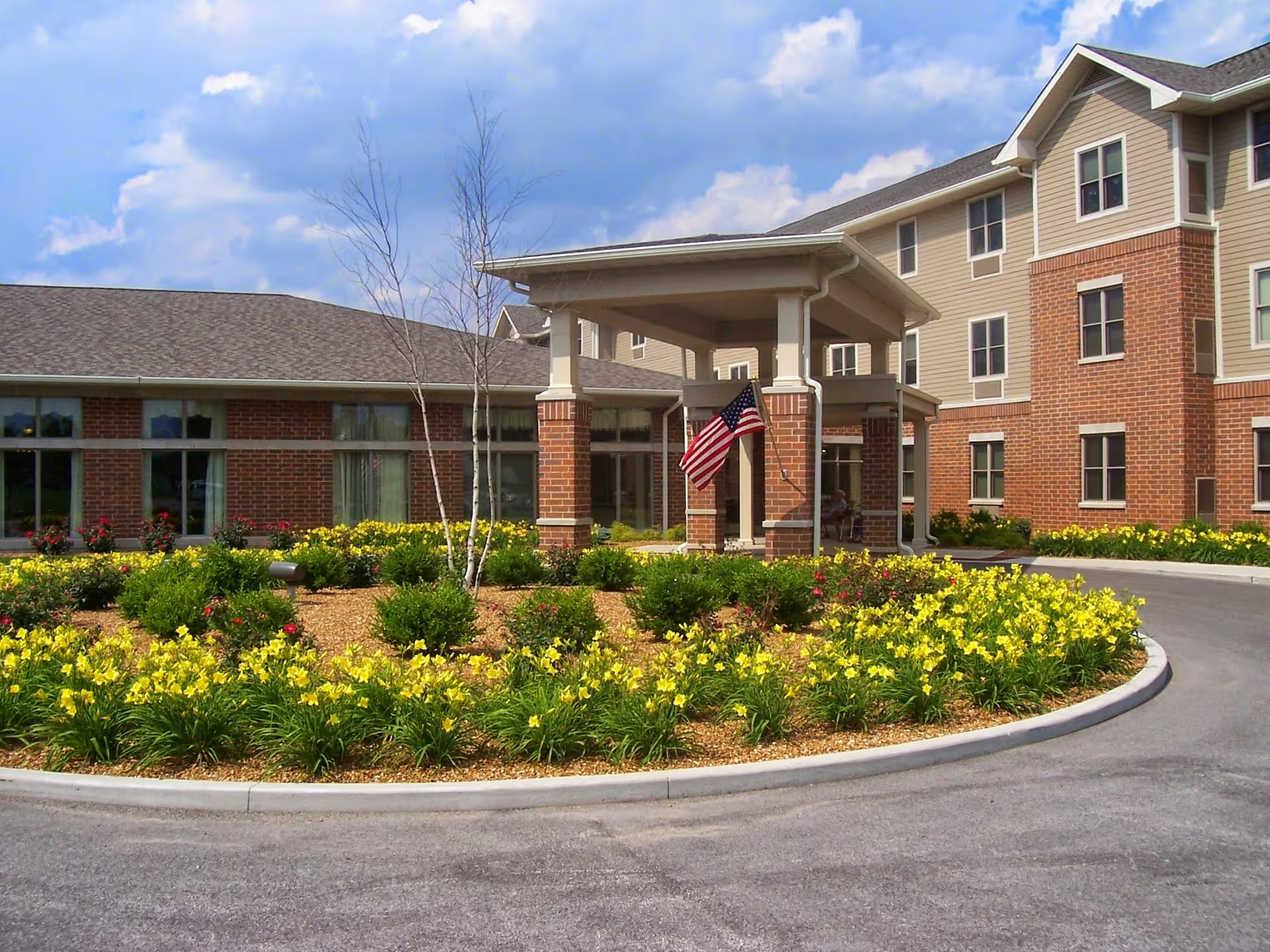
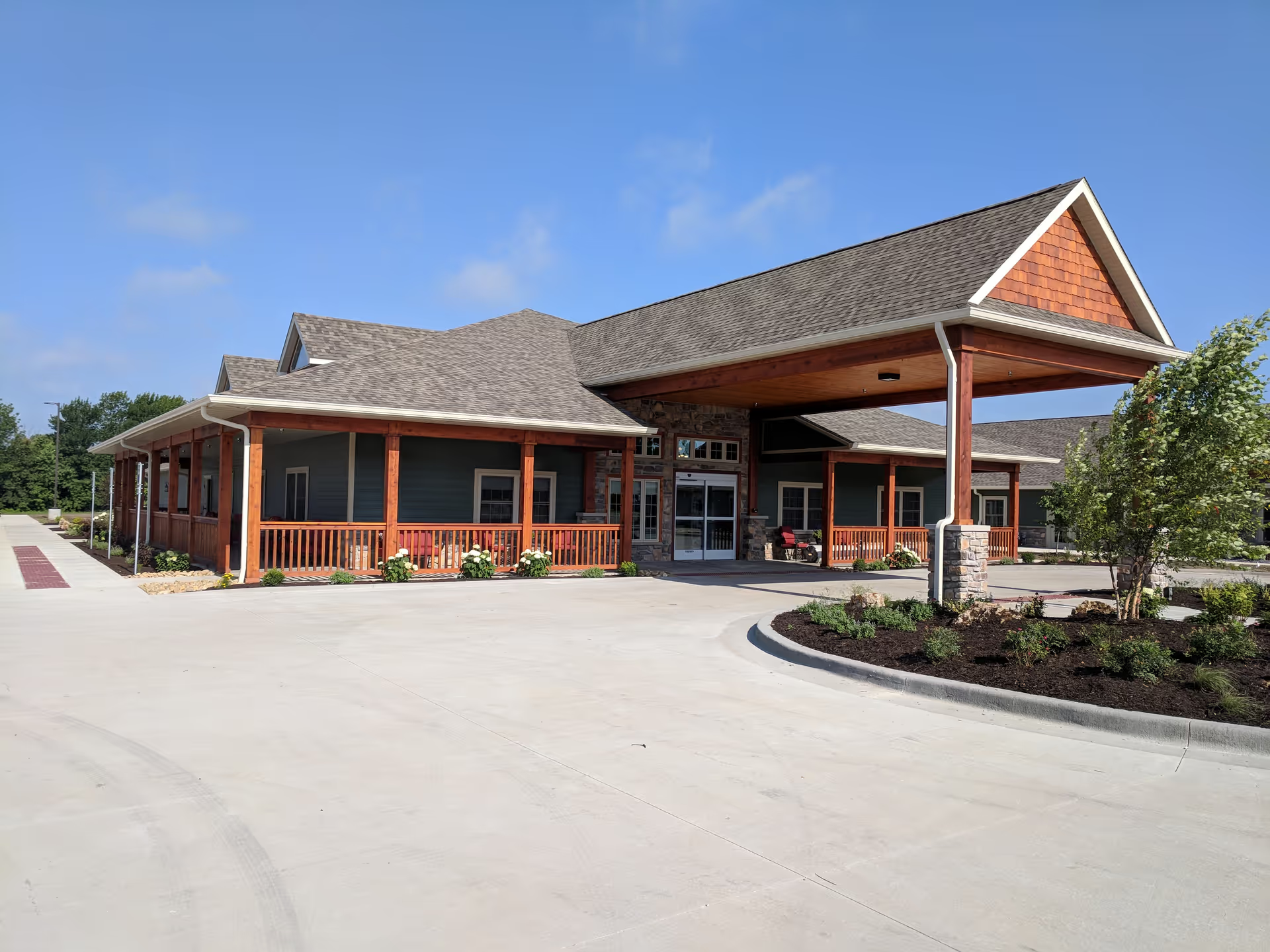
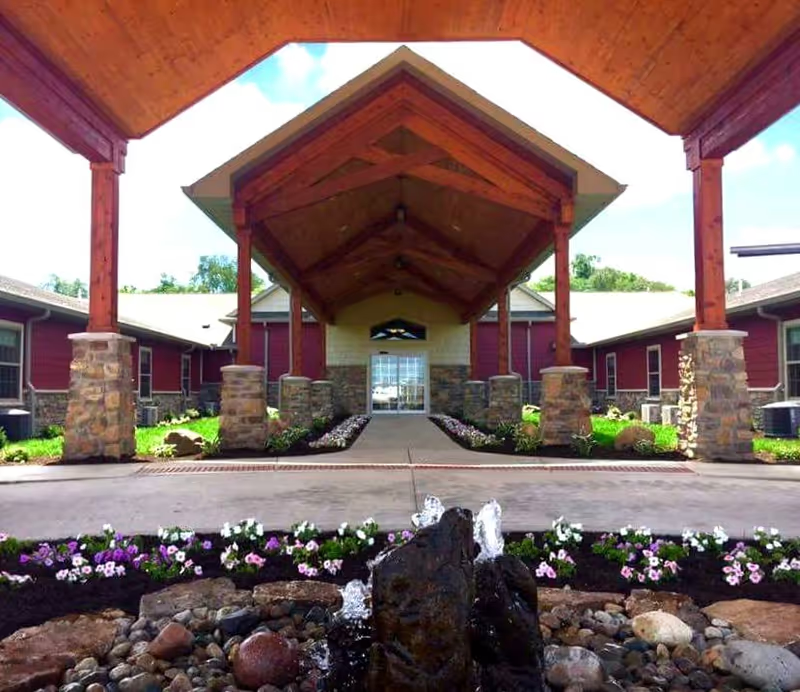
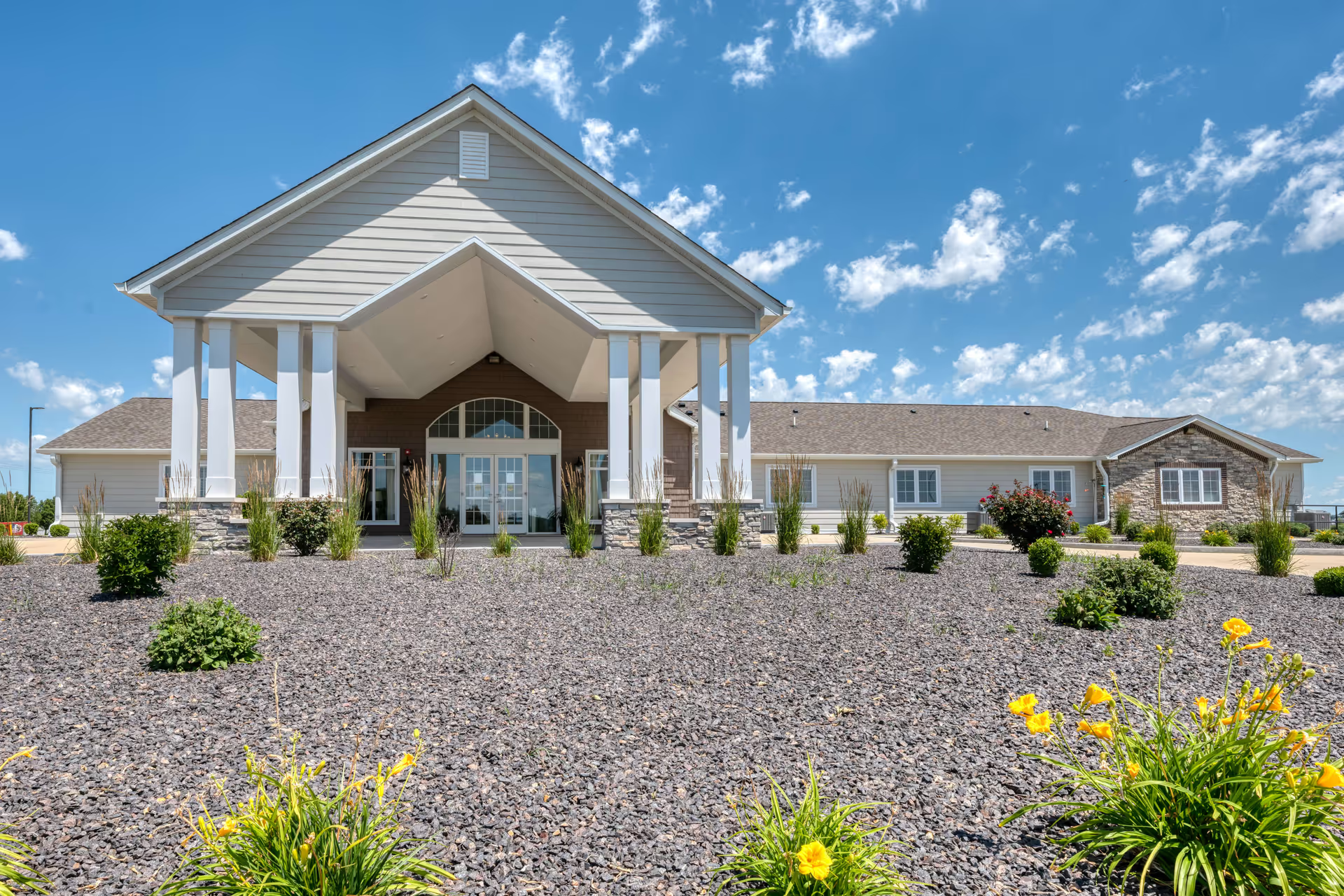
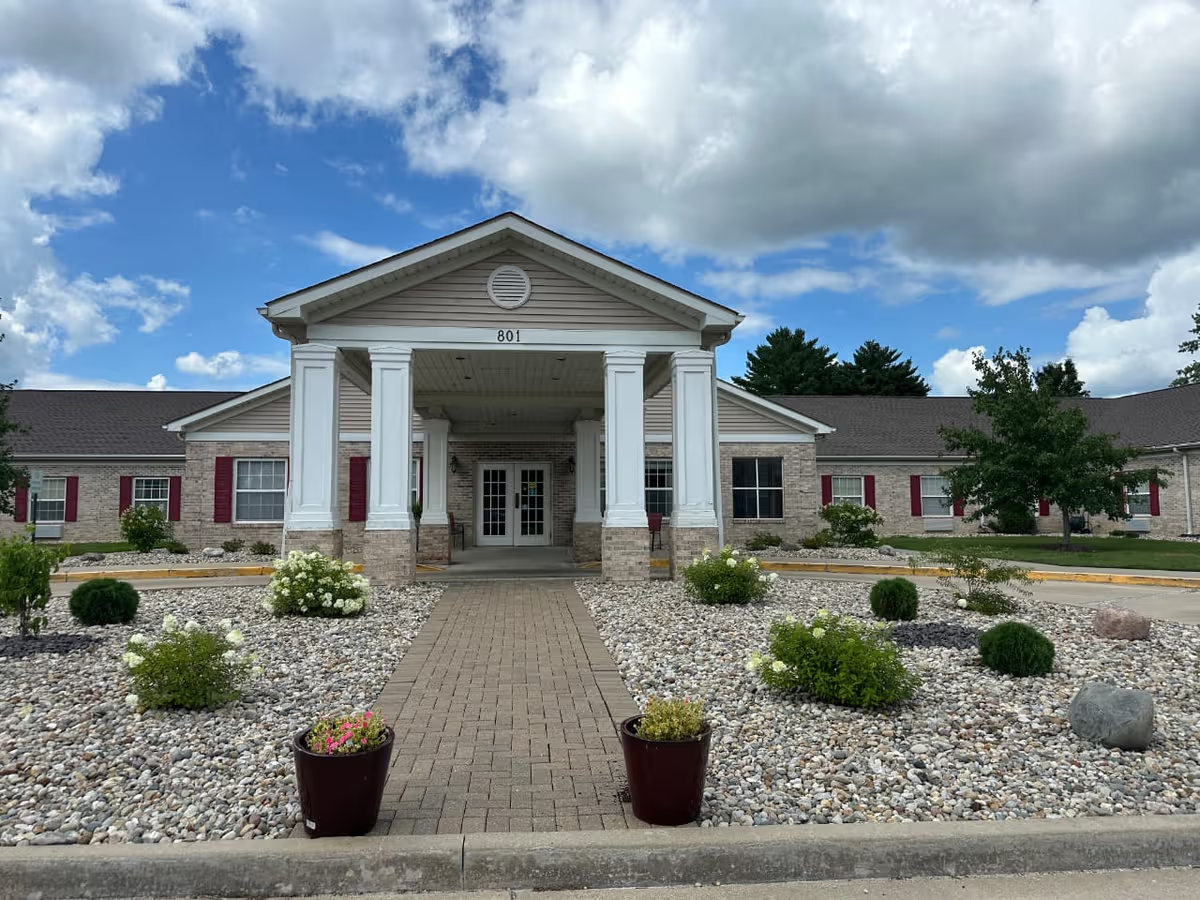
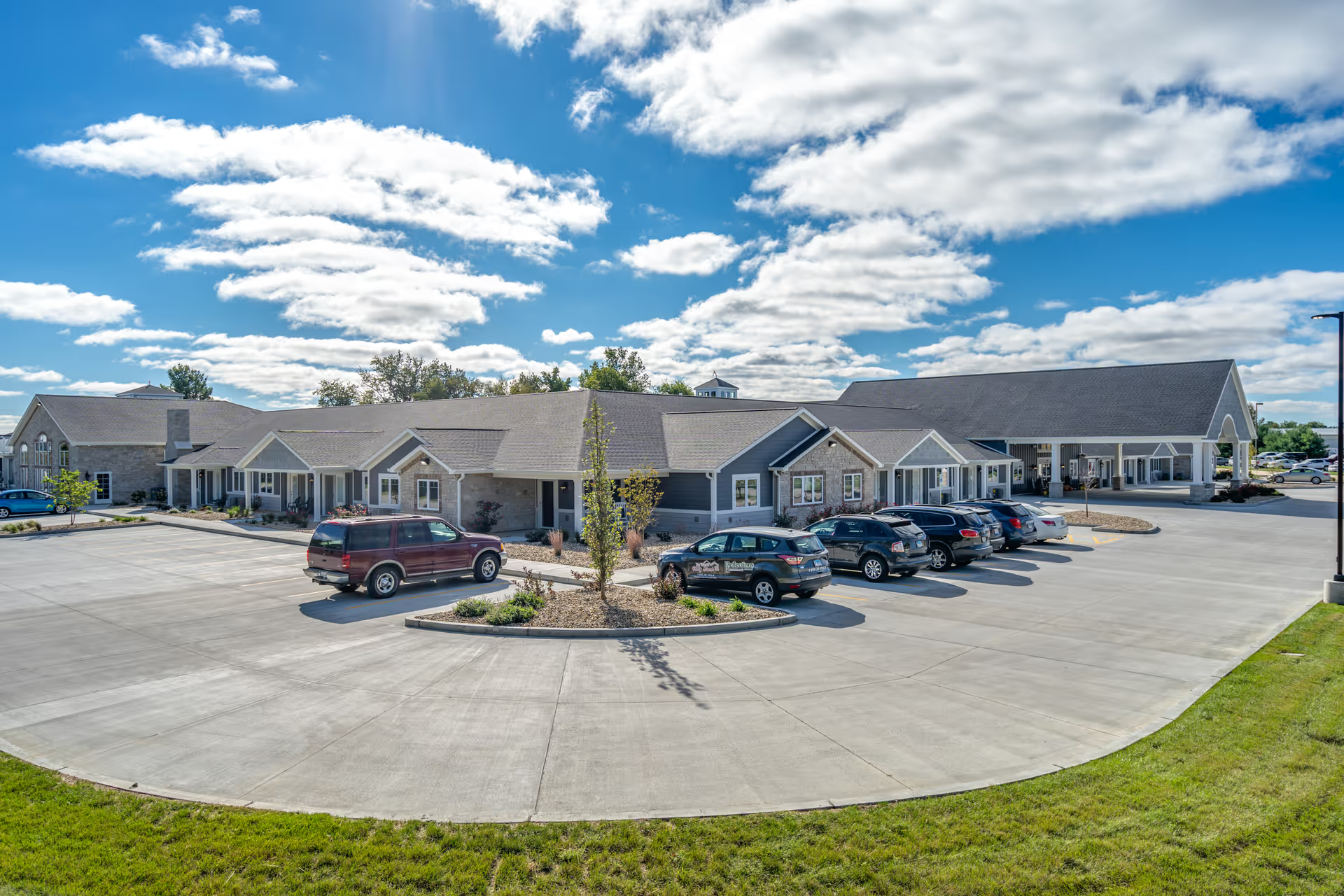
Facilities and maintenance: Reviewers generally find the facility clean, bright and well organized, but several operational issues are noted. Room-level upkeep could benefit from refreshes, and there are occasional odor concerns in common areas. Minor maintenance and repair needs were mentioned; these appear to be cosmetic or routine rather than clinical. The facility lacks certain amenities such as an on-site pool, and some reviewers described the environment as busy, which may affect expectations for quiet or slower-paced settings.
Management and notable patterns: Management is perceived as communicative and supportive in discharge planning and family interactions. Positive patterns include dependable medication administration, punctual meals, and an emphasis on resident comfort. Areas for improvement that emerge consistently are facility upkeep and addressing intermittent odor and maintenance items; these represent operational gaps rather than care-quality failures. Prospective residents and families should weigh the strong clinical and social program strengths against the facility’s limited amenity set and the potential for a lively, occasionally noisy atmosphere.