The reviews for Arcadia Care of Morris present a mixed but thematically consistent picture: many families and residents praise frontline caregivers and therapy teams, while a substantial subset raise operational and management concerns. Care quality is described in two contrasting ways. Positive accounts emphasize compassionate, attentive CNAs and nurses, strong rehabilitation outcomes, and supportive hospice and end-of-life care with clinicians who communicate and follow through. Conversely, other accounts identify clinical gaps such as medication-administration errors, inconsistent pain management, delays in responding to care needs, and at least one infection-control concern that required additional intervention.
Staff performance is a recurrent dividing line. Numerous reviews highlight dedicated, professional, and knowledgeable staff who provide respectful, individualized attention and effective therapy. However, recurring criticisms point to inconsistent staffing levels, high turnover, and episodes of delayed responsiveness to call systems. Several reviews describe concerns about the tone or accessibility of nursing leadership and about uneven communication from administrators, which appears to affect family updates and discharge coordination.
Dining and activities are generally strengths but are described inconsistently. Many reviewers praise engaging activity schedules, social programming, and comforting meal choices; therapy-supported residents often reported measurable progress. Other families reported variability in meal quality, portion sizes, and adherence to prescribed diets. Activities and community engagement — including animal-assisted programming — were frequently cited as positive contributors to resident well‑being.
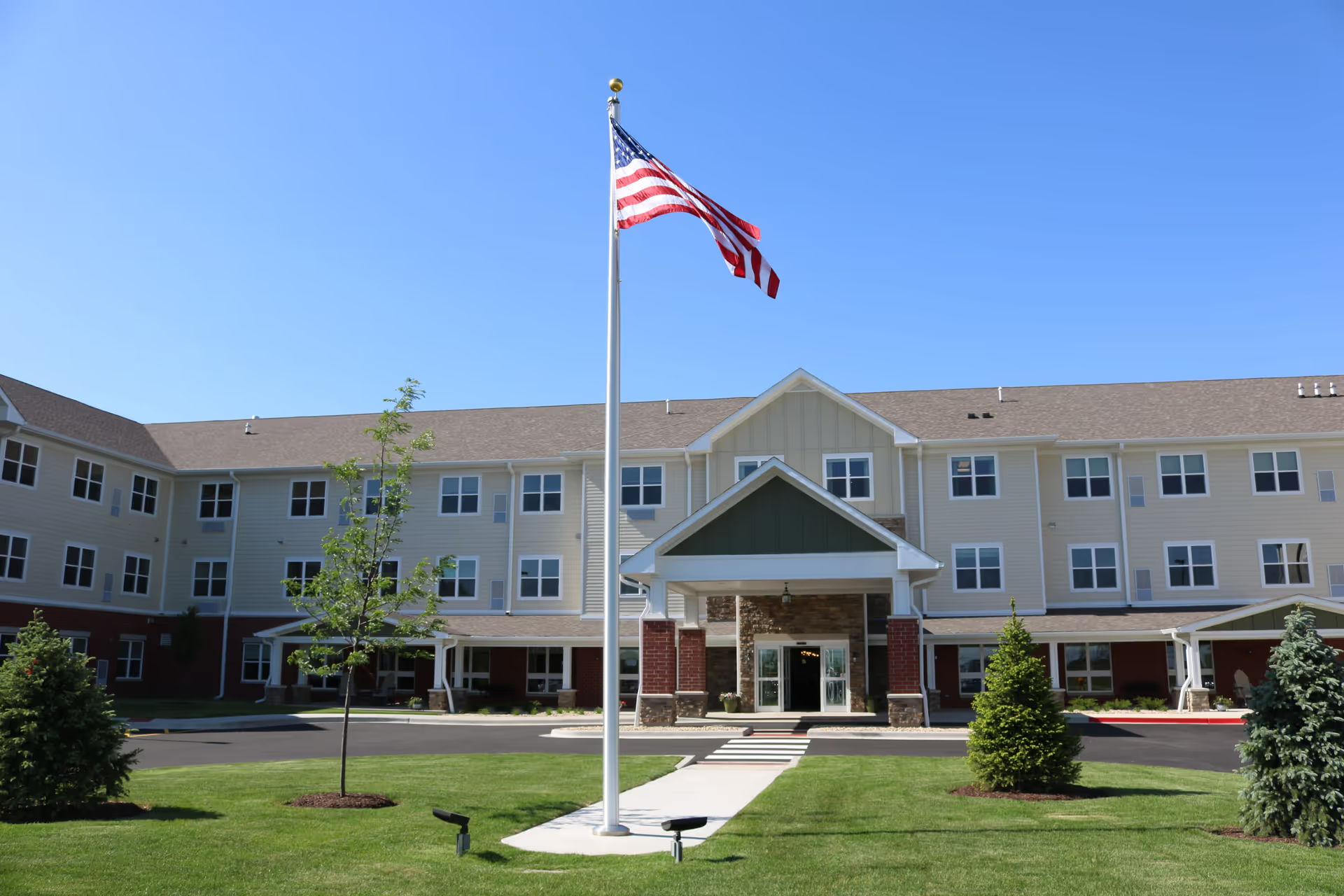
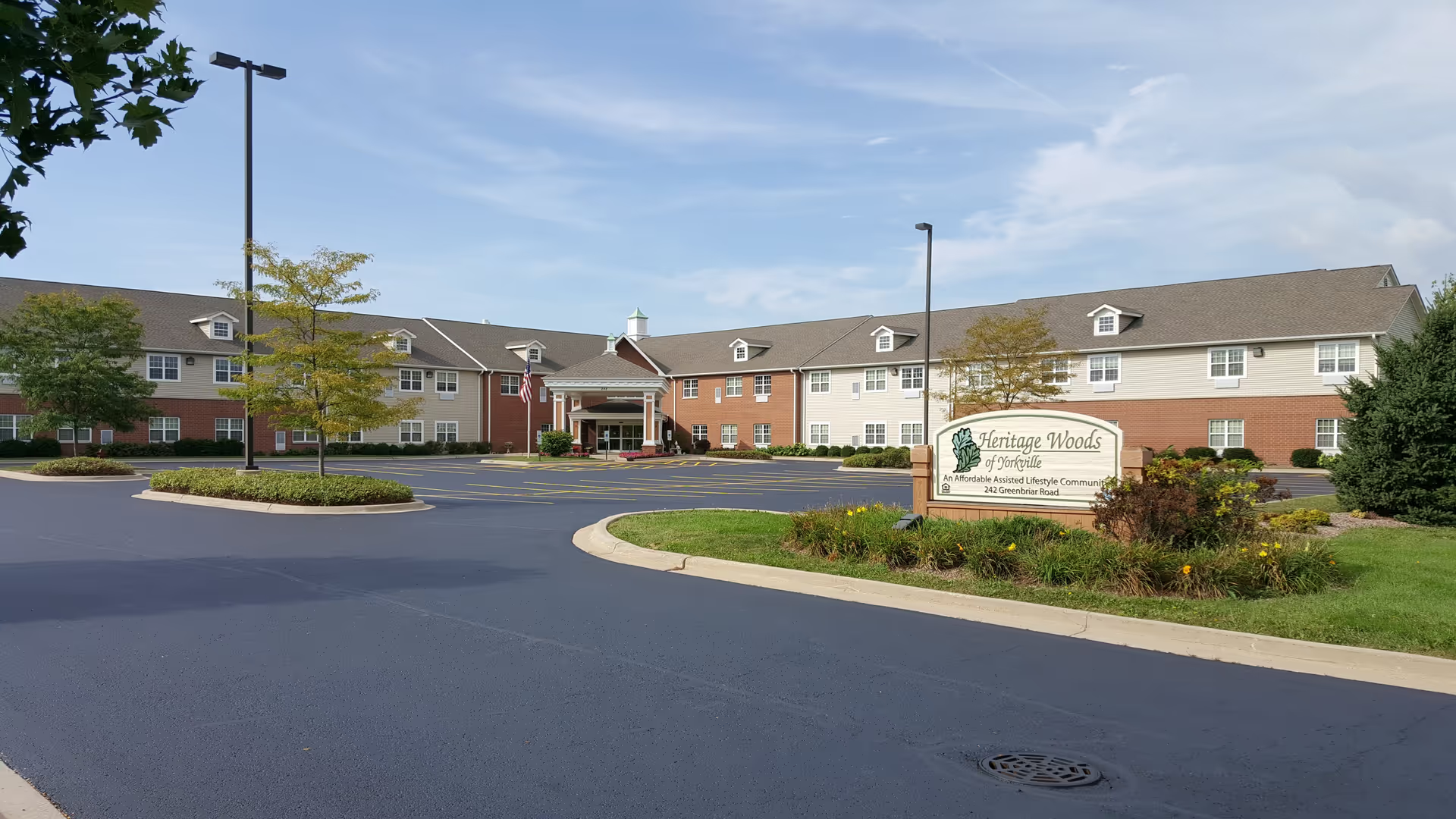
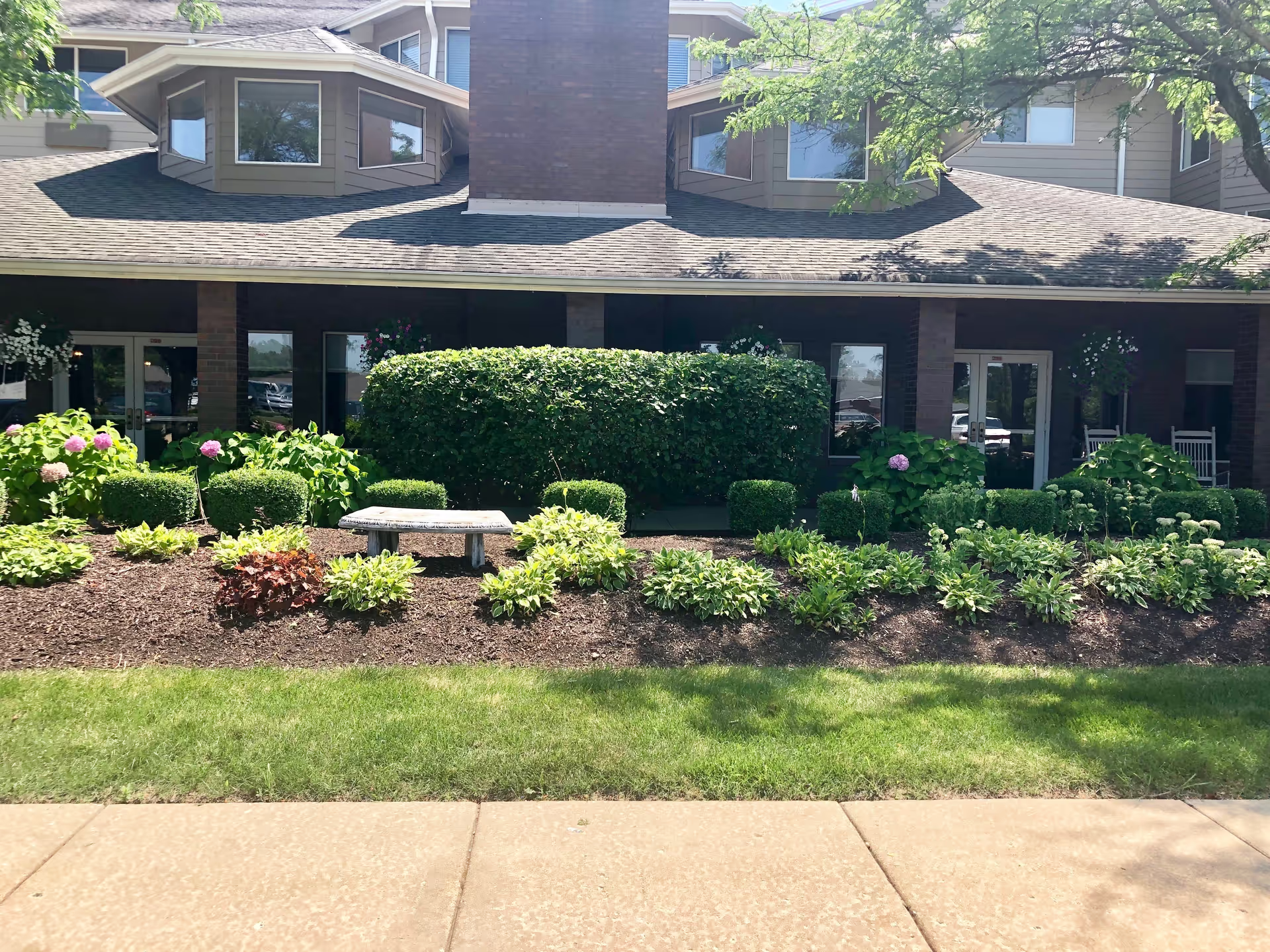
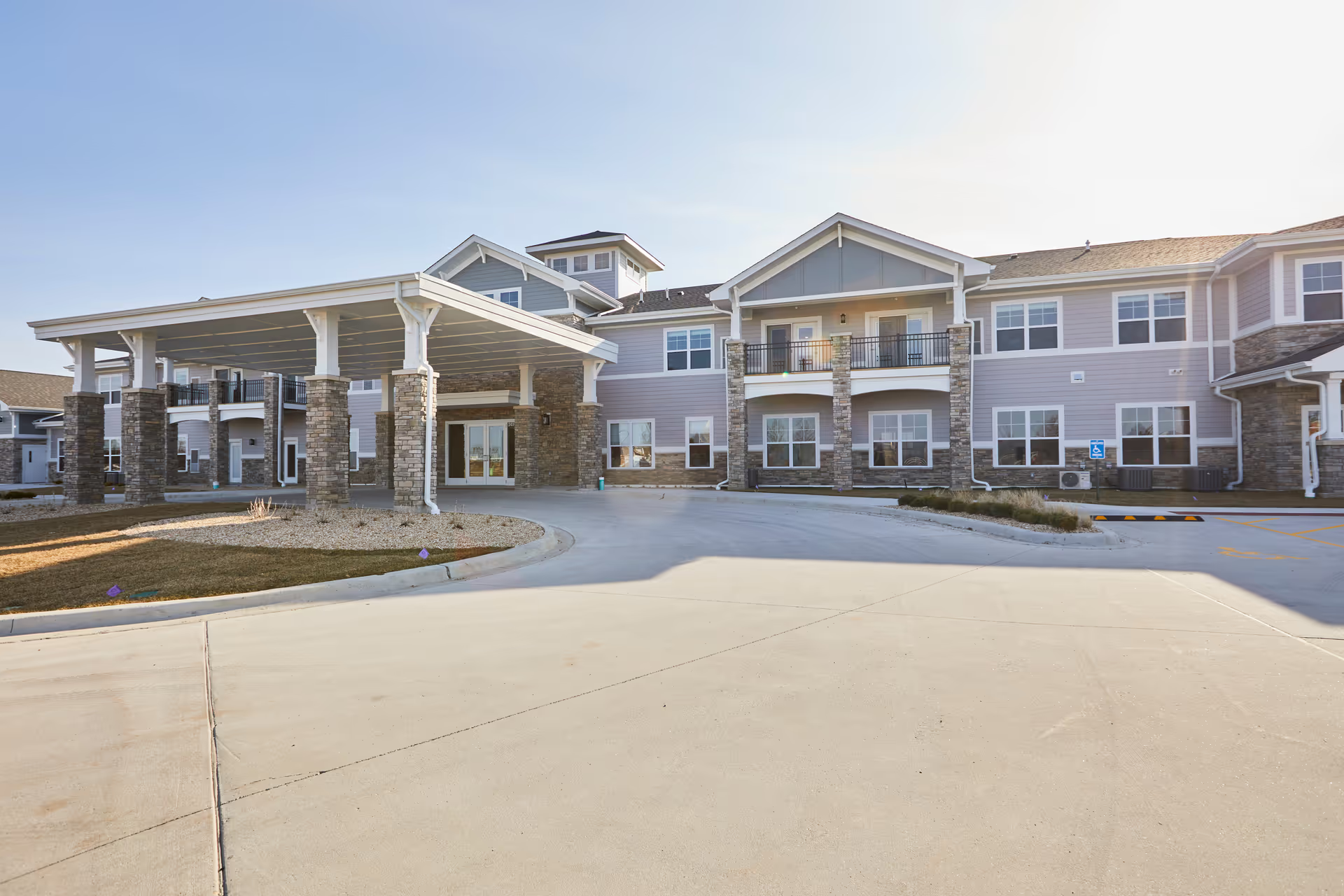
Facility condition and maintenance show notable variance across reports. Multiple accounts praise clean, well‑maintained areas and modern, attractive spaces (including comments about a brand‑new section). At the same time, there are repeated sanitation and maintenance concerns in particular rooms or units, including odor concerns and pest‑control issues. Property‑management practices were also questioned, with several serious allegations about missing or mishandled personal belongings.
Management and administration receive mixed evaluations. Some reviewers describe responsive, proactive leadership and improved communication after administrative changes. Others report limited availability of billing or administrative staff, premature discharges or poor discharge communication, and perceptions that operational priorities can be inconsistent. These leadership inconsistencies appear to correlate with differences in day‑to‑day resident experience.
Notable patterns: the facility elicits strongly positive experiences for many families (especially around therapy, hospice, and individual caregivers) but a distinct set of operational weaknesses recurs across complaints: staffing instability, call-response delays, variable cleanliness/maintenance, property-handling concerns, and administrative communication gaps. Prospective residents and families should schedule an in‑person visit, ask specific questions about staffing ratios, call‑light response times, infection‑control practices, personal‑property protocols, and how dietary and medication management are monitored. Reviewing the facility’s state survey history and speaking directly with current families on-site can help assess whether the strengths highlighted in many reviews are consistent with current operations and leadership.