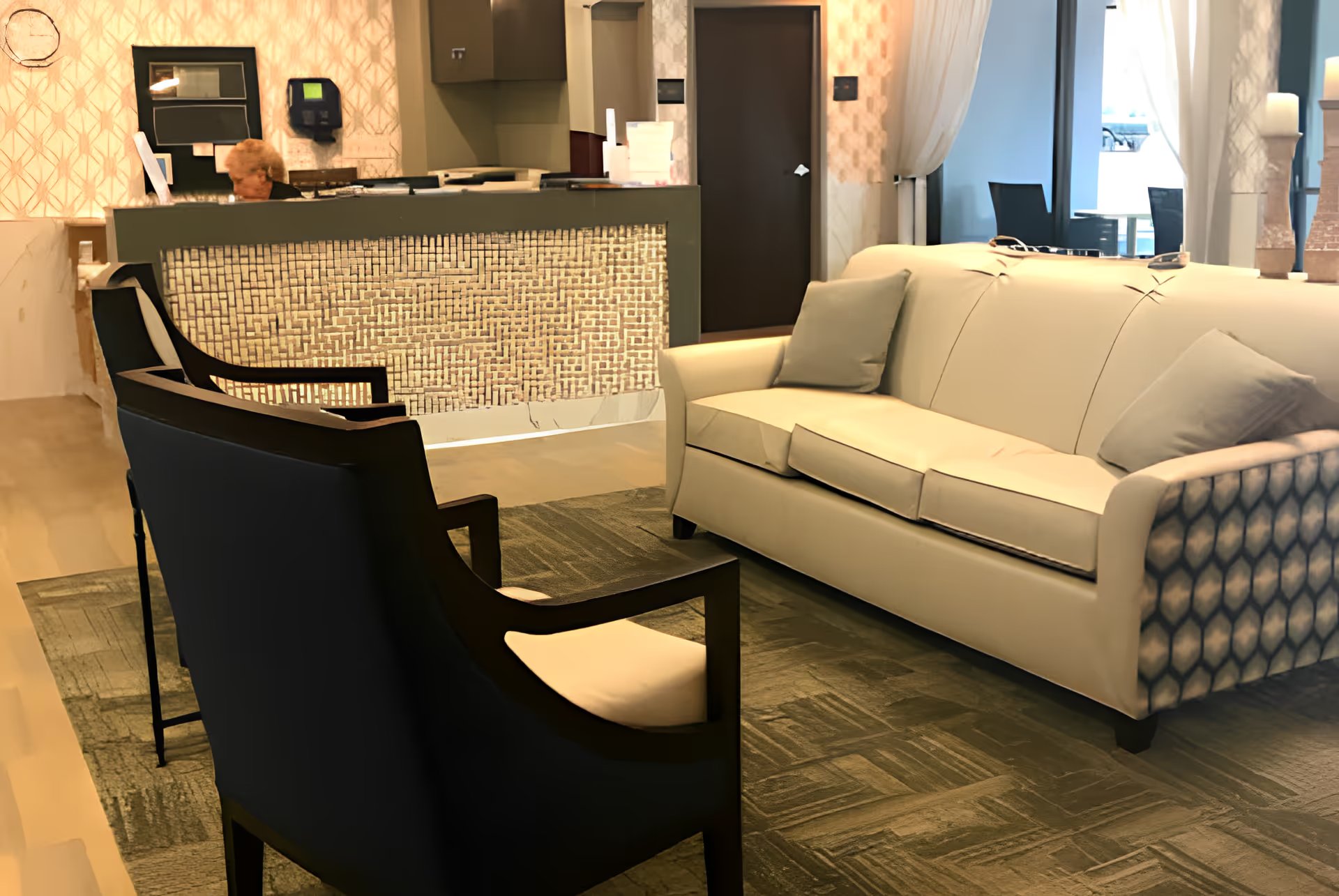
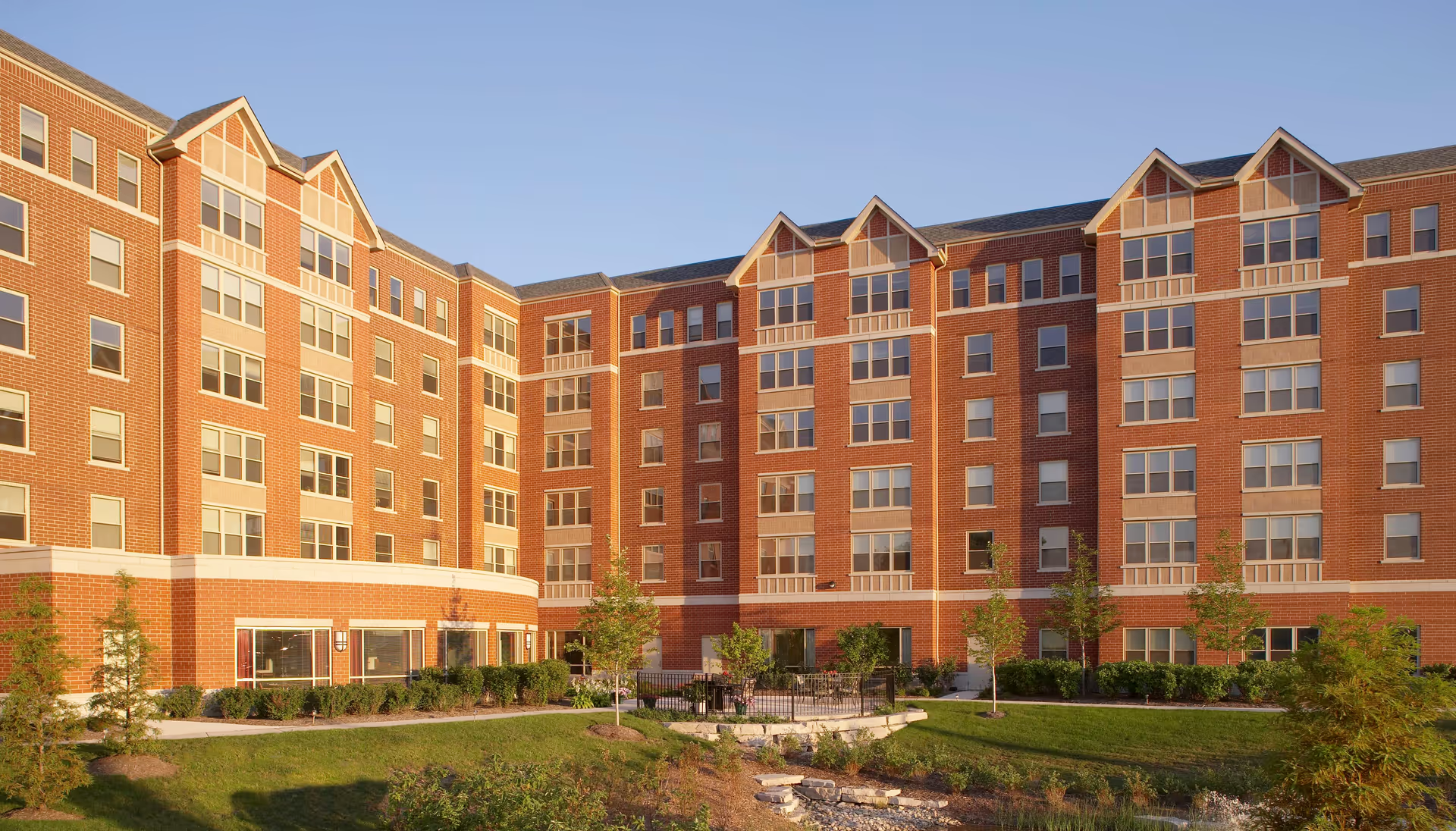
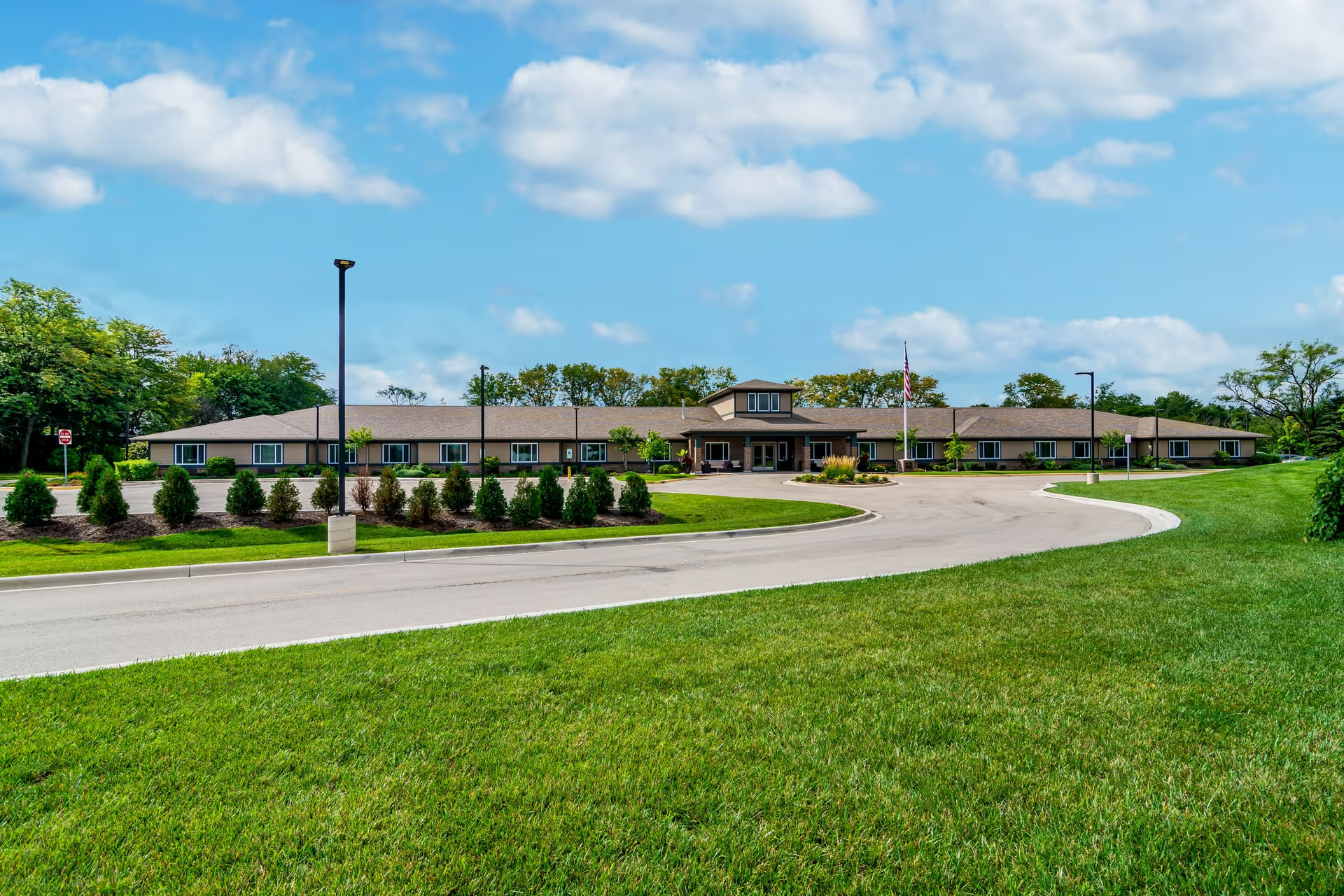
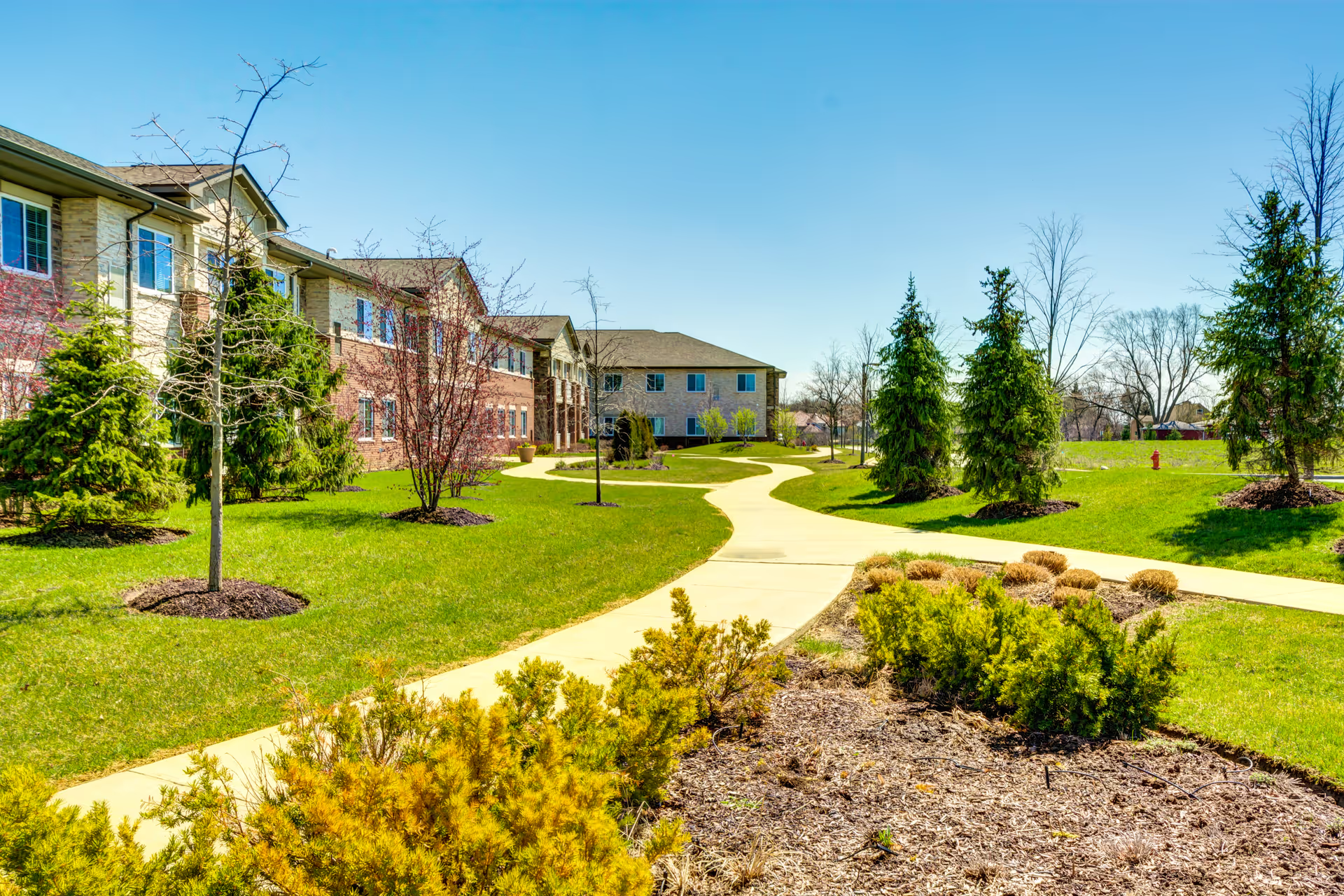
Bria of Palos Hills presents a mixed picture across reviews. Many families and residents describe a bright, modern facility with well-maintained public areas, strong rehabilitation amenities (including a gym and pool), and an active therapy program that produces measurable progress for short-term rehab patients. Several accounts praise individual nurses, CNAs, therapists, and admitting staff as compassionate, knowledgeable, and helpful; those experiences emphasize good bedside manner, effective therapy plans, and a focus on returning residents home.
At the same time, the facility shows recurring operational weaknesses that affect clinical care continuity. Multiple reviews describe clinical escalations that required hospital transfers for infections and other acute conditions, together with concerns about fluid-management monitoring, wound and post-operative care, and medication-authorization delays. These issues suggest gaps in clinical monitoring, timely escalation, and medication workflows rather than a uniform absence of clinical competence.
Staffing and responsiveness are common themes. Reviewers frequently cite slow responses to call lights, inconsistent availability of staff during nights and weekends, and variable staffing levels on some shifts. While many individual staff members are described as attentive and caring, the overall pattern is one of variability in responsiveness and professionalism across different shifts and employees. That variability amplifies other operational problems such as missed therapy sessions, delayed toileting or personal-care checks, and occasional missed vital monitoring.
Dining and daily-life services are similarly mixed. The facility's dining areas and social programming are often described as pleasant, and activities such as arts-and-crafts and socials are noted positively. However, meal quality, food temperature, and irregular meal timing are recurring complaints. Therapy scheduling is generally effective when staffed, but reviewers also report missed or shortened therapy sessions tied to staffing constraints.
Cleanliness and facility maintenance receive both praise and criticism. Many reviewers describe a very clean, bright, and well-maintained environment in public spaces and therapy areas, while others report localized sanitation concerns in resident rooms and bathrooms, shortages or delays in linen changes, and odor concerns in some areas. Property management issues are also flagged, including missing personal belongings for some residents.
Management and communication show uneven performance. Positive reports highlight helpful admission staff and instances of clear communication from therapists and nurses. Conversely, several families describe poor follow-up, broken promises, and difficulty reaching leadership, which contributes to frustration when clinical or operational issues arise. These communication gaps intersect with clinical and safety concerns and make it harder for families to track care plans and incident follow-up.
Overall pattern: the facility appears to deliver strong rehabilitation services in a modern, well-equipped setting and has many dedicated frontline staff. However, recurring operational weaknesses — inconsistent staffing, delayed responsiveness, sanitation and linen-management gaps, interdepartmental communication failures, and variable meal and medication processes — have, in a number of cases, led to clinically significant escalations and family dissatisfaction. Prospective residents and families should weigh the facility's strong rehab and amenity offerings against these operational risks, ask specific questions about staffing levels and overnight coverage, clarify wound and incontinence-care protocols, and request clear lines of communication and escalation when arranging a placement.