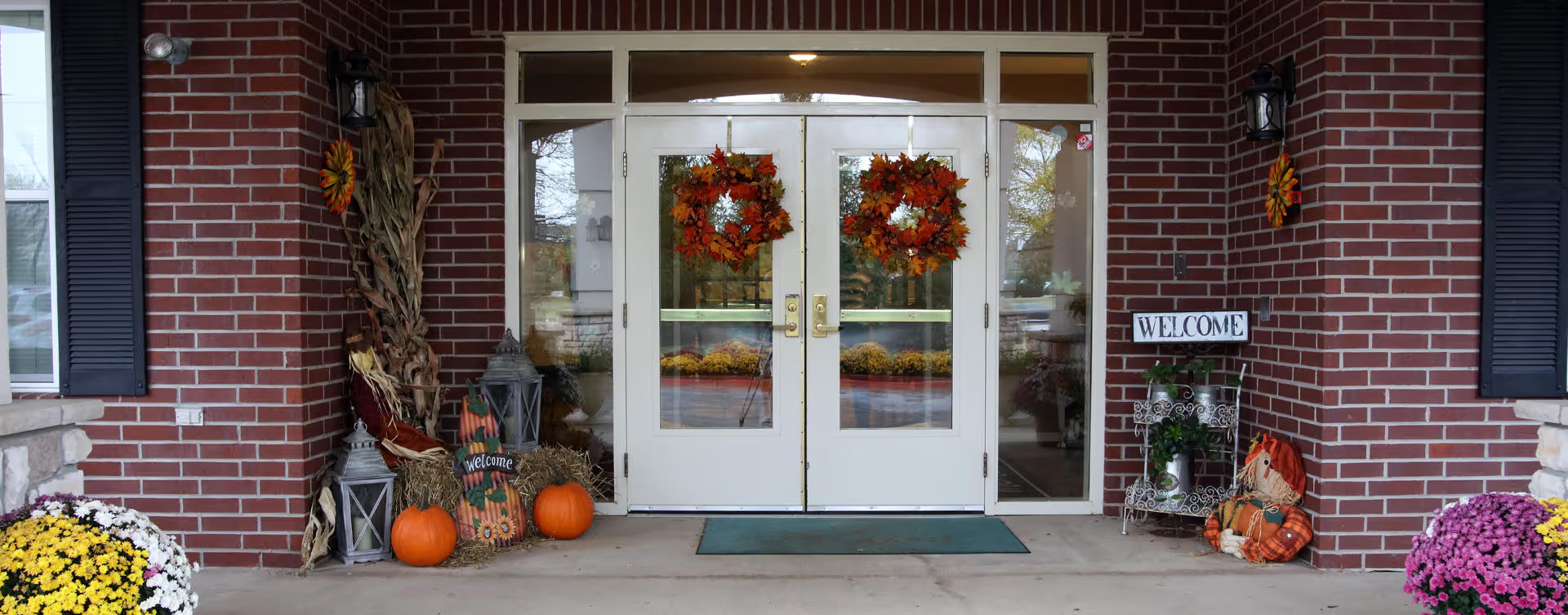
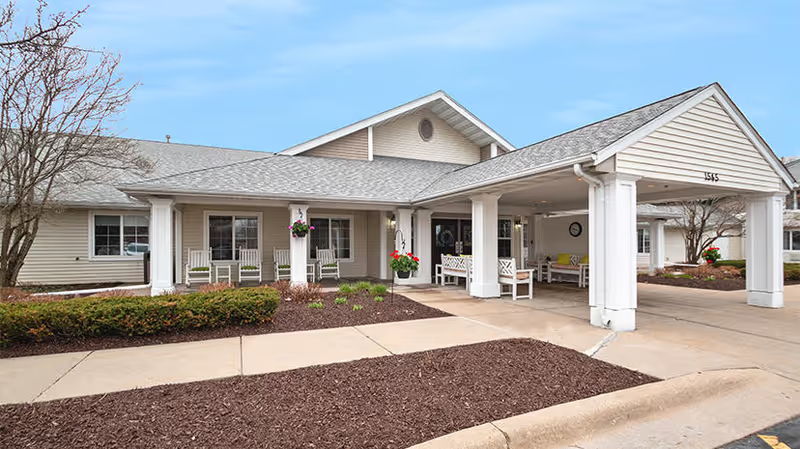
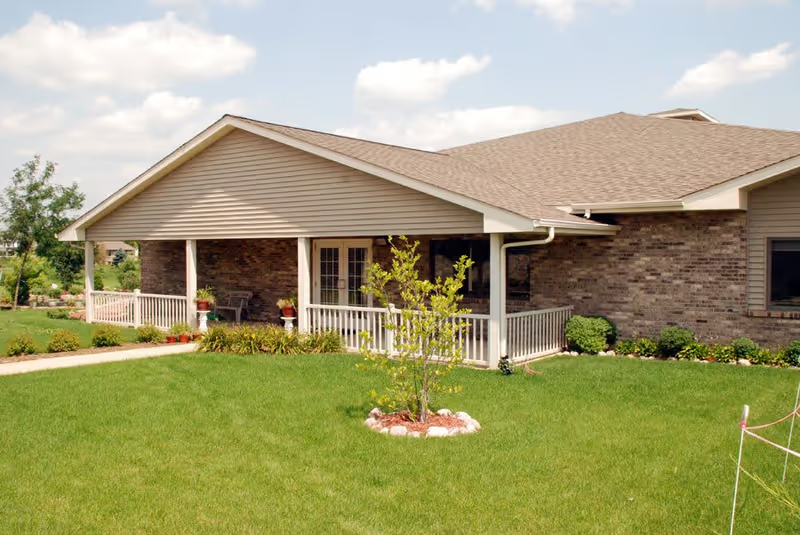
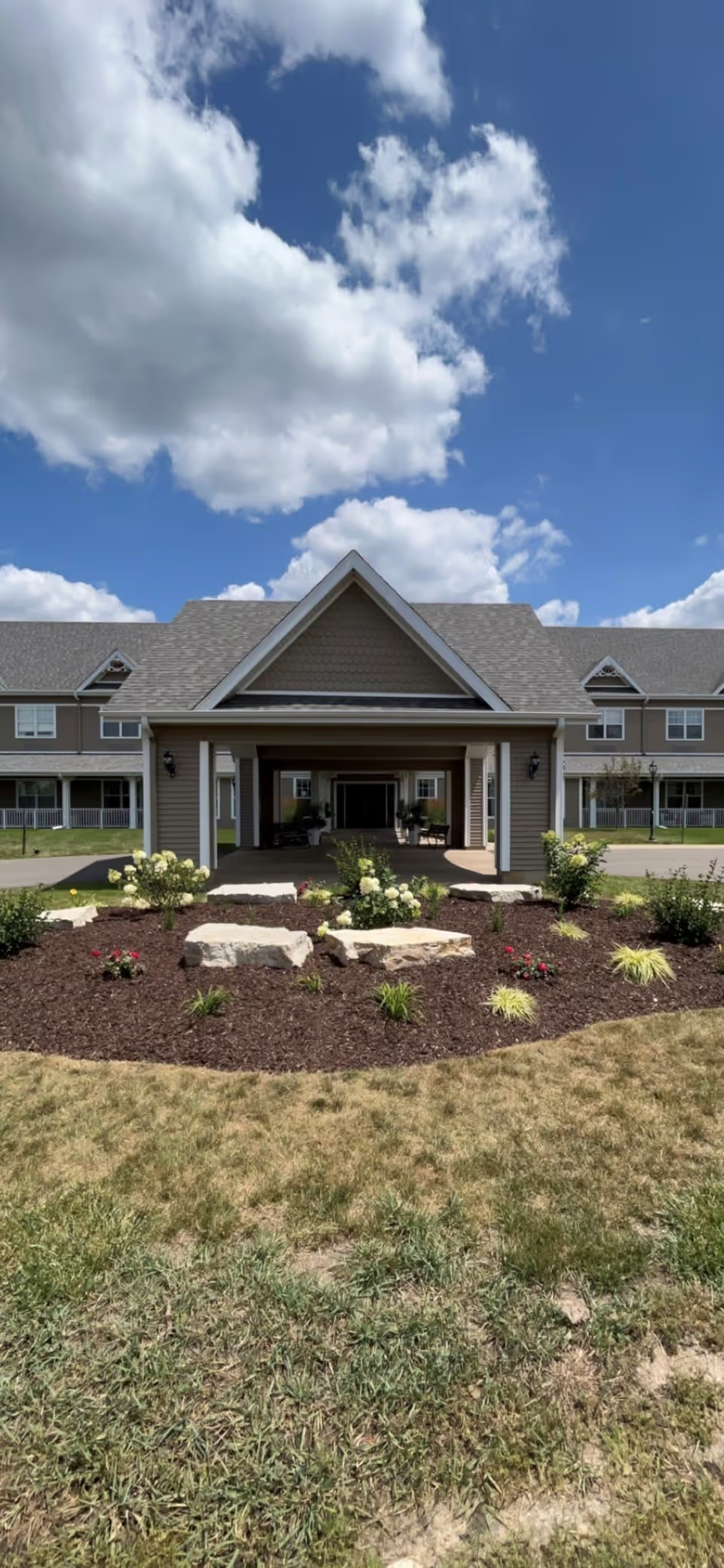
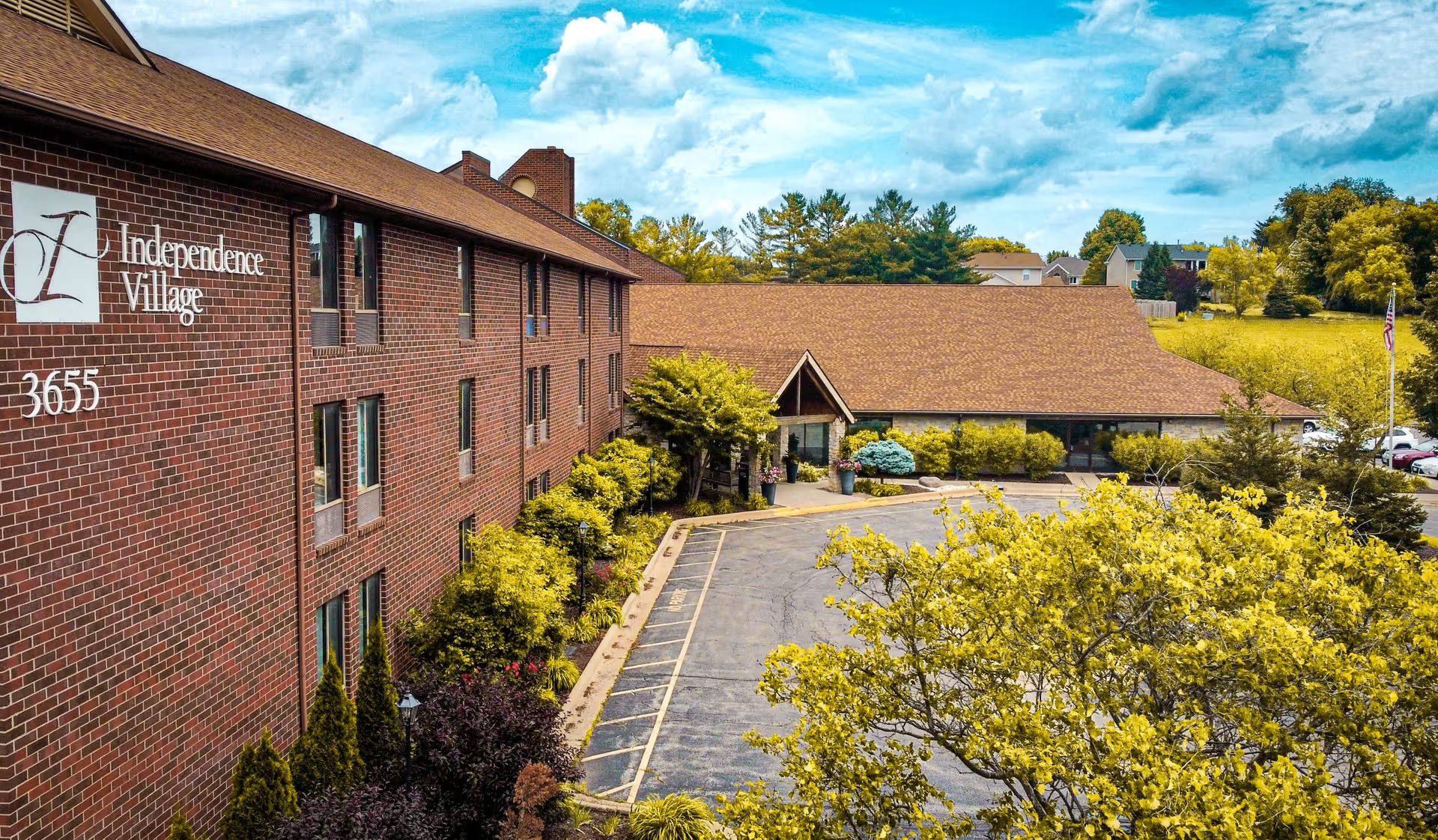
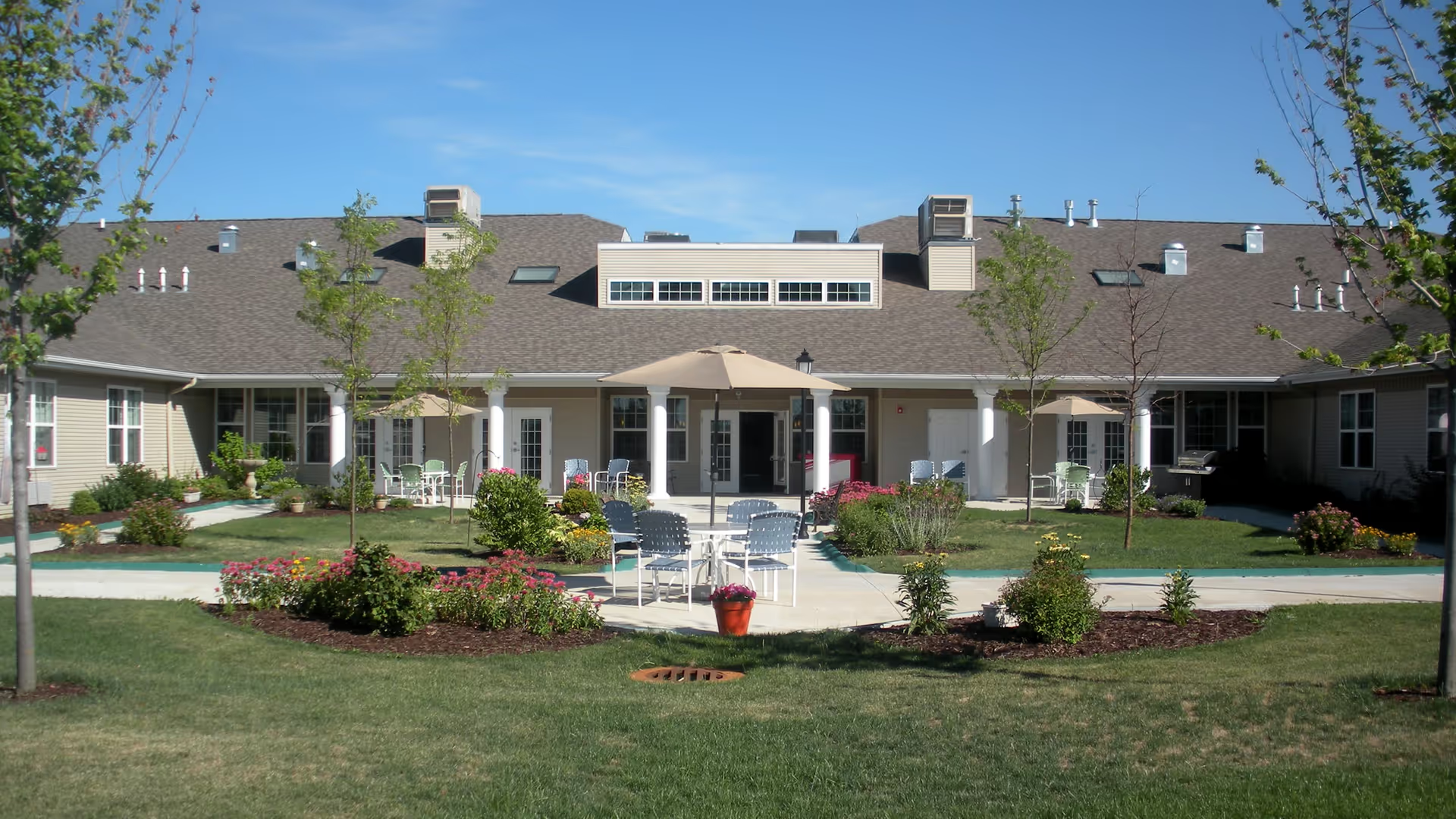
The reviews for Alden Debes Rehabilitation & Health Care Center describe a facility with clear strengths in hands-on caregiving and rehabilitation, alongside recurring operational weaknesses that affect clinical continuity and family confidence. Many families and patients praised nursing assistants, therapists, and specific staff members for respectful, attentive personal care and effective physical and occupational therapy that supported measurable rehabilitation gains. The facility’s physical plant—including clean interiors, accessible grounds, paved walkways, and a dedicated dialysis wing—receives consistent positive mention, as do recreational offerings such as social activities and a posted activities calendar.
Clinical-care themes are mixed. Reviewers cited successful therapy and pain management for some residents, but also described inconsistent medication administration, missed or delayed doses, and examples of inadequate wound and pressure-injury management. Several accounts describe delayed recognition of acute changes in condition and delayed escalation to higher levels of care. Discharge and transition planning emerged as a recurring concern: families reported abrupt or insurance-driven discharges without clear aftercare instructions or supplies, and in some cases lack of family notification prior to discharge.
Staffing and communication issues are prominent in the pattern of complaints. Understaffing was repeatedly linked to slow responses to call signals, delayed bathing and toileting assistance, and limited restorative therapy. Communication breakdowns between staff and family—absence of timely explanations, deflection of concerns, and documentation errors including patient-information mix-ups—contributed to family frustration. At the same time, reviewers also singled out individual managers and caregivers who provided proactive coordination and empathetic updates, indicating variability in performance across personnel and shifts.
Dining and nutrition received mixed evaluations. Some reviewers appreciated menu variety and helpful dining-room staff, while others reported inconsistent meal temperatures and problems with dietary adherence (for example, low-sodium or medically prescribed diets not always followed). Environmental and safety issues were raised, including pest-control concerns in some units, shared rooms and small room sizes limiting privacy, and isolated accounts of room-condition problems.
Management and organizational culture are described as uneven. Several families perceived limited accountability and slow administrative follow-through when clinical or operational concerns were raised, while other reviewers reported positive interactions with specific administrators who facilitated successful recoveries. Financial and insurance dynamics were cited as influencing care decisions in some instances (for example, copay or insurance-based discharge pressures), which contributed to a perception that revenue considerations sometimes affected clinical continuity.
Notable patterns to weigh for prospective residents and families: strong bedside caregiving and rehabilitation capability coexist with systemic weaknesses in staffing levels, medication and wound-care processes, discharge planning, and consistent family communication. The facility’s physical accessibility, cleanliness, and specialty services (such as dialysis and therapy) are assets; however, variability by unit, shift, and individual staff member appears to determine much of the resident experience. Families considering this facility may wish to ask specific questions about staffing ratios, wound-care protocols, medication-safety practices, discharge planning procedures, pest-control measures, and rooming options to assess how current operations align with their clinical and privacy needs.