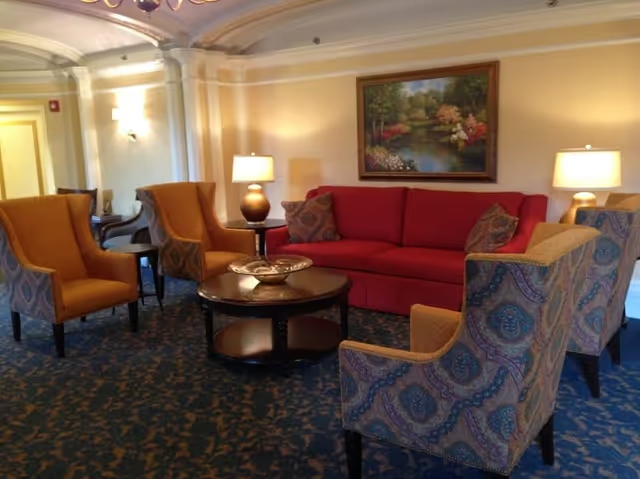
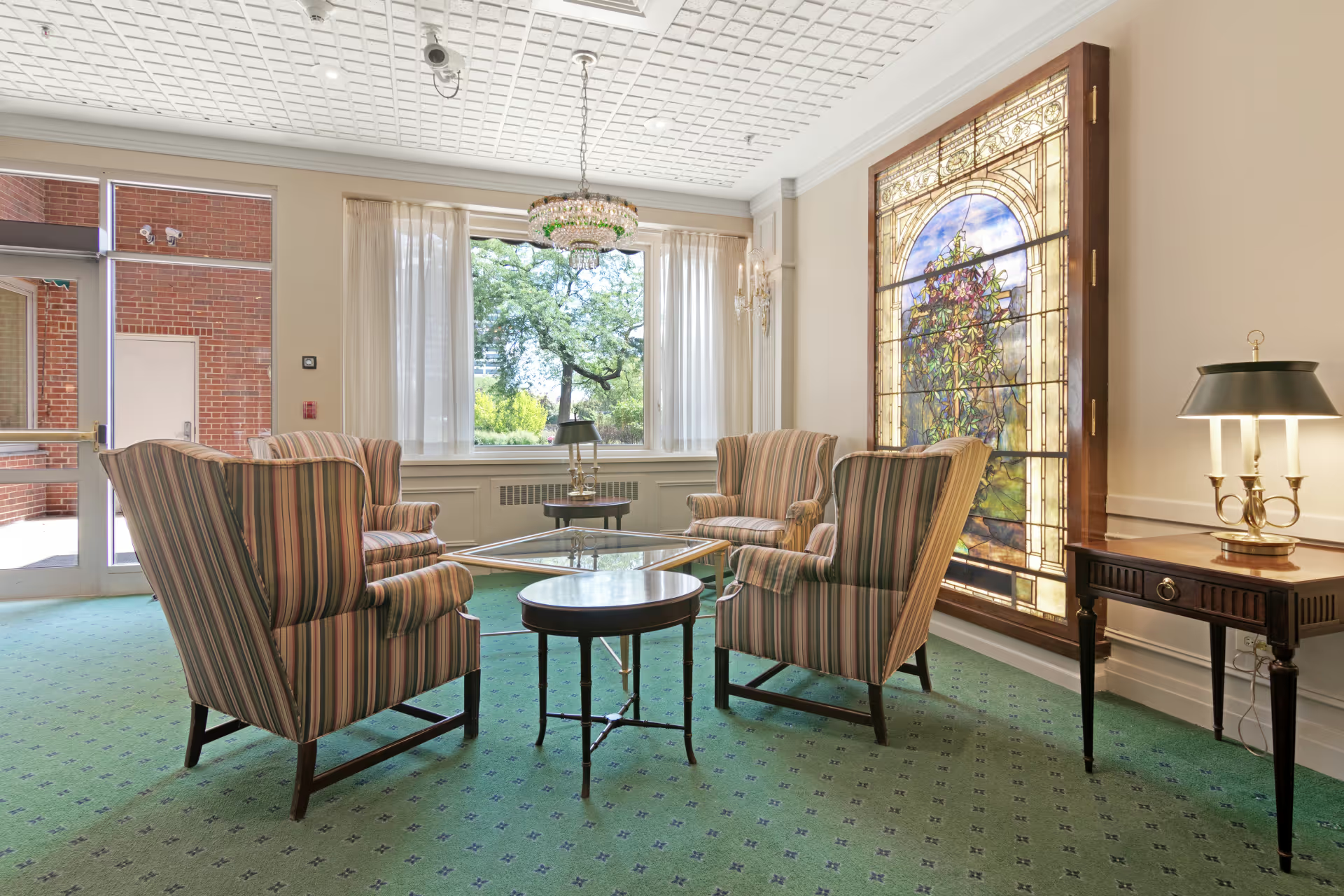
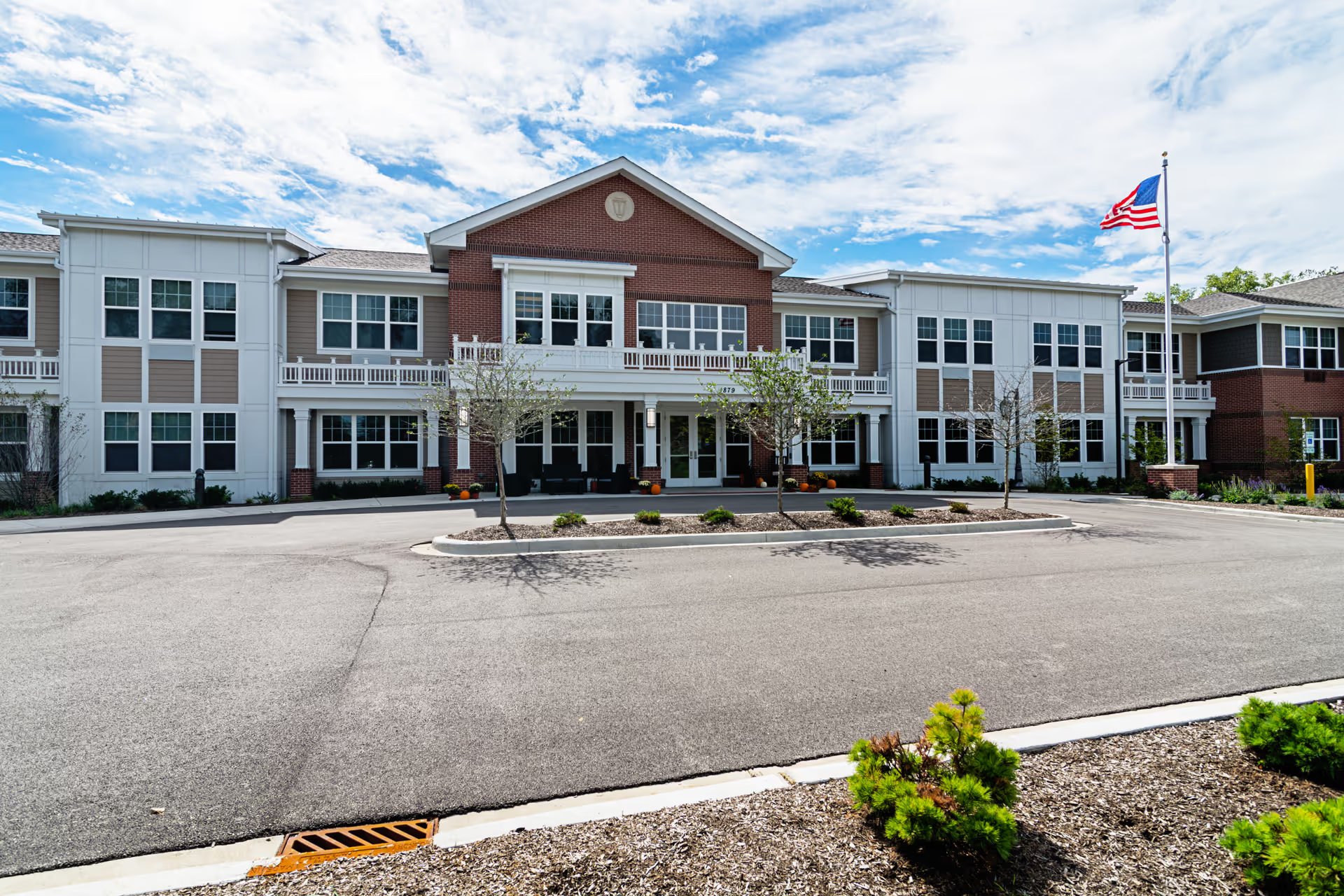
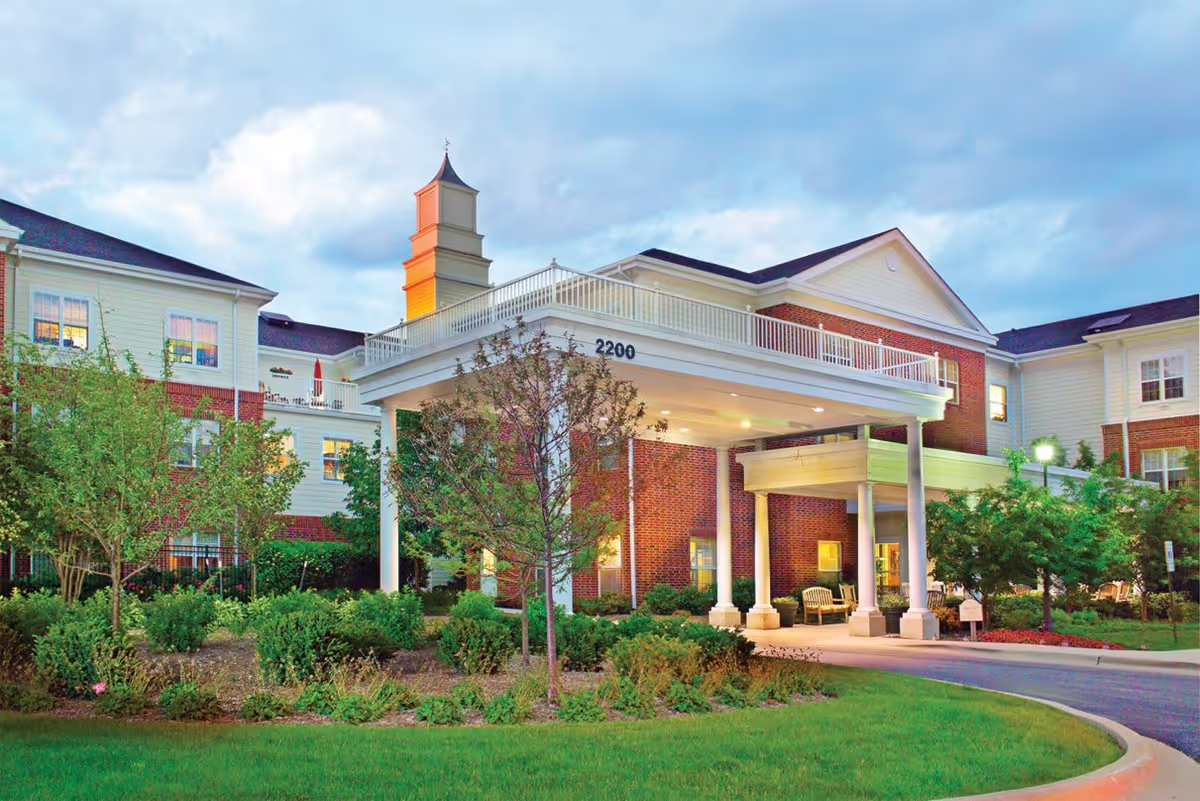
Overall impression: Citadel Care Center–Wilmette receives consistent praise for its clinical rehabilitation services and for a generally compassionate, professional caregiving team. Reviewers emphasize effective physical and occupational therapy, attentive nursing for many patients, and an environment that several families described as clean, bright, and home-like. The facility’s small size, renovated decor, garden seating and valet parking contribute to a pleasant and convenient experience for many residents and visitors.
Care and staff: The facility’s nursing and therapy programs are frequently highlighted as strengths. Families report positive functional outcomes from therapy, with clinicians described as skilled, proactive, and invested in residents’ recovery. CNAs and kitchen staff are also noted for being supportive and helpful. At the same time, reviewers describe meaningful variability among individual caregivers: while many staff members are described as compassionate and respectful, other interactions reflect limited experience or lapses in bedside technique when providing personal-care tasks. That variability points to differences in staff training and experience across shifts.
Operations and management: Operationally, the center appears to deliver effective clinical rehabilitation and close family communication in many cases, including active social-work advocacy. However, recurring operational themes include inconsistent staffing levels and slower response times to requests or call bells, which some families link to the building’s small scale and staffing resources. There are also notes of inconsistent communication tone and uneven follow-through on family-raised concerns; in several instances families felt they needed to escalate an issue before it was addressed.
Resident experience, dining, and activities: Dining receives generally neutral-to-positive comments; the kitchen is described as accommodating and willing to go beyond standard service. Daily activities and social engagement are described as available and meaningful for many residents. Room assignments have produced mixed experiences: some residents benefited from private rooms and peaceful accommodations, while shared-room situations produced challenges related to privacy and roommate disturbances during personal care.
Notable patterns and considerations for families: The dominant pattern is one of strong rehabilitation outcomes and a caring culture among many staff members, coupled with operational inconsistencies that are most visible around staffing, training, responsiveness, and certain aspects of personal-care logistics. Prospective residents and families may want to ask about current staffing levels, staff-training programs for personal-care dignity, roommate/room-assignment policies, and protocols for incontinence and sanitation monitoring during their tour or admission discussions.