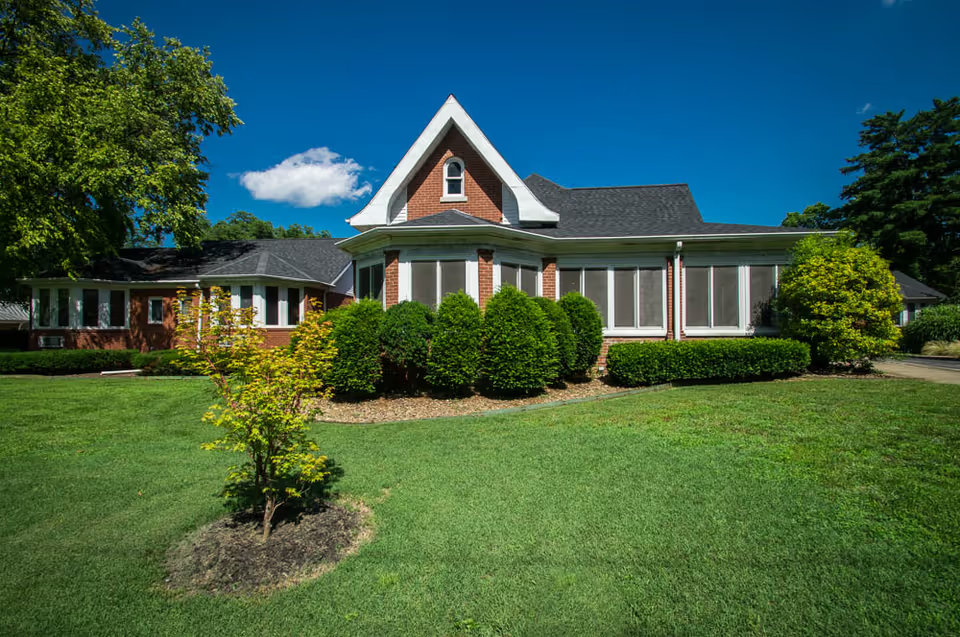
Overall impression: Reviewers convey a generally strong clinical and rehabilitative profile, with repeatedly noted strengths in compassionate caregiving, focused therapy services, and a resident-centered culture. The campuses attract positive comments about cleanliness, modern facilities in some locations, and specialized programming such as a memory-care unit and an on-site rehab cottage. Many families praised social-work and discharge planning, as well as leadership visibility during events like the COVID-19 response.
Care and staff: The predominant theme is that staff are warm, experienced, and invested in residents’ recovery and daily comfort. Long-tenured caregivers and therapists receive specific praise for effective stroke and post-acute rehab outcomes and for going beyond routine duties. At the same time, there is a pattern of variability: while many families describe highly responsive, family-like staff, others described slower response times and inconsistent interpersonal conduct. These differences suggest variability in staff performance and occasional understaffing that can affect continuity of care. A small number of reviewers described serious lapses in timely personal-care responsiveness; these descriptions point to operational gaps rather than systemic praise, and they warrant direct inquiry during a tour.
Dining and activities: Dining receives consistently positive mentions — fresh, well-prepared meals, flexibility to accommodate dietary needs, and accommodations for special occasions such as holiday dinners. Activities and entertainment spaces (TV/entertainment rooms, organized programs) are available and contribute to a home-like, engaged environment for residents.
Facilities and amenities: Facilities are generally described as clean and well-maintained, with newer, light-filled buildings and park-like grounds in some locations. Reviewers singled out the Rehab Cottage and on-site therapy amenities as strong assets. There is, however, variability in room condition between buildings: some rooms are modern and spacious while others were noted as older and in need of updating. Privacy options and secure units for residents requiring higher supervision are available.
Management and communication: Leadership involvement is a commonly cited positive; several families noted prompt administrative responses and visible management presence. Conversely, some families experienced gaps in communication or limited executive visibility in particular situations. That pattern is consistent with the broader theme of overall strong management performance with occasional lapses in family communication or escalation handling.
Notable patterns and guidance for families: The facility demonstrates strengths in rehabilitation, memory care, dietary flexibility, and a compassionate culture supported by experienced staff. However, reviewers also indicate variability in staffing consistency and responsiveness, and uneven room conditions across different buildings. Prospective residents and families should ask about current staffing ratios, caregiver continuity, protocols for personal-care responsiveness and incontinence care, administrative escalation pathways, and the condition of specific rooms or units during an in-person visit. Doing so will help align expectations with the particular building and unit within the campus they are considering.