Overall impression: The facility elicits a mixed but fairly consistent pattern: front-line caregivers and service teams receive strong, positive remarks, while operational and oversight issues account for the majority of negative commentary. Families frequently describe the immediate care environment as warm and supportive, with many staff members characterized as kind, helpful, and approachable. Clinical therapy, activities programming, housekeeping, and on-site administrative support are cited as strengths that contribute positively to residents' daily experience.
Care and clinical safety: Reviewers commonly praise the compassion and attentiveness of nursing staff and direct caregivers, and several accounts highlight effective physical and occupational therapy services. At the same time, there are repeated concerns about operational aspects of clinical care: inconsistent medication administration, delays in responding to comfort needs, and gaps in monitoring that correlate with fall events. These comments point to potential weaknesses in medication-management procedures, staffing consistency, and fall-prevention protocols rather than a uniform failure across all shifts. Additionally, a subset of comments raise concerns about staff conduct and communication tone, indicating occasional problems with how difficult interactions are managed.
Therapy, activities, and social supports: Therapy services (PT/OT) and the activities program receive strong endorsement. The activities director is noted as proactive, and social services, scheduling, and transportation are described as helpful and responsive. For families prioritizing rehabilitation, engagement, and coordinated care planning, these are meaningful strengths.
Dining and housekeeping: Housekeeping and laundry are consistently described as thorough, and rooms and common areas are often reported as clean and neat. Dietary services drew mixed feedback: some reviewers call the dietary department terrific and the staff engaged, while others describe meals as unappetizing or lacking in nutritional appeal. This suggests variability in meal quality or menu planning that could affect resident satisfaction and nutrition.
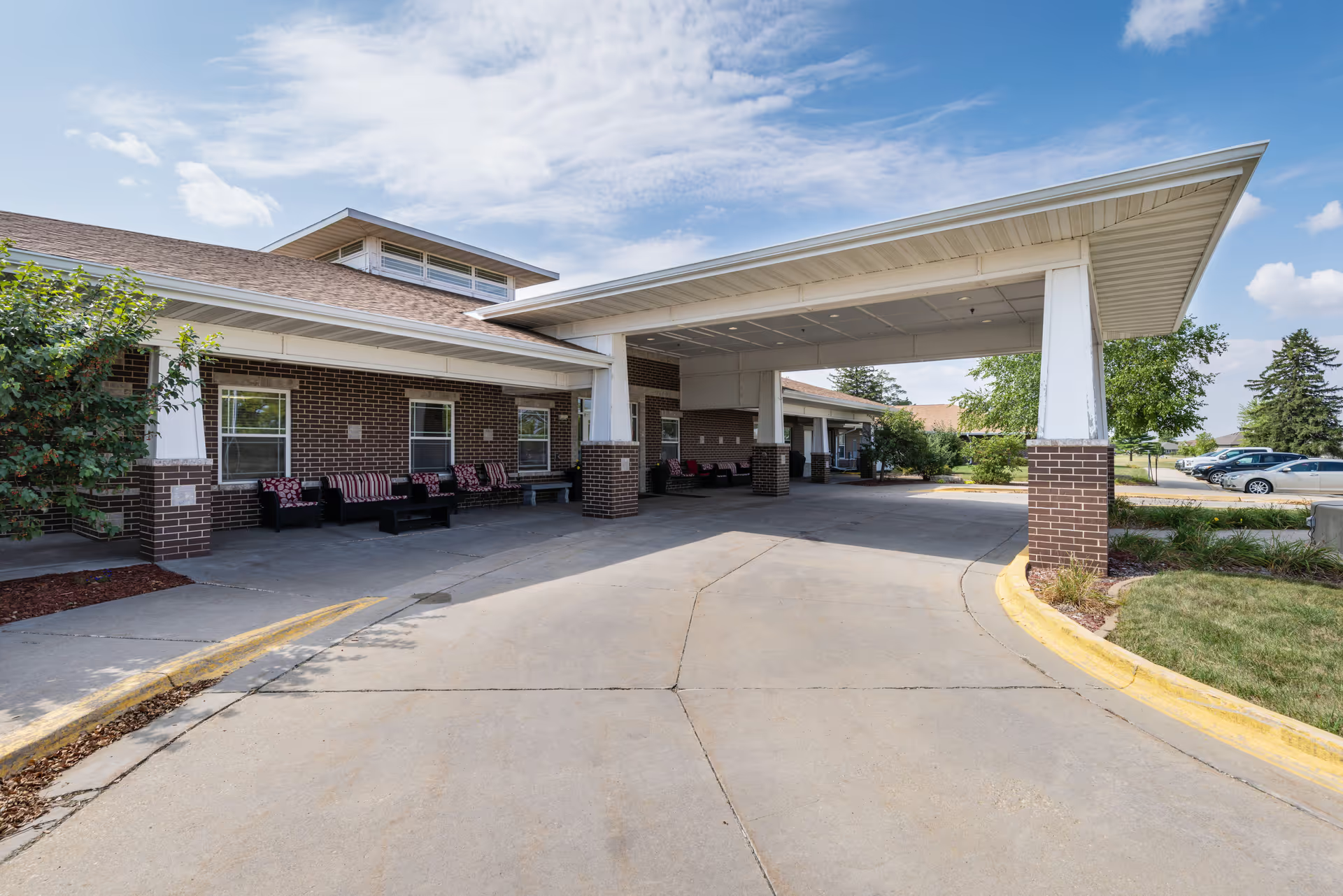
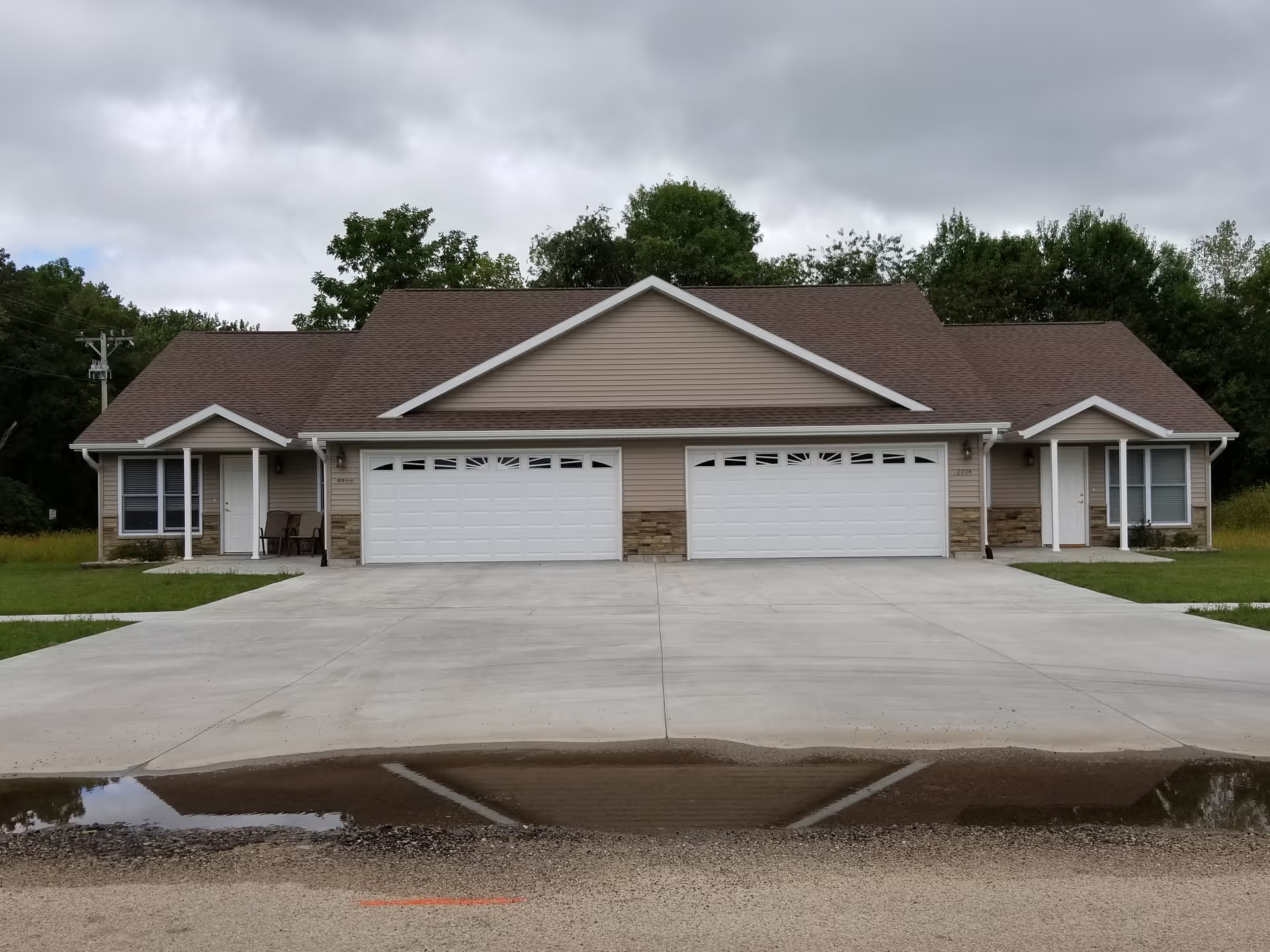
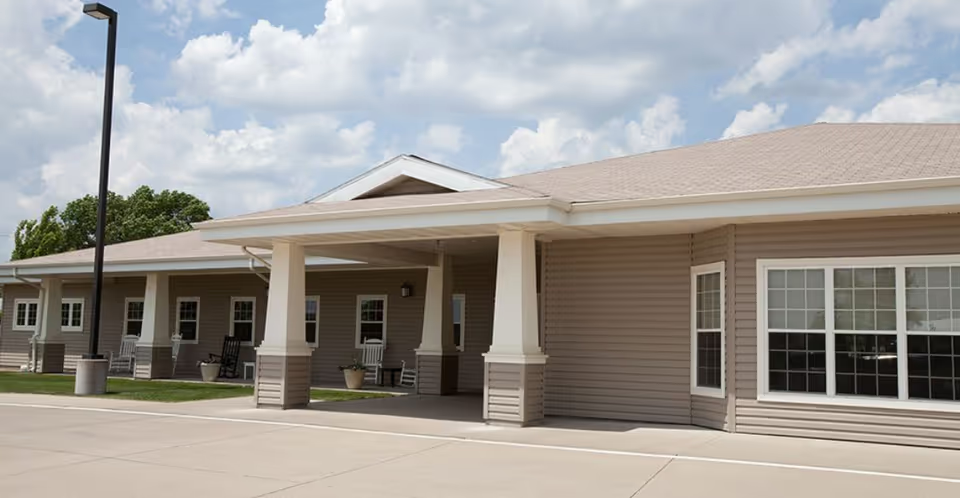
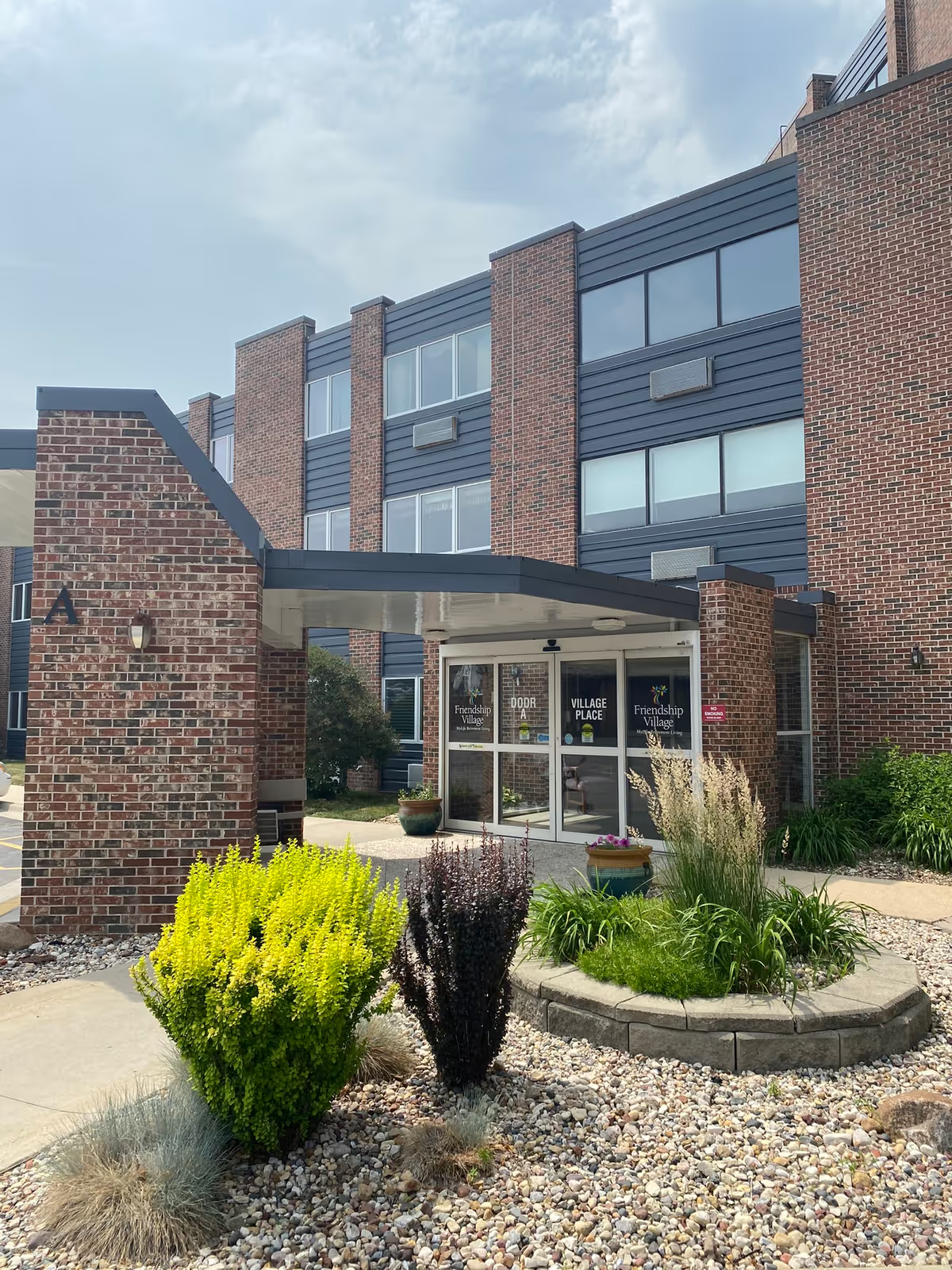
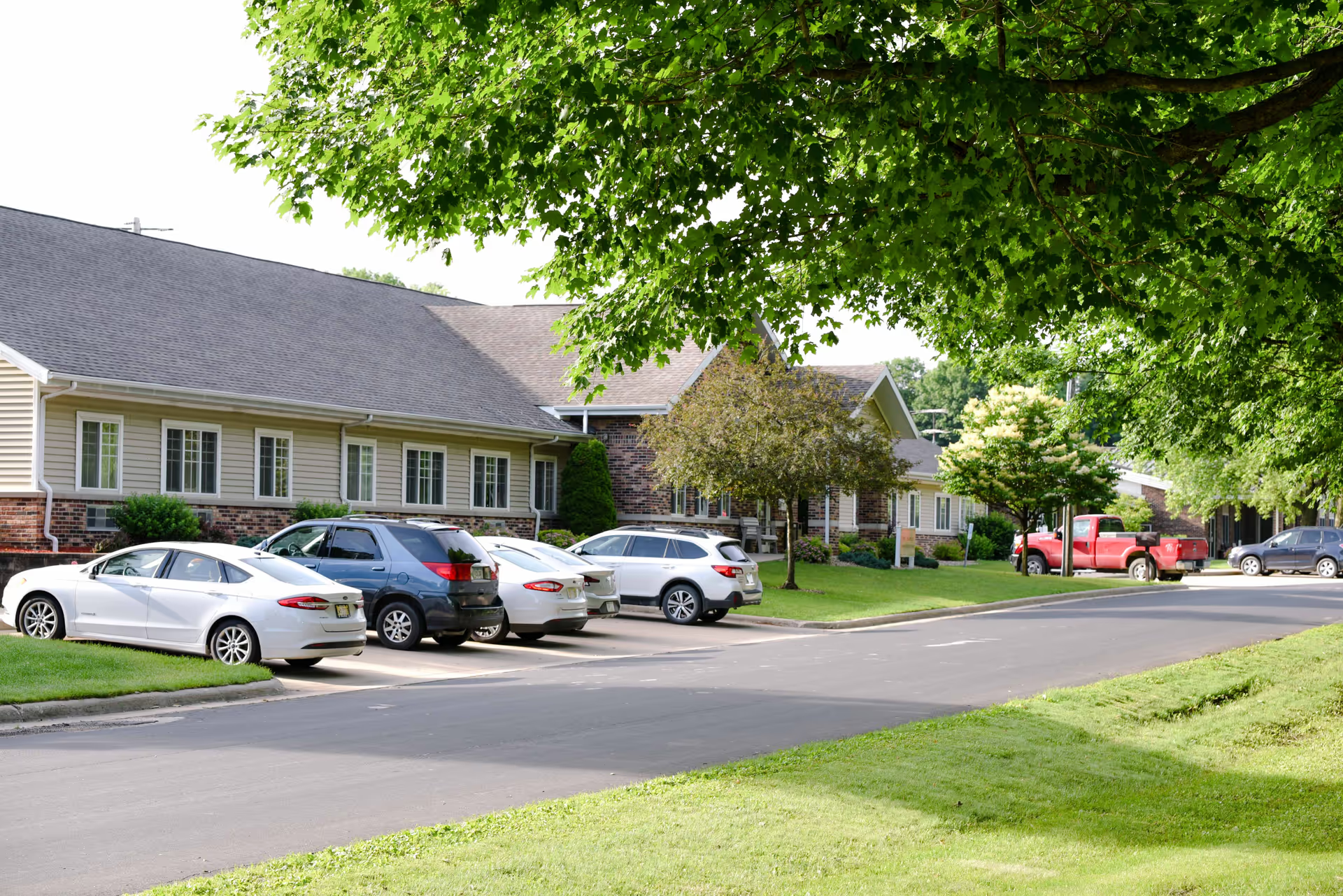
Facilities and maintenance: Interior cleanliness and in-room upkeep are generally positive, but there are facility-level maintenance and grounds-management issues cited, including neglected exterior landscaping, drainage/ground-grading problems that have led to flooding, and limits on apartment updates or modifications. These concerns suggest attention is needed to long-term maintenance planning and resident accommodation policies.
Management and oversight: On-site administration, scheduling, and care-planning staff are frequently described as helpful and responsive. However, several comments reflect perceived weaknesses at higher organizational levels — a sense of limited corporate oversight or insufficient escalation responsiveness. Taken together with the clinical and maintenance issues, this pattern indicates that while day-to-day staff often perform well, system-level processes (oversight, quality assurance, and corporate communication) may require strengthening.
Notable patterns and considerations for families: Prospective residents and families should weigh the facility's strong interpersonal care culture, effective therapy and activities, and reliable housekeeping against recurring operational concerns in medication management, resident monitoring, meal consistency, and grounds maintenance. When evaluating placement, consider asking the facility for specific information about medication-safety protocols, staffing patterns and training, fall-prevention measures, nutrition and menu planning, maintenance schedules, and the process for addressing family concerns and corporate escalation. These targeted questions can help determine whether the facility's strengths align with a prospective resident's priorities and clinical needs.