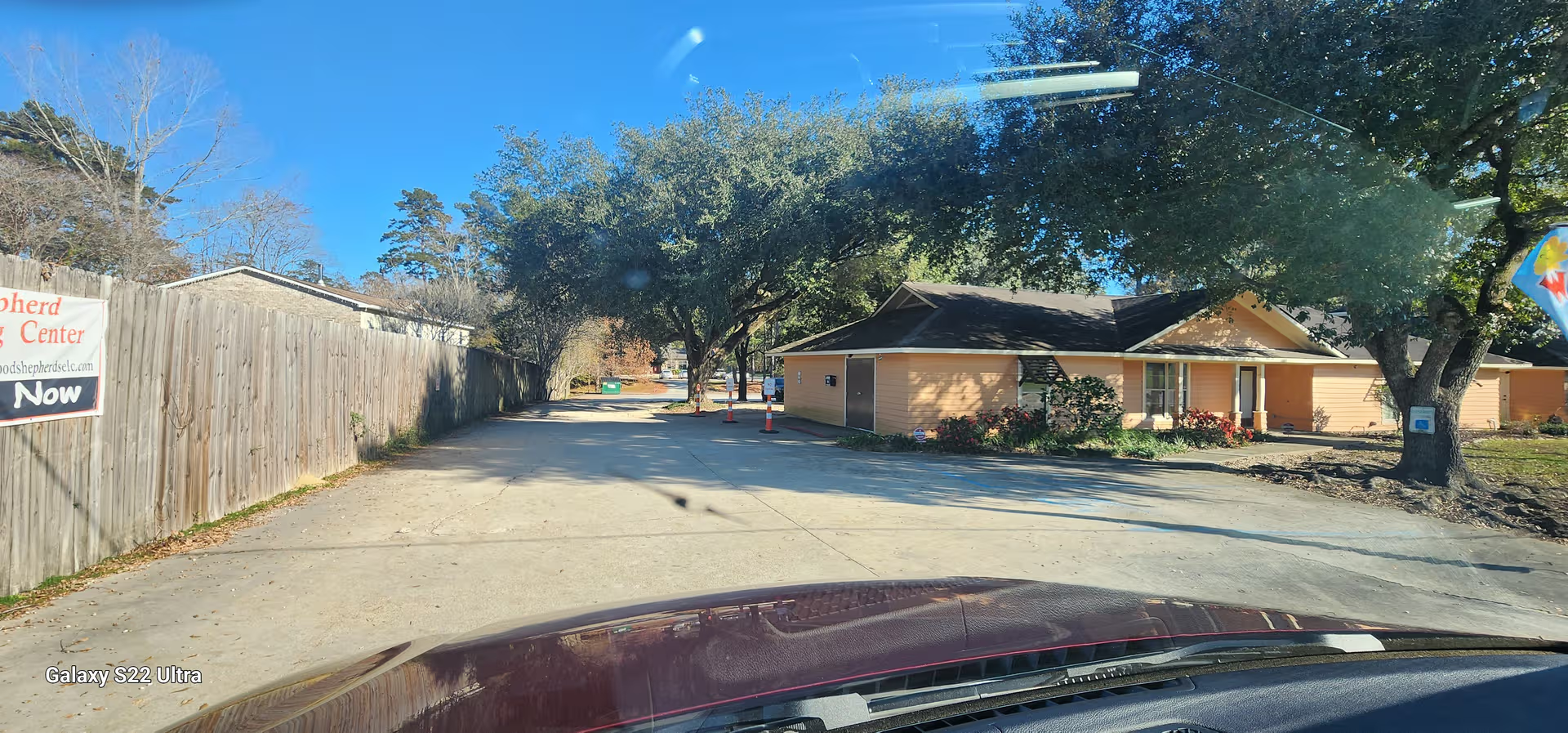
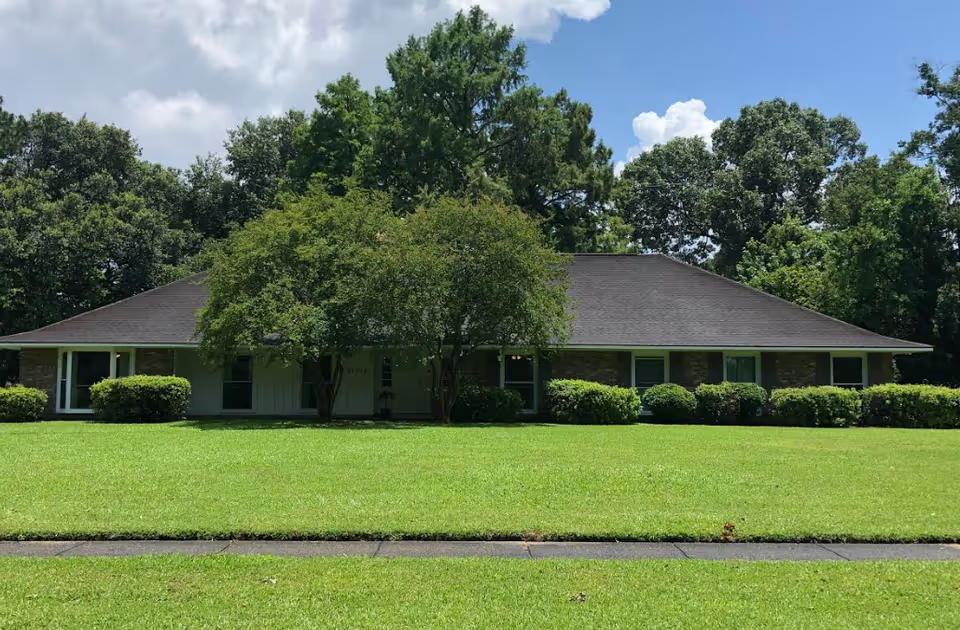
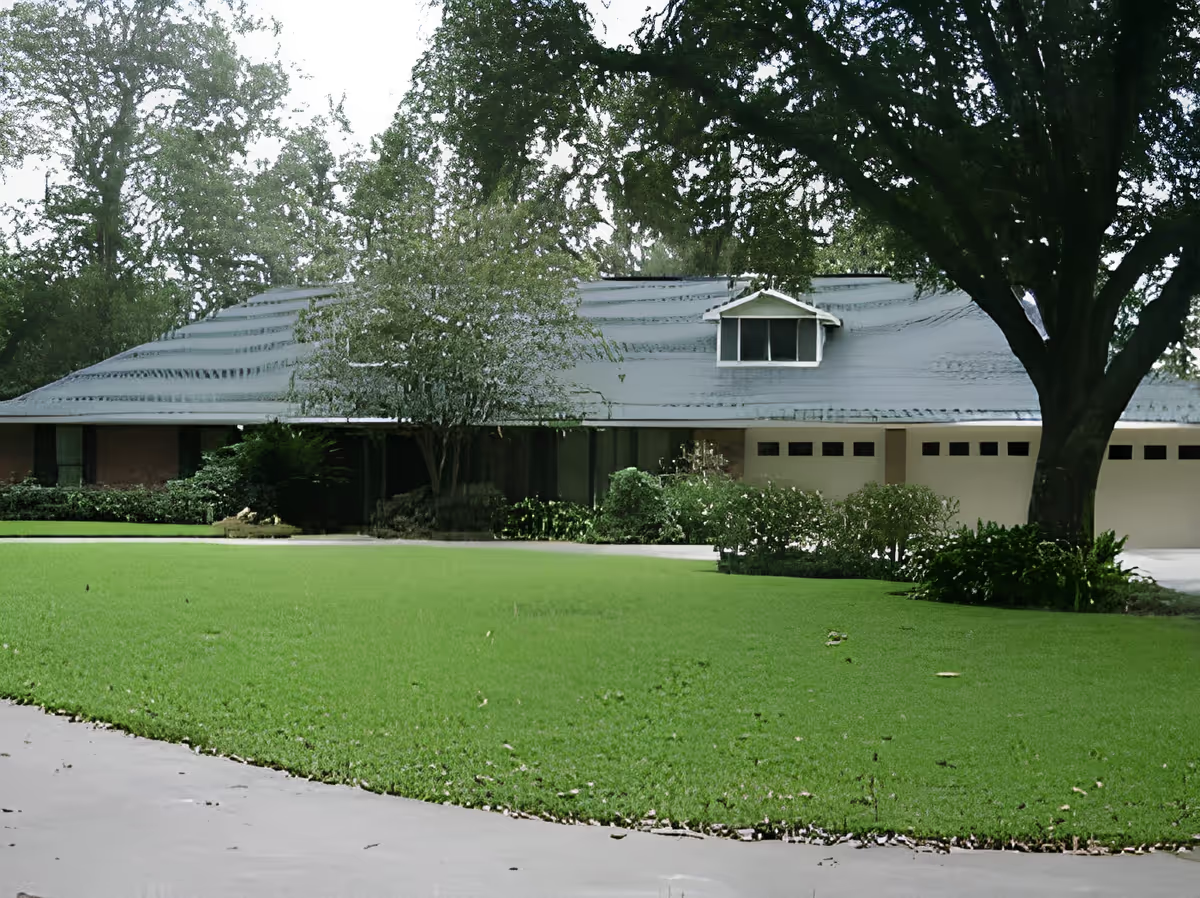
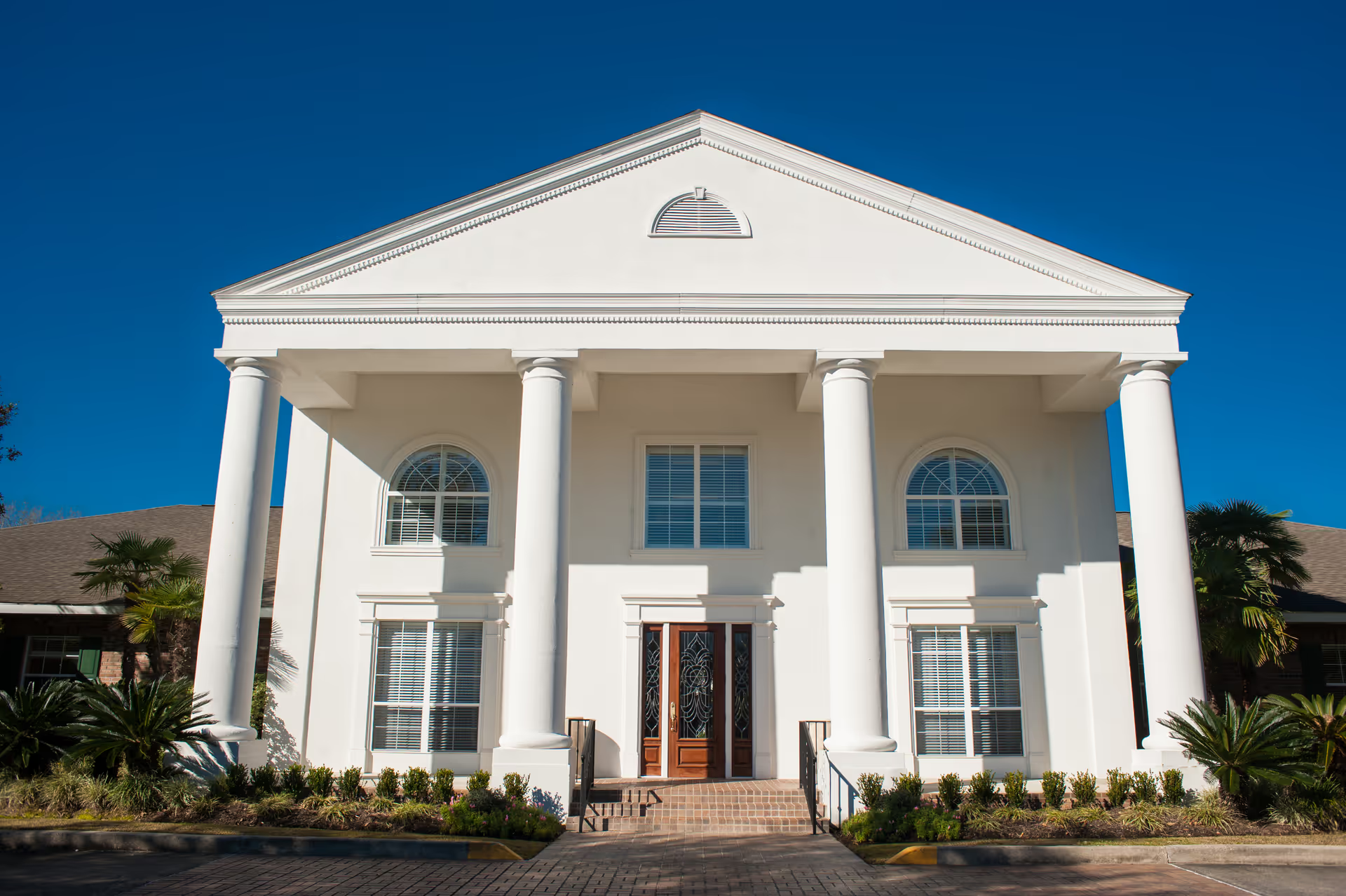
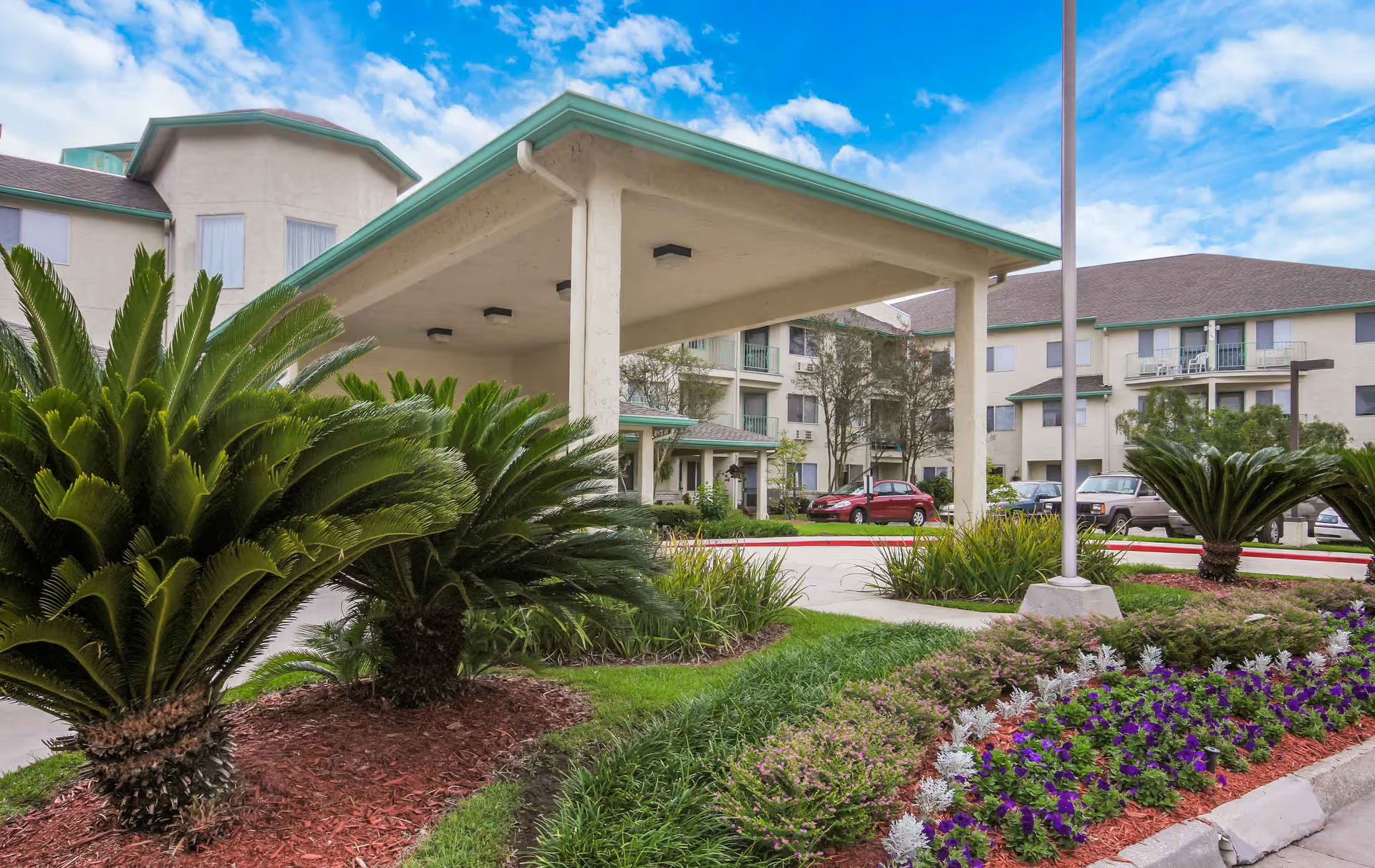
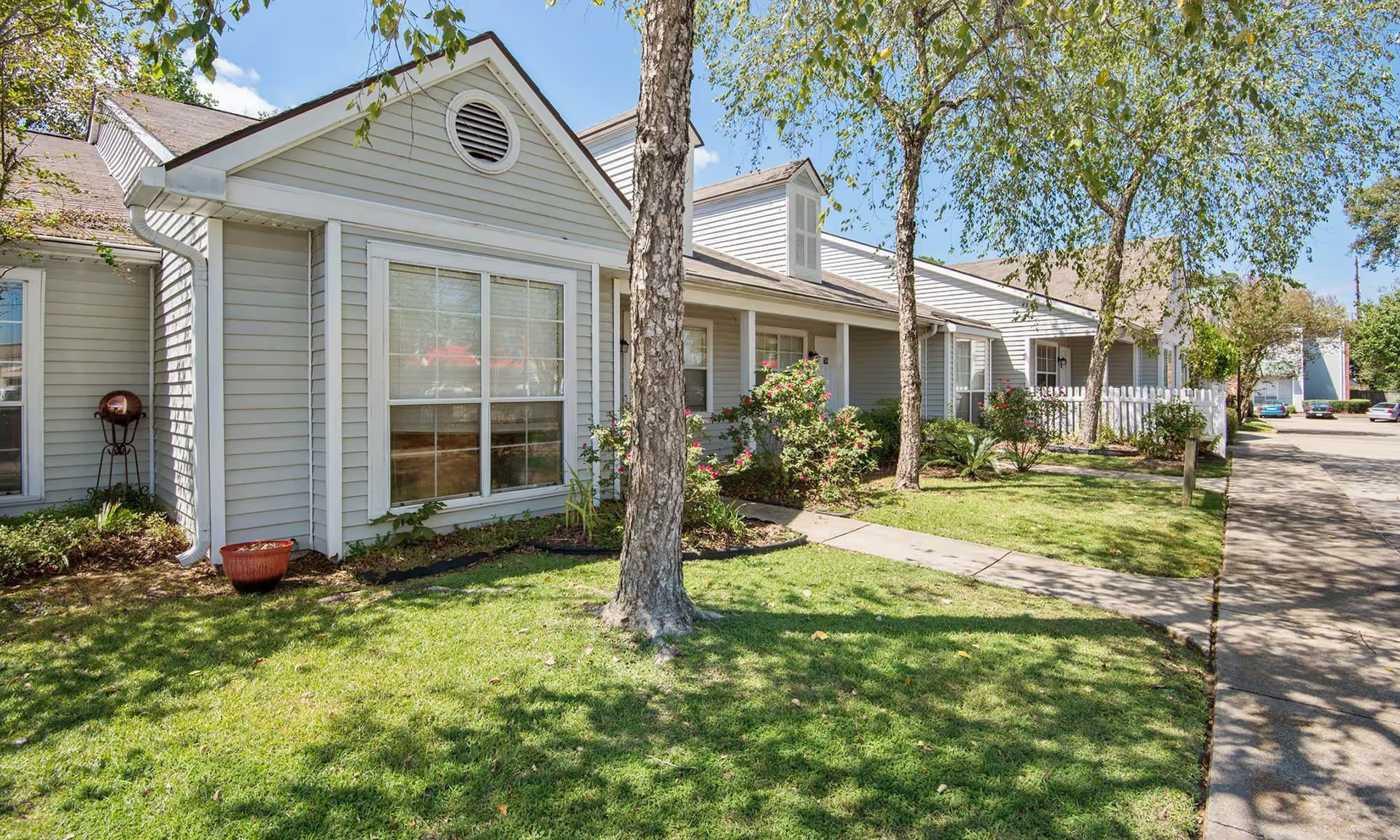
Central Guest House Healthcare and Rehabilitation Center presents a mixed profile. Physically, the facility is new, centrally located, and described as attractive and well maintained; reviewers consistently note modern, state-of-the-art spaces and a generally clean environment. Several accounts also highlight positive interactions with specific administrative staff and individual caregivers who provided attentive support.
Care quality appears inconsistent. Some families report attentive, high-quality care, while others describe delays in routine clinical tasks such as medication administration and repositioning. Reviewers raised concerns about incontinence-care timeliness and an associated risk of urinary tract infections; these indicate gaps in daily clinical monitoring for some residents. There are also accounts of delayed access to specialty services (for example, neurology and dental), which in at least one instance resulted in transfer to another facility.
Staffing and staff conduct are recurring themes. Many reviews imply workforce strain and frequent turnover, producing longer wait times for assistance and challenges covering night shifts and the front desk. Night staffing gaps and limited 24-hour coverage were specifically noted. Reviewers also described variability in professionalism and tone from some staff members, ranging from compassionate to confrontational; conversely, administration and certain employees were praised for responsiveness and kindness.
Dining, equipment, and ancillary services show operational inconsistencies. Meal quality and variety were described as uneven, and some residents did not receive expected dining assistance. Logistics problems such as delayed delivery of ordered equipment were reported. Communication breakdowns with external providers and home-health organizations were also mentioned, leading to friction and delays in coordinated care.
Management and admissions practices draw mixed reactions. While some families found the administration engaged and helpful, other accounts describe occasions where initial admissions assurances did not match the facility’s ability to meet specific clinical needs. This suggests variability in expectation-setting and care-capacity assessment at intake. Overall, the pattern is one of strong physical plant and pockets of good care offset by operational challenges: inconsistent staffing, communication gaps, medication and monitoring delays, and uneven ancillary services.
If considering this facility, prospective residents and families should verify current staffing levels (including night coverage), ask for specifics about clinical monitoring protocols (turn schedules, incontinence care, medication administration tracking), confirm timelines for equipment delivery, and obtain a clear written outline of the facility’s ability to meet any specialty-care needs. Regular family communication and review of care plans will be important to monitor continuity and responsiveness of care.